Last updated on
This is THE question I get asked most often: when to go to Norway, what’s the best time? And I’ll disappoint you right away: there is no single right answer. Because the real question isn’t “which is the best month”, it’s “what do I want to see and do?”.
Northern lights, midnight sun, whales, fjords, hikes, snow, or simply landscapes without the crowds: every wish has its season, and every season has its places. The same month can be brilliant for one thing and a disaster for another.
But above all I want to stress one thing, and it’s the most important point in this whole article: there is no bad time to go to Norway. There’s always something to see, to experience, to photograph. There are just times that suit YOUR wishes better.
So in this article, I’m giving you two ways in. First by what you’re after: for each goal, I tell you where to go and when. Then month by month: what you can do, where, and why.
Let’s go!

When to go to Norway based on what you want to do
Let’s start with the most useful thing: your main wish. For each one, I tell you where to go and when to go. If you already have a date in mind, jump straight to the month-by-month section below.
You want to see the northern lights
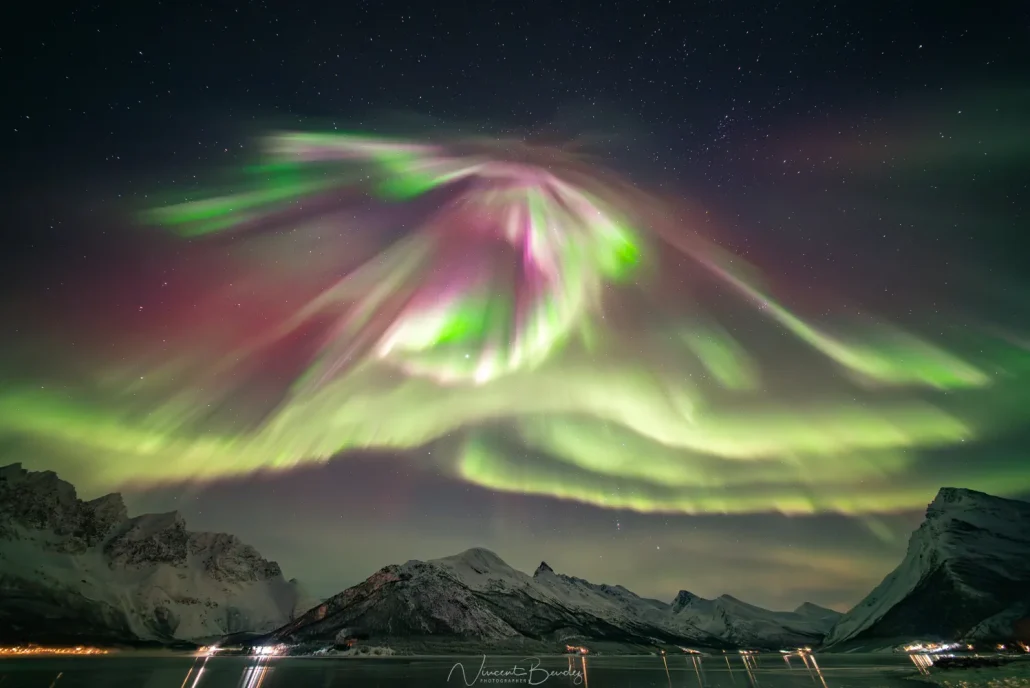
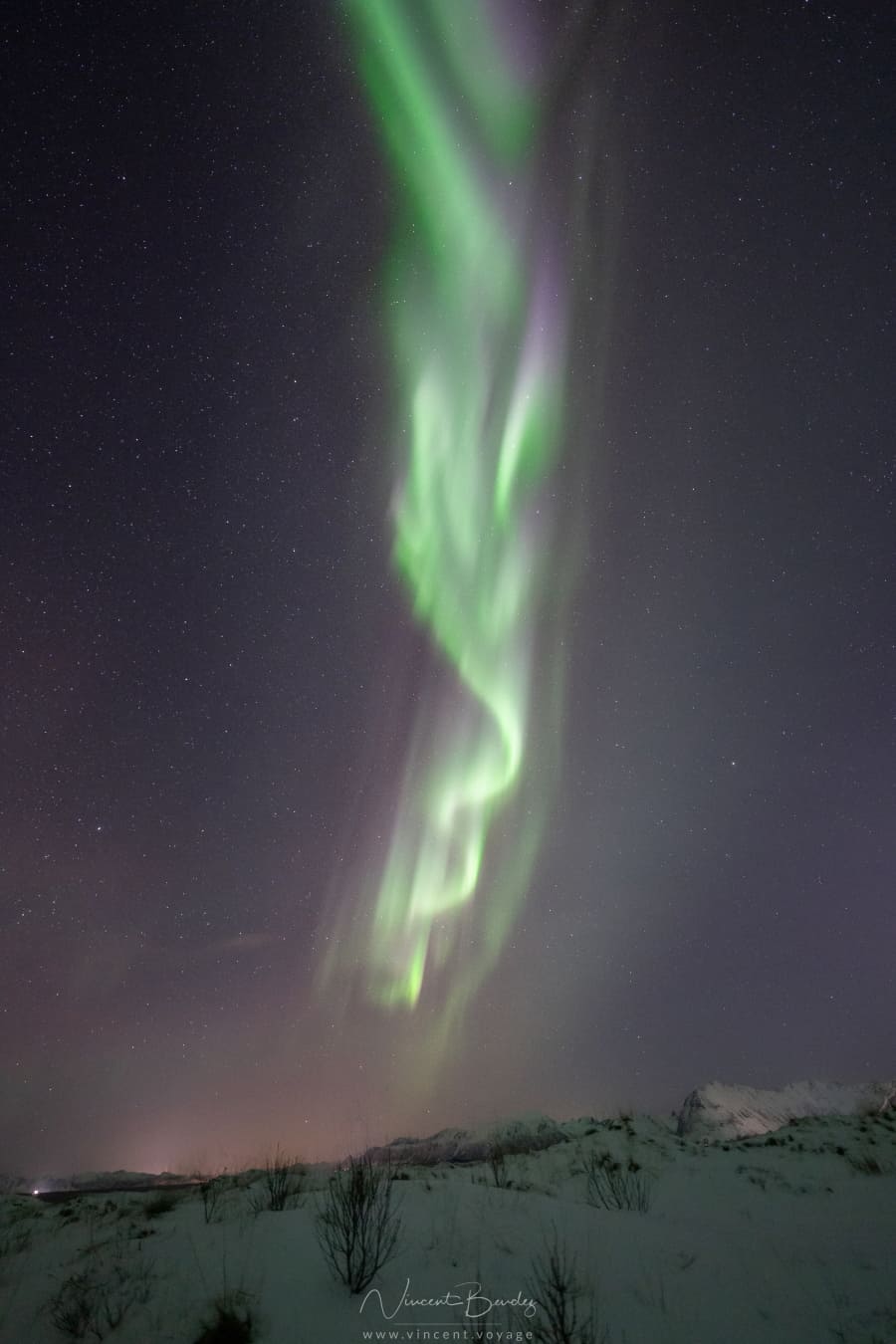
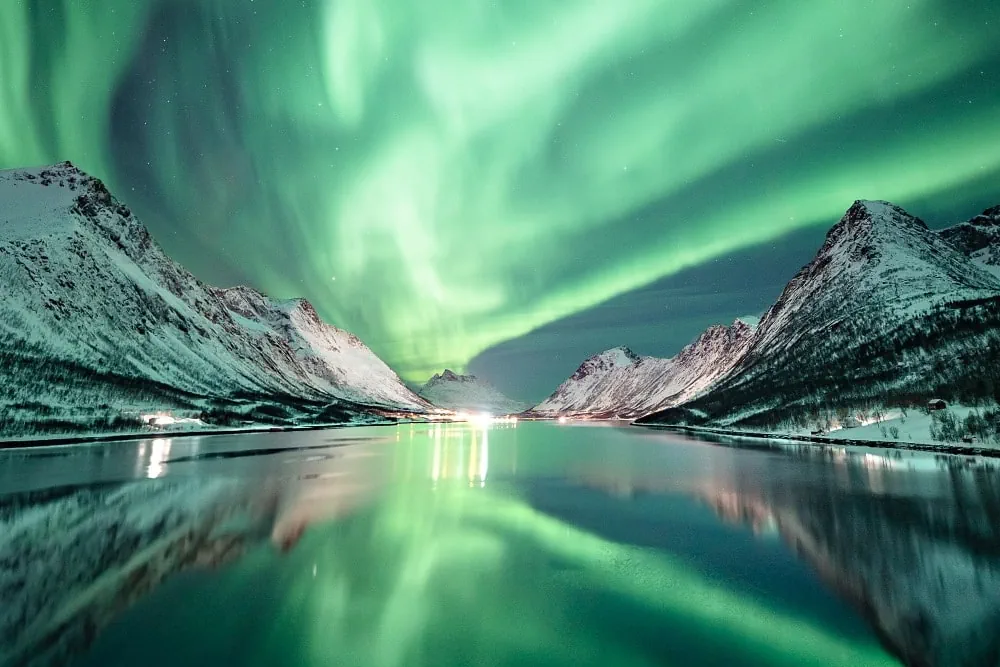
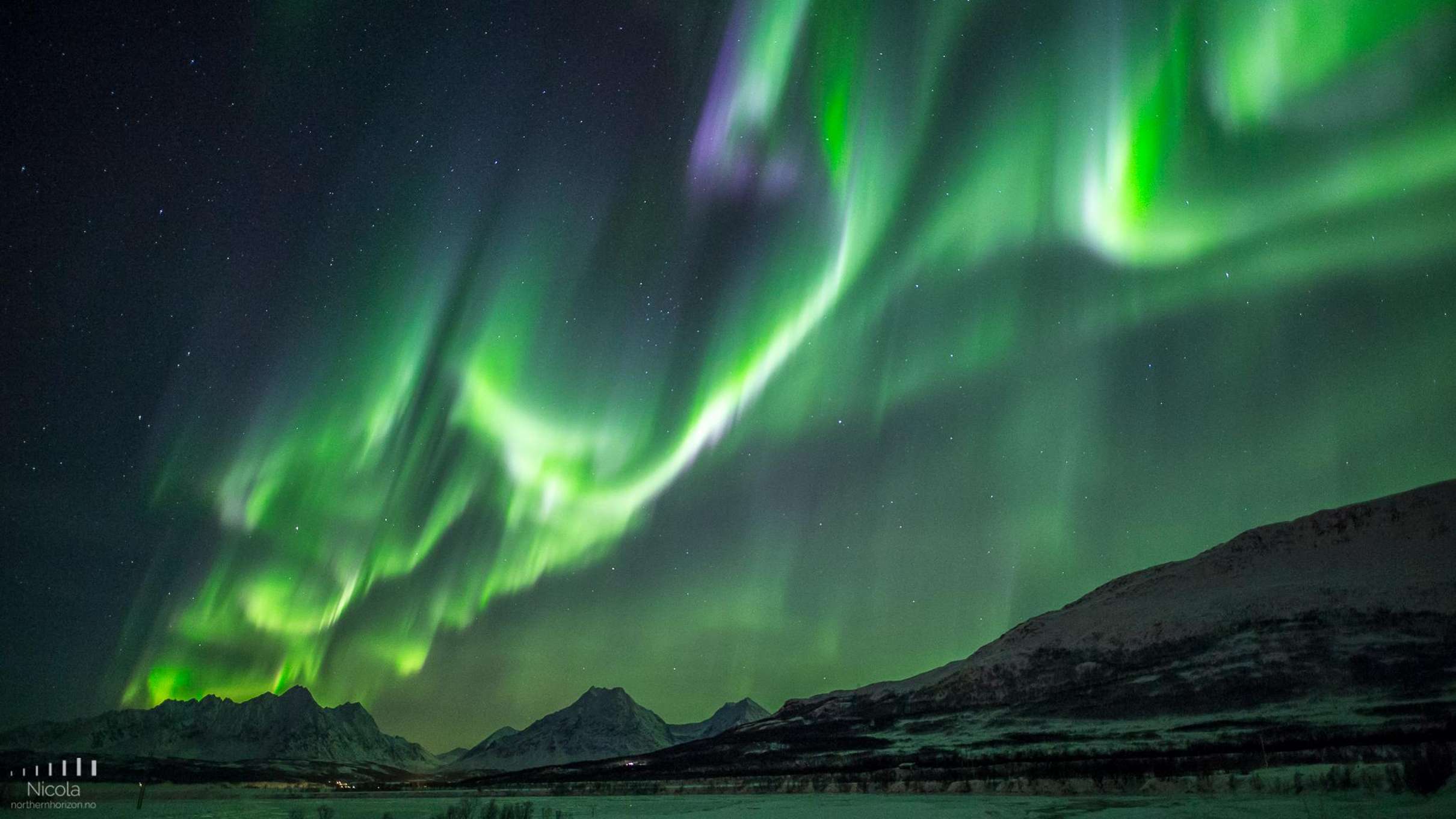
Good news, you’re in the right place! Norway is the perfect country for the northern lights.
Where: the north of the country, above the Arctic Circle. Tromso is the safest choice for a first time: a pleasant city, good infrastructure, agencies, and above all dozens of spots less than an hour’s drive away. If you’re looking for more quiet and very clear skies:
- Senja: my favourite, very little light pollution and northwest-facing fjords, so ideal
- The Lofoten Islands: magnificent scenery, but more city lights and more people. The weather is also a bit trickier.
- The Vesterålen Islands: to be truly alone in the world, with tricky weather but little light and no one around.
- Alta and Finnmark: far less touristy, with wide-open spaces and much better weather, like in Finnish Lapland.
When: as soon as it gets dark, meaning from late August to early April. Contrary to popular belief, the aurora isn’t reserved for winter: we get “real” night 7 months of the year, and it’s those 7 months that count.
After that, it all depends on what you want around it:
- September-October: if you still want to hike, with less cold and often very clear skies
- From late January to late March: for the charm of winter, the snow and the reflections
- November-December: the nights are longest, but the weather is more capricious
It’s all detailed in my dedicated article: seeing the northern lights in Norway.
You want to enjoy the midnight sun
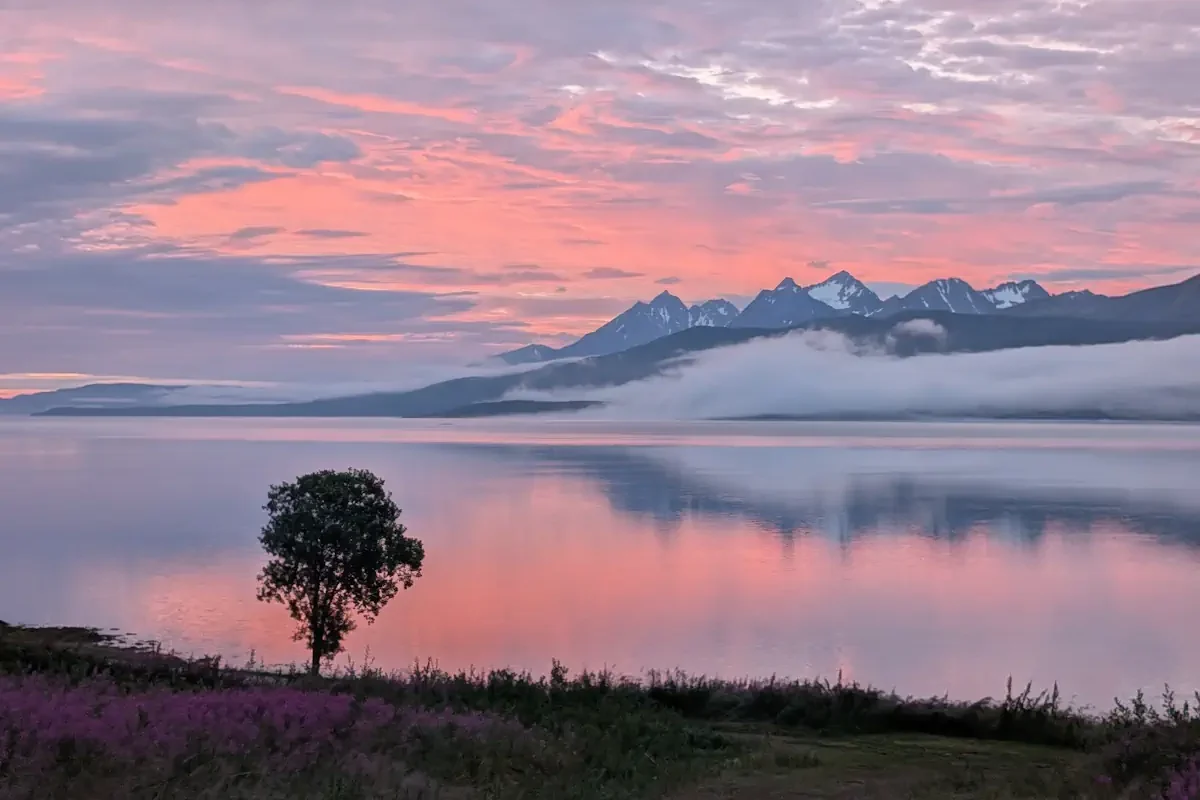
Where: everywhere above the Arctic Circle, but the most beautiful settings are in the north: the Lofoten Islands (the midnight sun on the beaches and peaks is unreal), Senja, the Tromso area, and all the way up to the North Cape.
When: from late May to late July, when the sun simply no longer sets. June 21, the summer solstice, is the longest day and a great excuse to celebrate.
What’s disorienting is having a drink in the sun and realising it’s 3 a.m. But the body adjusts very well, and above all it lets you fit in far more activities.
Good to know: in Tromso, it doesn’t really get dark from mid-April to the third week of August. That doesn’t mean the sun is up permanently, but that there’s light all the time. So even outside the peak of the midnight sun, you make the most of it.
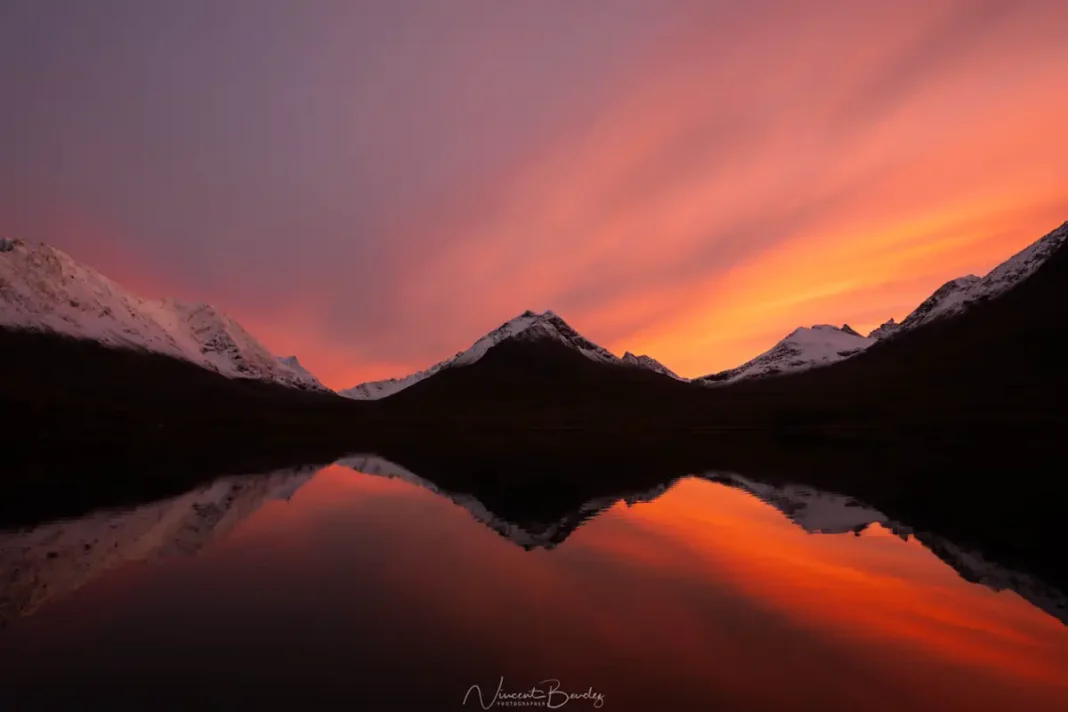
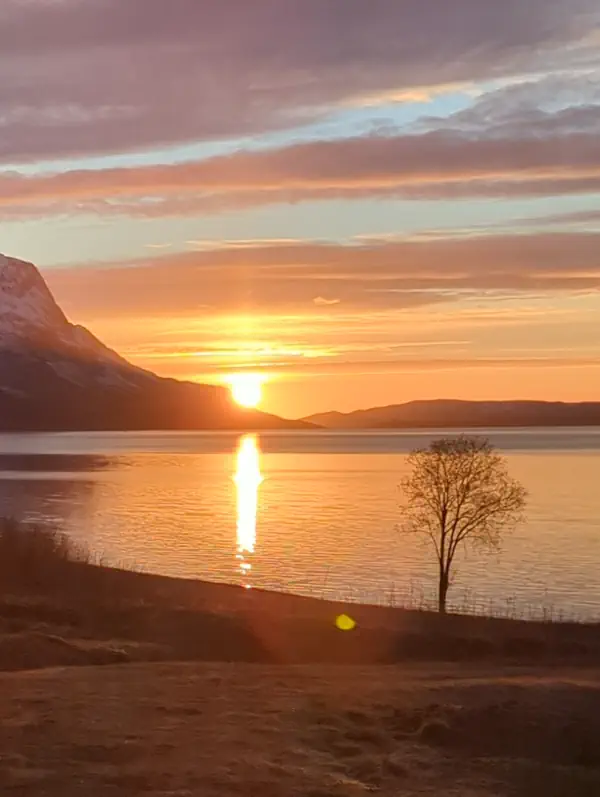
I really love the midnight sun, but a period I love even more is just before and after. The sun dips a little, but just enough to get the pink and orange colours of sunrise and sunset, without the night. It’s so good! That’s roughly the two weeks before and after the midnight sun.

CAR RENTAL IN NORWAY
Roam around Norway by renting with Discover Cars

- Rent a car from many airports or in town
- A small model, an SUV or an electric car for the adventure
- Car supplied with the Autopass tag
- Prices from €30
You want to discover Norway’s most beautiful landscapes
Go and explore the fjord region!
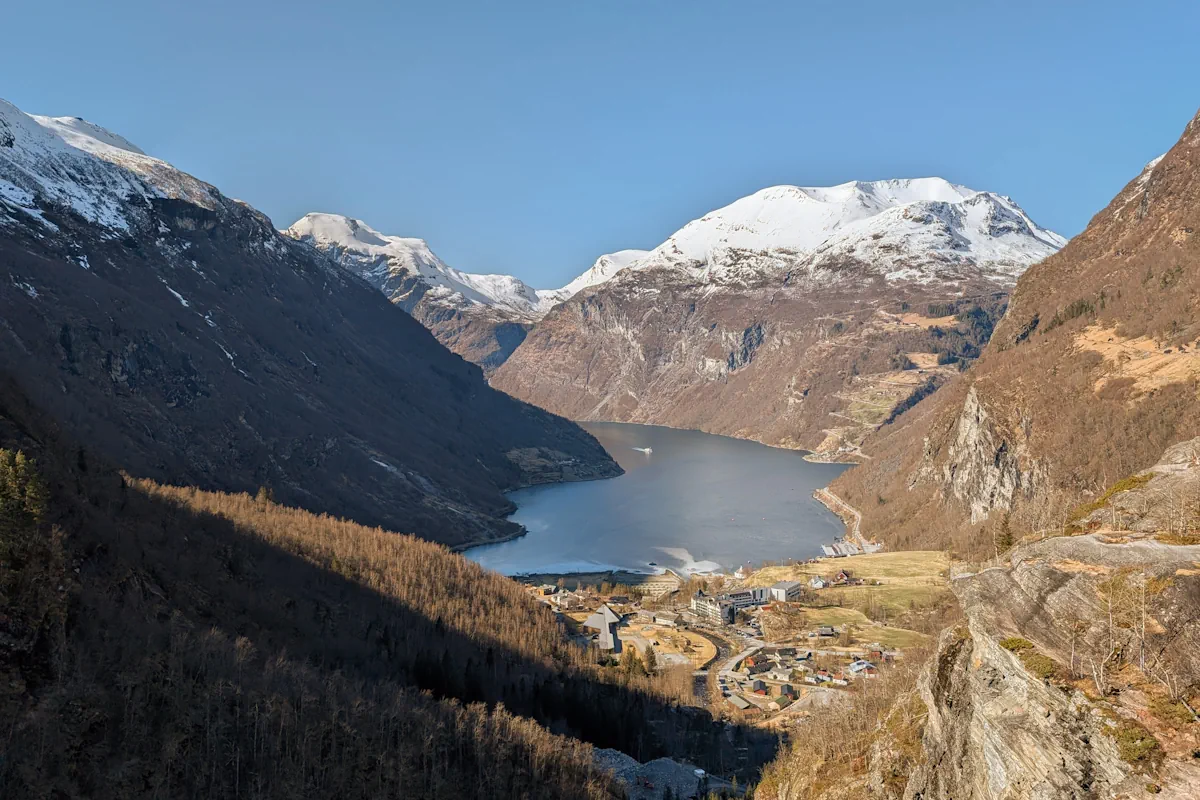
Where: the western fjords region, with Bergen as the ideal gateway:
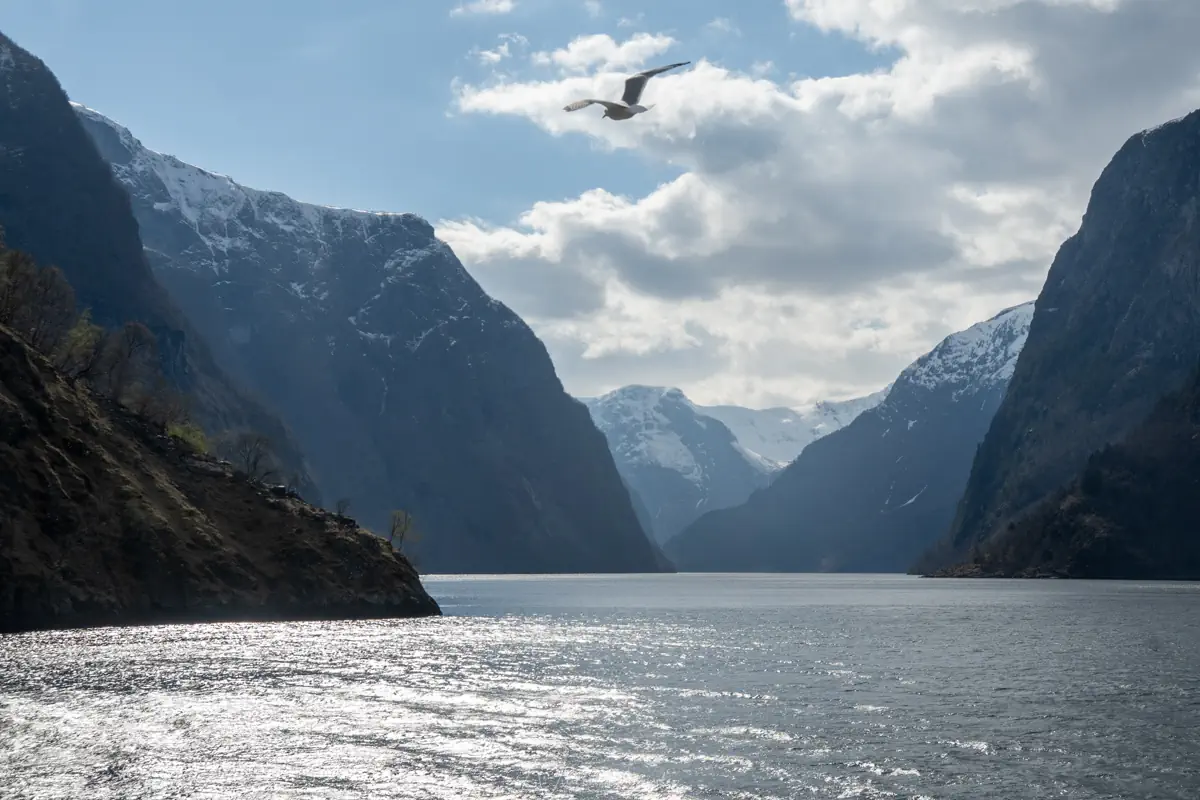
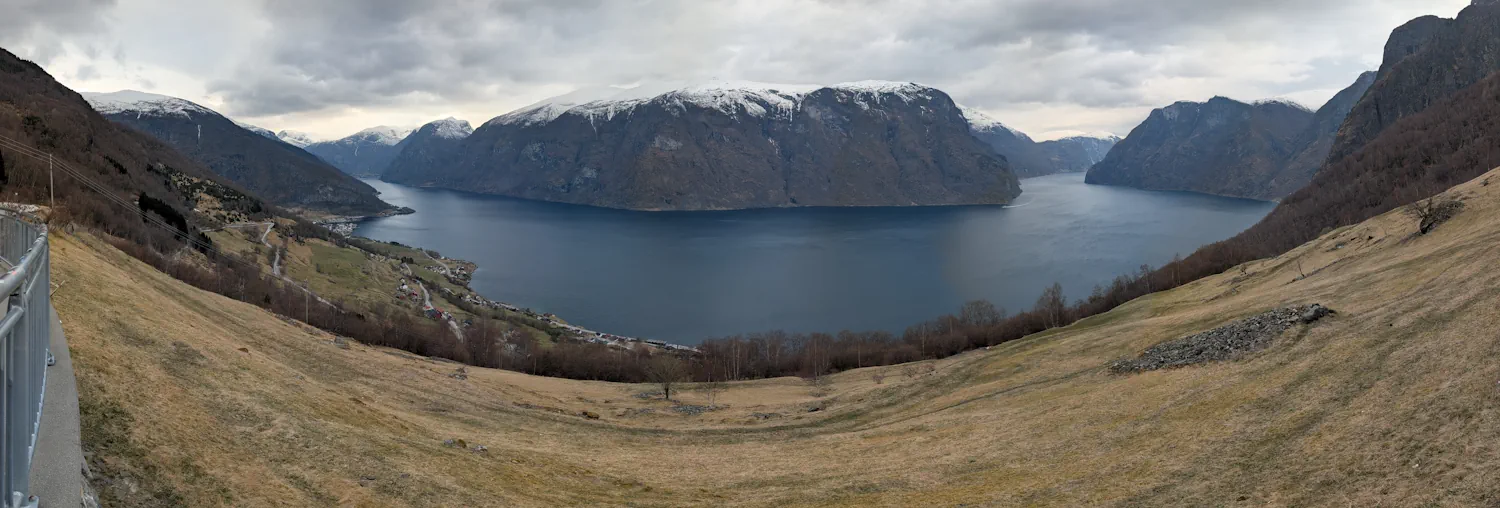
- The Nærøyfjord, UNESCO-listed, probably the most spectacular
- Geiranger and its fjord, the must-see
- The village of Flåm, with its legendary train
- The Atlantic Road, if you’re in Møre og Romsdal
And if you want to see them hassle-free, good news: you manage perfectly well without a car. The Flåm railway, the fjord cruises from Bergen and the buses do the job perfectly.
When: from April to September, when everything is open and accessible. Outside that window, many hotels, campsites and mountain roads close, and ferries run less often. I was there in mid-April: no more snow (except for a storm or two) but the panoramic roads closed.
- May-June if the waterfalls are your priority: the snowmelt makes them spectacular. Lovely from April onwards, but not all the panoramic roads are open.
- July for the best weather, but it’s peak season and all the roads are open
- September for the autumn colours and the calm
Here’s a 2-week itinerary in the fjords to help you put it all together.

The Lofoten Islands are waiting for you
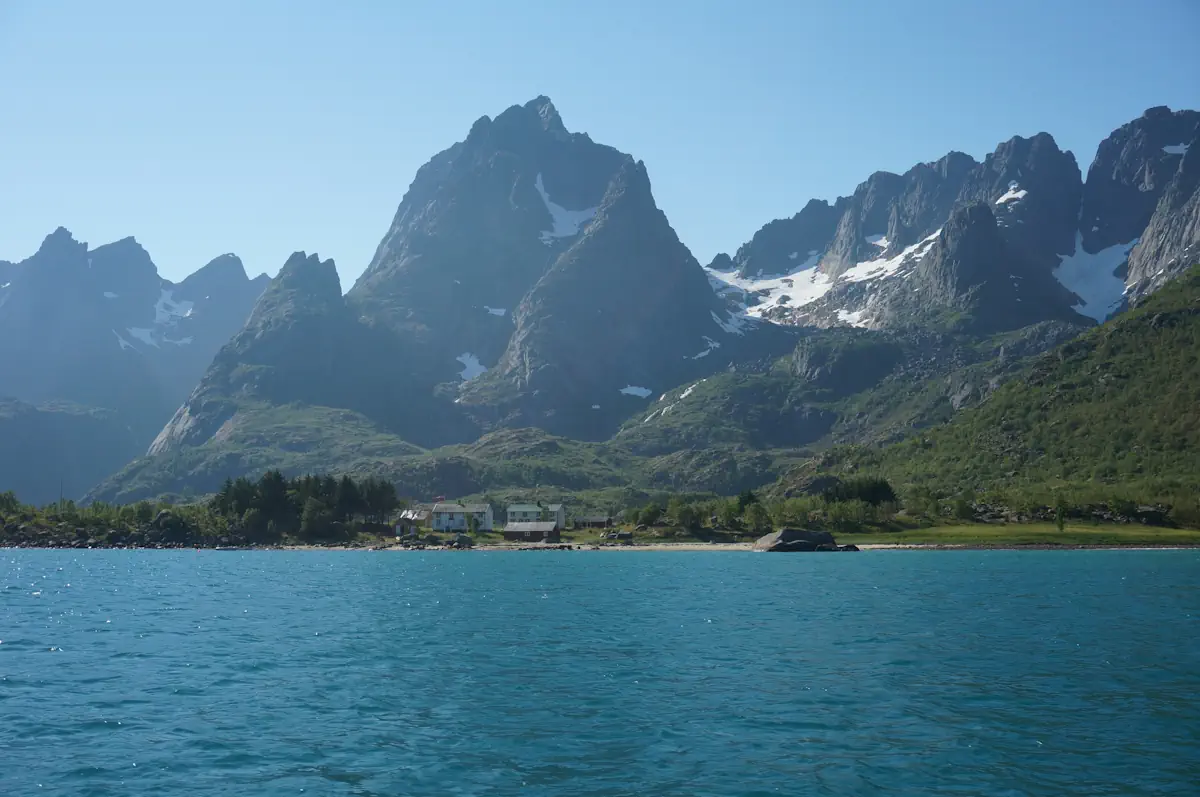
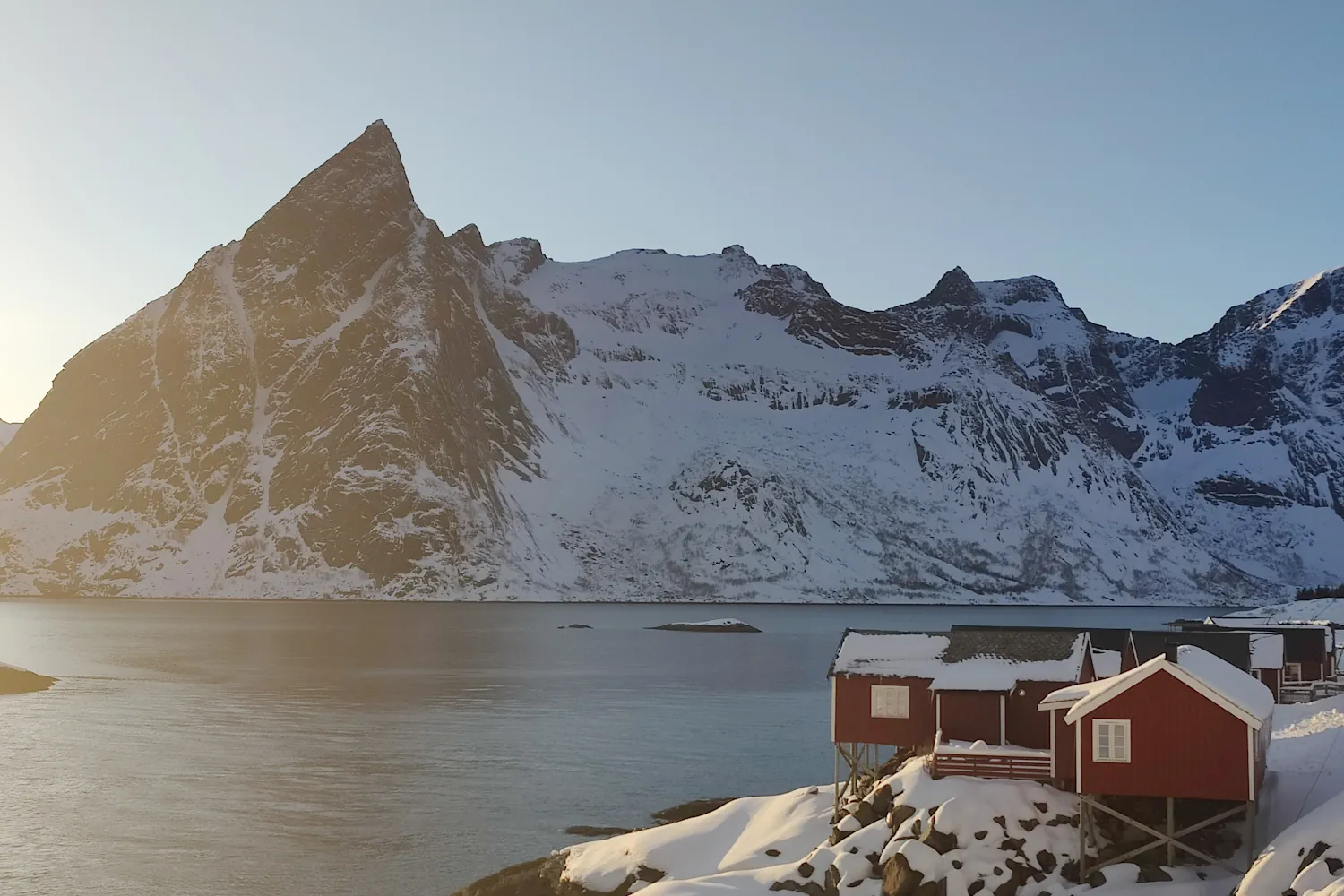
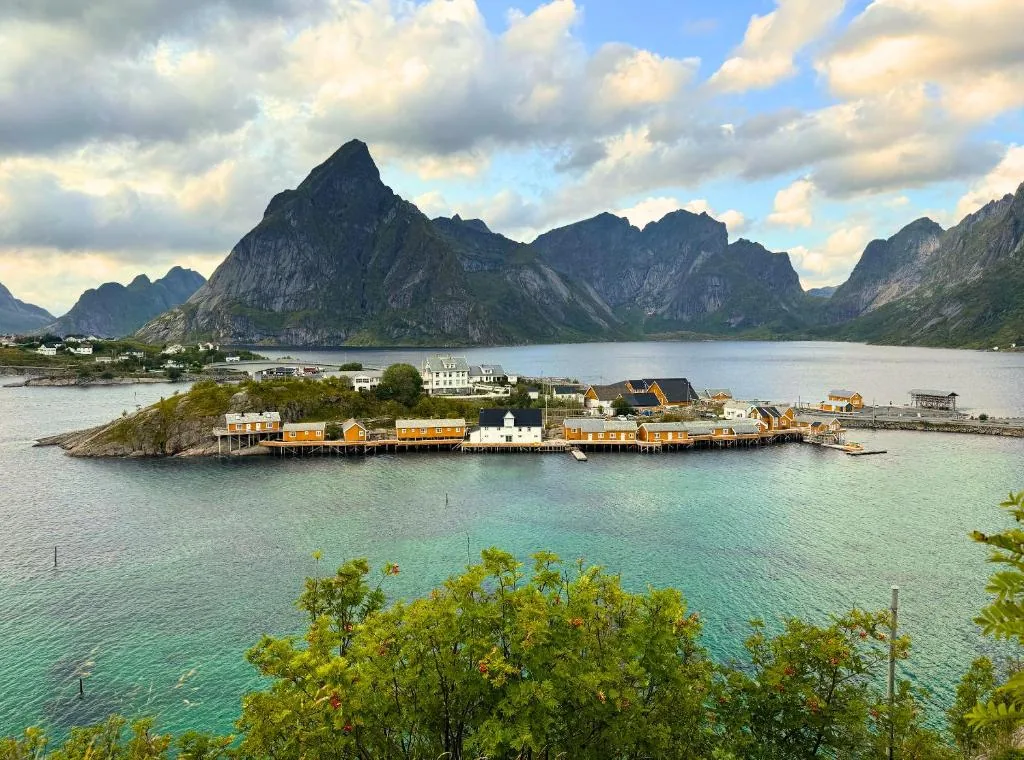
Where: the whole Lofoten archipelago and even a little beyond:
- The most beautiful mountains of the Lofoten Islands
- the fishing villages, the most beautiful in Norway
- the Vesterålen Islands
- the fabulous island of Senja
Simply put, it’s the most popular destination in Norway alongside the fjords. And the best destination for a first trip. Absolutely insane landscapes, unique mountains, smaller but plentiful fjords.
And fantastic hikes absolutely everywhere. For the less crowded version, go for Senja, but there’s far less infrastructure.
When: from February to October, to have enough light to enjoy the landscapes, because that’s what you’re here for! And also for the northern lights.
- February-March: you get the landscapes, few people, and if the weather allows, northern lights in a snowy setting. Not bad, right?
- May-June: a very good time to avoid the crowds, enjoy the hikes and the midnight sun, but it can be wet (well, it’s Lofoten)
- July-August: the most popular period, for foreigners and locals alike, but the best in terms of weather. In theory. Endless hikes, white-sand beaches.
- September-October: for the autumn colours, the hikes and the northern lights, with absolutely no one around
- November-January: very short days, tricky weather; it’s not the best period, especially as there’s usually no snow
Here’s a 2-week itinerary in northern Norway to help you put it all together.
You want to do some great hikes
Where: everywhere, honestly! Around Tromso and on Senja, there are hundreds of magnificent hikes. In the fjords, the trails climb above the water for dizzying viewpoints. And the Lofoten offer some of the finest walks in the country.
You’ve also got the fjords, with the obvious classics like Preikestolen, Trolltunga, or lesser-known ones like Besseggen. The country is a huge playground, as soon as the snow is gone!
When: from late May to mid-October, when the snow has melted and you can make the most of nature. Hiking in the snow is honestly not easy, except on some trails with a thin layer. From October, some hikes stay doable with crampons if it freezes.
Also remember to check the state of the mountain roads, which are often closed in winter and sometimes only reopen in June: this determines access to quite a few trailheads.
In the high plateaus of the interior and the fjords, the snow can take a long time to melt. Sometimes until mid-June.


You want to enjoy the landscapes without the crowds
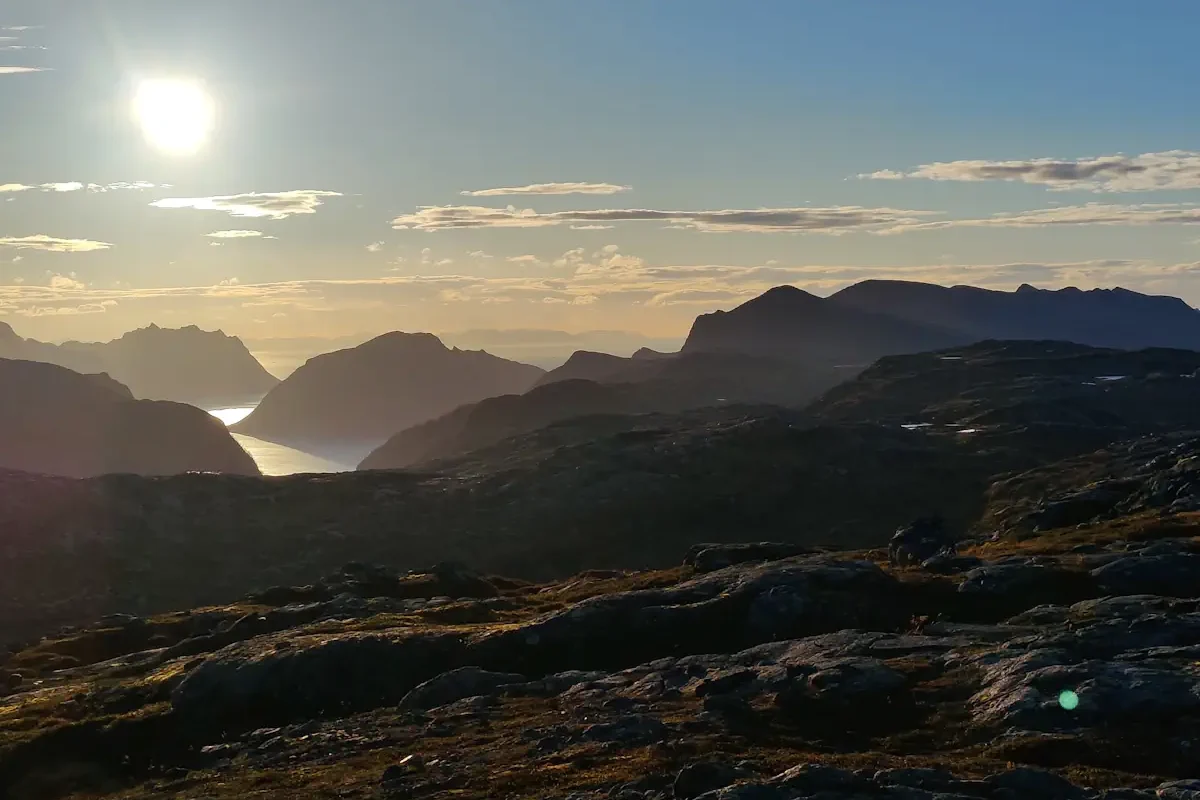
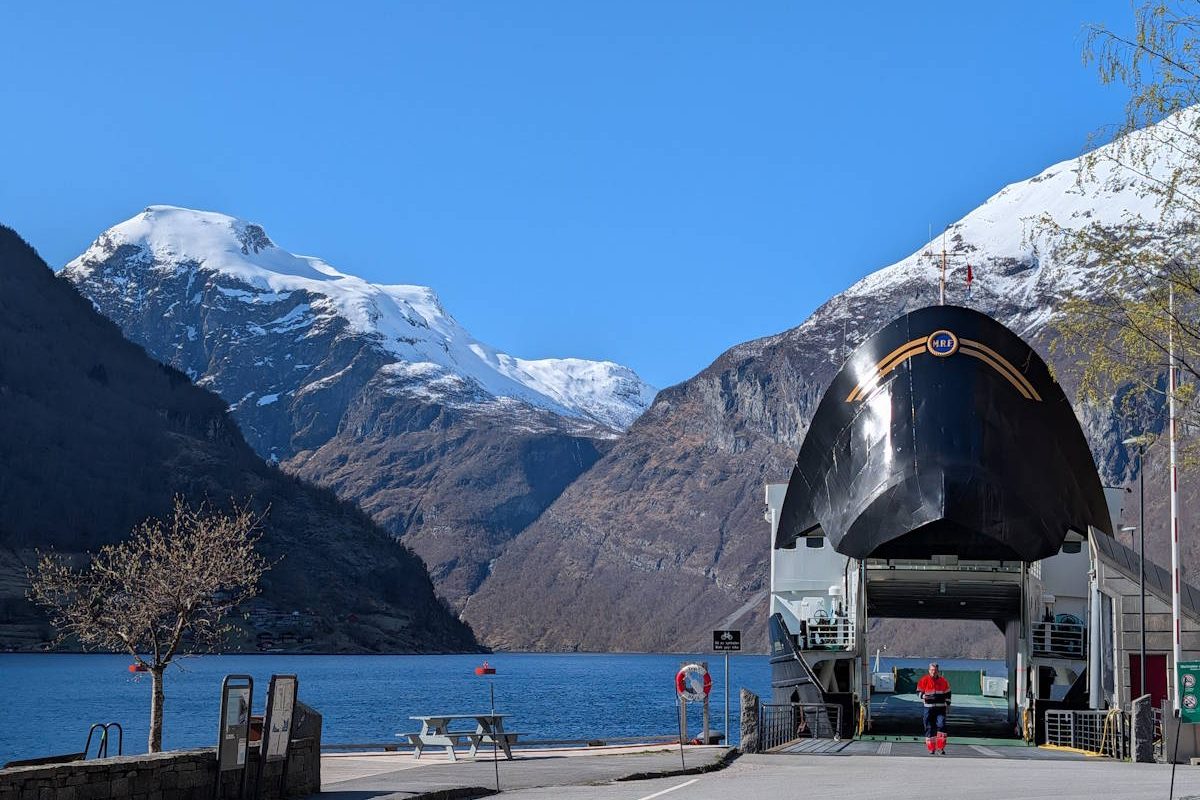
Where: the same places as everyone else, but at the right times! In the north, Tromso and Senja are surprisingly quiet outside the winter high season, even in summer. In the fjords, the rule is simple: avoid July and August. I loved April, absolutely no one on the roads.
You should know that in Norway everyone concentrates in the same few main spots. In summer, it’s the fjords (from Stavanger to Alesund) and the Lofoten Islands. A little bit of Senja, the North Cape, and that’s about it. In winter, it’s Tromso. In the shoulder season it’s Bergen and Oslo.
The rest of the country, regions that are nonetheless magnificent like Helgeland, Alta, Kirkenes, Telemark, has very few tourists. In summer, yes, because the campervans are everywhere, but otherwise, no one.
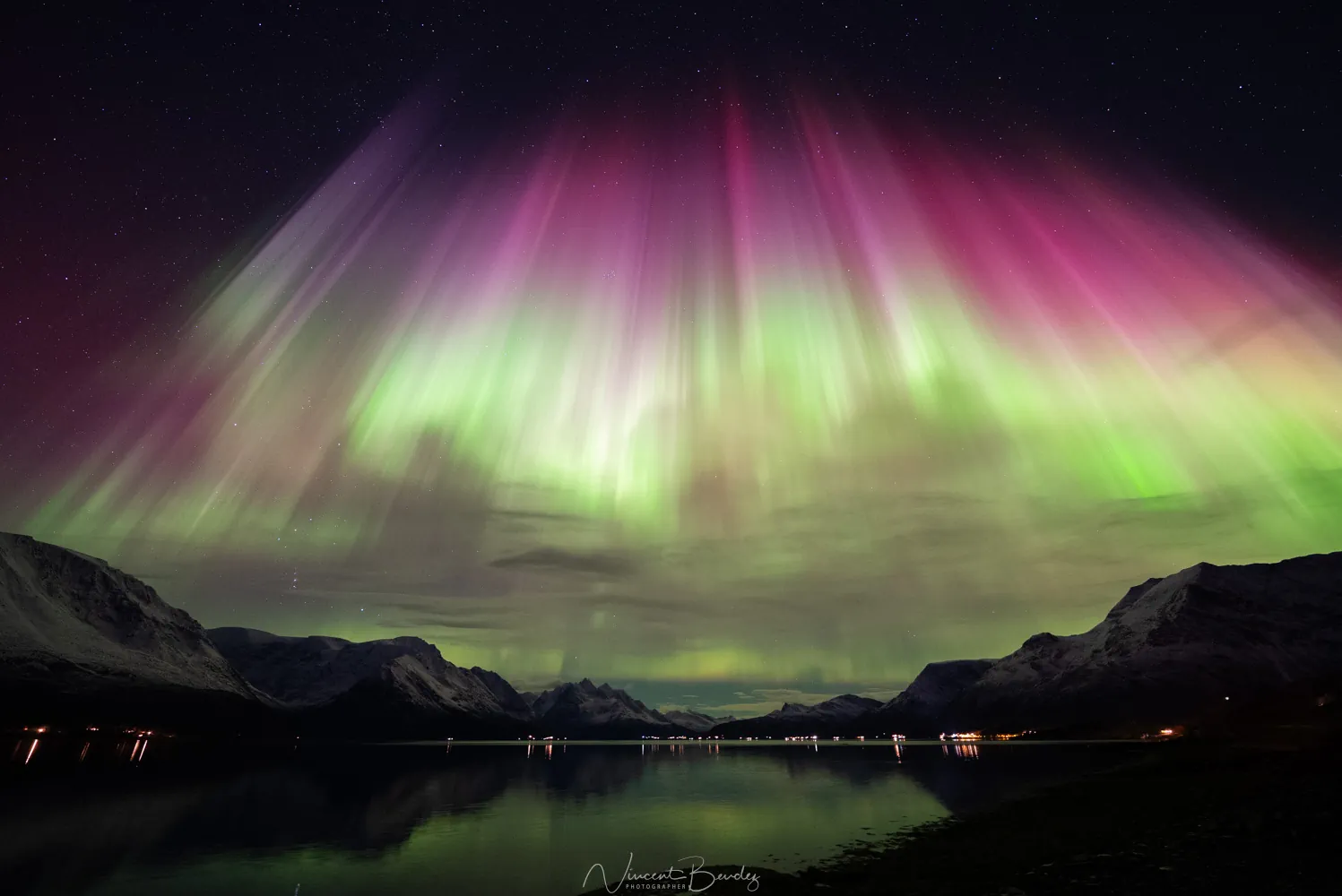
If you want the aurora with no one around, then September in Tromso, Senja, all along the north coast.
When: there are three golden windows.
- April: there’s almost no one, everywhere in the country. It’s an in-between time (less snow, more aurora) but nature is beautiful and you’ll have no trouble finding accommodation
- May: nature explodes, the waterfalls are at their peak, and prices stay gentle
- September-October: my favourite time. The autumn colours, the first auroras, and prices cut by half or two-thirds in the north
Honestly, if you don’t need the snow, these three windows are the best deals in the country.


You want to do snow activities
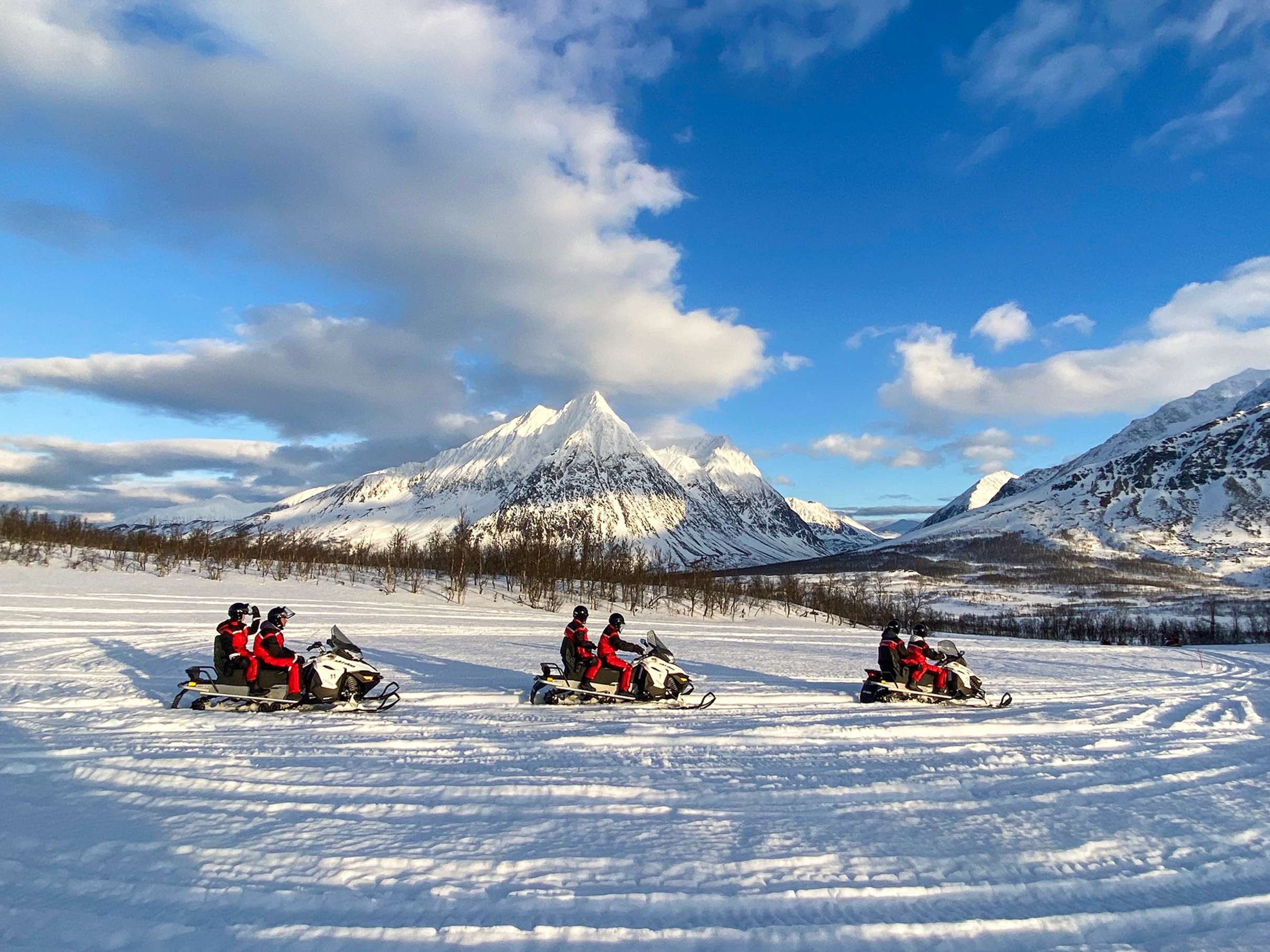
Where: the north, mainly out of Tromso, where you’ll find all the winter activities:
- Dog sledding, the must-do
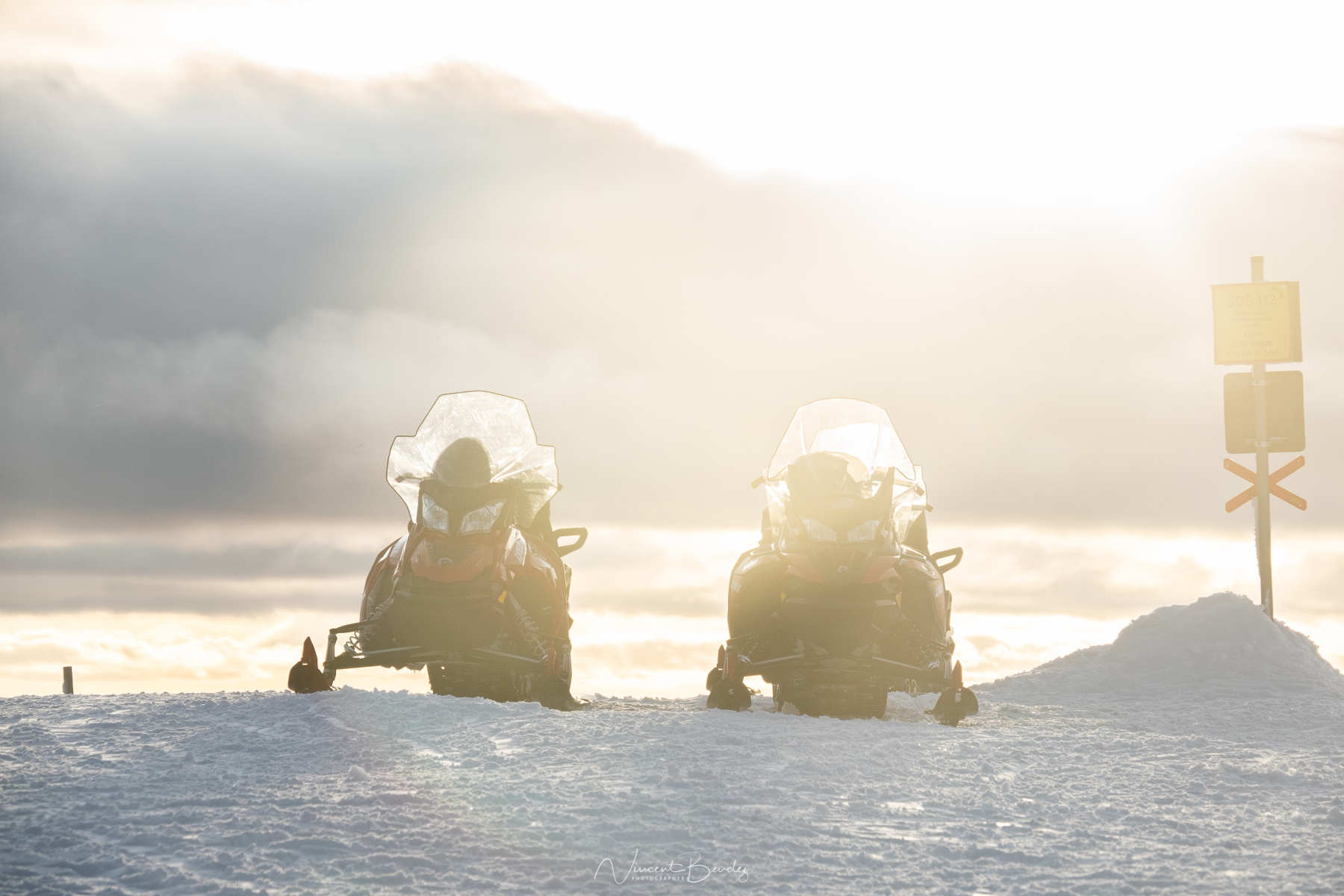
- Snowmobiling
- Cross-country skiing and snowshoeing, two star activities among Norwegians
- The reindeer on a Sami farm
The agencies are set up in valleys where it snows more than average, like Tamokdalen, the Lyngen Alps or Breivikeidet, which makes things a lot more reliable.
There’s also Alta, which is nice with plenty of activities, very good weather and far fewer people (because the scenery is noticeably less spectacular, but still!). You can also find aurora agencies, dog sledding or snowmobiling, with the added bonus of Sami culture and history.
In the Folgefonna, not excessively far from Bergen, you also have glaciers and plenty of snow to do all these activities!
Finally, I really have to mention Lillehammer, which hosted the Olympic Games and therefore has its share of snow and activities; it’s a must if you’re in Oslo.
When: as soon as there’s enough snow, generally from November to early April. But the best period is from February to April: the snow is reliable and the days are finally long enough to enjoy it fully.
For example in Tromso, March is generally the month with the most snow. But let’s be clear: snow is the most unpredictable element of the trip. Sometimes it arrives late (end of December), sometimes very early in October, sometimes it melts in a big thaw before returning two weeks later. With climate change, up there we mostly have more uncertainty. There’s still plenty of snow, but it’s less stable.


You want to see whales and orcas
Where: exclusively on the north coast. You have three options:
- The Vesterålen Islands, at Andenes: the only place in Norway where you can see whales all year round, thanks to the Bleik trench, an underwater chasm that drops to more than 2,000 m and where sperm whales come to hunt
- The coast between Skjervøy (out of Tromso) and Alta: for the orcas and whales that follow the herring
- The Lofoten Islands, out of Henningsvaer
A little tip: from Alta, no need for a 3-hour drive like from Tromso, the cetaceans are right there in the Altafjord. And there are far fewer people. Super convenient.
When:
- All year round in the Vesterålen Islands
- From late October to late January between Tromso and Alta. It’s not fixed: one year they left on February 8, the next on January 25
- From March to September in the Lofoten Islands
And there’s something new in the Lofoten: whales and especially orcas are spotted there part of the year, and a tour has recently been set up to go and see them. It’s still very fresh, but it’s worth a look if you’re in the area.
Be careful, though, at Andenes: the wind regularly cancels the trips, so don’t bet everything on a single day.
- All the details are here: where to see whales and orcas in Norway.


You want to travel Norway without breaking the bank
Where: the north is excellent ground for good deals, provided you aim for the off-season. In Tromso, for example, accommodation prices are cut by half or two-thirds from April to September compared with the winter high season. In the fjords, April and May aren’t especially expensive. But there you’ll need to watch out for car rentals in Tromso in summer: even if accommodation is cheap, the cars can sting.
When: avoid the two peaks.
- January to early March in the north: it’s the biggest tourist period (aurora + snow), prices skyrocket and everything fills up very fast
- July and August everywhere in the country: the absolute peak
- bank holidays and short school breaks for Oslo and Bergen: these are perfect cities for 3-day stays
The best budget windows are therefore September-October, April, May, and, surprisingly, summer in Tromso: as everyone heads off to the Lofoten and the fjords, the city stays uncrowded and prices are fairly low while nature is magnificent.
On the transport side, coming to Norway by ferry can also lighten the bill, and remember to look at how to pay in Norway to avoid bank fees.
One warning, though: in the north during peak aurora season, even normally affordable hotels climb very fast. You have to book really early.
If you want to see the northern lights without breaking the bank, then it’s simple:
- you come in September
- you rent a car well in advance
- and you stay either in town (the hotels slash their prices) or outside (there are few people, so there’s plenty of choice)

Norway month by month
Now let’s tackle the problem the other way round. If you already have your dates, or if you’re hesitating between two months, here’s what each month really has in store for you: what you’ll be able to do, where to go, and why.
Also, you’ll notice that I say very little about Bergen and Oslo. Why? Because these two cities can be visited all year round!
- Bergen: you can enjoy the fjords around it pretty much any time (like going to Flåm), on top of the lovely city itself
- Oslo, a very pleasant city but with lots of indoor sights, so if the weather’s nice it’s great with the waterfront, and if not, you’ve got the museums!

Going to Norway in January
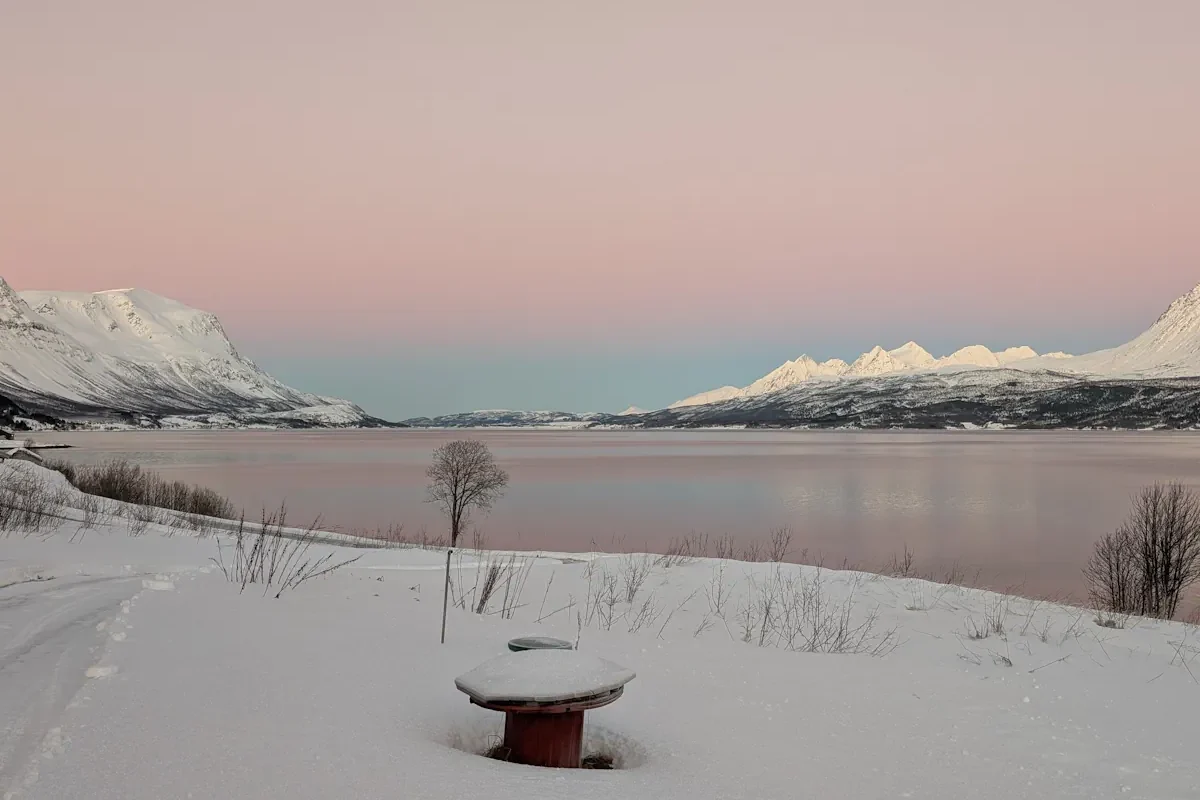
January is the heart of the Arctic winter. It’s also the coldest month, and therefore often the one with the driest and clearest skies. And for the northern lights, that’s a real advantage. In return, daylight is scarce: the polar night in Tromso officially runs from November 27 to January 15.
What you can do: hunt the aurora, go dog sledding, snowmobiling, and see the whales and orcas that are still on the north coast until the end of the month.
The best places: Tromso as a base camp, with everything within reach. Senja and Alta for the quiet and often more stable skies.
The downsides: the days are very short, so you have to be efficient to enjoy the landscapes. And in Tromso, accommodation prices are at their highest.

Going to Norway in February
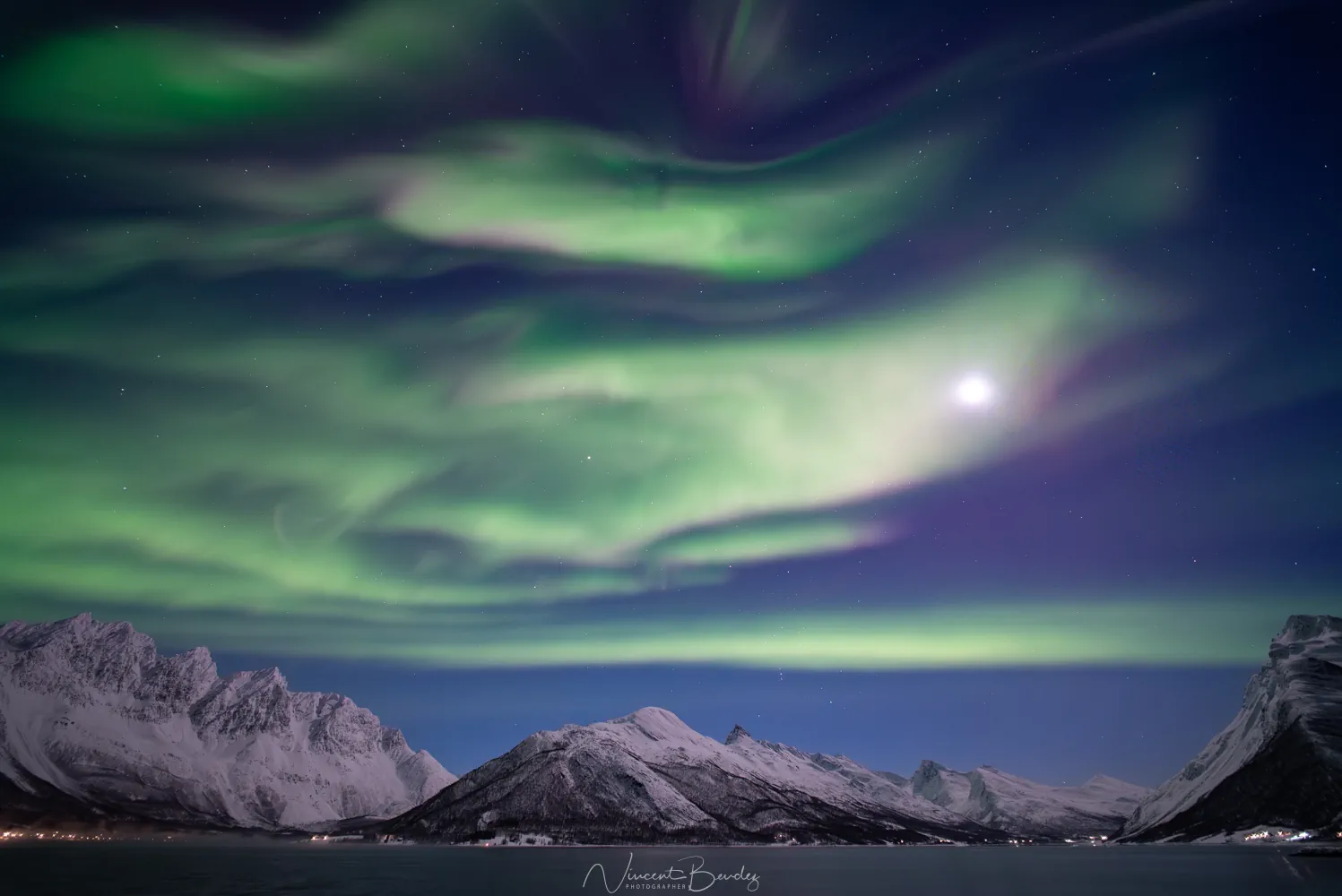
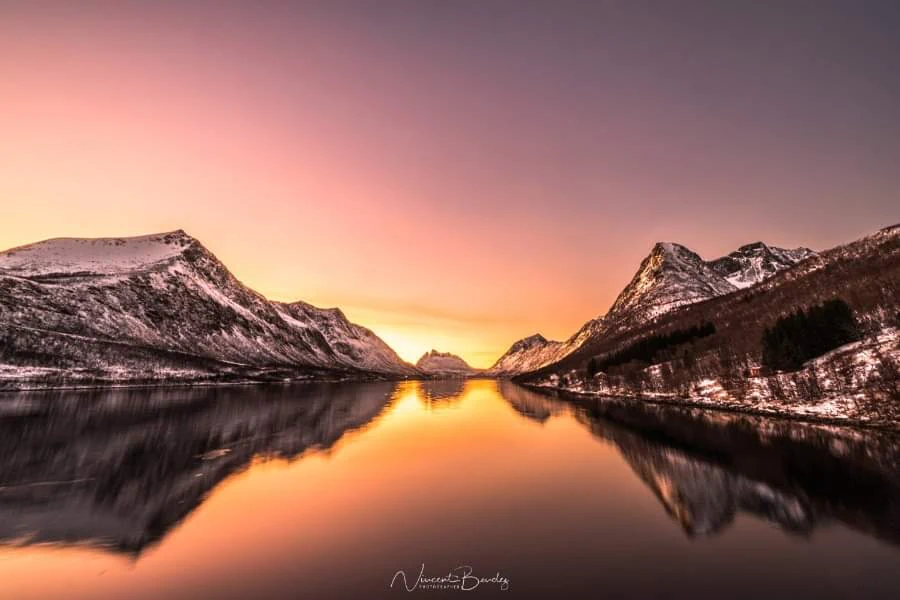
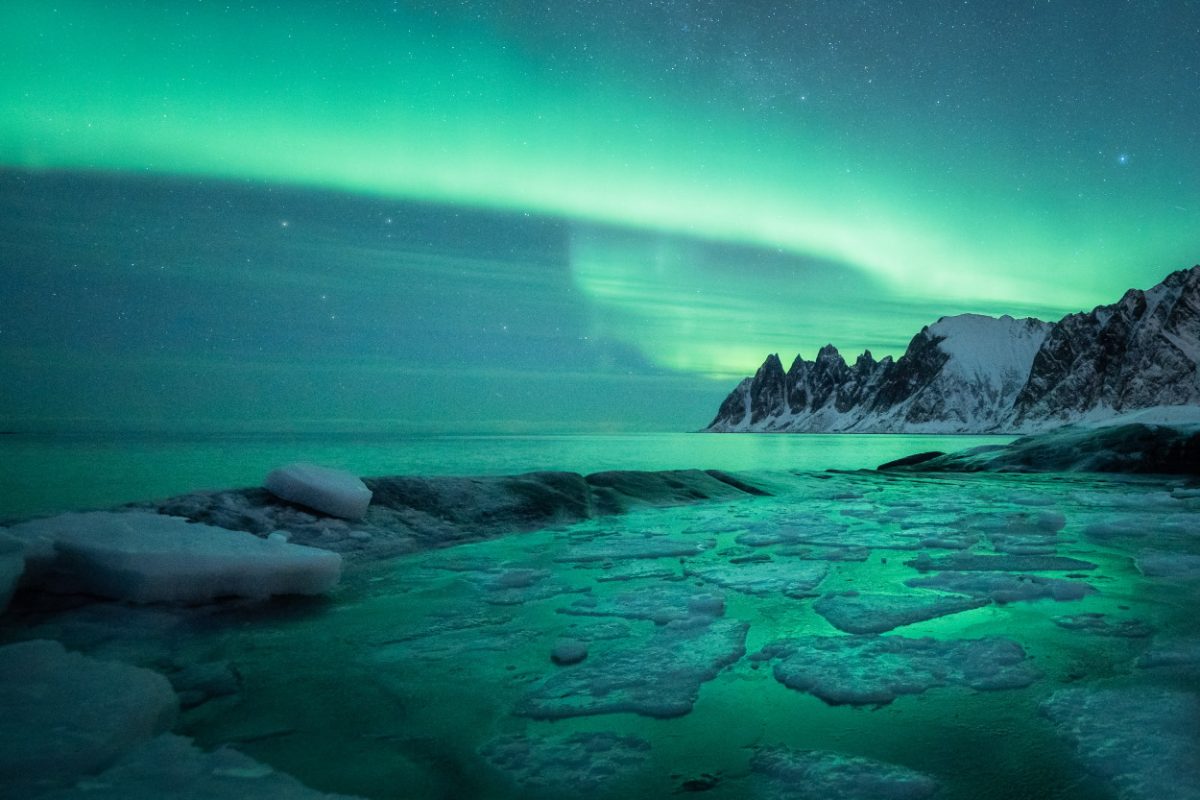
February is one of my favourite months in the north. The light returns gently, subtle at first but you feel it, and the snow is well established. The sky is often more stable than in the depths of winter: it’s the best compromise between nights long enough for the aurora and days long enough for the activities.
What you can do: cross-country skiing, snowshoeing, dog sledding and snowy landscapes by day, northern lights by night. The perfect combo.
The best places: Tromso and its surroundings, but especially Senja and the Lofoten (unlike January), where the snow and the reflections on the fjords create magnificent scenes for photography.
Why I love it so much: you get all the drama of winter without the oppressive darkness of January. The only downside is that it’s the high season in Tromso, so book early.
What to do in Norway in March
March offers a fairly rare balance: still plenty of snow, but days that are already nice and long. Days and nights approach equilibrium, which makes it a very comfortable month.
What you can do: absolutely everything winter-related, at full throttle. The aurora stays excellent until the end of the month, before the nights become too short. The longer days let you spend a whole day outside without the darkness chasing after you.
Big weekends in Oslo or Bergen become enjoyable and you can make the most of the fjords on a day trip.
The best places: the north, always. Tromso, Senja, the Lofoten, Alta. The colours are superb at this time of year.
The downsides: Tromso stays very touristy until mid-March, so accommodation is expensive. And at the very end of the month, the nights get short for the aurora. In the rest of the country, there’s absolutely no one.

Going to Norway in April
April is the transition month, and above all a real good deal: there’s almost no one, everywhere in the country.
What you can do: in the north and in the mountains, winter still holds on. There’s snow, skiing works, especially cross-country skiing (watch out for avalanches when ski touring in the Lyngen Alps) and you can even catch the last auroras in the first fortnight, before the night disappears completely. Further south, spring starts to peek through and the cities wake up.
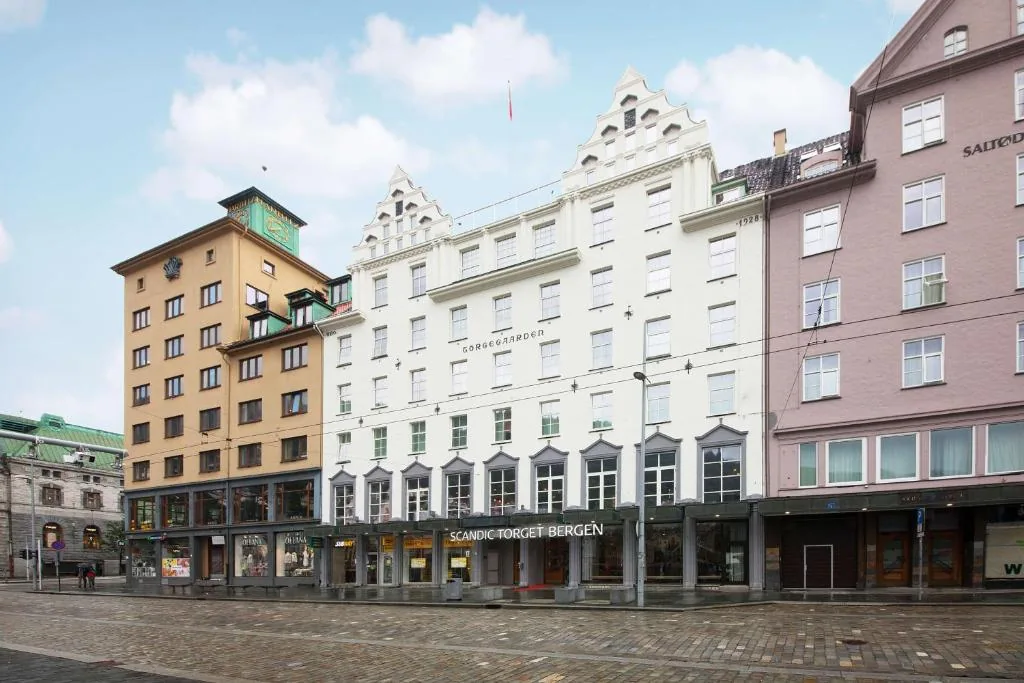
The best places: Oslo and Bergen to enjoy the cities in peace and at low prices. The north for the snow, with superb colours and nature waking up.
The thing to plan for: Easter is a huge celebration in Norway. Cabins are booked months in advance, opening hours are restricted and transport runs at a slow pace that week. Apart from that, it’s total tranquillity.
What to do in Norway in May
May is a totally underrated month, and yet one of my favourites for nature and colours.
What you can do: it’s peak waterfall season. The snowmelt swells the rivers and turns the falls into roaring spectacles. The fjords reopen, the cruises start up again for good, the low-altitude hikes become accessible once more, and the days lengthen enormously.
Now, be warned, because weather-wise, pretty much everywhere in the country but especially in the north, we’re at the height of “anything can happen”. In one week (for the national day), we had bright sun with 20 degrees, rain, a snowstorm…
The best places: the western fjords region with Bergen as a base, the Nærøyfjord, Flåm and its train. You can very easily go all the way up to Alesund via Geiranger, because the main roads (but not the panoramic ones) are open.
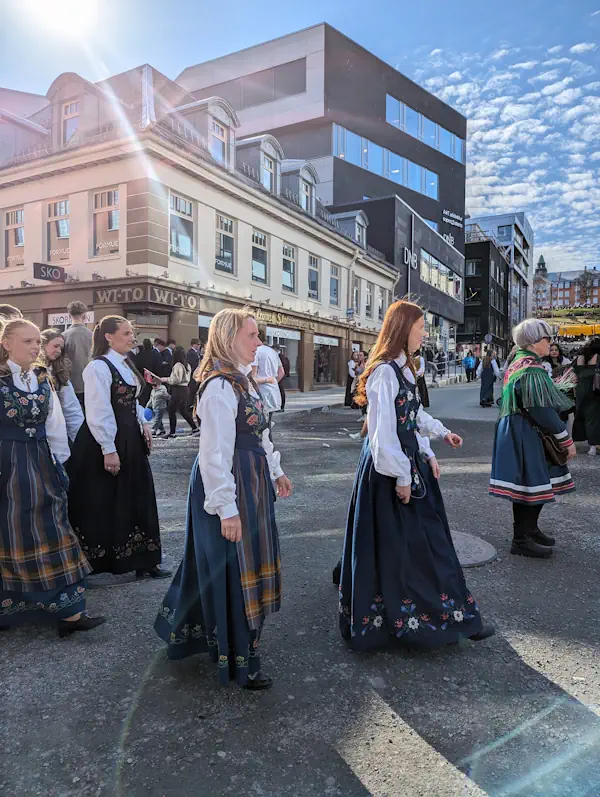
The little bonus: if you’re there on May 17, the national day, you’ll have a unique cultural experience. Parades, flags, traditional costumes, and unusually exuberant Norwegians. Really lovely (we saw it in Tromso), festive, great atmosphere and no burnt cars. That makes a change! Of course no fireworks, since it no longer gets dark.
Why May: nature at its peak, few people, and still-gentle prices.

Going to Norway in June
June marks the real start of summer, and it’s a super interesting month.
What you can do: the mountain roads reopen at last after winter, so road trips in the fjords become possible.
In the north, the midnight sun settles in: in Tromso, the sun no longer sets from late May to late July, with the solstice on June 21 as the longest day. Hiking, kayaking, cycling, everything is open. And the mosquitoes are waiting for you eagerly!
The best places: the Lofoten under the midnight sun, the Atlantic Road, and the western fjords. No. In fact, absolutely everywhere is a good place because everything is open and there aren’t many people. So all the ultra-popular hikes (Preikestolen, Reinebringen…) are empty or almost.
Why June is smart: the first fortnight is still quiet, before the big rush. You get summer conditions without the crowds or the July prices. Do still remember to check the closed roads; some only reopen in late June depending on snow cover.


What to do in Norway in July
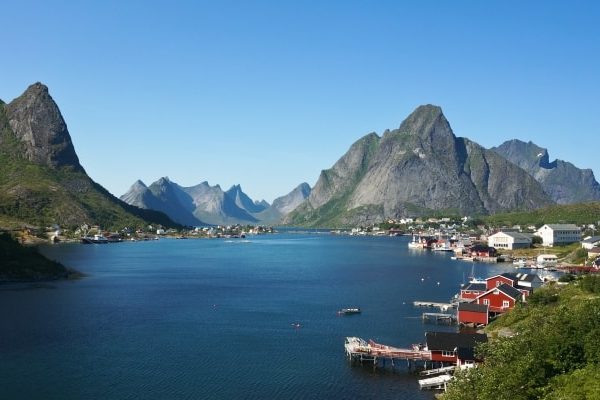
July is the great classic tour. The weather is at its best, everything is open: roads, ferries, trails, attractions, and the midnight sun is at its peak in the north.
But let’s be honest: it’s also the start of peak crowds and prices, especially in the fjords and the Lofoten. You won’t be alone at Geiranger or at the most beautiful Lofoten spots. The campsites are full, and you have to book several months in advance. Really.
A curiosity worth knowing: while the tourist attractions run at full tilt, some local services slow down because the Norwegians are themselves on holiday.
The trick: Tromso and the Far North stay quiet and affordable in summer, because everyone heads for the Lofoten and the fjords. If you want summer nature without the crowds, that’s where to go. Here are some ideas for Norway in summer.


Going to Norway in August
August starts in the middle of summer then gradually calms down. After the second week, local tourism ebbs (Norwegians go back to work, children go back to school) and the weather stays pleasant, especially in the south.
What you can do: it’s an excellent month for combining cities and fjords. The fjord cruises are ideal, the hikes are at their best, and cultural festivals fill the calendars.
The best places: Bergen is very touristy, Ålesund and Trondheim are lively without being overwhelmed. And the western fjords, obviously.
Honestly, it’s hard to tell you where to go in August because everything will be great, and the fjords and the Lofoten will be the busiest.
The detail that matters: in late August, the night finally returns in the north and the very first auroras reappear. If you aim for the end of the month in Tromso, you can combine summer nature, cheap accommodation and the start of the aurora season. Not bad, right?

What to do in Norway in September
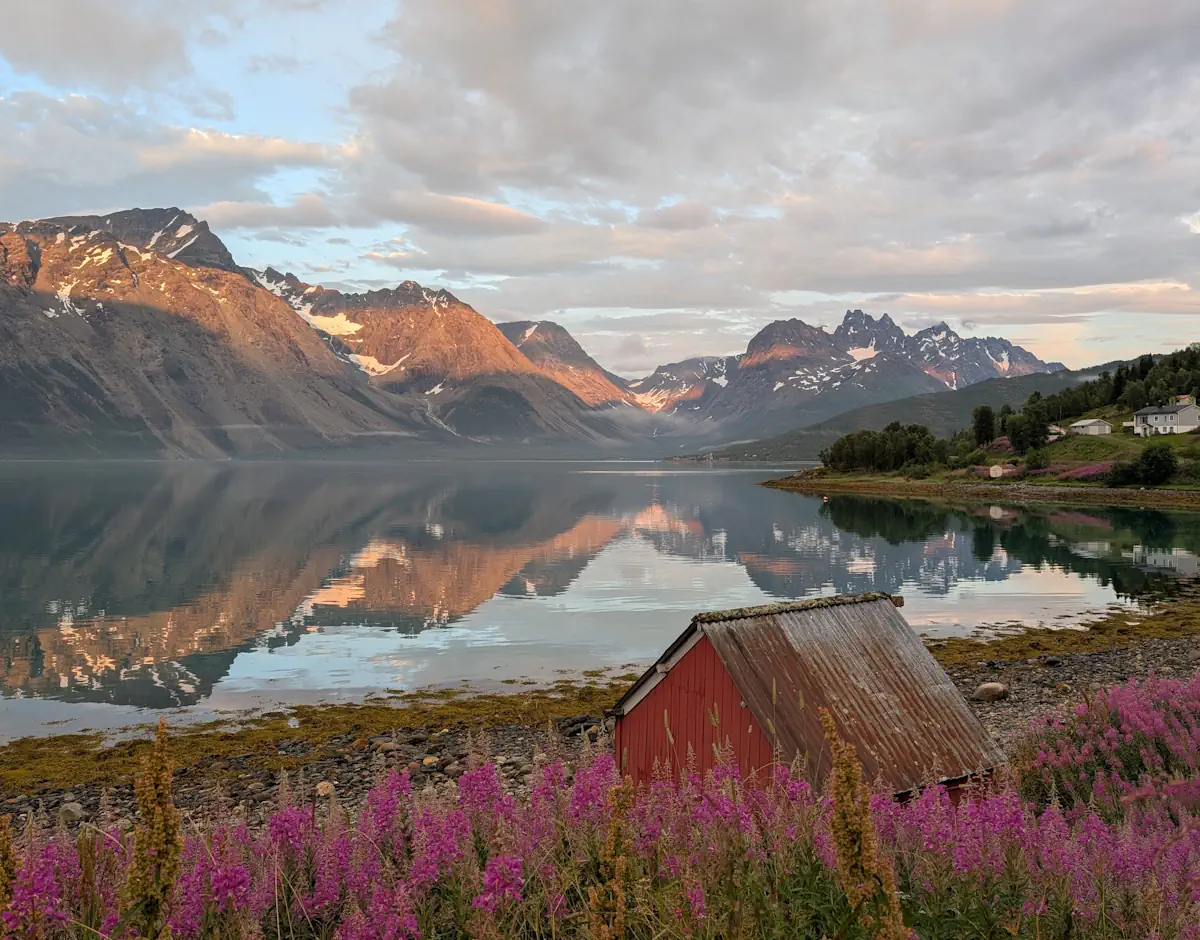
I love September. Really. And yet this month isn’t touristy at all. Go figure. OK, fine, people are working, the children are at school, there are no holidays. Bliss!
What you can do: it’s the month of autumn colours, the mountains turn gold and red, especially in the north and at altitude. And above all it’s the great return of the northern lights, with a sky often clearer than in the depths of winter. You can still hike perfectly well, the air is crisp, and the light is splendid for photography.
The best places: the north (Tromso, Senja, the Lofoten) to combine colours and auroras. That’s exactly why Tromso is one of my favourite destinations to visit in September. Also think about a cruise, the fares are often lower.
But the fjords are also insane at this time of year! You normally have all the panoramic roads open, there’s hardly anyone left, you have all the cruises to yourself, the Flåm railway without having to rush.
Why September is an excellent choice: prices drop everywhere, in Tromso accommodation is cut by half or two-thirds compared with the high season. You combine autumn, aurora, hiking and low prices, all in peace and quiet. The only wildcard is the rain, which becomes more frequent. But hey, it’s Norway, you expect it as much as snow in winter!

Going to Norway in October
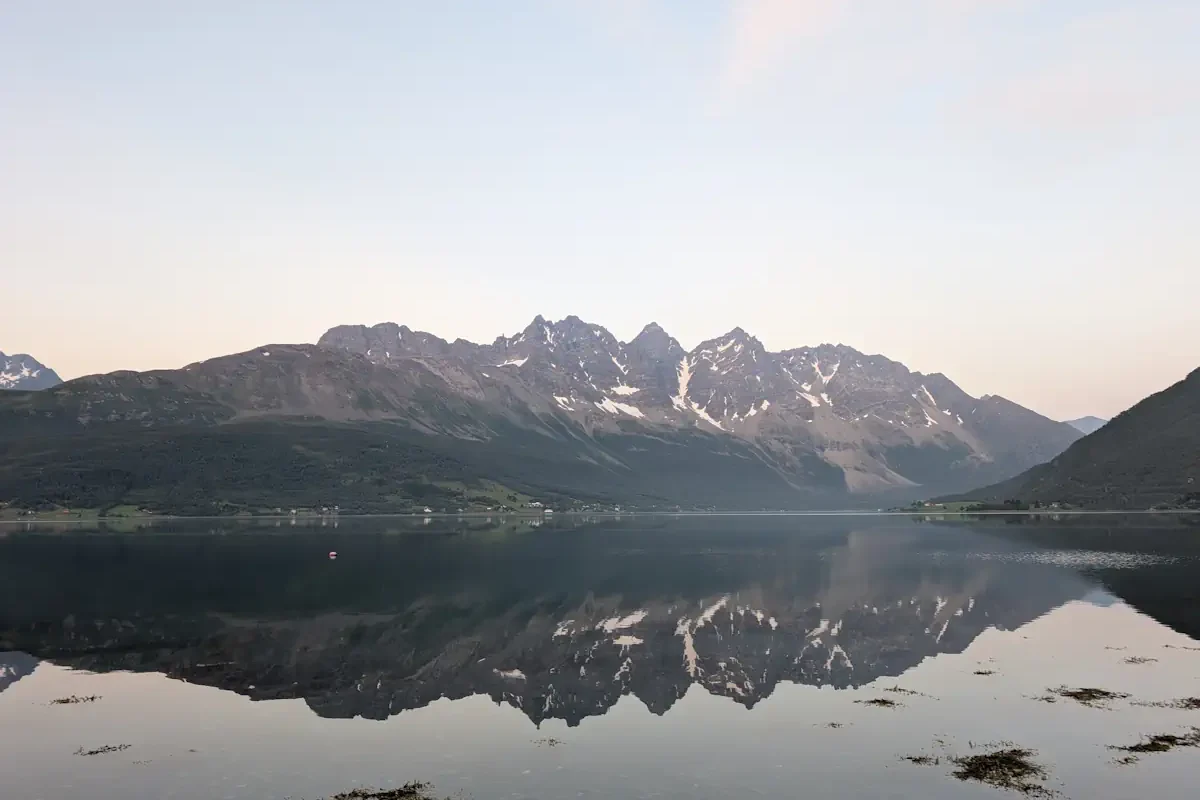
October is the Nordic vibe at its finest, in the most complete calm. We enter the in-between, with no idea which way the weather will swing.
What you can do: the northern lights season is well under way and the nights are long enough. There’s almost no one. It’s a milder month than the depths of winter, with no snow on the ground in most places (well, normally), which still allows for lovely walks (with crampons if it freezes).
The best places: almost everywhere, the playground is still vast and there’s no one left in the fjords or the Lofoten. Tromso and Senja are great for the aurora. Trondheim, Ålesund or Bergen for the autumn atmosphere, the misty mornings and the golden trees.
The downsides: the rain, especially on the west coast. Plan for proper waterproof clothing, you’ll need it. Snow will fall on the high plateaus, and you risk road closures at rather short notice. The days are relatively short in the north but it’s fine.
Why October: nights long enough for the aurora, very few tourists, and that hushed atmosphere I adore. I go into more detail in my article on the northern lights in autumn.

What to do in Norway in November
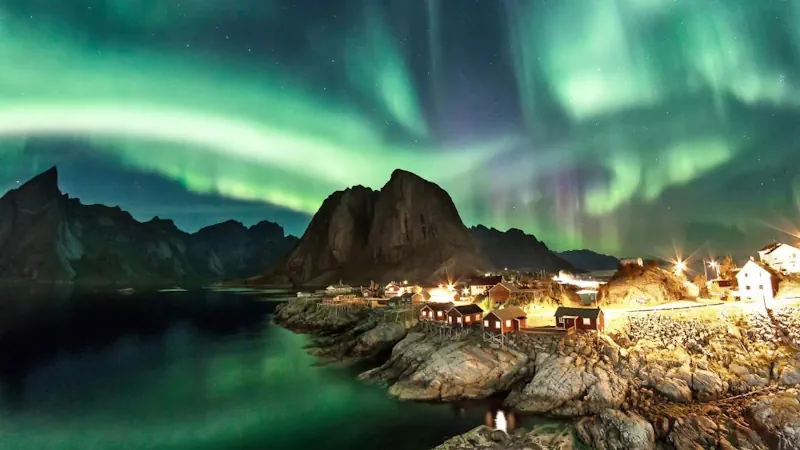
November is the great return of the aurora + whales duo. In the north, the polar night is approaching but the aurora is very much there.
What you can do: it’s the launch of the big whale and orca season. From late October to late January, they follow the herring along the north coast, between Skjervøy (out of Tromso) and Alta. Dog sledding starts as soon as there’s enough snow. And in early November, there’s still a bit of light and sometimes some sun.
The best places: Tromso to combine aurora and whales. Andenes and the Vesterålen, where whales are seen all year round thanks to the Bleik trench. And Alta, where the cetaceans are right there in the fjord, without a 3-hour drive.
So at this time of year, I mainly recommend the north (Tromso, Senja). Some visits to Oslo and Bergen too, but much less to the fjords and the Lofoten, because with the weather and the short daylight, it risks being complicated.
The downsides: the light disappears very fast, we lose about 15 minutes a day. The weather is more capricious. And be careful, Tromso stays expensive: the tourist high season starts as early as the beginning of November.
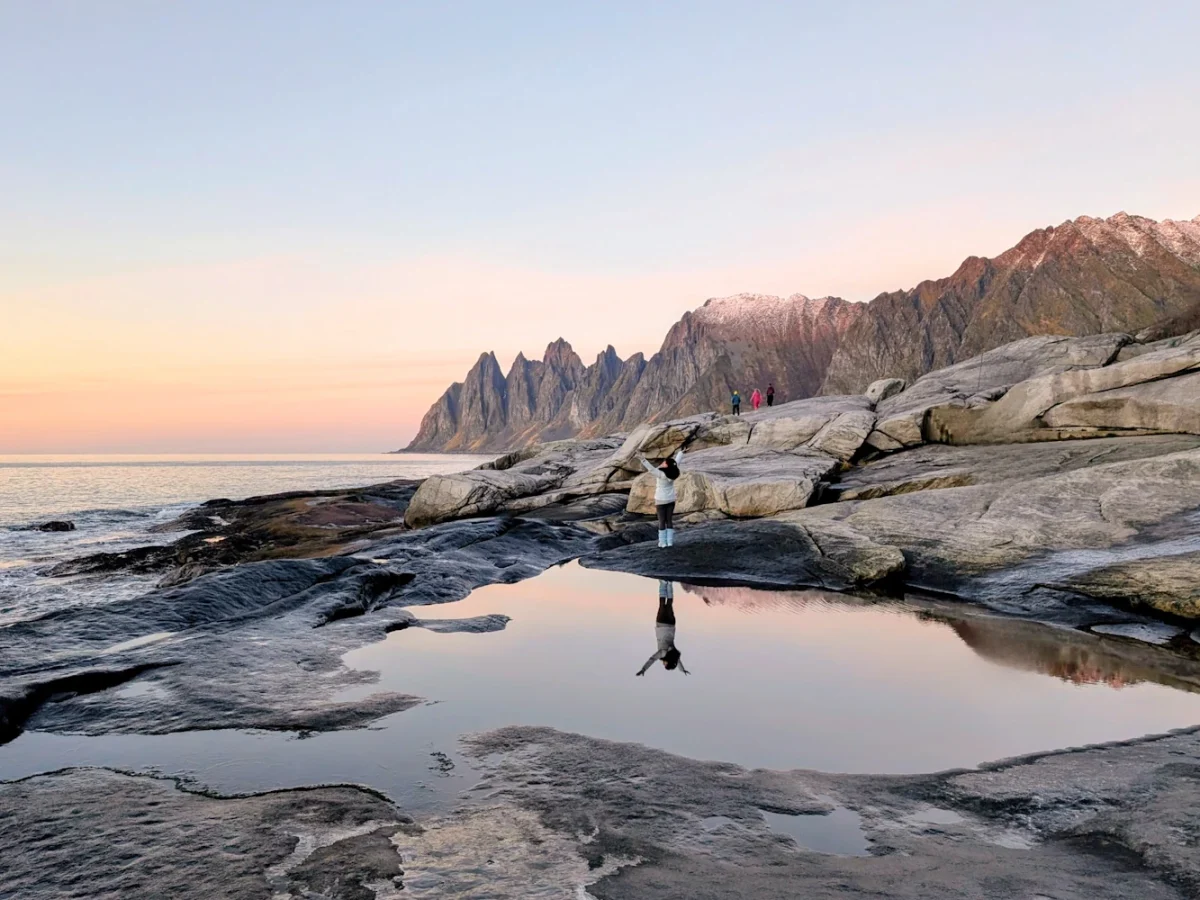
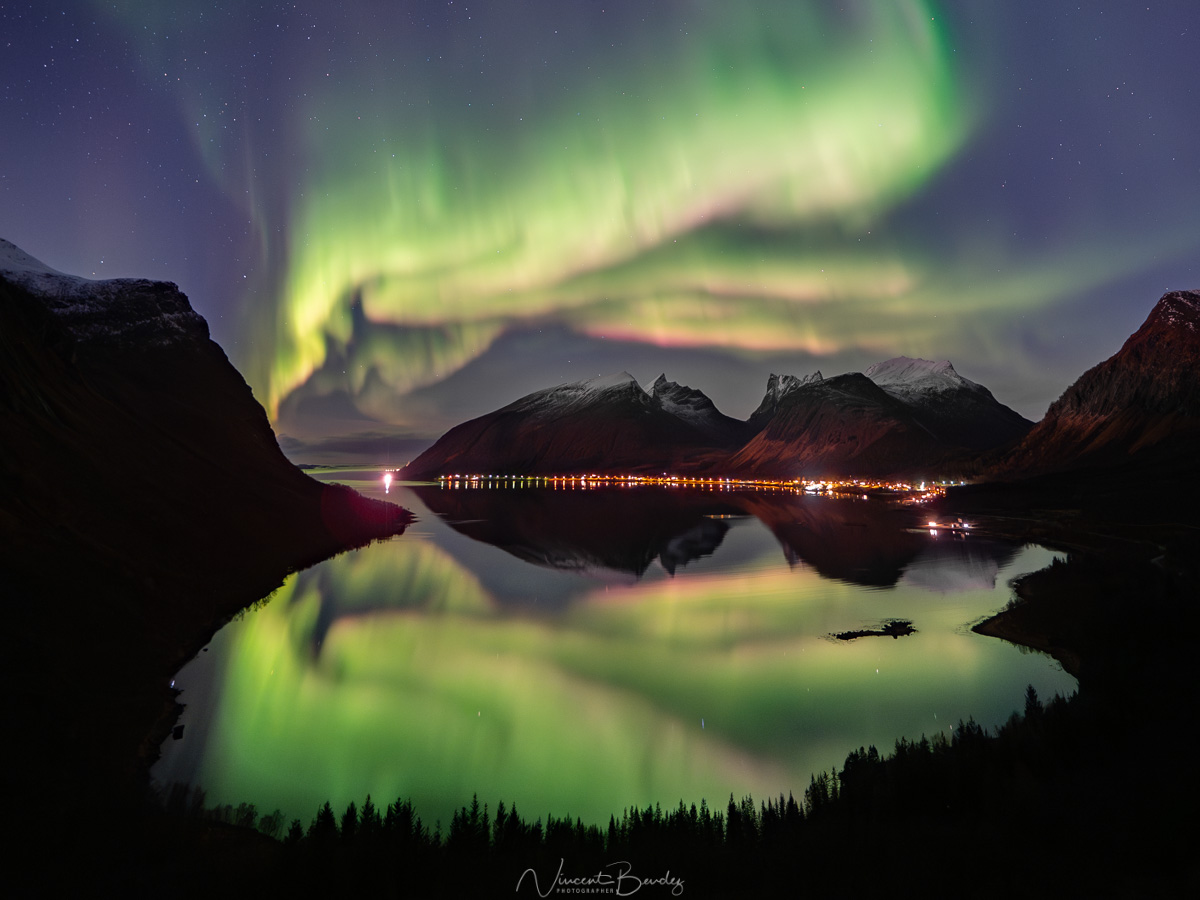

Going to Norway in December
December plunges Norway into its deepest winter. These are the longest nights of the year, often cloudy, and snow becomes more and more frequent in the north and inland.
It’s a favourite time to come to Tromso and the north, during the Christmas holidays. So there are crowds and prices are higher. But it’s lovely!
What you can do: the northern lights of course, and all the snow activities. Since it’s the polar night (don’t forget that, it’s surprising), the days are super short, very little light, little time to enjoy the landscapes. It’s special, it’s fun and it makes you want to have your evening drink earlier.
The best places: Tromso, of course, to combine aurora and snowy landscapes.
The point to absolutely plan for: between December 24 and New Year, the country runs at a slow pace. Many shops, restaurants and agencies close, and transport runs on reduced schedules.
Why December: an intense, magical winter atmosphere, provided you manage the end-of-year closures well.
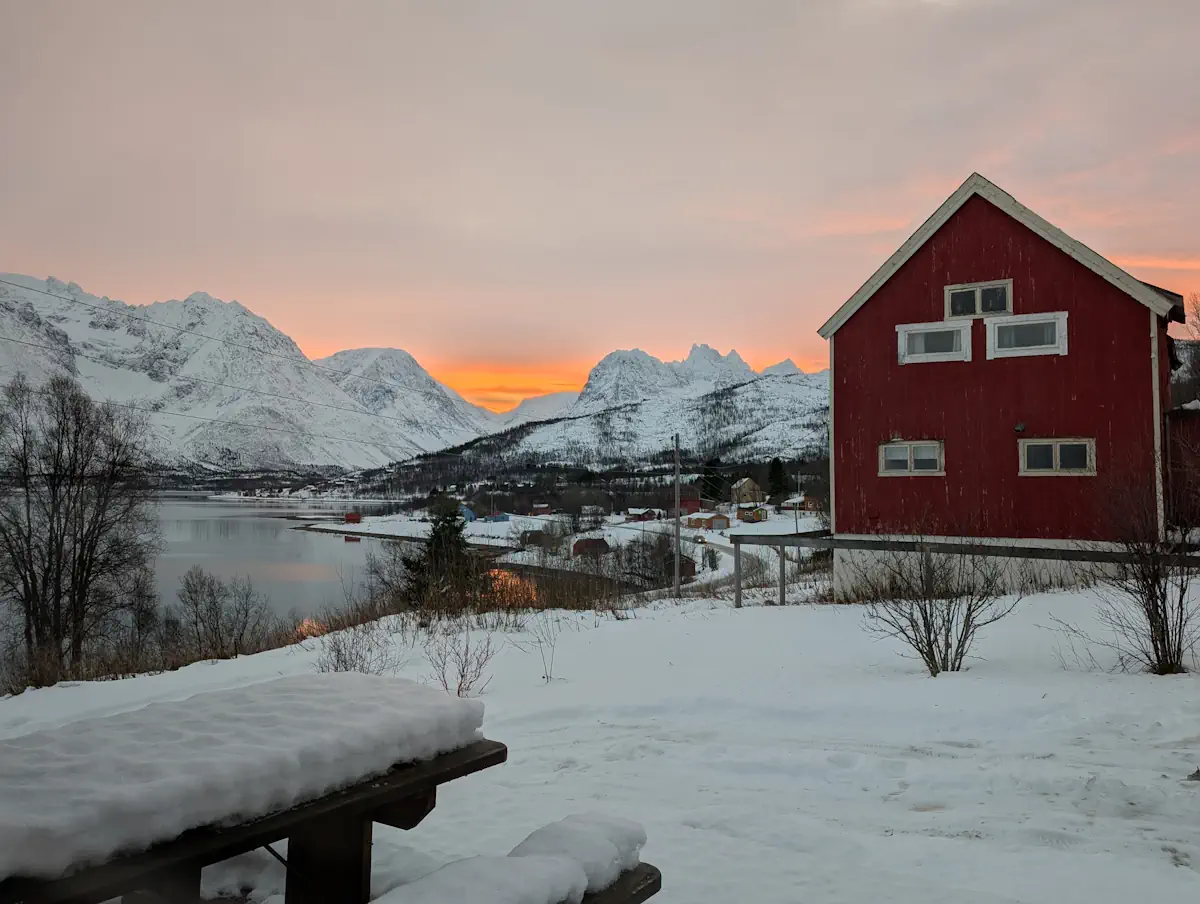
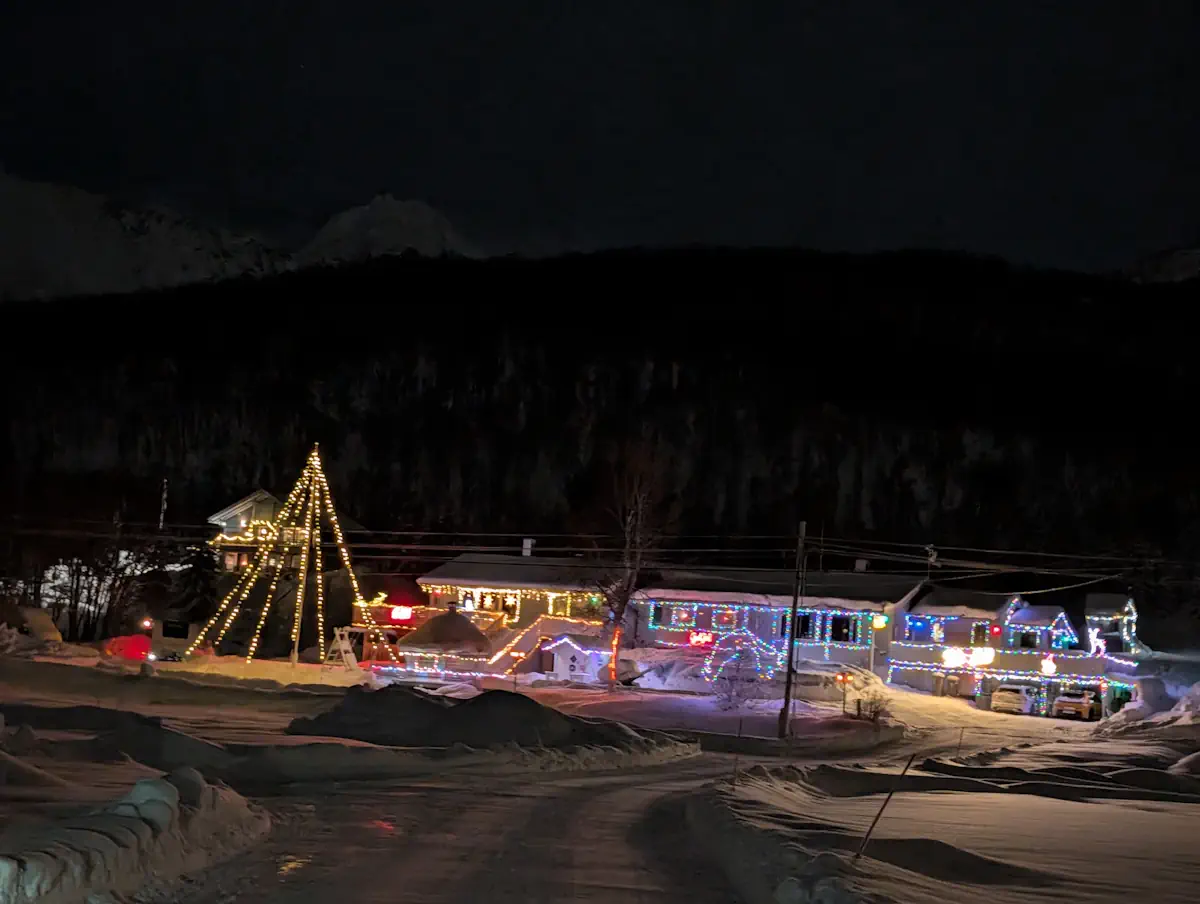
So, when should you go to Norway?
As you’ll have gathered, it all depends on you. But if I had to sum it up in a few lines:
- You want the aurora and the snow: February-March, without hesitation. It’s the best compromise, but book early and budget for it
- You want the aurora without breaking the bank: September-October. The colours, the calm, and prices cut by half or two-thirds
- You want the fjords and the hikes: from May to September, with a preference for June or September to avoid the crowds
- You want the midnight sun: from late May to late July, in the north
- You want the whales: from late October to late January between Tromso and Alta, or all year round in the Vesterålen
- You want peace and quiet: April, May, September-October
And I’ll end as I began, because it’s really the important message: there is NEVER a bad time. There will always be landscapes, always something to do, always something to feast your eyes on, always somewhere to go. And that’s what’s amazing about Norway, and why you can never quite see it all.
Also, don’t forget, Norwegian weather is unpredictable anyway: you can have a perfect sky in February and rain in July. Pack layers, stay flexible, and let yourself be surprised.
Just choose your time based on what makes you dream. The rest will follow. And if all else fails, ask me!
A few extra resources to plan your trip to Norway
Now that you know when to go, you still have to choose where to go and how to organise yourself. I’ve written quite a lot about the country, region by region, so here are the main articles that will help you build your trip:
- Everything you need to know about Norway – the pillar article, all the practical info to organise your trip from A to Z
- Seeing the northern lights in Norway – where to go, when and how to stack the odds in your favour
- Where to see whales and orcas – the good spots on the north coast and the season for each
- When to go to Tromso – the season-by-season comparison of the aurora capital
- Norway in summer – the most beautiful places in the country when the days never end
- The most beautiful places in Norway – my pick of the spots you really mustn’t miss
- What to do in the Lofoten Islands – the iconic archipelago, its fishing villages and its mountains
- Everything about Senja – my Norwegian favourite, wild and without the crowds
- What to do in the fjord region – the spectacular west, from Bergen to Geiranger
- A 2-week itinerary in the fjords – a turnkey plan so you don’t miss a thing
- Checking the closed roads in Norway – essential for planning a road trip outside summer
- Taking the ferry in Norway – prices, payment and tips to avoid getting caught out