Last updated on
What a travel planner is, and why you don’t need one for Norway
I have a feeling this article isn’t going to win me many friends 😀
A travel planner is someone you pay to organise your holiday for you. It’s not a travel agency, because they generally don’t handle the bookings: they put together an optimised itinerary and suggest activities, places to see and where to stay.
Basically, you’re paying this person to do your research for you. Which, I’ll admit, can be a pain sometimes (well, I love it, hence this website).
So here’s my point: why pay someone who has access to the same information as you?
Why pay someone when everything about Norway is right here on this website, and when, unlike a travel planner, I know the country inside out? Here, the info is checked, the places visited, the itineraries tested, and I roam the country up, down and, above all, sideways?
You might as well go straight to the source, meaning the info right here. And on top of that, everything you find here is free.
I’m going to give you:
- all the info on Norway
- the steps to follow
- the questions to ask yourself, because that’s how you work out where and when to go to Norway
- ready-made itineraries
- my free PDF guides
- the activities you really shouldn’t miss…
And if, with all that, you still feel something’s missing, then of course you can get in touch, and unlike a travel planner, it’s still free! No, there’s no catch.
Planning your trip to Norway step by step: the questions to ask yourself
- How to choose where to go
- When’s the best time for your trip
- which activities you want to do
- whether or not you want to see the northern lights
Step 1: choosing where to go in Norway, the north or the fjords
It’s the first question to ask yourself, and it’s often where things get tricky. Distances in Norway are HUGE, speed limits are low and road conditions can be tough. So you won’t be able to do everything. My advice: 1 week = 1 region. Don’t plan Bergen and Tromsø in the same one-week trip, you’d spend your whole holiday on the road (and anyway, you’ll be back!).
Broadly speaking, there are two big Norways.
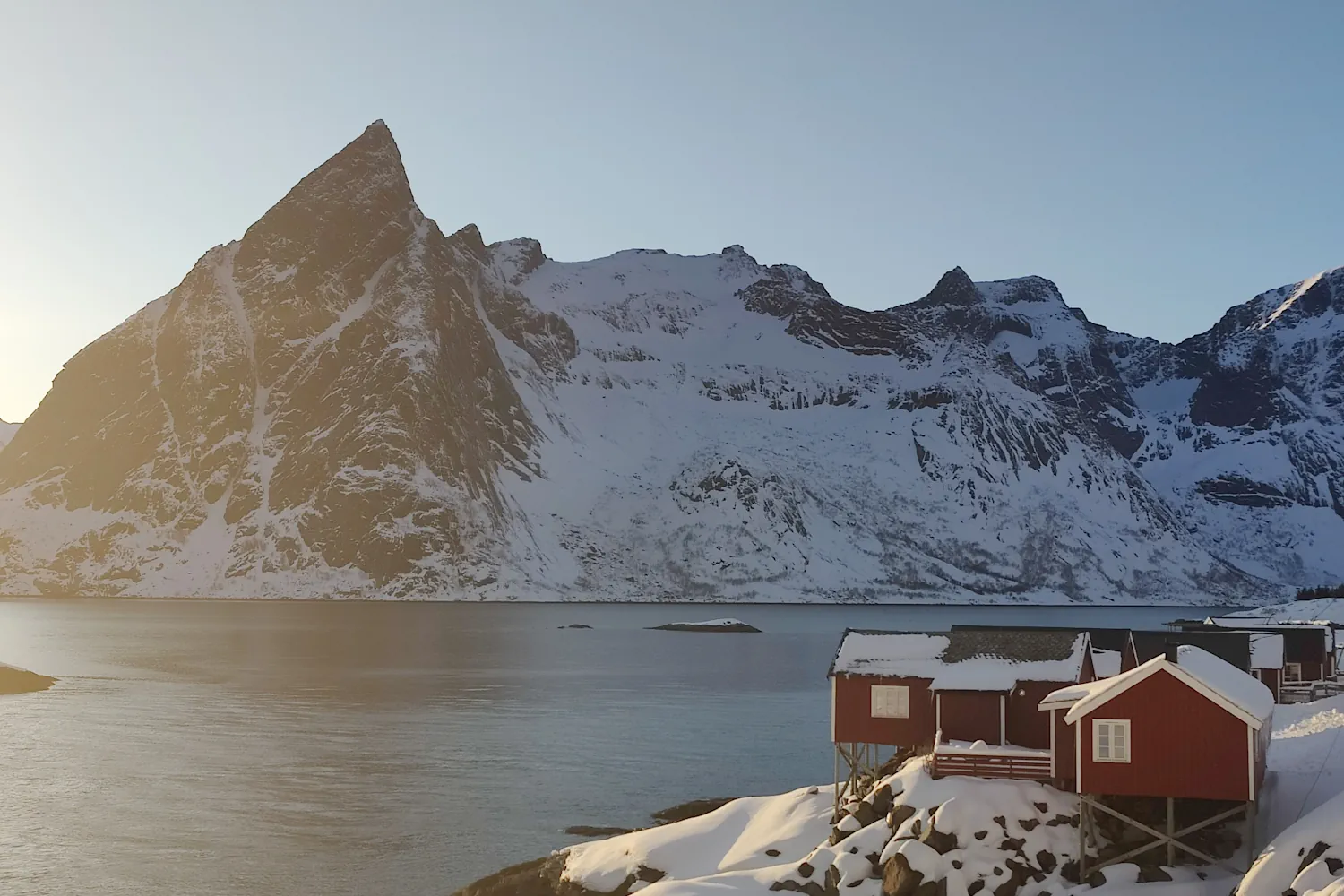
The north, above the Arctic Circle : Tromsø and the surrounding area, the island of Senja and the Lofoten Islands. Mountains rising straight out of the sea, fjords everywhere, the northern lights in winter and the midnight sun in summer. Tromsø is the safest bet for a first winter trip: a pleasant town, plenty of agencies, and dozens of spots less than an hour’s drive away. Senja is my favourite, with hardly anyone around. And Lofoten probably has the most beautiful scenery in the country (no less), with the prettiest fishing villages: Reine, Nusfjord, Henningsvær…
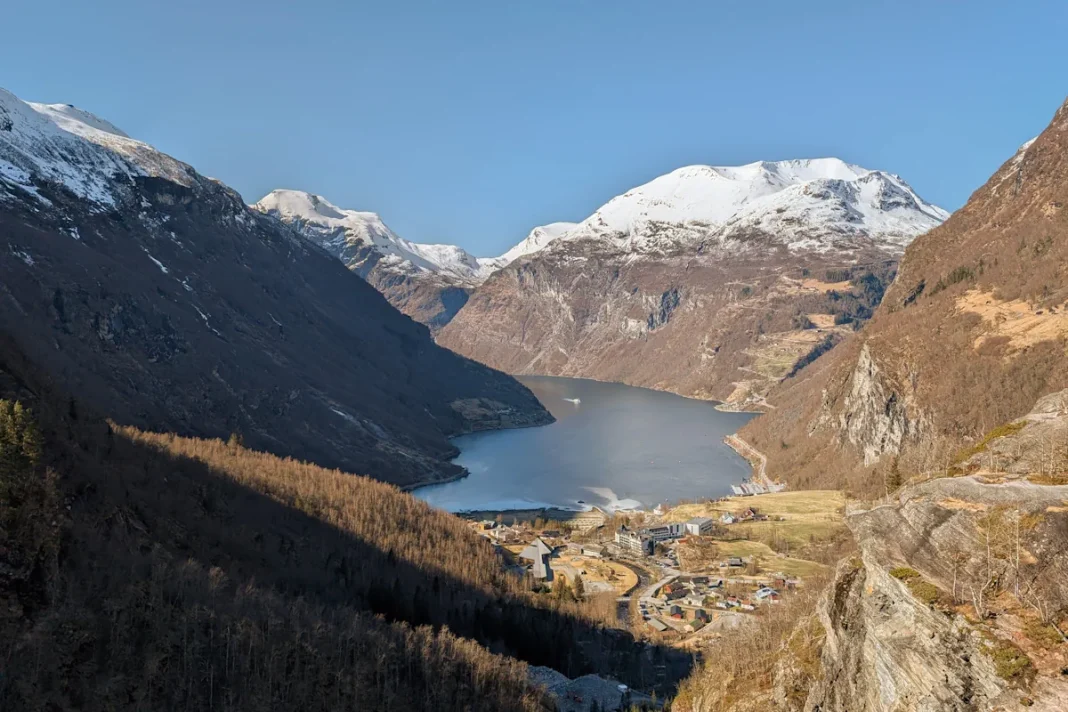
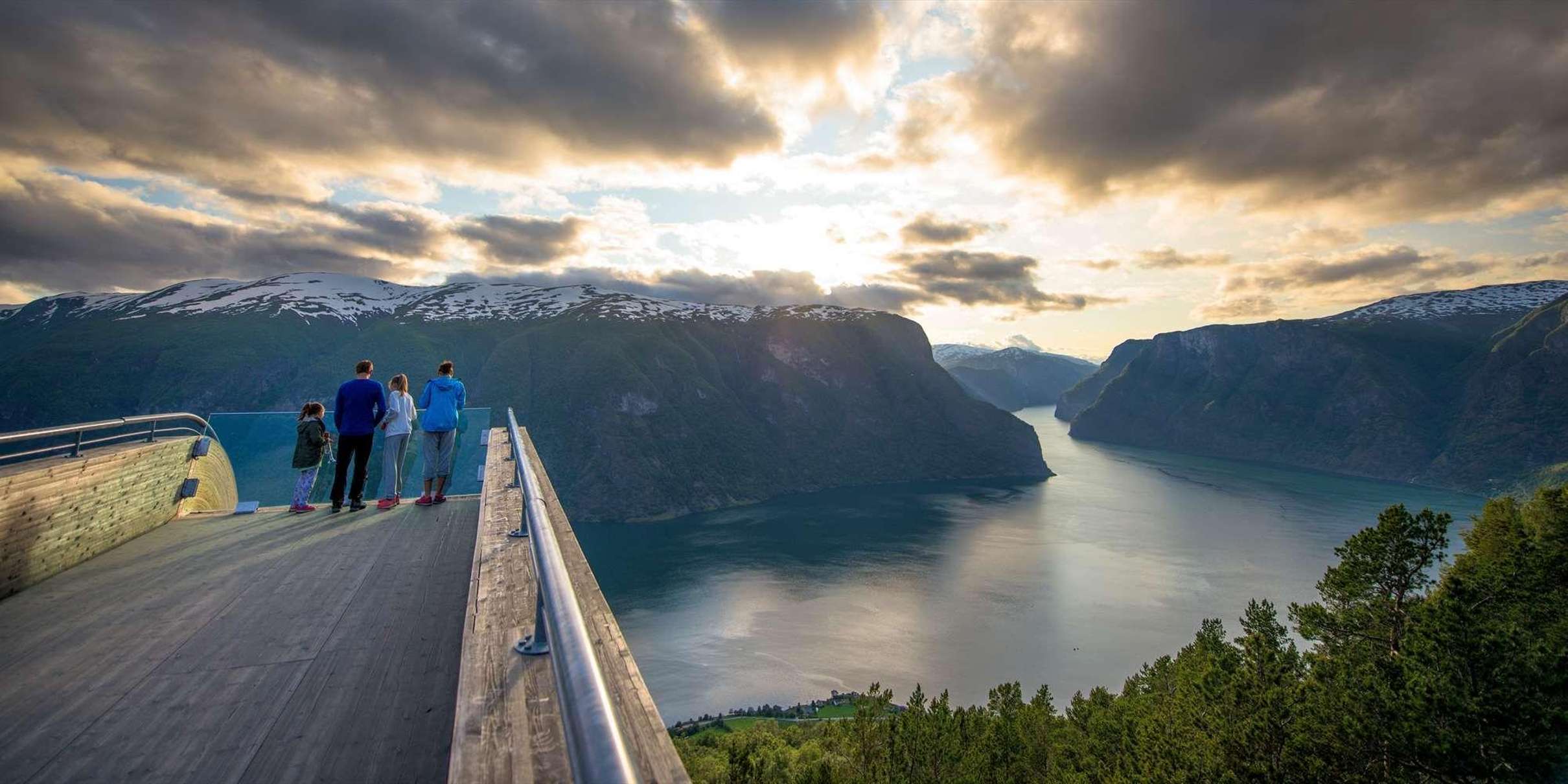
The centre and the west : the fjord region, from Stavanger to Ålesund, with the Geiranger, the Nærøyfjord, Flåm and some stunning roads. Bergen is the ideal gateway, and it’s probably the most beautiful city in the country (Ålesund gives it a run for its money). This is postcard Norway, best seen from May to September, because a lot of mountain roads close in winter. And then there’s Oslo: not a city that blows you away, but really pleasant, perfect for a long weekend or to start your trip.
For a first trip, people usually want to see the most beautiful scenery, and that’s mainly in Lofoten and the fjords. If you’re coming for the northern lights, it’s the north, no question. And if you still can’t decide, I’ve put together the most beautiful places in Norway in photos, and every region is covered in detail in my complete guide to Norway!
Mind you, the rest of Norway is gorgeous too, eh: the northern coast, the forgotten, wild Helgeland, the coast around Molde, Trondheim… So yes, the fjords and Lofoten, but don’t boil the country down to those two regions.
Step 2: when to go to Norway, summer, winter or somewhere in between
Good news: there’s no bad time to go to Norway. There are just times that suit YOUR plans better. And the season goes hand in hand with the region, which is why these first two steps go together.
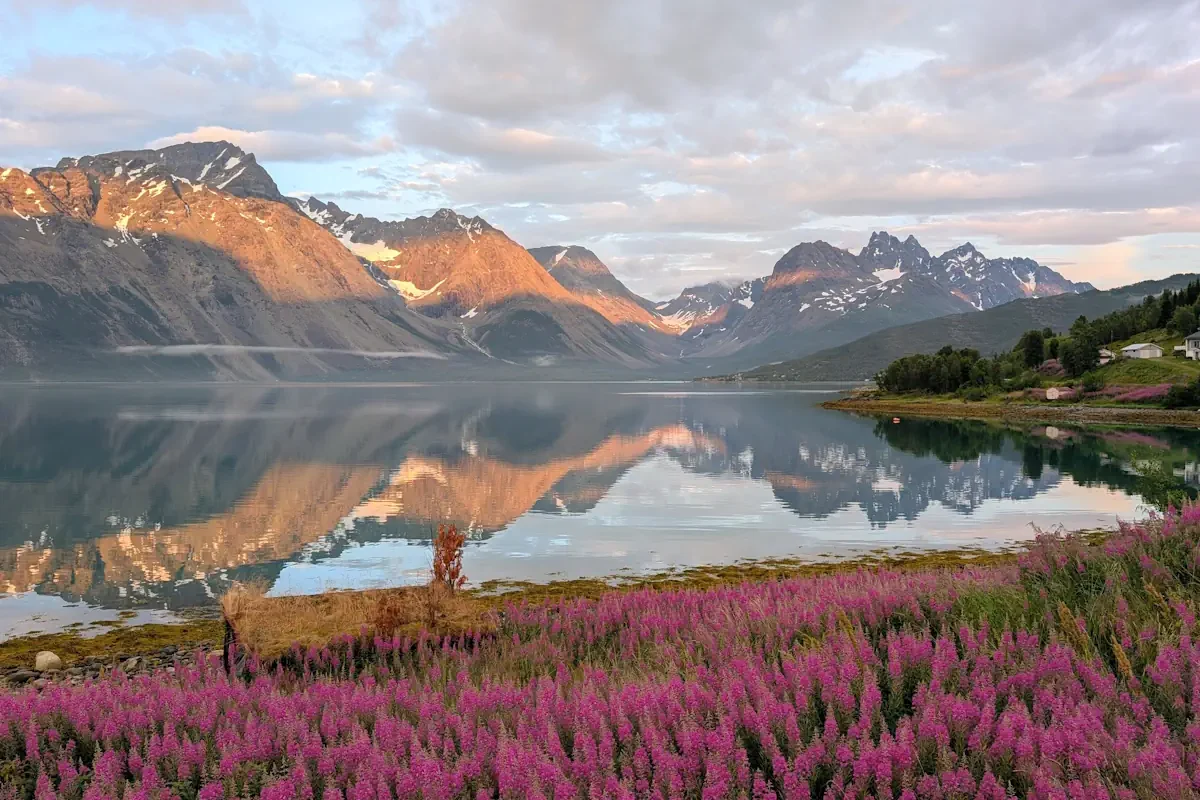
- Summer (June to August): the midnight sun in the north from late May to late July, hikes everywhere, the fjords and Lofoten at their best. The downside: it’s peak season, and prices follow (see where to go in Norway in summer). In summer, Norway is one giant playground, the whole country is great to visit.
- Autumn (September-October): my favourite time of year. The colours, the first northern lights from late August in the north, scenic roads still open until early October, and accommodation two to three times cheaper in the north.
- November-December: the days are very short (it’s the polar night in the north), the longest nights for the northern lights, but the weather is more temperamental. The fjords are tricky because of road closures, but the Bergen area is still easy to do, and the north stays straightforward. For the festive season, I’ve got an article on Tromsø between Christmas and New Year.
- Winter (January to March): snow, dry cold, snow activities and the northern lights. February-March is the best compromise for northern lights + snow. The downside: it’s the busiest tourist season in the north, so book early and budget accordingly.
- Spring (April-May): hardly anyone around, all over the country, and the waterfalls in full flow in May. On the other hand, it can still snow and some scenic roads stay closed.
A little budget surprise: Tromsø in summer. Since everyone heads off to Lofoten and the fjords, the town stays quiet and prices are low, while the nature is stunning. I talk about it in Tromsø in summer.
It’s all covered in detail in when to go to Norway, month by month, and for Tromsø in particular in the best time to go to Tromsø. And bear in mind that Norwegian weather is unpredictable: you can get perfect skies in February and rain in July!

Step 3: choosing what to do in Norway
Once you’ve picked your region and season, the list of possible activities shrinks fast. And that’s a good thing, because there are loads!
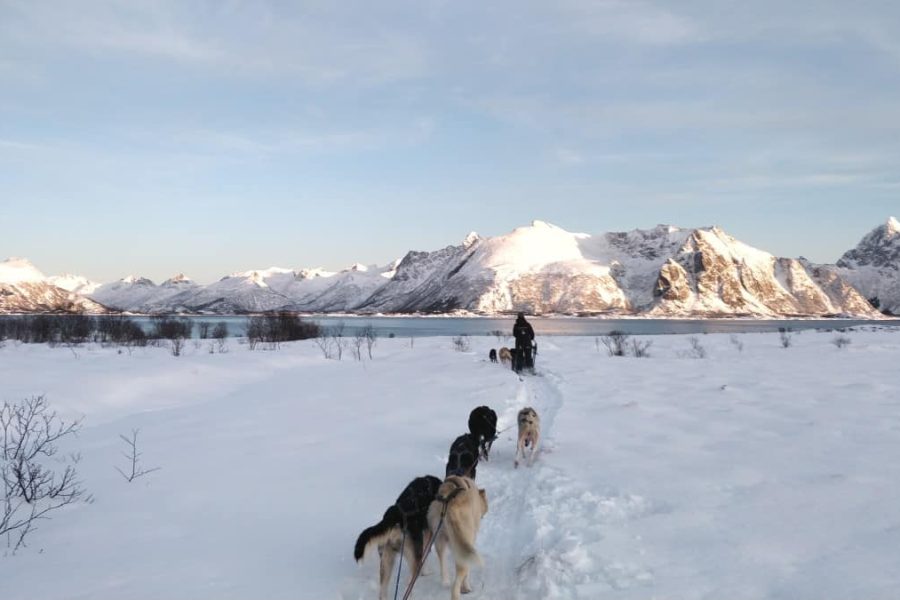
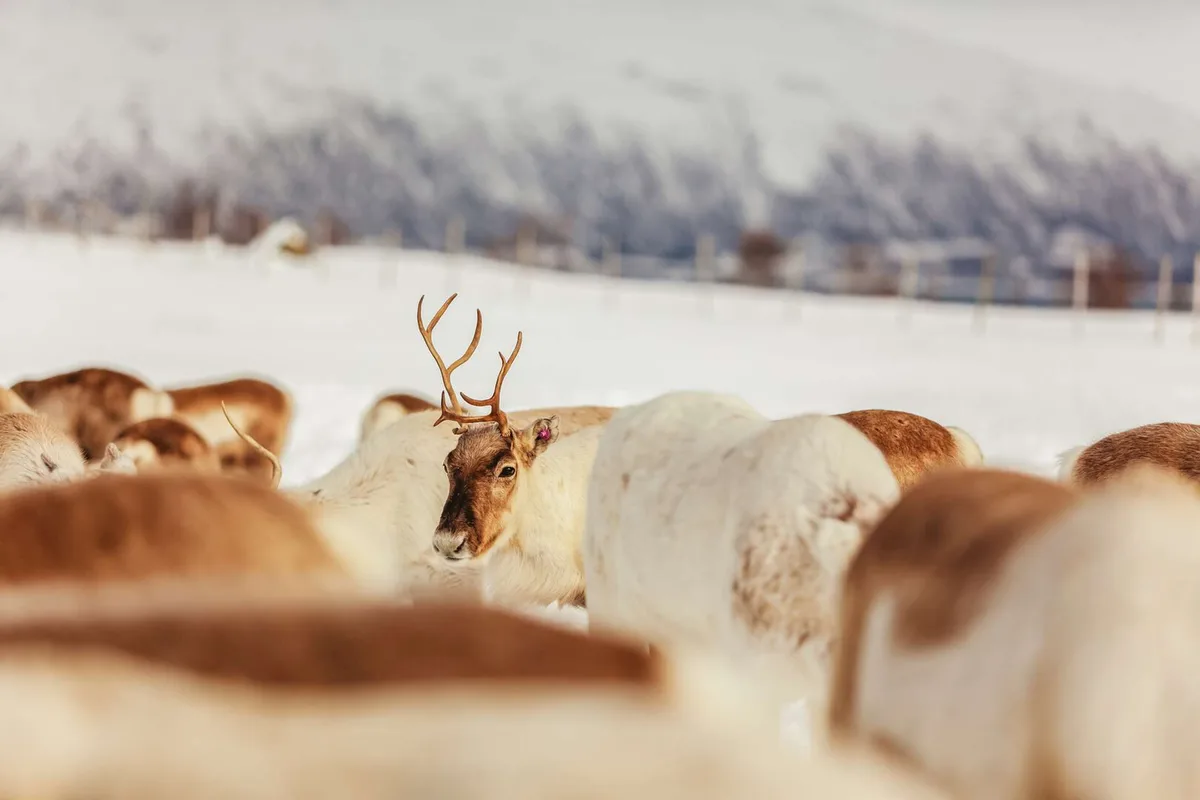
In winter in the north, it’s all about the magic of snow: dog sledding (the big classic, from November to April depending on the snow), snowmobiling, snowshoeing, and reindeer on a Sami farm. Tromsø is the best base: I’ve listed all the things to do in Tromsø, season by season, and made a selection for Tromsø in winter.
Whales and orcas are only on the northern coast: from late October to late January between Tromsø and Alta, and all year round at Andenes, in Vesterålen (but the wind there regularly cancels trips). It’s all in where and when to see whales in Norway.
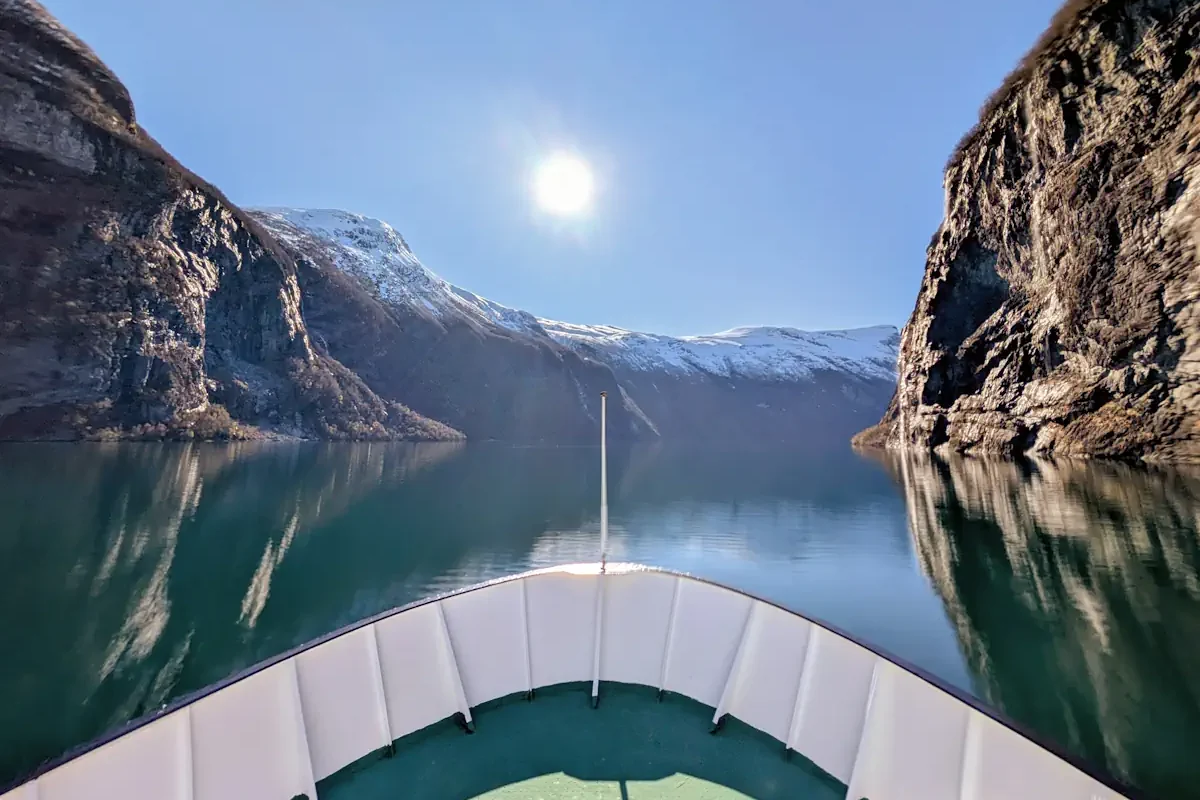
In summer, it’s all about the fjords and hiking. Along with the northern lights, a fjord cruise is for me THE best activity in Norway (no less!): here are the best day cruises. In the area, the Flåm Railway is a classic, and for the north, I’ve rounded up the things to do in Lofoten.
Watch your budget: in Tromsø, activities cost between 100 € (boat trip) and 300 € (dog sledding) per person. Pick the ones you really fancy, and book early in high season, the best ones go fast. And don’t forget that nature is free. It’s actually the best activity of all!

📍 From Tromsø · Tromsø Arctic Reindeer (4 hrs)
A sled ride pulled by reindeer, the herd to feed, then a hot meal in the lavvu while the guide tells stories.
- Sami camp reached by bus from central Tromsø
- Traditional meal served inside the Sami tent
- The guide performs a joik, a traditional Sami song
Free cancellation
From 176 € per person
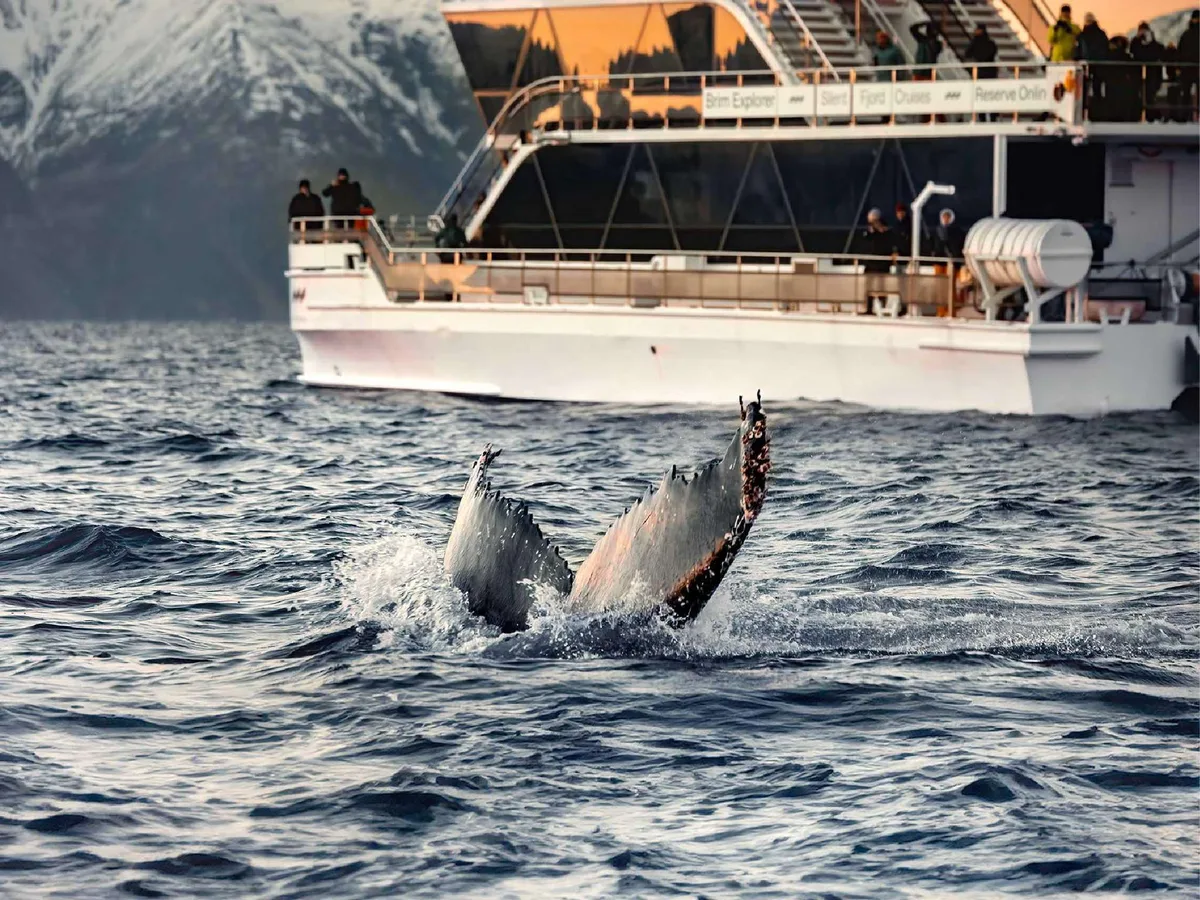
📍 From Tromsø · Brim Explorer (8 to 9.5 hrs)
The electric motor cuts the noise as you approach the humpbacks and orcas, on a boat with big windows and three outdoor decks.
- Humpback whales, fin whales and orcas depending on the season
- Three outdoor decks and heated panoramic lounges
- ⚠️ Long day: allow 8 to 10 hrs depending on the boat and departure time
Free cancellation
From 195 € per person
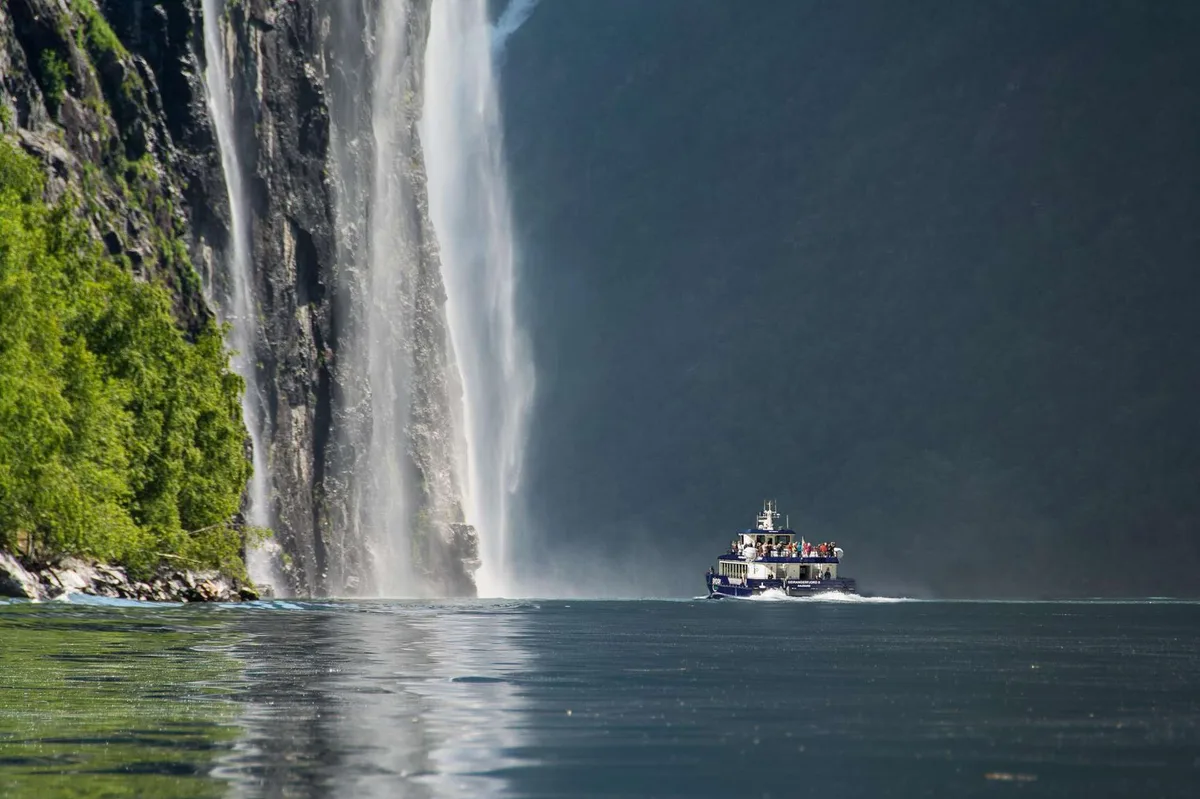
📍 Ålesund · VisitGeiranger AS (8 to 10 hrs)
Three fjords crossed by hybrid boat, forty minutes on battery power alone in the Geirangerfjord, then three to four hours ashore.
- Return trip by boat, no bus transfer or changes
- Audio guide included
- Panoramic lounges aboard the hybrid catamaran
Free cancellation
From 201 € per person
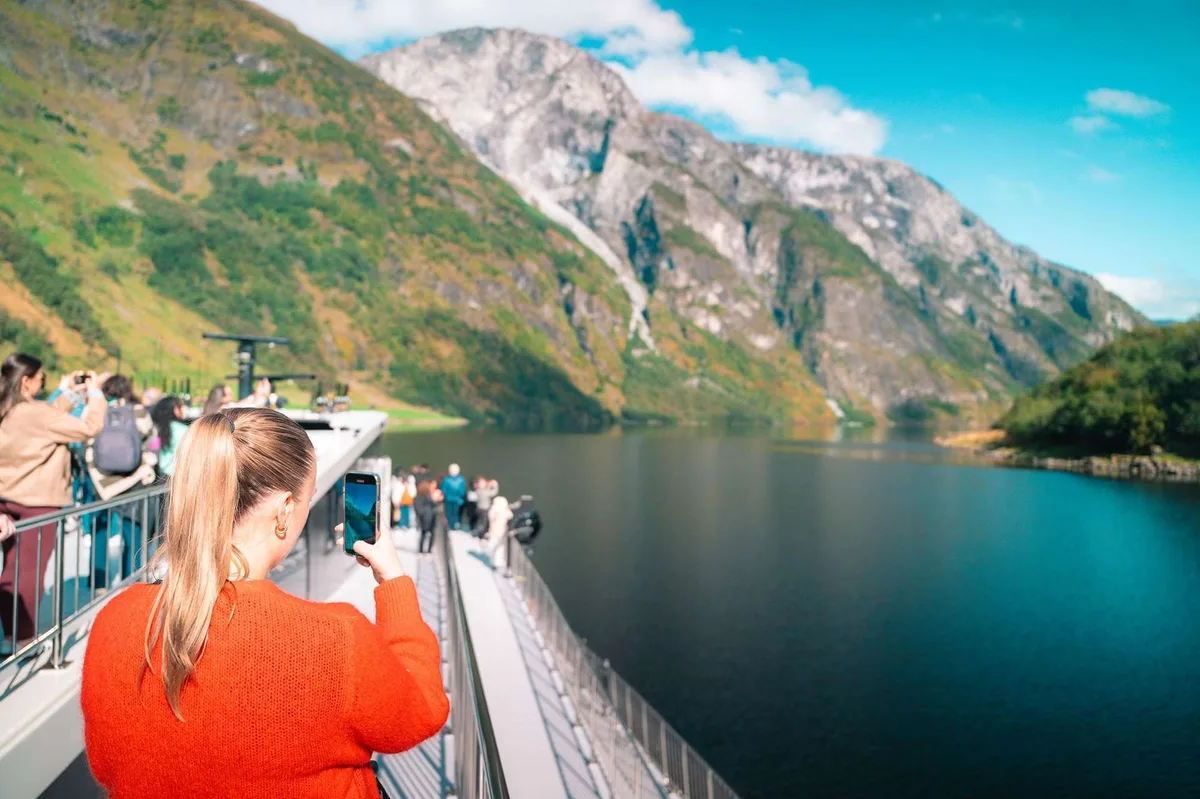
📍 From Bergen · Travel North (12 hrs)
A two-hour cruise on the UNESCO-listed Nærøyfjord, the Tvindefossen waterfall on the way and the Stegastein viewpoint high above.
- Leaves Bergen at 7.45am, back in the evening
- Light lunch included in the price
- ⚠️ Twelve-hour day, a good chunk of it on the bus
Free cancellation
From 285 € per person
Step 4: seeing the northern lights in Norway, or not
It’s often THE reason for the trip! And your answer affects both the region and the time of year.
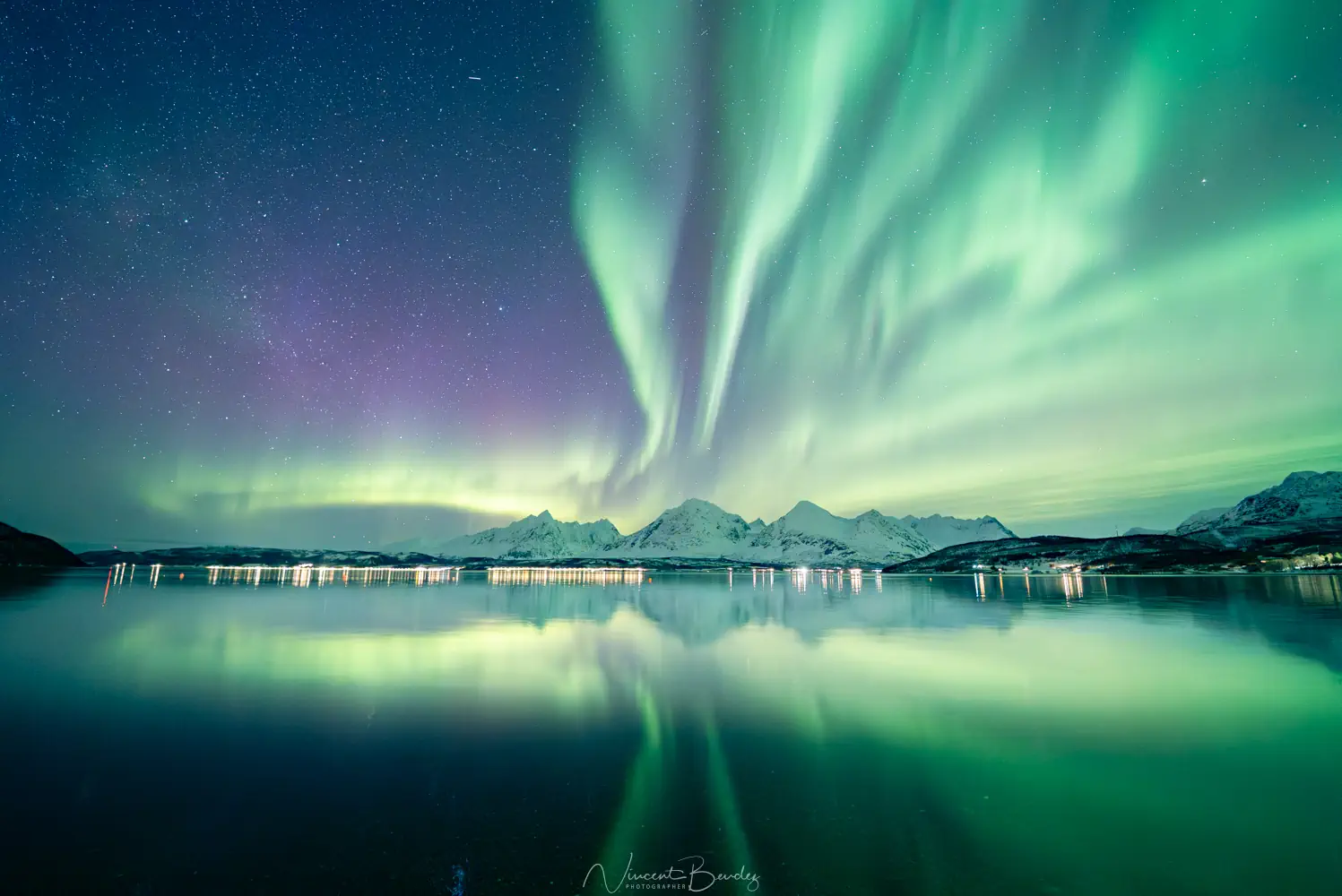
You want to come to Norway to see the northern lights? Then it’s the north, above the Arctic Circle, from late August to early April, as soon as it gets properly dark. The northern lights aren’t just a winter thing: in September-October, you hike during the day under often clear skies, and from late January to late March, you get the snow and the reflections. I explain everything in the best time to see the northern lights.
For a first time, Tromsø is the right choice: the town sits right under the auroral oval, with good infrastructure and dozens of spots less than an hour away (see the northern lights in Tromsø). Senja for peace and quiet, Lofoten for the scenery, Vesterålen to feel alone in the world… I compare the regions in seeing the northern lights in Norway.
Then you’ve got two options. On your own with a car, it’s perfectly doable (do you need a car for the northern lights?), with the right apps for tracking the northern lights. Or with an agency, roughly between 120 and 220 € per person: I’ve picked out the best northern lights agencies in Tromsø, and for tighter budgets, there are the bus tours.
And if not? No problem, summer has other things going for it, starting with the midnight sun. But don’t expect any northern lights between mid-April and late August in the north: it simply doesn’t get dark!
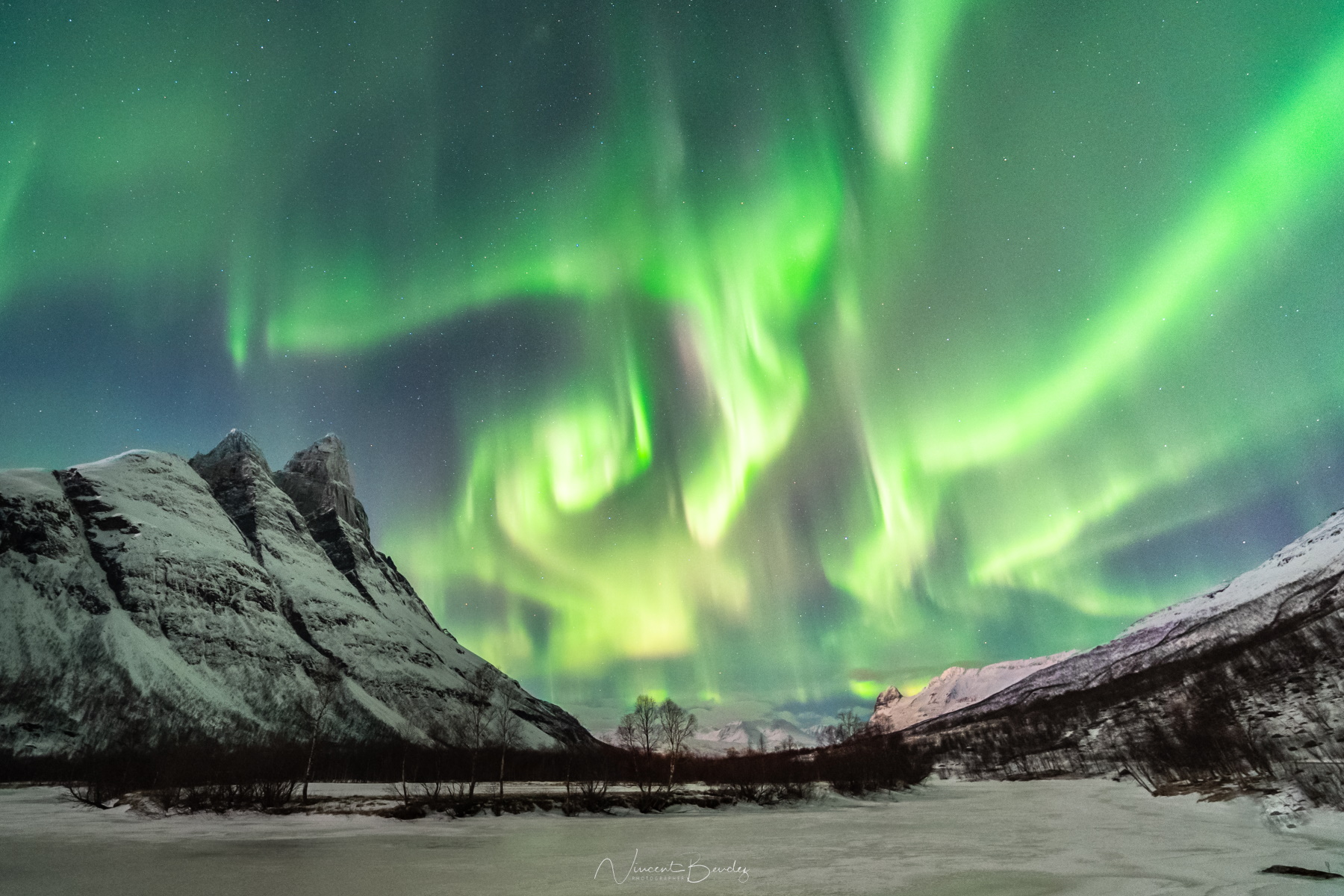


📍 From Tromsø · Blue Puffin (7 hrs)
Northern lights chase by minibus with professional photographer guides: the direction is picked each night depending on the clouds, plus a campfire and homemade soup.
- 🌍 Guides in English, Spanish and German
- Minibus, 18 people max
- Homemade soup + photos included
Free cancellation
From 202 € per person

📍 From Tromsø · Greenlander (6-9 hrs)
Northern lights chase in a Mercedes 4x4 people carrier with an expert photographer-guide and a documented 95-98% success rate over the season.
- Small group, 8 max, in a Mercedes Benz 4x4
- Photographer-guide + aurora portraits included
- Hot dinner + tripods + thermal suit + hotel transfers
From 264 € per person
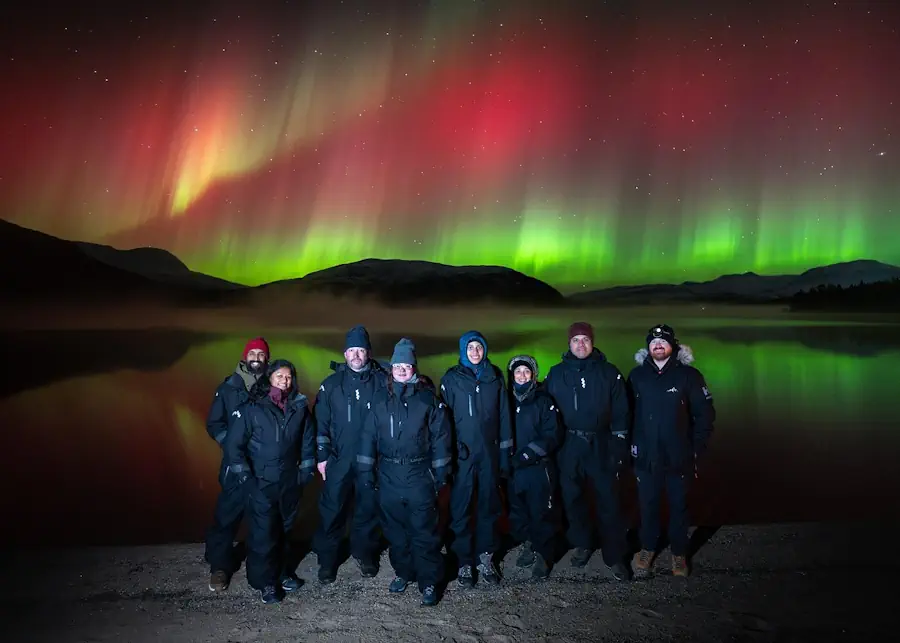
📍 From Tromsø · Northbound (6-10 hrs)
Small-group northern lights chase in a heated Mercedes 4x4, with a campfire, grilled hot dogs and a portrait photo under the aurora included.
- Small group, 8 max, in a Mercedes Vito 4x4
- Campfire + hot dogs + free timelapse
- Portrait photo under the aurora included
Free cancellation
From 245 € per person

📍 From Tromsø · Arctic Breeze (6 hrs)
An outing in a top-of-the-range Mercedes-Benz minibus with pro photos included, a campfire and hot chocolate in the Arctic night.
- Top-of-the-range Mercedes-Benz minibus
- Pro photos + thermal suit provided
- Campfire + hot chocolate
Free cancellation
From 152 € per person
Step 5: how long to go to Norway for and how much to budget
For nature, allow at least a week. Oslo or Bergen can be done in 3 days, but for a holiday, it’s roughly one week per region. With two weeks, you can string together Tromsø, Senja and Lofoten, or go from Stavanger to Ålesund through the fjords. And beyond that, it’s pretty much paradise!
Don’t do what I did: the first time, I did Ålesund – Bergen in 5-6 days. Far too fast, and hugely frustrating not being able to stop where I wanted. Luckily, I did the same route again in 10 days the second time, and it was much more enjoyable.
Budget-wise, Norway is expensive, it’s true (a bit less than Iceland, if that’s any consolation). Here are the ballpark figures I see:
- Flights: from 150 to 500 € return to Tromsø depending on the dates, 350 € on average
- Accommodation: in touristy places, a hotel easily goes over 200 € a room in high season. Off season, it’s two to three times cheaper
- Car hire: 30 to 40 € a day if you book early, over 50 € at the last minute
- Activities: from 100 to 300 € per person per outing
- Eating out: from 20 to 100 € per person, and over 10 € for a glass of wine (ouch)
For Tromsø, I’ve broken it all down expense by expense in how much a trip to Tromsø costs, and my simulator gives you an estimate in a few clicks (more on that below). And to avoid bank fees while you’re there, read how to pay in Norway.

Step 6: getting around Norway, with or without a car
A car is still the best way to make the most of the nature. And there’s no need for a big one: a small car is more than enough, even in winter, because the speed limit is between 60 and 90 km/h, the roads are in very good condition, and all hire cars have winter tyres in winter.
Never driven on snow? It’s much easier than it looks! Above all, you need to anticipate and use common sense (and know exactly what you’re getting into beforehand). I explain everything in hiring a car in Norway in winter and driving in Tromsø in winter. And if you really don’t feel up to it, you can absolutely visit Tromsø without a car, using buses and agencies (it just costs a bit more).
On the road, keep in mind the ferries, which are part of everyday life, Autopass for tolls, and real-time road conditions, essential in winter.
Without a car, the train links Oslo, Bergen and Trondheim up to Bodø (Oslo – Bergen is one of the most beautiful lines in the world), but there are no trains further north. Buses and domestic flights (Widerøe, Norwegian) take over from there, and the Entur app gives you every route. To get here, there’s flying of course (and here’s how to get from Oslo airport to the city centre), but also the ferry from Germany or Denmark if you’re bringing your own vehicle. And for the north, here’s how to get to Lofoten.
And to hire a car in Norway, there are a few rules to follow:
- book early, seriously. Because hiring a car can cost a fortune, especially if you leave it late
- compare, absolutely. Using comparison sites, obviously, but also comparing the comparison sites, because they have different commercial agreements. I use Discover Cars and Booking Cars, I find both of them clear, they have user reviews for each agency and there’s no funny business.
- take out insurance. OK, it’s a bit more expensive, but in winter there are a few risks, and in summer there’s gravel and animals on the road, which aren’t bad either.
- if you’re going in winter, really read up on driving on snow and what it involves
- check whether an electric car works out better, but be careful in winter because the battery drains much faster
Step 7: where to stay in Norway, region by region
Accommodation is often the trickiest part. Norway has a reputation for expensive accommodation… and it’s true, especially in Tromsø in winter and Lofoten in summer. So my number one tip: book early, and be flexible with your dates, prices change from one day to the next!
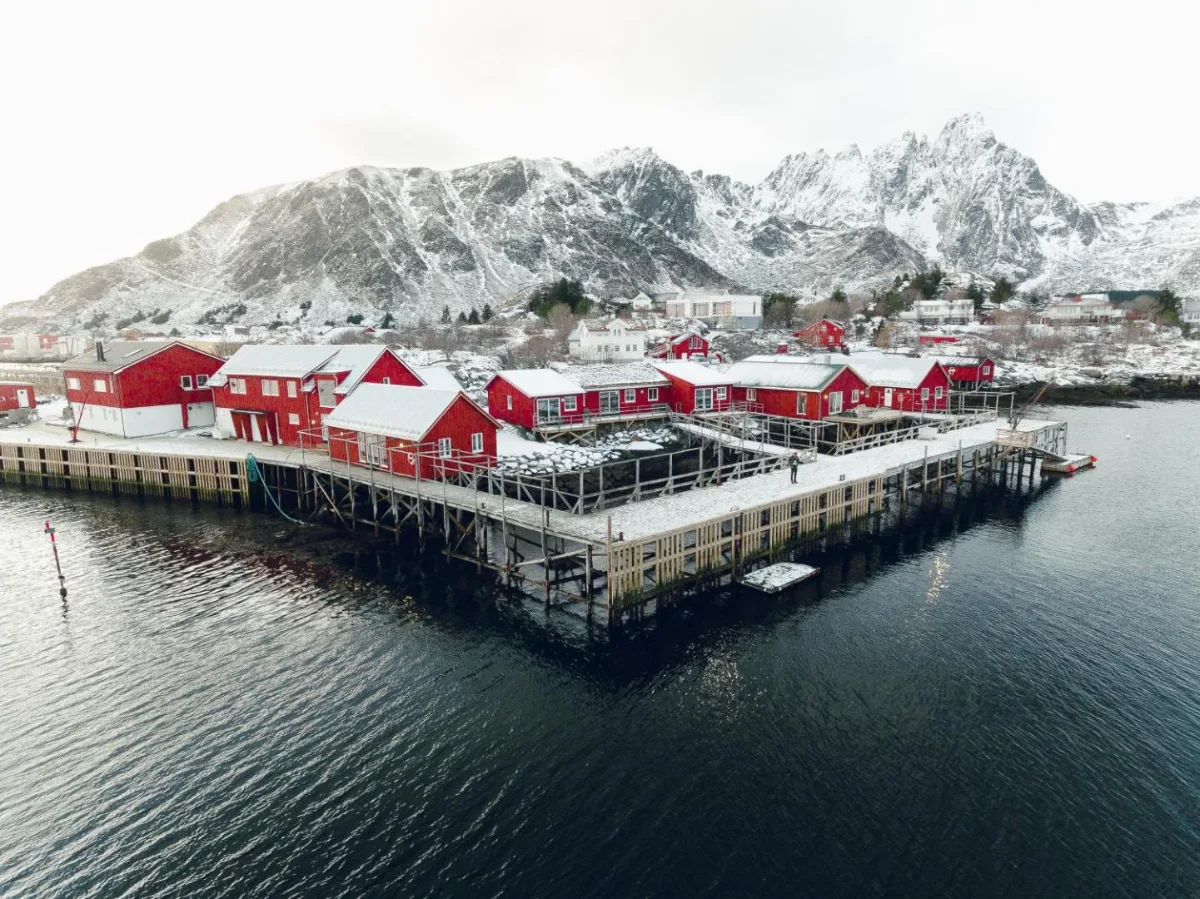
In Tromsø, there’s limited choice and everything is packed onto a small island: here are my favourite places to stay and neighbourhoods in Tromsø. In Lofoten, there’s plenty of accommodation, but the archipelago is big: a central base like Leknes or Ballstad for 3-4 days, or half near Svolvær, half near Reine for a week. It’s all in where to stay in Lofoten, rorbuer included (those red fishermen’s cabins by the water). For the rest: where to stay in Senja, where to stay in Bergen and where to stay in Oslo.
And get out of the town centres: as soon as you move away from the touristy areas, you get some nice surprises, cheaper, often with crazy views. The only downside is you need a car. In town, chains like Thon, Scandic, Radisson or Clarion are a safe bet, and their breakfast buffet is so generous you can often skip lunch!
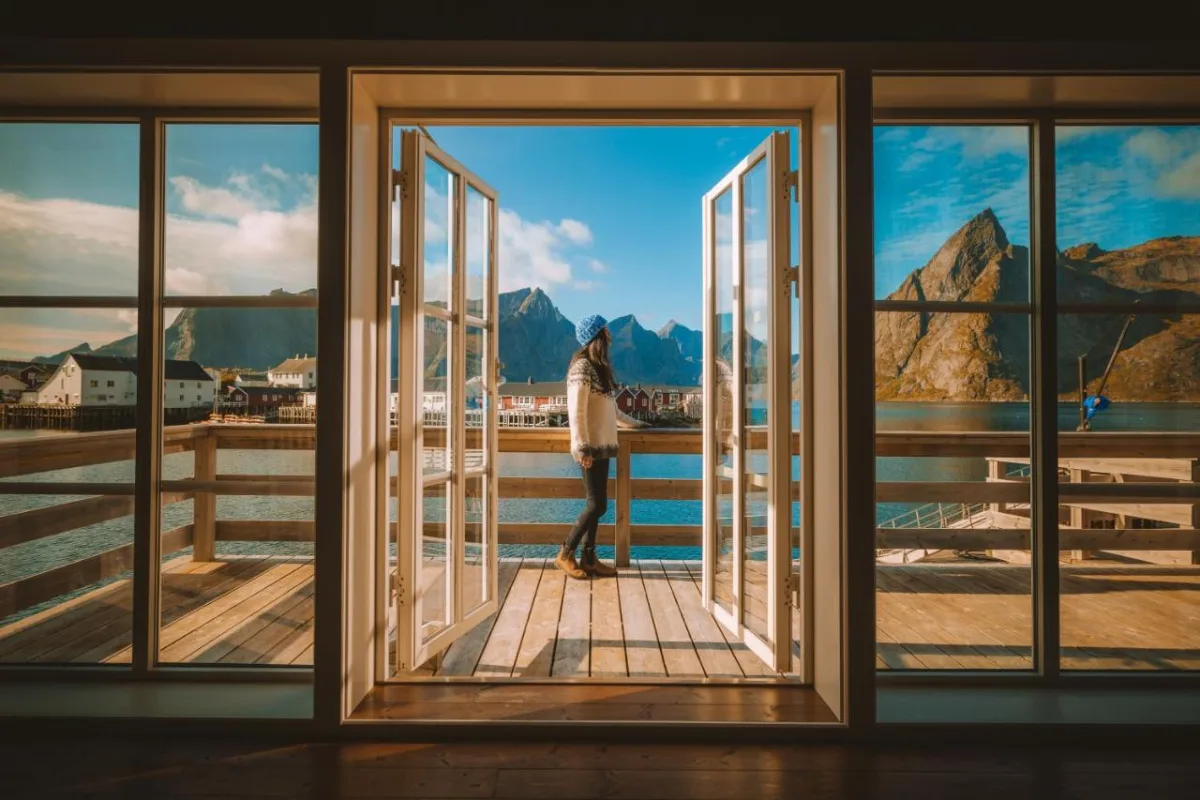
📍 Hamnøy · on stilts facing the Reinefjorden
Fishermen's houses on stilts in Hamnøy, facing the jagged peaks of the Reinefjorden. A terrace over the sea or the mountains depending on the unit, a kitchen, a sauna and a hot tub.
- The Lofoten view everyone photographs, right from the terrace
- Kitchen in every unit, sauna and hot tub on site
- Leknes airport is fifty-three kilometres away, so a car is a must
From 190 € / night
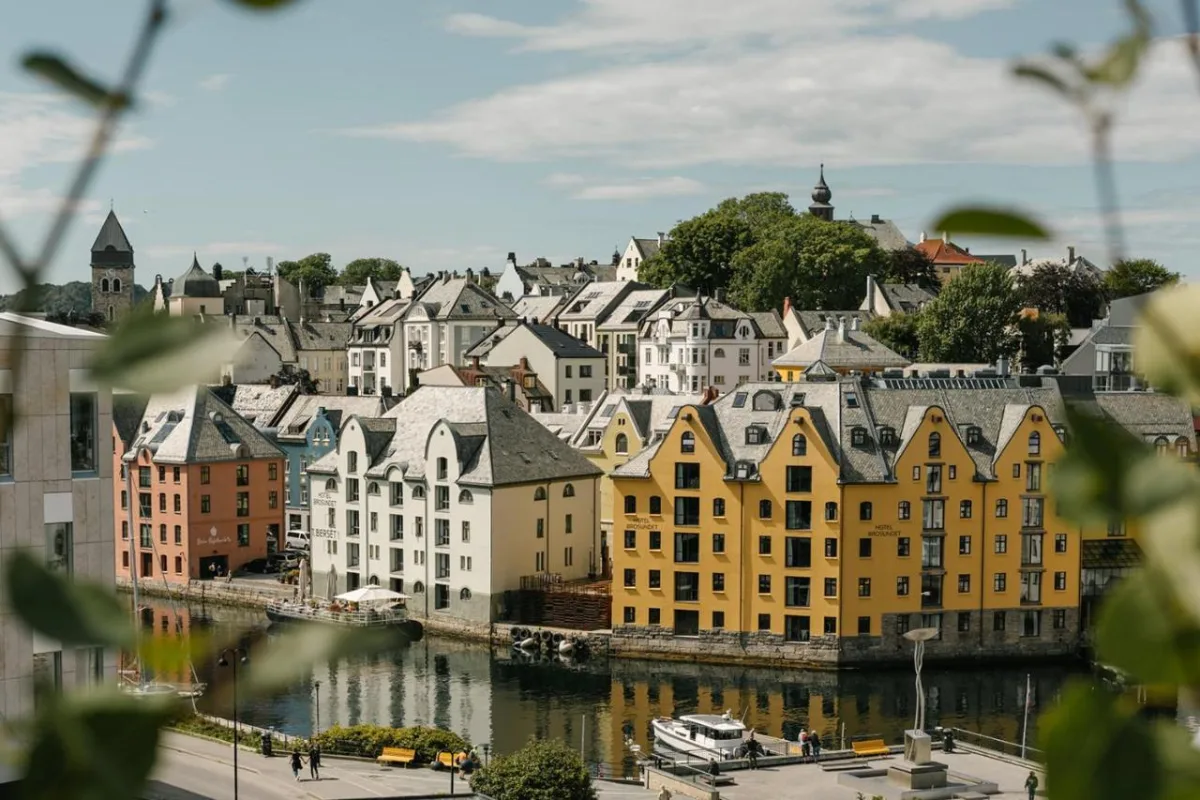
📍 Ålesund · on the quayside of the channel
A converted Art Nouveau warehouse on Ålesund’s channel, with the original beams exposed in most rooms. Breakfast served overlooking the water, made with local produce.
- Right on the channel, in the heart of the Art Nouveau town
- Original beams in most rooms, often with a sea view
- Cocktail bar and local breakfast, both served overlooking the water
From 210 € / night
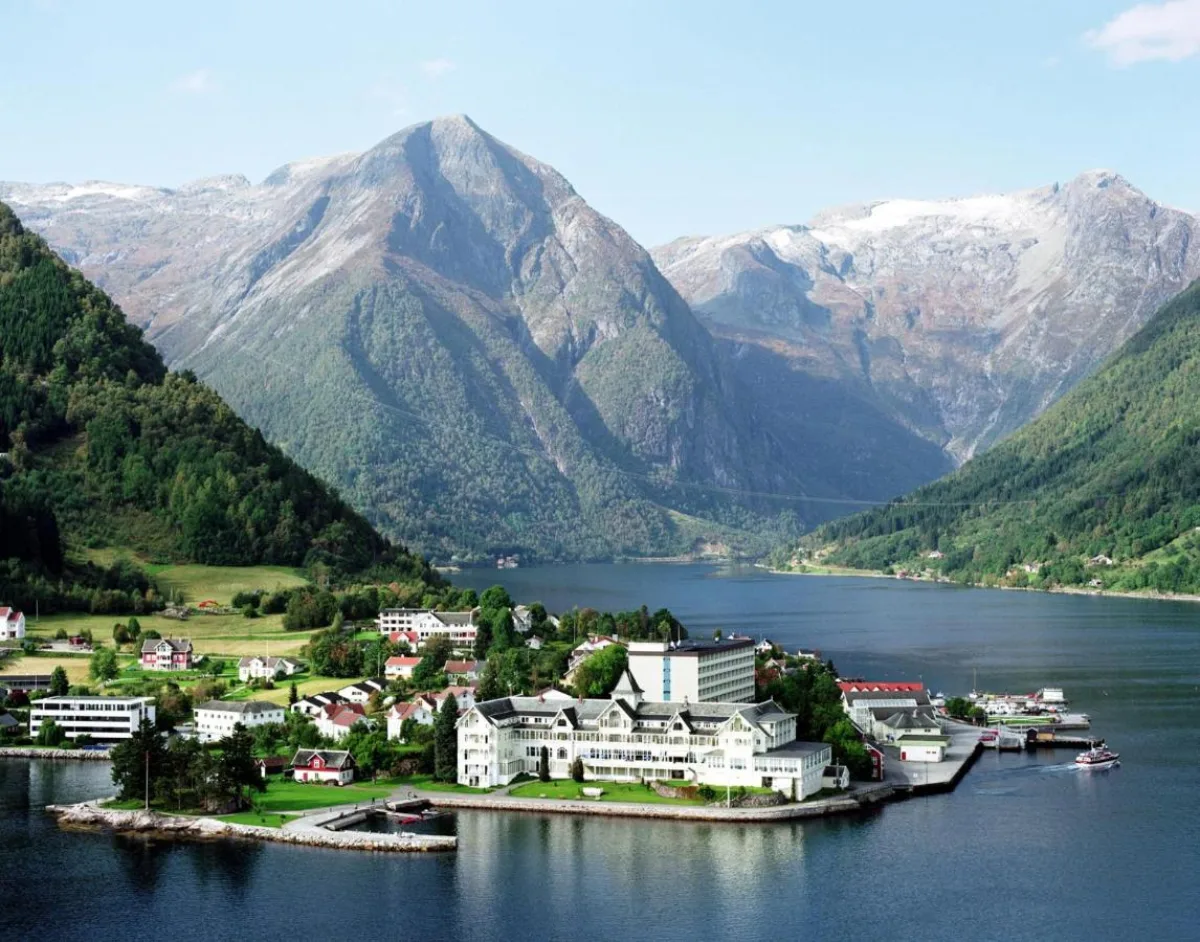
📍 Balestrand · right on the Sognefjord
A large white wooden building with its feet in the Sognefjord, with period lounges and its own art collection. Elegant restaurant and rooms with a separate sitting area.
- The wooden façade and historic lounges are worth a visit in themselves
- Several rooms with balconies overlooking the Sognefjord
- You sleep in the sixties wing, not in the old building
From 290 € / night
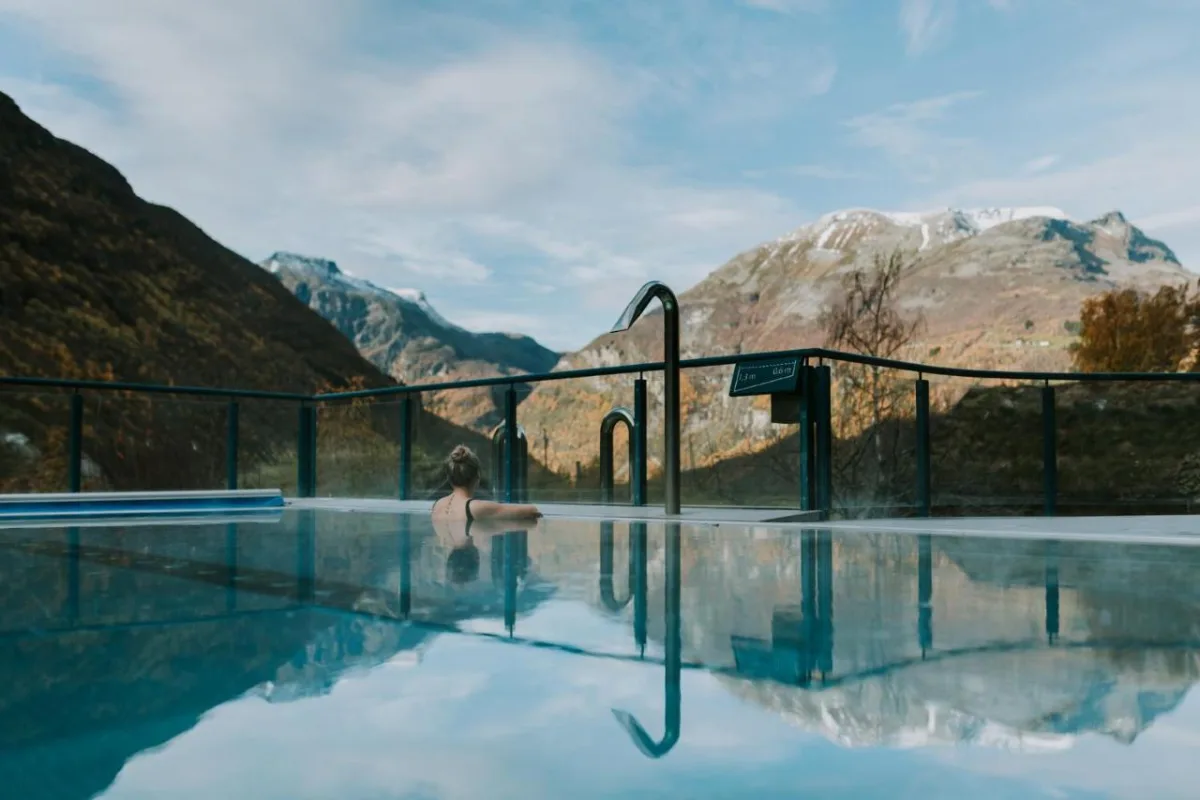
📍 Geiranger · above the village and the fjord
A resort perched above the Geirangerfjord, with a rooftop garden and a spa with indoor and outdoor pools. Bathrobes and slippers in the rooms, fjord views from some.
- Rooftop garden and spa with pools, sauna and jacuzzi
- The Flydalsjuvet viewpoint is four kilometres away
- Big, very busy place, and you pay extra for the fjord view
From 318 € / night
All the resources at your disposal to plan your trip to Norway
The different itineraries for discovering Norway
Got your region and your dates? Then all that’s left is to follow the plan. I’ve put together several day-by-day itineraries, with the stops, the overnights and the activities:
- Two weeks between Tromsø, Senja and Lofoten: the best of the north in a single trip, adaptable to the season (no dog sledding in July, obviously!)
- Two weeks in the fjords: a loop from Bergen up to Ålesund, with the Geirangerfjord, the Nærøyfjord, Trollstigen and the stave churches. A touch packed at times, but better to cut things out than run out of ideas
- A week in Tromsø in winter: enough to pack in the activities and boost your chances of seeing the northern lights, without ending up completely shattered
- A week in Bergen and the fjords: the city and the Nærøyfjord, with a car for the surrounding area (and alternatives if you don’t have one)
- 3, 5 or 7 days in Lofoten: three realistic versions, because it takes about 5 hours to get from one end of the archipelago to the other
- Senja in a day from Tromsø: a long day, but doable by car (there’s no public transport on the island)
These are suggestions, not set-in-stone programmes: pick and choose, cut them down, adapt them. That’s exactly what a travel planner would do, except here it’s already done (and free)!
Click on an itinerary (or straight on the map) to see its route and what it covers.
The best of the north in a single trip: Tromsø, Grotfjord, the Lyngen Alps and Sommarøy, then Senja, and finally Lofoten, from Svolvær to Å. Back to Tromsø by road (allow 8 hrs). Works in summer or winter.
See the day-by-day itinerary →One base in Tromsø and one outing a day: Fjellheisen, the Tromvik road, the whales, a day on Senja, dog sledding, Sommarøy and the Lyngen Alps. With northern lights spots for every evening, and car-free alternatives.
See the day-by-day itinerary →Three versions depending on how long you have: Reine, Hamnøy and Å, then Nusfjord, Ballstad and the beaches, and finally Henningsvær and Svolvær. With 5 days, you add Unstad, Eggum and a boat trip; with a week, a hike and a spare day up your sleeve.
See the day-by-day itinerary →A big day, but doable: the Sommarøy road, the Brensholmen – Botnhamn ferry (45 min), then Husøy, Fjordgård, Mefjordvær, the Devil's Teeth at Tungeneset and the Bergsbotn viewpoint. There's no public transport on the island.
See the day-by-day itinerary →A loop from Bergen: Hopperstad, Fjærland and its glaciers, Stryn and Loen, Geiranger, the Trollstigen, Ålesund, then Lom, the Sognefjellet, Urnes, Borgund and Flåm. Back to Bergen by train. A bit packed at times!
See the day-by-day itinerary →Bergen at an easy pace (Bryggen, the fortress, a boat trip on the Osterfjord), then the fjords: Tvindefossen, Stalheim, Fjærland, Kaupanger, Lærdal, Borgund, the Nærøyfjord cruise and the Flåm Railway. A car is recommended for the surrounding area, with car-free alternatives.
See the day-by-day itinerary →Interactive maps of Norway with all the essential info
So you don’t spend your evenings working out where everything is, I’ve gathered the essentials into interactive maps, region by region:
- The Tromsø map: the most beautiful places, the spots for northern lights, whales and reindeer, the agencies and places to stay
- The Lofoten map: over 50 places to stay, hikes, beaches, viewpoints, restaurants and campsites
- The Senja map: the most beautiful places and hikes, but also petrol stations, supermarkets and cafés, really handy on an island where there isn’t much
- The fjords map: the iconic sights, places to stay, hikes and the main activities
Handy tip: click the star next to the map’s title, and it’ll show up in your Google Maps app during your trip. Super practical when you’re on the road!


The free PDF guide to plan your trip to Norway
If you’d rather have everything in one place, I’ve condensed the blog’s Norway content into a PDF guide. A “little” guide… of 300 pages! Inside you’ll find
- cities like Oslo, Bergen, Alta (and more coming soon)
- the Lofoten Islands
- Tromsø and Senja
- the fjord region
- with, for each area, transport, the activities not to miss, the most beautiful places, and hotel and restaurant recommendations.
- Plus the northern lights
- and itineraries for each season
And yes, it’s free. No email address to give, no sign-up, no newsletter: you click, it’s yours. Download the Norway PDF guide (it’s also available in French, Spanish and German).
Create your own personalised Tromsø itinerary with my free tool
For Tromsø, I’ve taken things even further, with a tool that literally does a travel planner’s job. Five questions, three minutes: your season (or your dates), the number of days, how many of you there are, the type of accommodation, and whether you want to push on to Senja.
The tool then builds you a day-by-day plan, with each activity at the right time: the northern lights in the evening, dog sledding in the morning, the fjords while it’s light (in January, that’s only four hours, so it matters!). And it gives you a budget estimate. OK, it won’t replace your own judgement, but it’s a really good starting point.
Create your personalised Tromsø itinerary with a budget, it’s free too!
Otherwise, there’s the simulator just below, even simpler.
All the activities, region by region
Because if you come to Norway, it’s not JUST to enjoy the scenery, but also to do some of the most popular activities. And in this country, there are loads of them, so it’s not always easy to find your way around.
So I’ve listed all the best activities by region and by city, and beyond the activities themselves, above all the right providers, so nothing spoils the experience for you.
Ask your questions in the Norway Facebook group
Finally, there’s my Facebook group on Norway, with nearly 36,000 members. Travellers who’ve been, who are going, who are asking themselves the same questions as you… and who answer them!
Quick tip: before posting your question, type it into the group’s search bar. Chances are it’s already been discussed, and you’ll get your answer straight away.
When a travel planner can still make sense
So yes, there are cases where a travel planner makes sense. If you’re planning a honeymoon and want everything to be perfect without having to handle anything. If you’re organising a trip with several families, with wishes and constraints pulling in every direction (toddlers, someone with reduced mobility…). Or simply if you don’t have a minute to yourself before you leave. And that, I can understand!
But even then, you don’t need to pay anyone. Get in touch, it’s free: tell me when you’re going, how many of you there are and what you’d like to do, and I’ll send you all the links to book your accommodation, your activities and your car. All you have to do is click and book, without paying me a penny.
(And if you book through these links, I get a small commission, at no extra cost to you. That’s what keeps the whole site free!)
The only limit: I don’t book for you. But with the right links to hand, it’s done in no time!


The questions people ask me about travel planners in Norway
How much does a travel planner for Norway cost?
The rates I’ve just checked range from around a hundred euros to about 500 € for designing the itinerary, depending on the length of the trip and the level of detail you want. Bear in mind, this price doesn’t include flights, accommodation or activities: you pay for those separately, since the travel planner doesn’t take payment for the bookings.
By comparison, all the resources on this page cost you… 0 €
So you’re thinking “but how does Vincent make a living while offering all this content and advice for free?”. Very good question (obviously). It’s simple: when you go through Booking, GetYourGuide or another partner via my links, I get a small percentage at no extra cost to you. Everybody wins!
Does a travel planner make the bookings for you?
Generally, no. A travel planner gives you an itinerary and a selection of accommodation and activities, then you do the booking. If you want someone who books everything, takes the payment and deals with any hiccups during the trip, it’s more of a travel agency you should be looking at.
Can you help me plan my trip to Norway for free?
Yes! Write to me via this form with your dates, the number of travellers, what you’d like to do and the region that appeals to you (northern lights, fjords, dog sledding…), basically just whatever you’re into, and we’ll work it out together!
You can also ask your questions in the Norway Facebook group, where thousands of travellers share their experience.
Conclusion
And there you go! You now have all the cards in your hand (and the maps, literally) to plan your trip to Norway yourself: the steps, the questions to ask yourself, the itineraries, the maps, the PDF guide and the Tromsø tool. All for free, without paying someone to do the research for you.
So yes, it takes a bit of time. But planning your trip is also where the fun starts (well, I love it, as you’ll have gathered).
And if you get stuck somewhere, write to me or ask your question in the Facebook group. It’s free, and there’s still no catch!

No paywall, no flashing ads: the articles, PDF guides and maps are free and always will be. The blog lives thanks to you, and there are two ways to help, one of which costs nothing.
Thanks, it really means a lot 🙂 Vincent, from Tromsø
A few more resources to plan your trip to Norway
I’ve written quite a lot about Norway, so on top of everything above, here are a few articles to help you fine-tune your trip:
- Everything you need to know about Norway – my complete guide, region by region, to plan your trip
- The best places to see the northern lights – to compare the spots before choosing your destination
- Seeing the northern lights in autumn – fewer people, gentler prices, and hiking still possible
- Things to do in Geiranger – one of the most beautiful fjords in the country and its viewpoints
- Which cruise to take on the Nærøyfjord – the UNESCO-listed fjord, not to be missed in the area
- Fjord cruises from Bergen – to see the fjords without a car
- The stavkirke, Norway’s Viking churches – unique heritage to slot into your road trip
- Is it worth driving the Atlantic Road – my take on this famous road in Møre og Romsdal
- The most beautiful Lofoten villages – Reine, Nusfjord, Henningsvær and the rest
- The most beautiful places in Senja – fjords and mountains, without the crowds
- Discovering the island of Kvaløya – the big playground right next to Tromsø
- Seeing whales and orcas in Tromsø – the agencies and the right time of year, from November to January
- Hiring a car in Lofoten – where to book so you don’t overpay