Dernière modification le
Menu
- A selection of the best hotels in Lima
- Staying in Miraflores, the most interesting option
- Find a hotel in Barranco, Lima’s bohemian and creative district
- Where to stay in San Isidro, the neighborhood of understated elegance
- Staying in Lima’s Historic Centre, UNESCO at your fingertips
- Neighborhoods to avoid
- Hostels and budget accommodation
- Staying next to Lima Jorge Chavez airport
- In conclusion, which district of Lima should you choose to sleep in?
Lima, the “City of Kings”, is often perceived as a simple stopover before heading off to Cusco or Machu Picchu. At first I thought this was normal, but frankly, it’s a mistake! The Peruvian capital is an interesting city, with a world-renowned gastronomy, some pretty neighborhoods and a unique energy between the Pacific and the Cordillera. But where to sleep in Lima to make the most of it, and above all to avoid ending up in neighborhoods that suck a little? because yes, Lima isn’t exactly a safe city. That’s why we’re going to concentrate on the 3/4 neighborhoods where you’ll be safe.
Oh, generally speaking, you should be careful in Lima at night. Even if you’re going to Miraflores, don’t walk outside for too long, especially alone in the street.
You don’t necessarily need to book far in advance. Prices don’t skyrocket at the last minute, and few hotels are fully booked. So if you’re planning your stay in Peru at the last minute, you can book late!
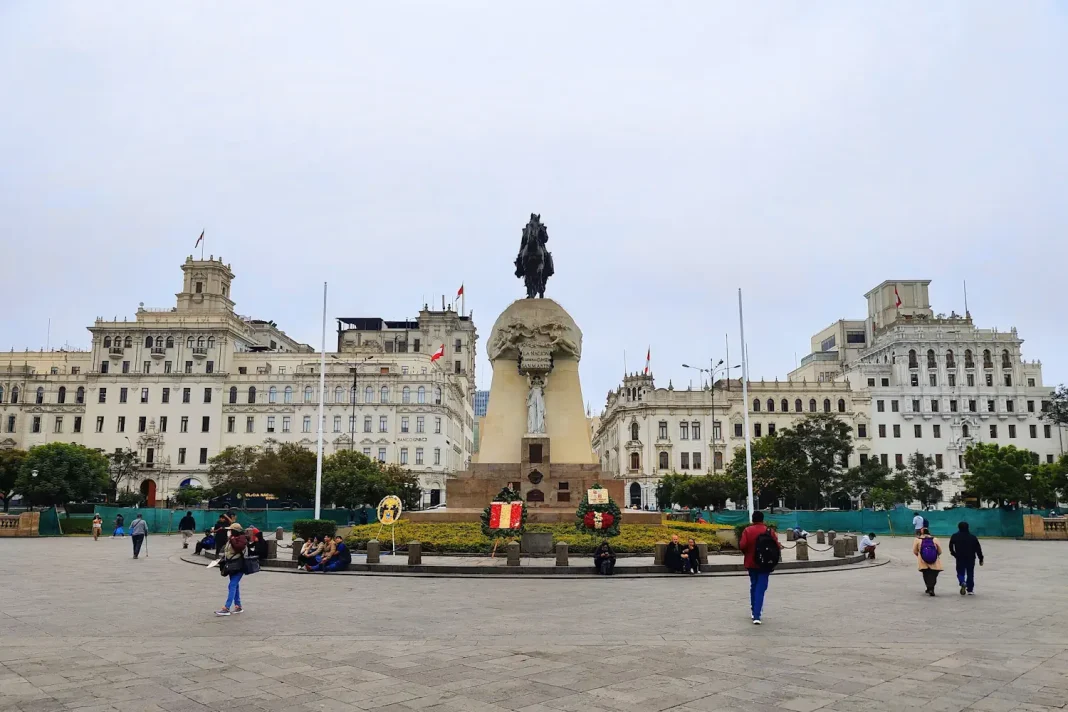
The good news is that the tourist areas are concentrated in the south of the city – Miraflores, Barranco, San Isidro – which makes getting around fairly straightforward. The historic center is well worth a visit during the day, but the question of accommodation arises in a different way. I’ll explain it all below!
A selection of the best hotels in Lima
It’s not about pushing the most luxurious hotels on you, but the most popular, the most interesting, the ones (in all price ranges) that travelers love in Lima, all over the city. So chances are you’ll find something you like here!
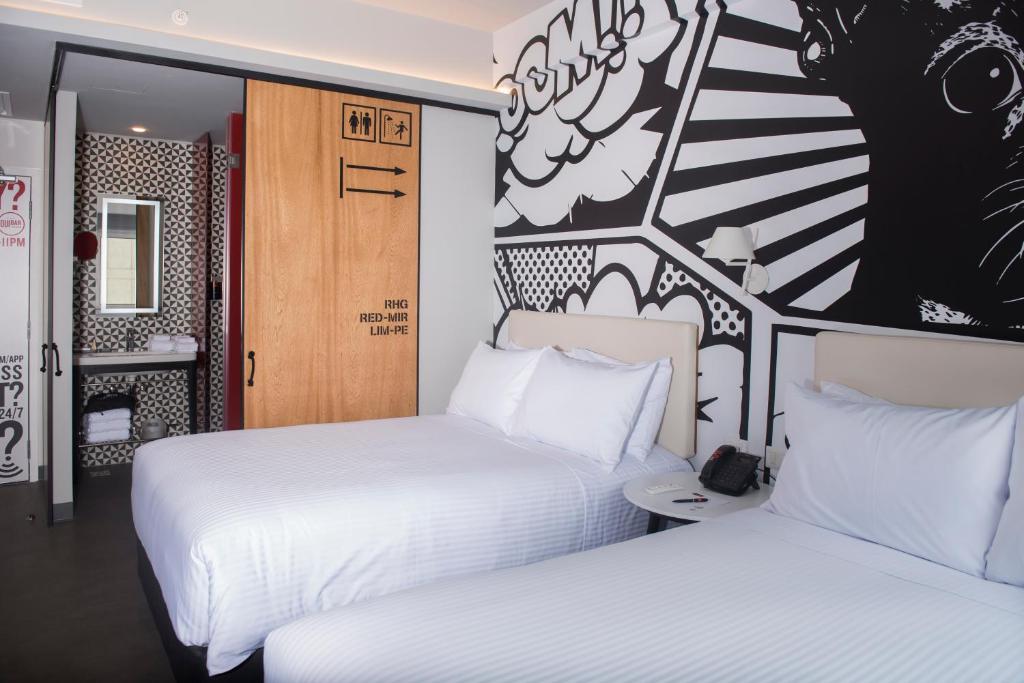
Miraflores – Parque Kennedy
- Top-rated in Lima, colourful and modern design
- Rooftop pool and bar, open views
- Attentive staff, great value for money
From 70€/night
Check availability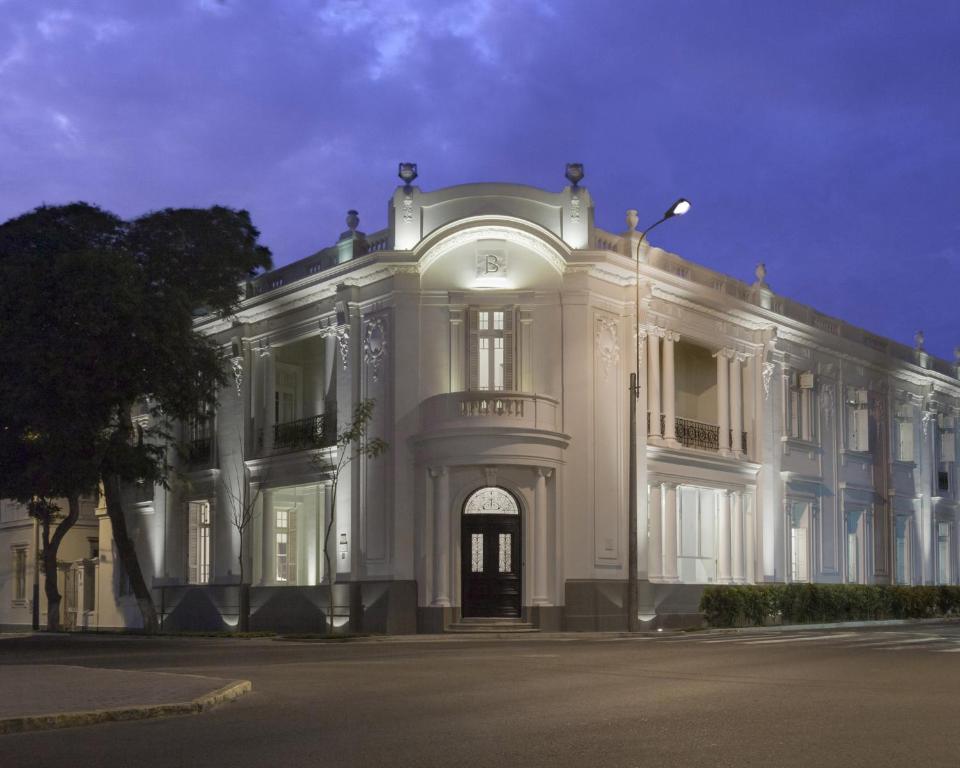
Barranco – Heart of the district
- Lima's chicest boutique hotel, colonial mansion
- Peruvian-Mediterranean gourmet restaurant
- Arty design, bohemian and refined atmosphere
From 270€/night
Check availability
Barranco – Pedro de Osma
- Lima's highest rating, only 9 rooms
- 1920s house, rooftop terrace, rare intimacy
- Exceptional home-made breakfast — a hidden gem
From 171€/night
Check availability
San Isidro – Central
- Very popular with families and couples, service top
- Refined contemporary design, excellent restaurant
- 10 min walk from Miraflores and Barranco
From 170€/night
Check availability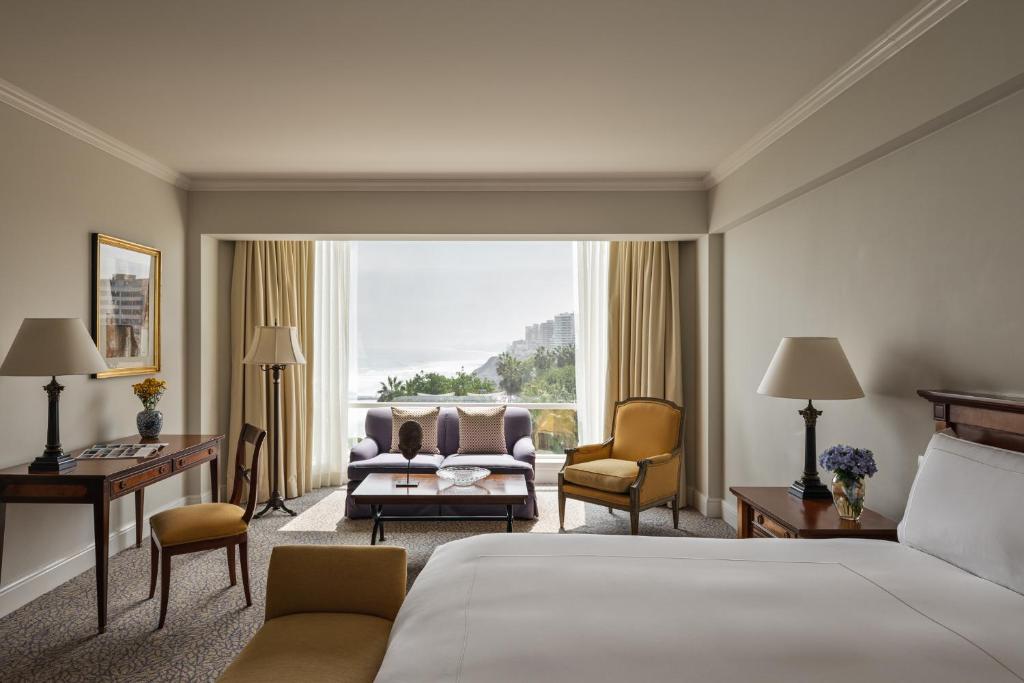
Miraflores – Pacific Malecón
- Direct Pacific view from several rooms
- Rooftop pool, premium spa
- Renowned Asian-Peruvian fusion restaurant
From 650€/night
Check availability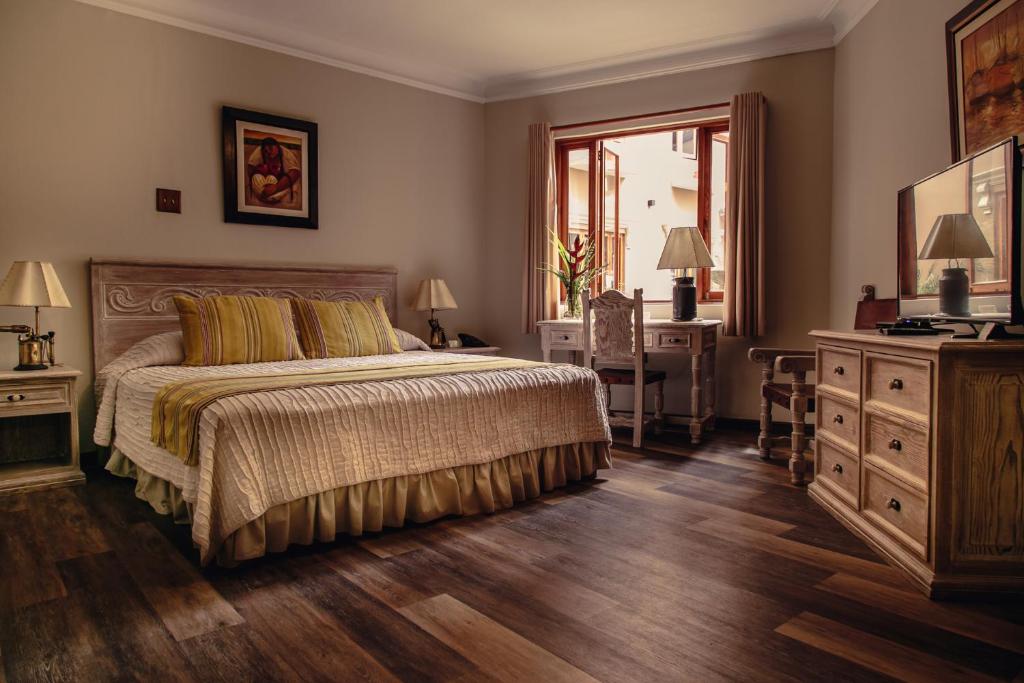
Miraflores – Quiet area
- 3-star hotel with a 5-star rating!
- Colonial building, refined décor, quiet street
- Breakfast included, lovely staff
From 80€/night
Check availability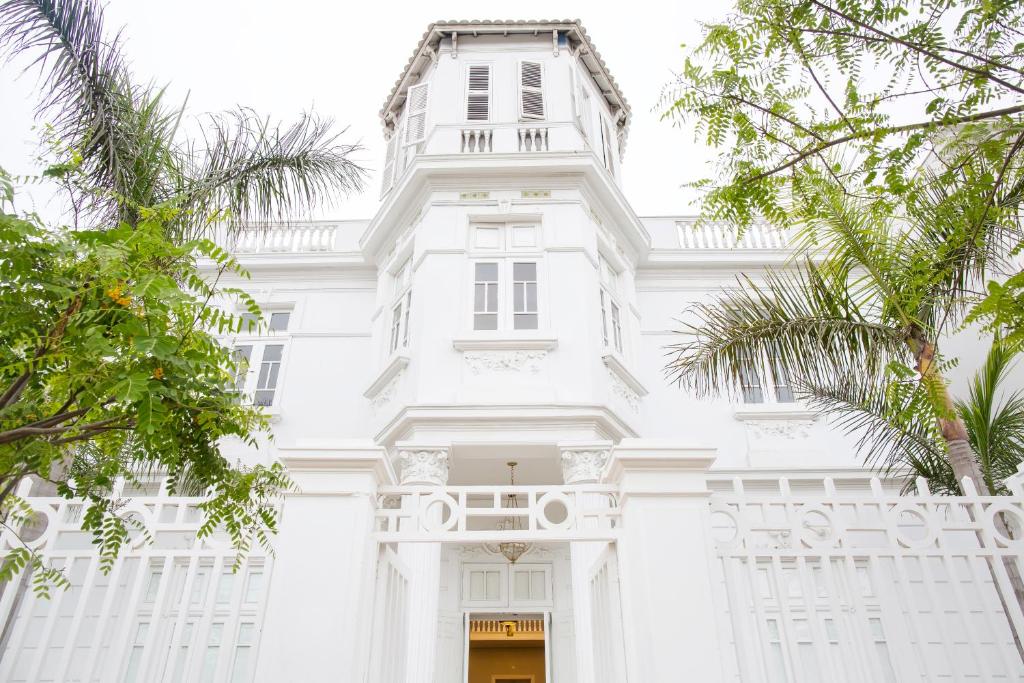
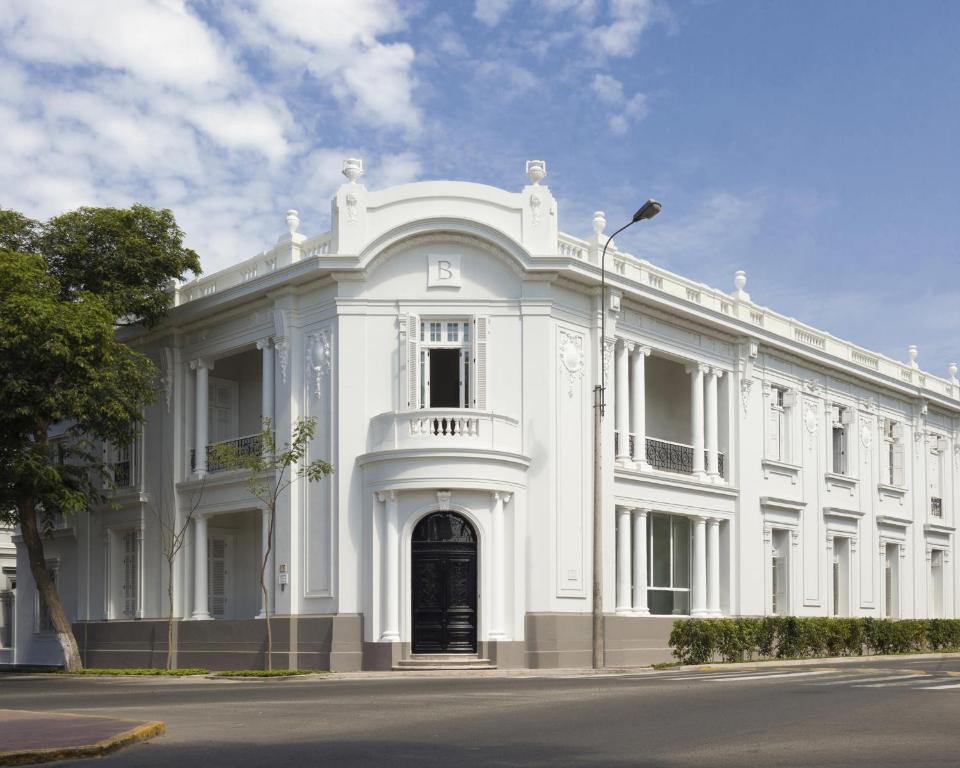
Barranco – Proche Miraflores
- 19th-century building, bar, restaurant, lush garden
- Bright tastefully decorated rooms
- Very popular — book in advance!
From 180€/night
Check availability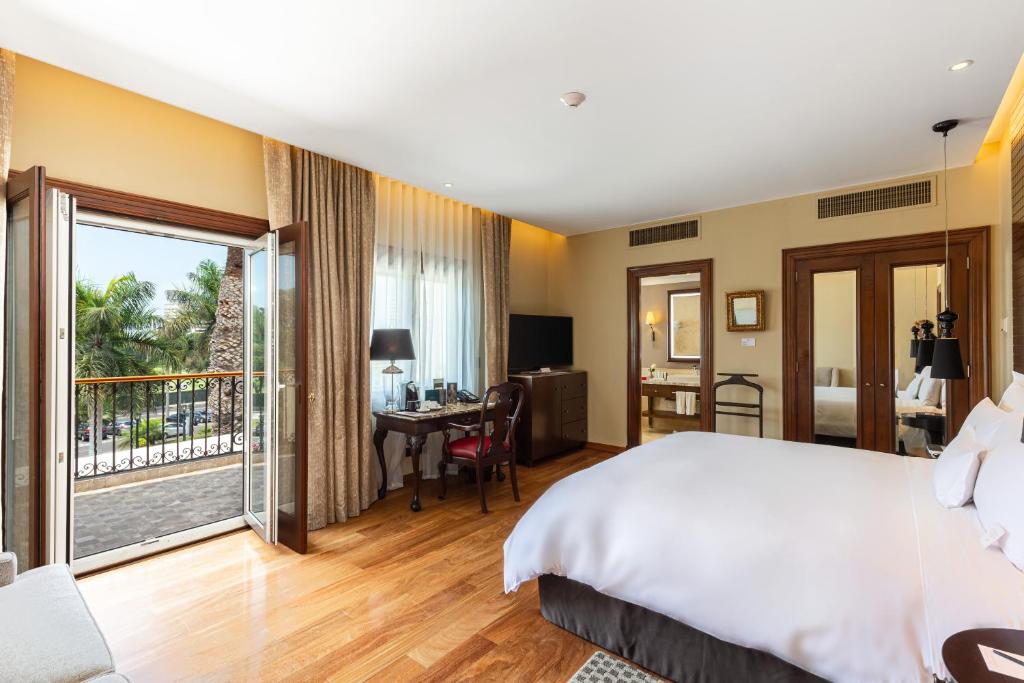
San Isidro – El Olivar Grove
- 1920 English manor, golf, pool, spa
- Restaurant Perroquet, 5× best in Peru
- Century-old olive trees, a timeless retreat
From 250€/night
Check availabilityStaying in Miraflores, the most interesting option
I almost always stay in Miraflores when I come to Lima (which is about once a year). Because the hotel offer is very interesting, not particularly expensive, but it’s also the quietest district in Lima. You can take a leisurely stroll here, even at night.
Miraflores is the tourist heart of Lima. And with good reason: it’s got it all. Hotels for every budget, world-class restaurants (several in the top 50 World’s Best Restaurants!), the Malecón that runs along the cliffs overlooking the Pacific, the Larcomar shopping mall suspended over the ocean… Frankly, if this is your first visit to Lima, you can’t go wrong with Miraflores.
The district revolves around Parque Kennedy, which is (very) lively at all hours, with its craftsmen, lounging cats and cool cafés all around. Just be careful with your bags, tie them to the tables 😀
The Huaca Pucllana, a 1,500-year-old pyramid right in the middle of the district, is one of the most unusual sights you’ll ever see.
- I’ll list a few below, but if you’re looking for a nice, inexpensive B&B, then I highly recommend El Patio Miraflores!
Benefits
- Excellent security, ideal for first-time travellers to Peru
- Wide choice of accommodation to suit all budgets
- Exceptional gastronomy at your fingertips
- Malecón promenade overlooking the Pacific Ocean
- Easy access to Barranco (10 min. walk) and San Isidro
- Lively neighborhood near Kennedy Square
Disadvantages
- Tourist district, less local authenticity
- Can be a little expensive compared to other neighborhoods
- Traffic can be heavy on main arteries
- Not near the Centro Historico

Miraflores – Larcomar & Pacific
- Spectacular ocean view, rooftop pool
- Luxury spa, two restaurants inc. one with sea view
- Impeccable service, reference palace hotel
From 250€/night
Check availability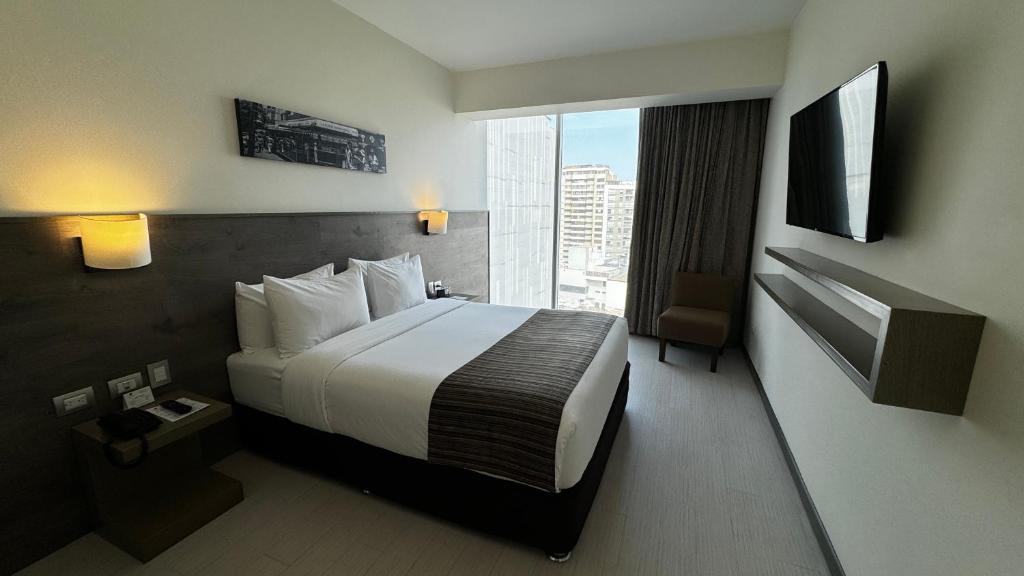
Miraflores – 200m from Larcomar
- 200m from Larcomar, close Pacific view
- Generous praised breakfast, clean and comfortable
- Attentive staff, excellent value for money
From 70€/night
Check availability
Miraflores – Malecón
- Lima's first hotel free of single-use plastic
- Rooftop yoga, spa, Pacific view
- Gourmet restaurant, the rising address
From 130€/night
Check availability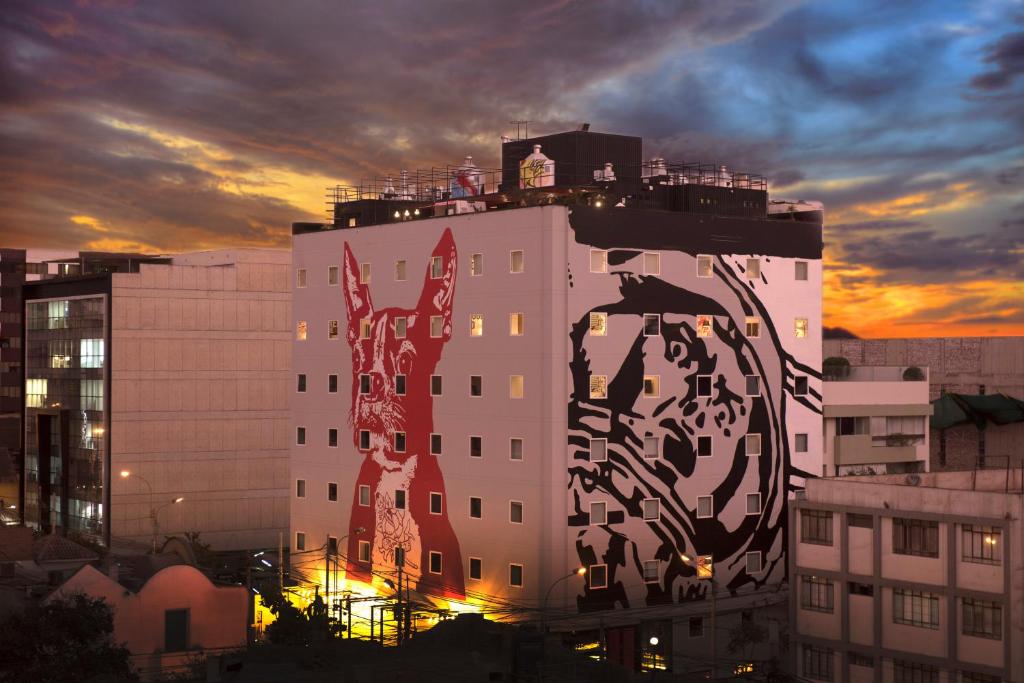
Miraflores – Parque Kennedy
- Top-rated in Lima, rooftop pool and bar
- Modern colourful design, young vibe
- 2 min from Parque Kennedy, great value
From 70€/night
Check availability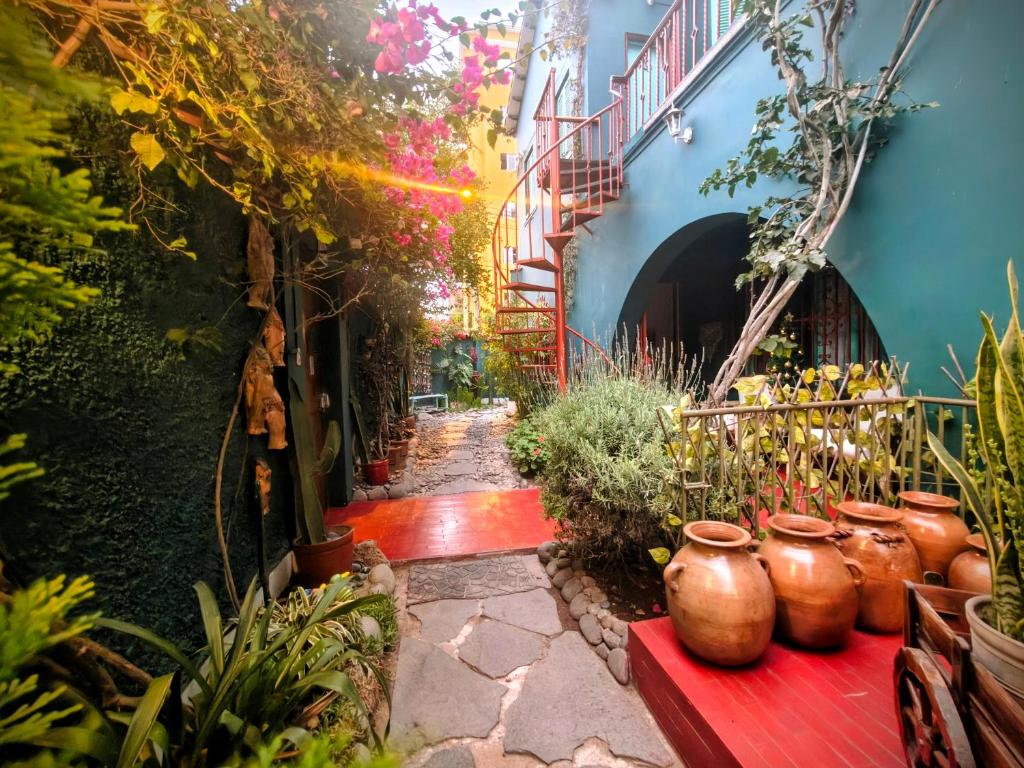
Miraflores – 8 min walk to Larcomar
- Rooms with kitchenette, balcony and garden view
- Exceptional breakfast on the rooftop terrace
- Staff rated 9.9 — feels like home
From 40€/night
Check availability
Miraflores – Parque Kennedy
- Iconic building by Bakpak Architects, a work of art
- Peruvian pop culture, Instagram spots everywhere
- Spa, fitness, steps from Lima's best restaurants
From 130€/night
Check availability
Miraflores – Larco Avenue
- Best breakfast buffet in its category
- Fitness, lounge bar, meeting rooms
- Ideal for business travellers and groups
From 160€/night
Check availability
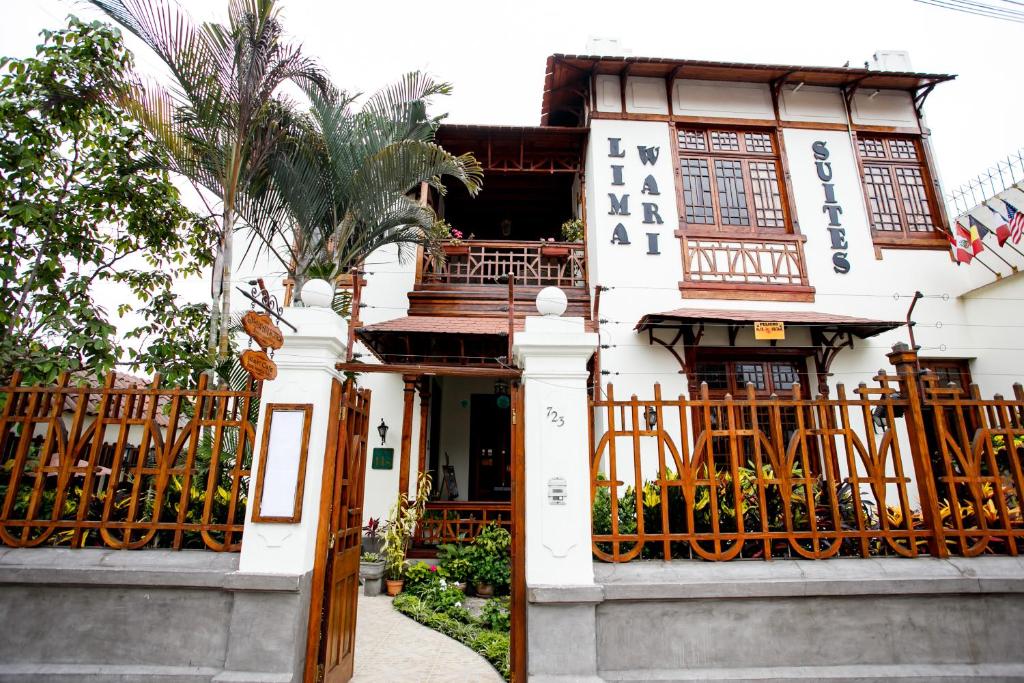
Miraflores – Quiet area
- 3-star hotel with a 5-star rating!
- Traditional colonial building, quiet street
- Breakfast included, lovely staff
From 80€/night
Check availabilityFind a hotel in Barranco, Lima’s bohemian and creative district
Barranco is a favorite destination for many travelers who visit it. Formerly a seaside neighborhood for Lima’s wealthy families in the late 19th century, it has been transformed into a haven for artists, art galleries, wine bars, vegan cafes, and street art on every corner. The atmosphere is ultra-relaxed, and Peruvians flock here on weekends to socialize and party.
The Puente de los Suspiros (Bridge of Sighs), the Bajada de Baños leading down to the sea, the MAC Lima (Museum of Contemporary Art)—Barranco is full of charming walks. It’s also one of the best neighborhoods to eat ceviche with your feet in the water at sunset. Go on, you get the picture!
Be aware, however, that the neighborhood tends to change a bit, especially at night. To avoid less safe areas, stay around the Municipal Park, Bajada de Baños, and Pedro de Osma Avenue. It’s best to avoid staying east of Avenida Francisco Bolognesi, especially at night.
Advantages
- Unique artistic and bohemian atmosphere in Lima
- Excellent bars, seafood restaurants, and nightlife
- Calle de los Suspiros (Street of Sighs) and seaside promenades
- Relatively safe neighborhood that is pleasant to walk around
- Easy connection to Miraflores (15 min walk or 5 min taxi ride)
Disadvantages
- A little further from the historic center
- Can be noisy on weekends
- Fewer high-end hotels than in Miraflores
- Don’t stray too far from the tourist center of the neighborhood

Where to stay in San Isidro, the neighborhood of understated elegance
San Isidro is Lima’s financial and diplomatic district. With its tree-lined avenues, luxurious residences, designer boutiques, embassies and historic country club, this is clearly Lima’s chic and discreet neighborhood. It’s the perfect choice for business travelers or those seeking calm and premium comfort without the touristy feel of Miraflores.
The Larco Museum, with its extraordinary collection of pre-Columbian art, is nearby. The Bosque El Olivar, a small wood of century-old olive trees in the middle of the neighborhood, offers unexpected and relaxing walks.
It’s a super-convenient and pleasant neighborhood, but surprisingly I never really got hooked. Mainly because I love strolling along the Miraflores waterfront. However, it’s pretty close to everything, so it’s great for getting around!
Benefits
- Extremely safe and quiet neighbourhood
- Luxury hotels among the best in Lima
- Close to Miraflores (10-15 min. walk)
- Larco Museum and Bosque El Olivar nearby
- Ideal for business travellers
Disadvantages
- Less ambience and local life than Miraflores or Barranco
- Few budget options
- Residential neighborhood, very (too) quiet at night
San Isidro – El Olivar Grove
- 1920 English manor, golf, pool, spa
- Restaurant Perroquet, 5× best in Peru
- Century-old olive trees, a timeless retreat
From 170€/night
Check availability
San Isidro – Financial district
- 5★ tower in the heart of the business district
- Spa, pool, fitness, gourmet restaurant
- Pet-friendly, 10 min from Miraflores
From 220€/night
Check availability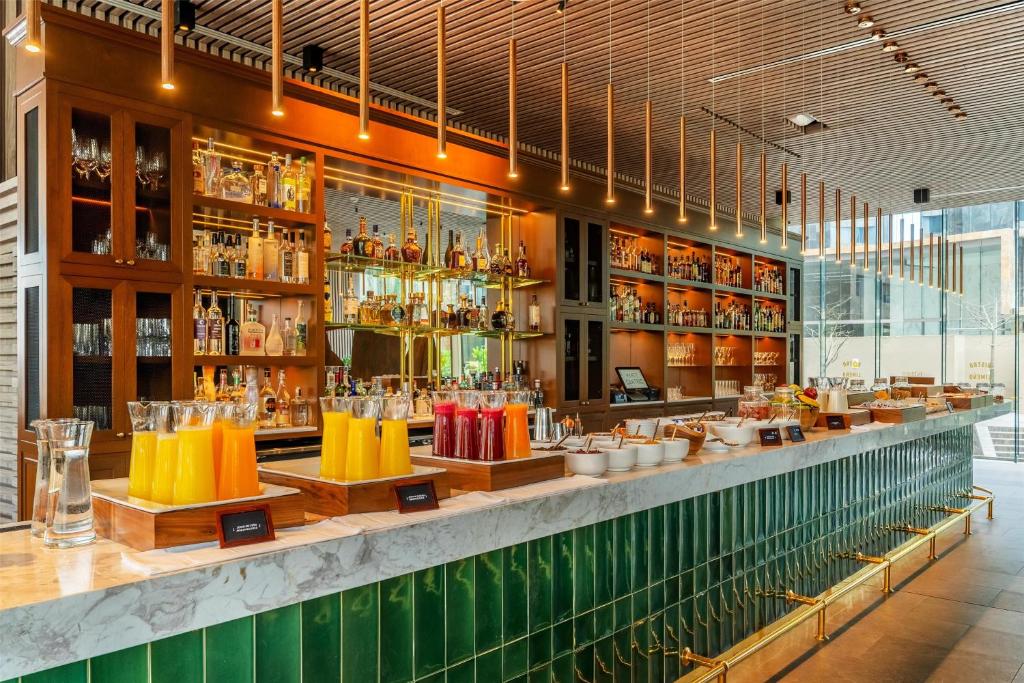
San Isidro – Central
- Very popular with families and couples
- Contemporary design, truly attentive service
- Excellent restaurant, honest value for money
From 160€/night
Check availability
San Isidro – El Olivar Grove
- Overlooking the century-old olive grove, absolute calm
- Pool, restaurant, chic residential atmosphere
- Ideal for business stays or peaceful travellers
From 90€/night
Check availabilityStaying in Lima’s Historic Centre, UNESCO at your fingertips
The Cercado de Lima, a UNESCO World Heritage site, is absolutely fascinating during the day. The Plaza de Armas with its baroque cathedral, the Palacio de Gobierno, the convents of San Francisco and their catacombs, the sculpted colonial balconies – the architecture is breathtaking.
But… and it’s important to make this clear: the historic center is not the best option for sleeping. During the day, with tourists and locals alike, the atmosphere is lively and interesting. But as soon as the shop gates close in the evening, the area empties out and can become less safe. If you want to sleep there, you have to stay in the guarded area between the gates. In the evening, it’s really nice and safe (there are police everywhere). And the historic center is really pretty at night.
After that, it changes year after year. I’d say the “relatively safe” perimeter is gradually expanding.
If you decide to sleep there anyway (the proximity of the sites is a real advantage), choose hotels with good ratings, take cabs home at night, and avoid areas outside the main historic perimeter.
Well, I must admit that the number of quality hotels here is quite small!
Benefits
- Total immersion in UNESCO-listed colonial architecture
- Direct access on foot to the Plaza de Armas, cathedral and convents
- Cheaper accommodation options than Miraflores
Disadvantages
- Reduced security at night when shops close outside the guarded area
- Quality of accommodation more uneven
- Quality bars and restaurants in the hypercentre
- Significant daytime noise (vendors, traffic, horns)

Historic centre – Plaza de Armas
- The go-to address in the historic centre
- Excellent breakfast buffet, security and comfort
- 2 steps from the cathedral and convents
From 70€/night
Check availability
Historic centre – Plaza San Martin
- Between Plaza San Martin and Plaza de Armas
- Best value in the historic centre
- Ideal for exploring on foot all day
From 60€/night
Check availability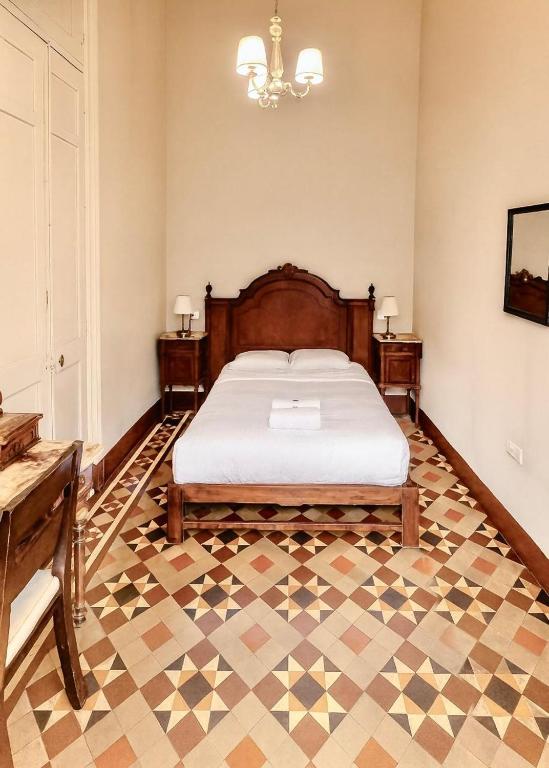
Historic centre – Near the station
- Early 20th-century building, marble floors, rooftop bar
- Breakfast included, salsa and ceviche classes
- 200m from the central station, great traveller vibe
From 25€/night
Check availability
Historic centre – Jirón Azángaro
- Former annex of the San Francisco convent
- Rooftop breakfast, unique historic setting
- 2 steps from Plaza de Armas, location rated 9.2/10
From 35€/night
Check availabilityNeighborhoods to avoid
Lima is a generally accessible city for travelers, but some neighborhoods have a high crime rate and are of no interest to tourists. It’s a good idea to be aware of these areas so you don’t end up there by mistake, especially if you’re taking a cab or public transport.
Areas to avoid are Callao (even around the airport), La Victoria, El Agustino, Rimac, San Juan de Lurigancho and Villa El Salvador. In these areas, there is a real risk of snatching and mugging, even in the middle of the day. These are popular residential neighborhoods with no sites to visit, and frankly, no reason to go there as a tourist. I ventured into Rimac a bit by accident and almost regretted it (and got yelled at by Madame afterwards).
The good news is that the areas you’re interested in – Miraflores, Barranco, San Isidro and the historic center during the day – are well marked out and safe if you keep to your usual reflexes: no display of expensive camera gear, phone tucked away in your pocket, and cabs booked via app (Uber, Cabify, InDriver) rather than hailed on the street.
Hostels and budget accommodation
Lima has some excellent hostels, often housed in beautifully renovated colonial houses. Whether you’re looking for a dormitory to meet travelers or an economical private room, here are the addresses that are definitely worth a visit.

Historic centre – Near Museo de Arte
- Renovated 1900 colonial house, rooftop bar terrace
- Ceviche workshops, yoga, free guided tours
- Breakfast included, dorms from €13
From 13€/night
Check availability
Miraflores – 30m from Parque Kennedy
- Charming house 30m from Parque Kennedy
- Beautiful communal areas, central patio
- Exceptional staff, top value for money
From 40€/night
Check availability
Barranco – 1914 mansion
- Renovated 1914 mansion, inner patio, lively bar
- Ultra-welcoming staff, regular evening events
- Great for meeting travellers, dorms from €10
From 10€/night
Check availability
Miraflores – Near Larcomar
- Affordable and reliable hotel right in Miraflores
- 3 min from the metro and Larcomar, clean and functional
- Best budget choice without going to a hostel
From 45€/night
Check availabilityStaying next to Lima Jorge Chavez airport
If you have an early morning flight, stopover or overnight transit, sleeping near Jorge Chávez International Airport can be a really good idea. It saves you having to cross Lima at 4am by cab, and frankly, with the traffic jams of the Peruvian capital, even a trip from Miraflores can take 45 minutes to an hour depending on the time.
The catch is that the airport is in Callao, a district I strongly advise against walking or exploring. But don’t worry: there’s absolutely no need to leave the immediate perimeter of the airport. Convenient overnight hotels are either directly connected to the terminal, or two minutes away by free shuttle bus – no reason to stick your nose out.
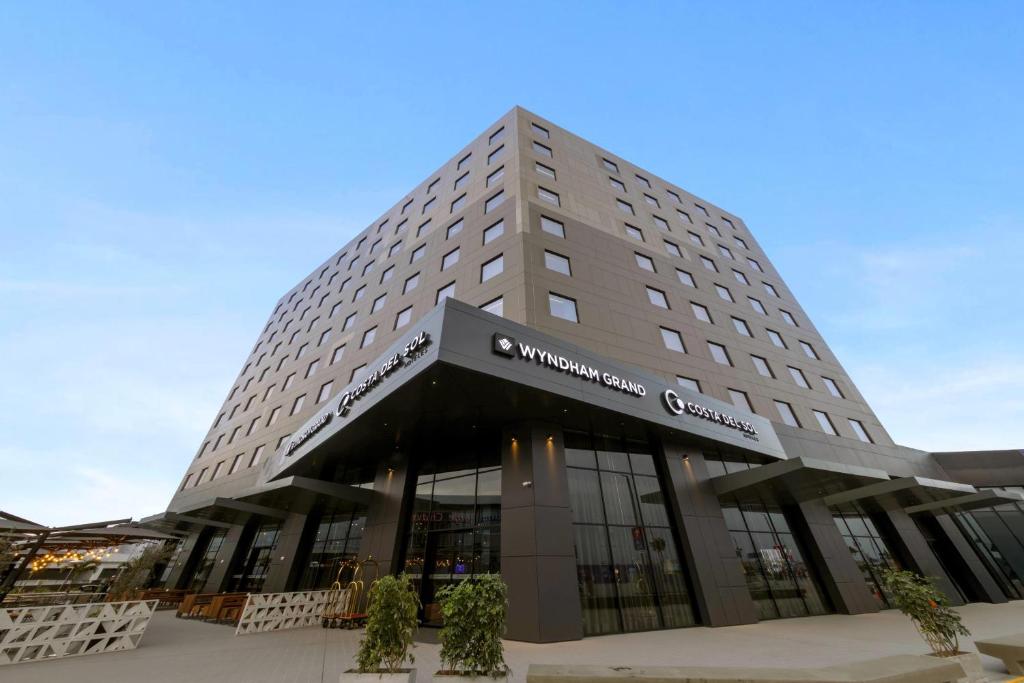
Jorge Chávez Airport – Covered walkway
- Connected to the terminal via covered walkway — no need to go outside
- Pool, spa, restaurant — ideal for long layovers
- Generous breakfast included
From 200€/night
Check availability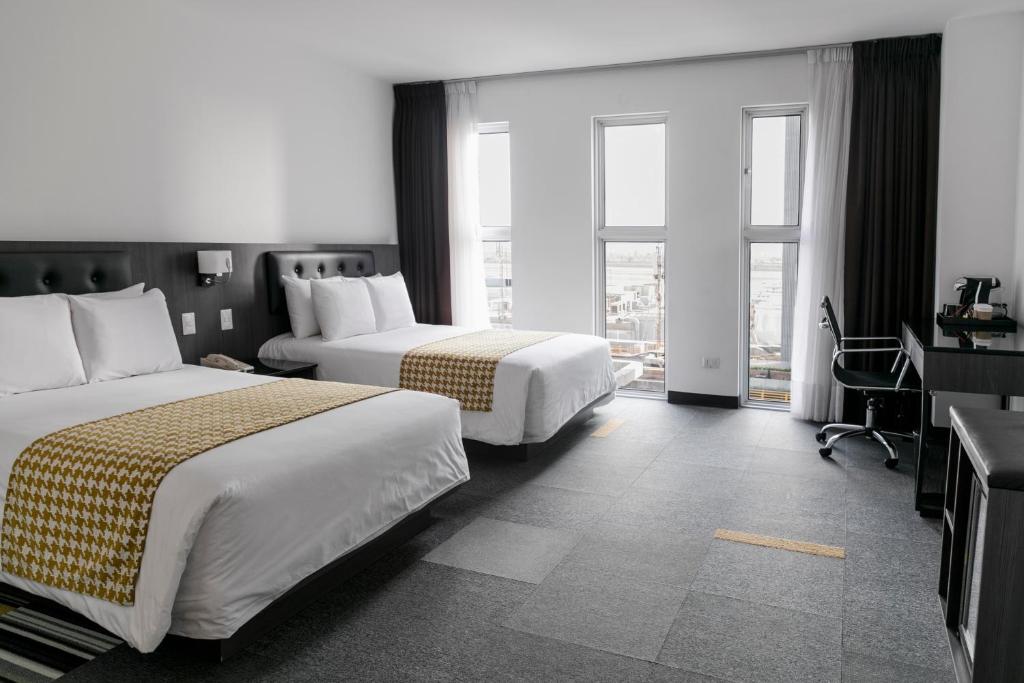
Jorge Chávez Airport – Shuttle every 30 min
- Free shuttle every 30 min to the terminal
- Breakfast buffet included from 4am
- Spa, indoor pool, Paprika restaurant open 24/7
From 150€/night
Check availability
Jorge Chávez Airport – Inside the terminal
- The only option directly inside the terminal
- Private cabins — without leaving the airport
- Ideal for short layovers, hourly booking available
From 50€/night
Check availability
Jorge Chávez Airport – Opposite the terminal
- Free shuttle every 15 min, 24/7
- Breakfast buffet from 4am — perfect for early flights
- Free parking, pool, reliable and highly rated
From 85€/night
Check availabilityIn conclusion, which district of Lima should you choose to sleep in?
- First stay in Lima → Miraflores without hesitation. Safe, convenient, it’s all there.
- You want atmosphere and authenticity → Barranco is a guaranteed favorite.
- Business traveler or quiet retreat → San Isidro, for its calm and luxury hotels.
- Colonial history buff → Historic center by day, but take the cab back at night!
- Small budget → Miraflores and Barranco hostels offer excellent value for money.
Whatever your address, Lima has gastronomic, cultural and visual surprises in store that few South American capitals can match. Buen provecho and buen viaje!

Some other blog resources about Lima and Peru
I spend quite a bit of time in Peru thanks to Madame and, although at first I had some pretty strong preconceptions about Lima, I’m finally taking the time to visit it (definitely stop by the Museo Larco!), so I’ve written up a few things that might interest you:
- What to see in Lima – I’ve listed the capital’s coolest and most interesting places here
- Visiting Cusco – there’s so much to see in this fabulous city, I’ve listed it all for you!
- What to do in Arequipa and the surrounding area – perhaps my favourite city in Peru! The region is incredible and so beautiful.
- Visit Chachapoyas – a little-known empire on the Amazonas border, surprising and magnificent!
- Visit Machu Picchu – I’ve put together all the information you need to visit this place, really, don’t miss out!
- Preparing your trip to Peru – a general article with all the information you need.
- The most beautiful places in Peru – it was hard to choose, but here are my favourites!
And then discover all my articles on Peru! there are 30 of them!