Dernière modification le
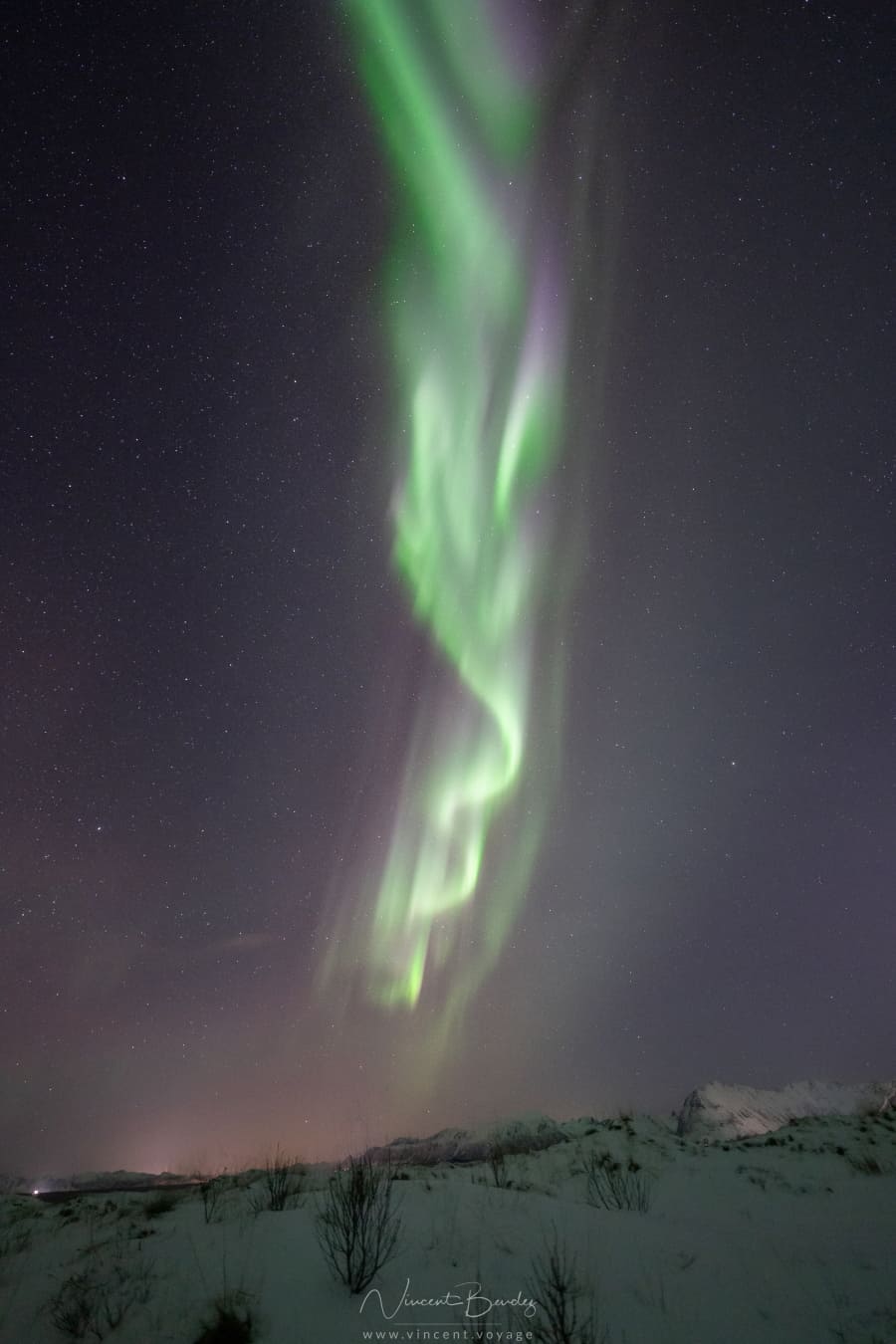
There are two completely opposite ways to spend winter, and that’s what makes the question tricky. Either you want to escape it and feel the sun on your skin again. Or you want to live it to the fullest, with real snow, deep cold and northern lights overhead.
I’ve spent a lot of winters up north and a few in the sun, and I’m going to tell you something nobody puts in this kind of article: December and February are not the same season. Not at all. December in the Far North is Christmas magic, but it’s also sometimes rotten weather and permanent night. February is real snow, the light coming back, and you actually get to enjoy the landscapes. On the other side of the world, it’s exactly the opposite: December is better than January-February.
So I’ve sorted these ten destinations into three moods: escaping winter, switching hemispheres, or living it to the fullest. And for each one, I tell you which month to aim for.
Alright, let’s go!
| Destination | Daytime | Daylight hours | From Paris | Budget / day / person | Best month |
|---|---|---|---|---|---|
| The Canary Islands Lanzarote, Gran Canaria | 21°C | 10 h | 4 h flight | 80 – 115 € | All winter |
| Punta Cana Dominican Republic | 29°C | 11 h | 9 h 30 flight | 120 – 170 € | Dec. to April |
| New Zealand Southern summer | 20 – 25°C | 15 h | 24 h flight | 150 – 200 € | December |
| Argentina Southern summer | 25 – 30°C | 14 h | 14 h flight | 90 – 130 € | December |
| Finnish Lapland Rovaniemi | -8°C | 4 – 6 h | 4 h flight | 150 – 220 € | Dec. or February |
| Tromso Arctic Norway | -3°C | 3 – 6 h | 3 h 45 flight | 160 – 220 € | Late Jan. to mid-March |
| Senja Arctic Norway | -4°C | 3 – 6 h | 3 h 45 + road | 140 – 190 € | Mid-Jan. to late March |
| Iceland Reykjavik, south coast | 2°C | 5 – 7 h | 3 h 10 flight | 150 – 210 € | All winter |
| London England | 8°C | 8 h | 2 h 30 by train | 130 – 180 € | December |
| Hong Kong Asia | 20°C | 11 h | 12 h flight | 100 – 140 € | Dec. to February |
Temperatures and daylight hours: averages for the December-February period. Budgets are ballpark figures for two people at the mid-range level, accommodation + meals + activities, excluding transport to the destination. In the North, expect to pay more between 20 December and 2 January and during the February holidays.
Escape winter: sunshine a few hours’ flight away
Let’s start with the most obvious one. When it’s been grey for six weeks, the only thing you want is sun on your face without spending twenty hours on a plane.
The Canary Islands, eternal spring
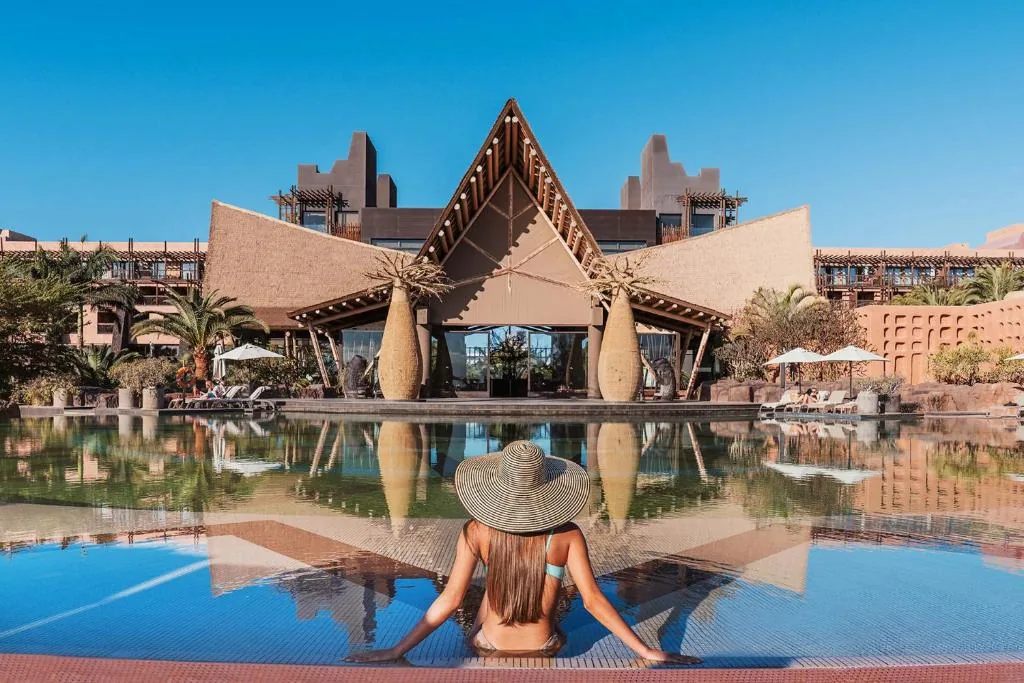
Let me just tell you straight away: this is the simplest answer to the question “where to go in winter.” A four-hour flight, no time difference, and a climate that barely ever moves.
They call it eternal spring, and for once the expression is deserved. It’s never too hot, never cold, and it rains very little. That’s exactly why the Canaries’ high tourist season runs from October to April, which is precisely when the weather turns rotten in mainland Europe. The islands are a refuge.
My favorite is Lanzarote. The volcanic landscapes, the lava fields as far as the eye can see, the low white architecture championed by César Manrique, who saved the island from concrete. It’s a complete change of scenery less than four hours from Paris, and I know nothing like it in Europe.
Gran Canaria is the other option, more varied: a beach-resort south coast, and as soon as you head ten kilometers inland, canyons, mountain roads and white villages at a thousand meters of altitude. The Degollada de las Yeguas viewpoint made me let out a “whoa” I don’t hand out easily.


Why go in winter
I’ve been several times, including in January, and I’ll be honest with you about what it’s like:
- it was really pleasant, the weather is mild, you can walk and hike all day without suffering
- the volcanic landscapes don’t depend on the season, Timanfaya is just as beautiful in January as in July
- a four-hour flight, zero time difference, one week per island is plenty
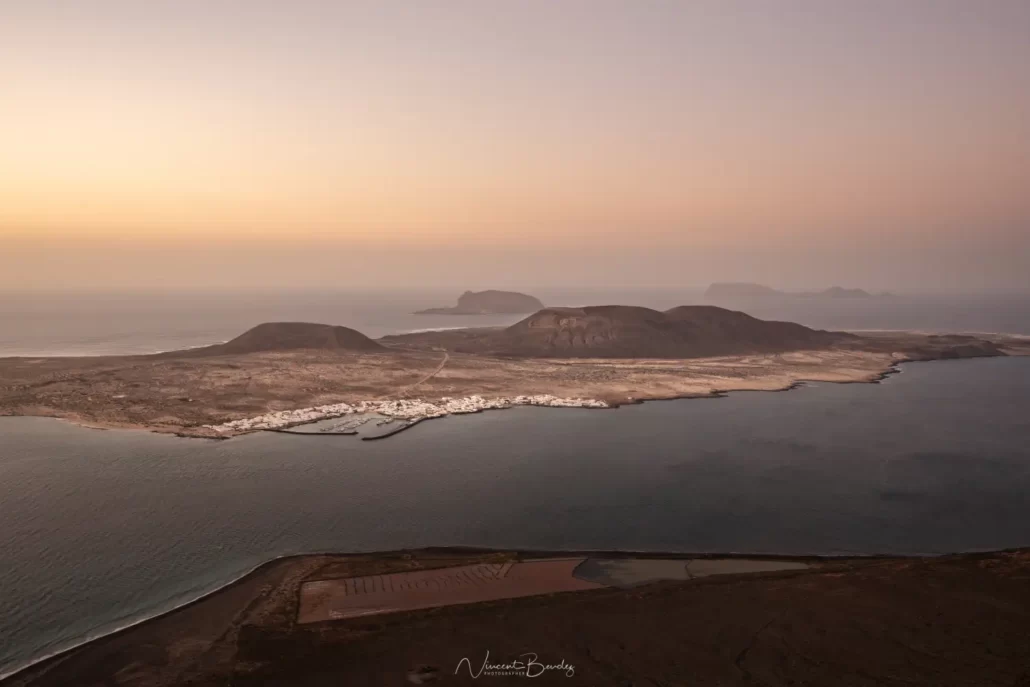
- and you can add on another island, La Graciosa is a quick boat ride for next to nothing
The downside, and it matters: in January it’s a bit cloudier and the temperatures are lower than in summer. So for sunbathing on the beach, it may not be ideal. The nights are cool, so pack a light sweater. If you’re coming for a tan, head to the Caribbean instead. If you’re coming for landscapes and walking in the sun, it’s perfect.
One more thing: there are tourists in the Canaries all year round. It’s never as packed as in August, but don’t expect to be alone on the coast. The fix is simple, head inland.
A few resources on the Canaries
Everything you need to plan your week in the sun:
- What to do in Lanzarote: my complete guide, with the routes, the beaches and the volcanoes
- When to go to Lanzarote: month by month, what you’ll get and what you won’t
- The Timanfaya volcano park: how to visit it, and why it’s the most beautiful spot on the island
- The island of La Graciosa: the wild little sister, a day trip from Lanzarote
- Lanzarote with kids: why it’s one of the best family winter destinations
- A week in Gran Canaria: the other island, more varied, with its canyons and mountain villages
- Where to stay in Lanzarote: the best areas and my picks by budget
Punta Cana, when it’s genuinely the best season
You know me, I normally need snow and northern lights. Punta Cana wasn’t exactly my comfort zone. And yet I really found it lovely. Aaand I’ll admit that getting a little dose of sun in the dead of winter doesn’t hurt!
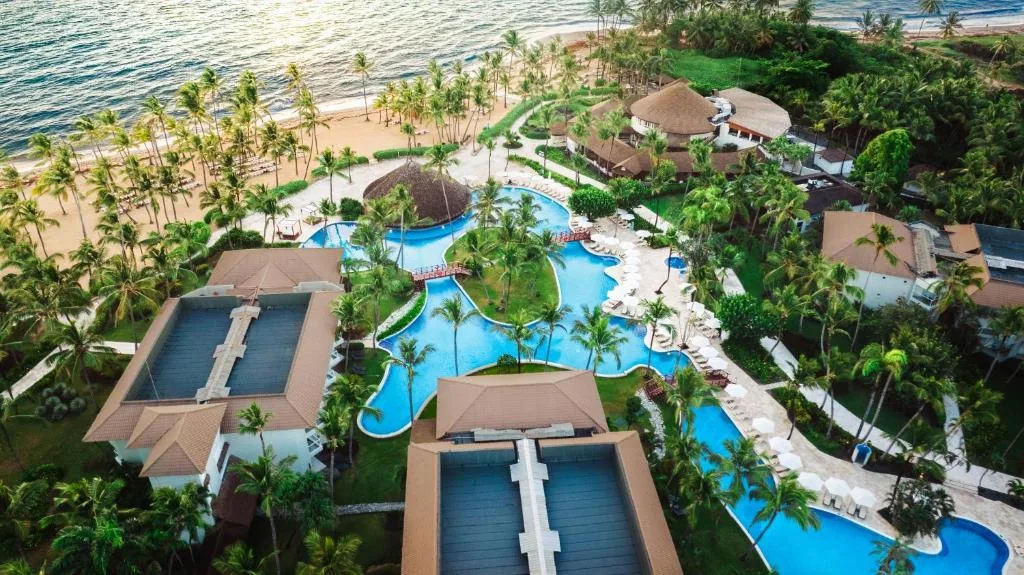
These are some of the most beautiful beaches in the Caribbean: white sand, crystal-clear water, coconut palms. The postcard, basically. With the option of taking excursions, including Saona island, my favorite, truly paradise. You go out by catamaran and come back by speedboat, meal included.
But above all, Punta Cana lets you just enjoy the beach, sip your cocktail and laze around in peace. That’s kind of what I came for, and I fully endorse this activity.


Why go in winter
Because it’s the season, plain and simple. The absolute best is December to April, and it’s the only time of year I’ll tell you so without reservation:
- you’re completely out of the rainy and hurricane season, which ends in late November
- it’s warm without being overwhelming, around 29°C during the day, with bearable humidity
- and the water is 26-27°C, which makes swimming genuinely pleasant even in January
The downside is the price. December to April is high season, so it’s the priciest and busiest time. If you want the in-between, it’s September to November: fewer people, cheaper, still a decent climate. But you’re taking a weather risk.
Three traps to know about, because I got caught on the first one. Never book with the touts on the beach, they sell you services that may not even exist. Check your all-inclusive on a case-by-case basis, it ranges from basic to five times that. And pay in pesos and in cash: in euros the prices are inflated, and the card is very often marked up by 18%.
A few resources on Punta Cana
It’s all in the guide:
- Vacation in Punta Cana: the three areas, the excursions worth doing, how to choose your all-inclusive and all the traps
Switch hemispheres in winter: down there, it’s summer!
This is the option people systematically forget, and yet it’s the most radical. While you’re shivering, the southern half of the planet is in the middle of summer. You leave for two weeks, you come back tanned in January, and no one gets it.
New Zealand in the heart of the southern summer
If there’s one destination I’ll break the piggy bank for, it’s this one. New Zealand’s landscapes have a variety that makes no sense for a country this size: fjords, volcanoes, glaciers, turquoise lakes and beaches, all within a few hours’ drive.
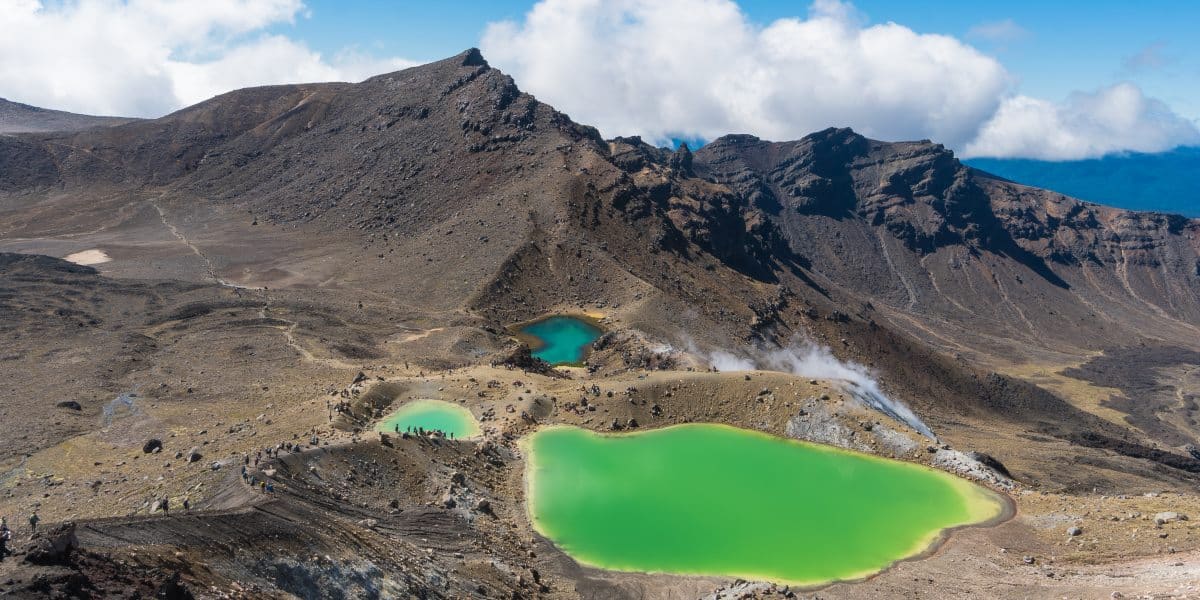
December to February is full summer down there. You get fifteen hours of daylight, you hike in a t-shirt, and you can do the Tongariro Alpine Crossing, which is still one of the most beautiful days of walking I’ve ever done.
Milford Sound alone is worth the trip. And Lake Tekapo with its improbable milky water, under a sky designated an international dark sky reserve.
The real New Zealand pleasure is the road, when it comes down to it. You drive, you stop, you set off again. The distances are reasonable and the scenery changes every fifty kilometers.


Why go in winter
The math is unbeatable, with a nuance worth the detour:
- you go from 5°C to 25°C just by switching hemispheres. It’s silly, but it’s the only place on this list where you experience a real summer. And you only have to change islands if you want the cooler climate.
- fifteen hours of light a day, which changes everything for a road trip. You drive until 9 p.m. and you can still see the scenery
- it’s the only period when all the high-altitude hikes are open
And here’s the nuance, which I’d advise you to take seriously: aim for December rather than January-February. The high tourist season runs from October to March, but January and February also coincide with New Zealanders’ summer holidays. So you’re stacking foreign tourists AND locals on the roads, in the campsites and in the lodgings. December, especially the first half, gives you the same climate without that double pressure.
The two real downsides. The flight first: at least 22 hours, plus the time difference. When you arrive, your head will be upside down for two days, so factor it into the plan. And the budget: hotels are expensive, in high season finding a double room for under 80 € is a feat, and often without a bathroom at that price. Book well in advance or switch to a van.
A few resources on New Zealand
I’ve written a lot about this country:
- Planning your trip to New Zealand: flights, seasons, budget, van rental, all the practical stuff
- 12 exceptional places to see: my selection, from north to south, to build your itinerary
- The 10 most beautiful roads: because the trip mostly happens behind the wheel
- Milford Sound: the fjord that alone justifies the 22 hours on a plane
- Lake Tekapo: its milky water, and one of the most beautiful starry skies in the world
- The Tongariro hike: the country’s most beautiful day of walking, and how to go about it
- The most beautiful landscapes: enough to make you want to go, if you don’t already


Argentina, from Buenos Aires to Patagonia
This is my other big southern-hemisphere tip, and this one I’ve done several times, always in December. It was spot on every single time.
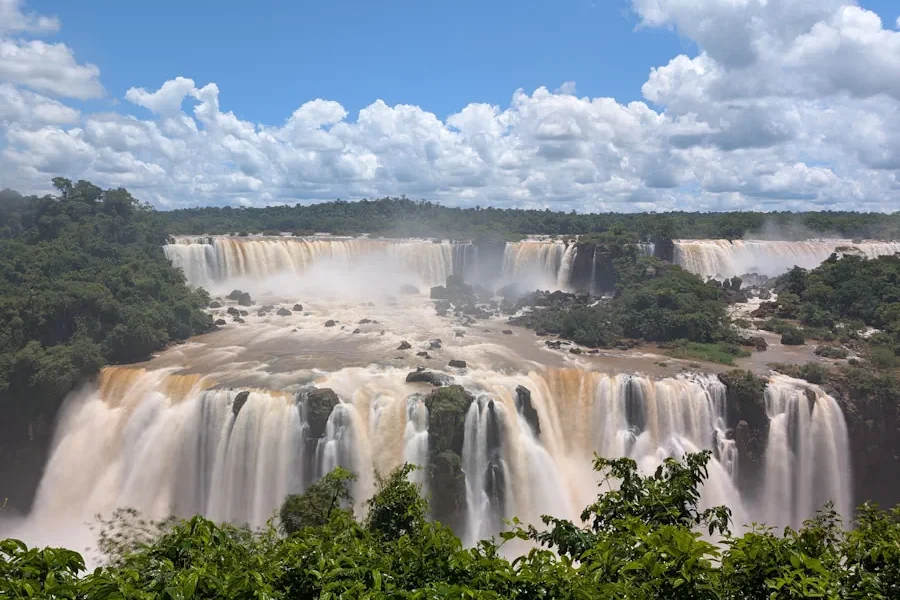
Argentina is a country so vast that switching regions means switching worlds. You’ve got Buenos Aires the cosmopolitan, the North around Salta with its colourful mountains and Andean villages, Patagonia and a mindset that feels closer to the Nordic countries than to Spain, and the Iguazu Falls on the Brazilian border.
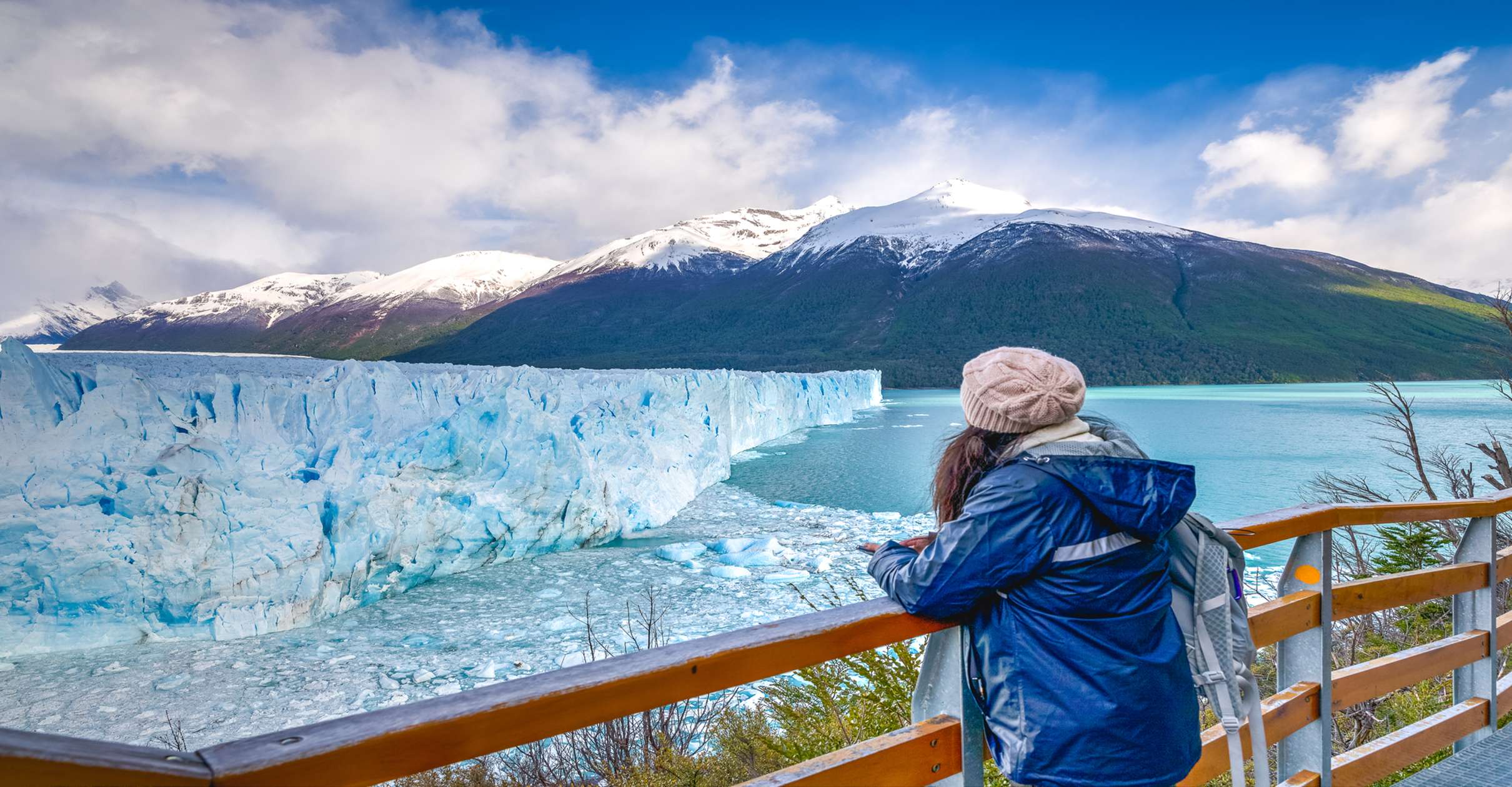
The Perito Moreno glacier is one of those places that leave you speechless: a sixty-metre-high wall of ice that cracks and collapses into the lake right in front of you. The Quebrada de Humahuaca and the seven-coloured mountain of Purmamarca, up in the North, are a completely different kind of thing and just as striking.
Count on two to three weeks to do two regions honestly. The country is huge and the domestic flights are long.


Why go in winter
Careful though, the window is narrower than it looks, and this is where I can save you from a mistake.
December is the truly top month. It’s the one I’ve done, every time, and here’s why it works better than January-February:
- in the North, around Salta, you’re better off avoiding January, February and March: it pours down, the air is humid, it’s really not great. The good season up there runs from September to December
- in Patagonia, the austral summer runs from September to April, but January and February are very touristy. In December you get the season without the crowds
- and during the austral winter, from June to August, a big chunk of it simply shuts down. El Calafate looks like a ghost town
In other words, December is the perfect junction: the end of the good season in the North, the start of the season in Patagonia, and all of it before the tourist peak. If you’re travelling over the Christmas holidays, it’s one of the best destinations on this list.
The downside is the flight, fourteen hours direct to Buenos Aires, and the internal distances that will force you to fly once you’re there. Don’t underestimate that in your budget.
A few resources on Argentina
Everything you need to build those two weeks:
- Planning your trip to Argentina: flights, visa, currency, car rental, safety, the regions: all the practical stuff
- The Perito Moreno glacier: how to visit it, and why it’s as impressive as everyone says
- What to do in El Calafate: the base for Argentine Patagonia, and all the activities around it
- The Iguazu Falls: the Argentine side and the Brazilian side, the prices and how to organise it
- The Quebrada de Humahuaca: the Andean villages and colourful mountains north of Salta
- The seven-coloured mountain: Purmamarca, and the best time of day to see it

Living winter to the fullest: snow and the northern lights
Now we’re on my home turf. I’ve spent a lot of time in the Far North, and I’m going to tell you honestly what nobody writes: not every winter week is equal up there, and the gap is enormous.
Finnish Lapland, for the magic of Christmas
If there’s one destination made for the Christmas holidays, it’s this one. Rovaniemi is the capital of Finnish Lapland, and above all it’s the town where everything is easy because everything revolves around the activities: northern lights, dog sledding, snowmobiling, reindeer.
And there’s the Santa Claus village, of course. If you’re travelling with kids, it’s the kind of memory they’ll keep their whole lives.
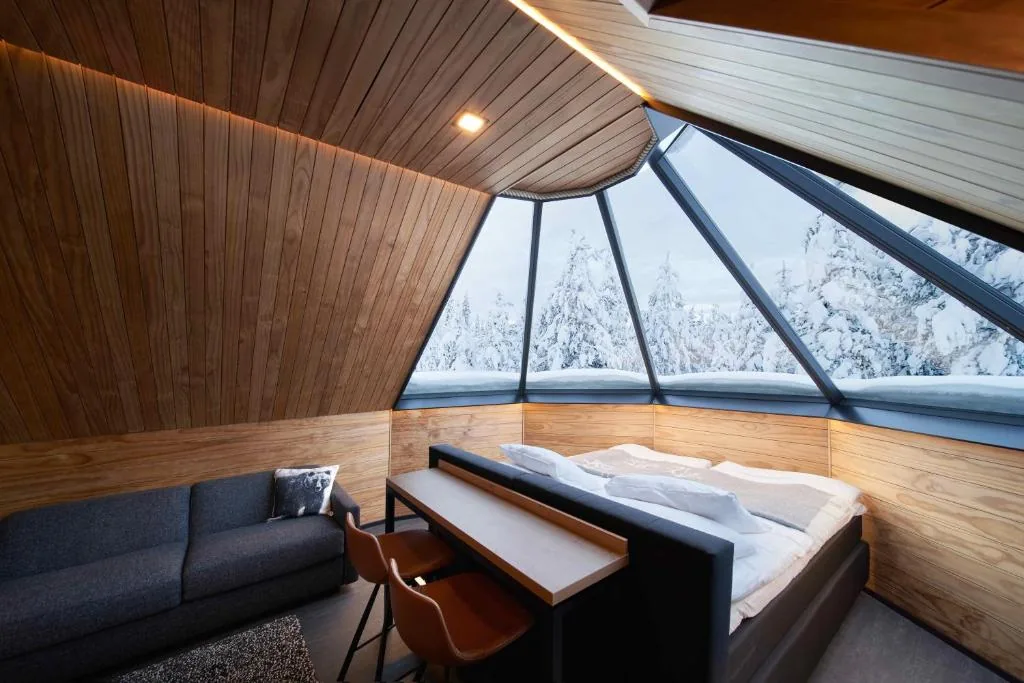
But my real favourite up there is the glass igloos. You sleep warm under a transparent dome, and if the lights go off at three in the morning, you watch them from your bed. It’s as kitsch as it is magical, and I own that completely.
And for those who want to get off the beaten track: the frozen waterfalls of Korouoma, from December to April, when the falls turn into ice sculptures. It’s far less known and honestly spectacular.
In the same vein, there’s the thing nobody talks about and which might just be the most beautiful of all up there: the tykky. It’s the Finnish word for those forests of trees completely swallowed under snow and frost, which end up not looking like trees at all but like white giants frozen mid-stride. The best place for it is Riisitunturi National Park, over near Posio, but you’ll also find it up on the heights of Ylläs, Pyhä or Luosto. You climb up the fell, and you find yourself in the middle of hundreds of three-metre-high figures. You can’t even photograph it properly, you have to see it.


Why go in winter
Here I’m going to be more nuanced than most, because there’s a real calendar trap.
For the magic of Christmas: December, obviously. Santa, the markets, the atmosphere. It’s irreplaceable and it’s what you come for.
And December has a second argument, this one much less known: it’s the best time for the tykky forests. It sounds completely counter-intuitive, but it’s precisely because it’s very cold and there’s no sun that the snow and frost hold on the branches. Late December and January are the sweet spot: after that, it starts to melt because of the sun, even when temperatures stay below zero. In other words, December’s big downside, the lack of light, is also exactly what makes it so strong on this particular point.
For the rest of the conditions, though, I’d recommend January to April. And here’s why I’d rather warn you: the snow in Rovaniemi arrives later and later, it’s only really reliable from mid-December. October is far from a sure thing. November, sadly, is starting to change too. Before January, it can be genuinely gloomy because of the lack of light, and not necessarily the snow.
Concretely:
- the polar night runs from late November to mid-January. That doesn’t mean total darkness, but very little light
- the northern lights are visible from late August to mid-April, so you’re covered the whole season
- the tykky holds from December to February, with a peak in late December-January. You need to gain altitude to see it: Riisitunturi, Ylläs, Pyhä or Luosto
- prices explode over two windows: late December and the February half-term. Book well in advance, especially for the igloos
My honest recommendation: if you’re coming for the kids, Santa and the forests petrified by the cold, take December and accept the scarce light. If you’re coming for settled snow, the landscapes and the lights with some daylight around them, shift to February, you’ll have a completely different trip.
A few resources on Finnish Lapland
This is a region I’ve written a lot about:
- Planning your trip to Finnish Lapland: my complete guide: where to go, when to go, which activities
- Which resort to go to: Rovaniemi, Levi, Ylläs, Saariselkä: which one fits your trip
- A week in Rovaniemi in winter: the day-by-day plan and the best activities
- Sleeping in a glass igloo: 11 options, with prices and what they’re really worth
- Going dog sledding in Rovaniemi: with whom, at what price, and how to choose
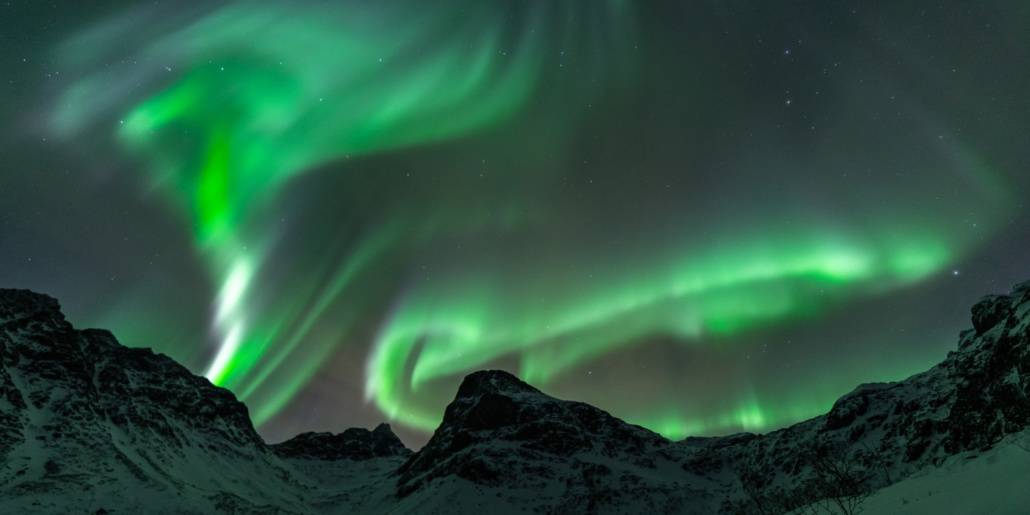
- Seeing the northern lights in Lapland: where, when and how to tip the odds in your favour
- Where to stay in Rovaniemi: from remote cabins to practical hotels in the centre
- Tromso or Rovaniemi?: the comparison, if you’re torn between the two

Tromso, the Arctic capital
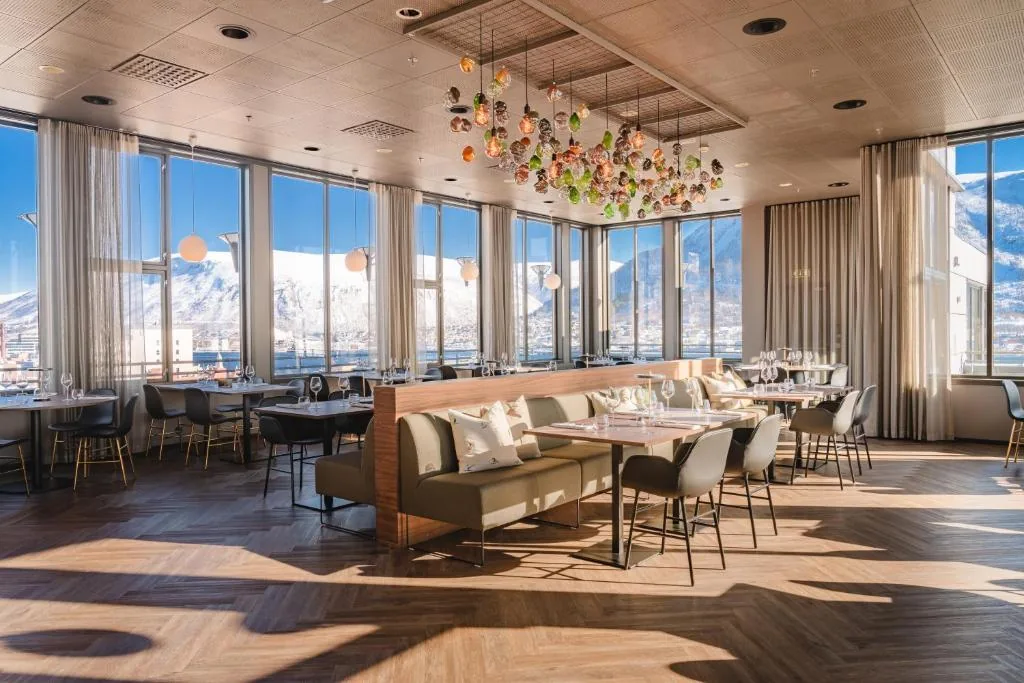
Tromso is the easiest place in the world to see the northern lights without being an adventurer. You land three hours forty-five from Paris, you’re beyond the Arctic Circle, and that very evening you can be outside watching the sky.
Around the town there are the islands of Kvaloya and Sommaroy, and the Lyngen Alps, which are among the most beautiful landscapes in the country. It’s that mix that makes Tromso so strong: you’ve got a real town with restaurants and bars, and Arctic landscapes forty minutes away by car.
And there’s something few people know: from early November to late January, the orcas and whales come into the fjords around here. It’s an activity that’s only possible in that window and it can be fantastic.

Why go in winter
Here again, not every winter month is equal. I’ll be blunt.
My period is late January to mid-March. That’s when you get decent weather and, above all, daylight. January is already much better than December, which usually piles up rotten weather and a lack of light.
The full calendar:
- the northern lights: from September to late March
- the snow: from mid-November as a rule
- the whales and orcas: from early November to late January, and only then
- the light: it really comes back from late January, and that’s what changes everything for the landscapes
So if you have to choose: December-January for the whales, February-March for the landscapes and the light. The window that ticks both boxes is the second half of January.
Count on at least 3 days, and rather 5 in winter to have time to enjoy the activities and, above all, to have another go at the lights if the first night is clouded over. It’s the most important tip in this section: never come chasing the lights on a single night.
A few resources on Tromso
This is my favourite region, there’s plenty to read:
- What to do in Tromso: the complete travel guide to the region, summer and winter
- My one-week winter itinerary: day by day, with the activities and the aurora spots
- The best winter activities: dog sledding, snowmobiling, snowshoeing, with prices
- Seeing the whales and orcas: the November-to-January window, and who to go with
- Dog sledding in Tromso: the outfits, the formats and what it costs
- The best northern lights agencies: if you’d rather be guided, here’s who’s worth it
- The map of Tromso: the aurora spots, the hikes, the places to stay on an interactive map
- Where to stay in Tromso: from the town centre to isolated cabins for the lights

Senja, the same thing but without anyone
If you’ve already done Tromso, or if the idea of running into crowds annoys you, here’s my real recommendation.
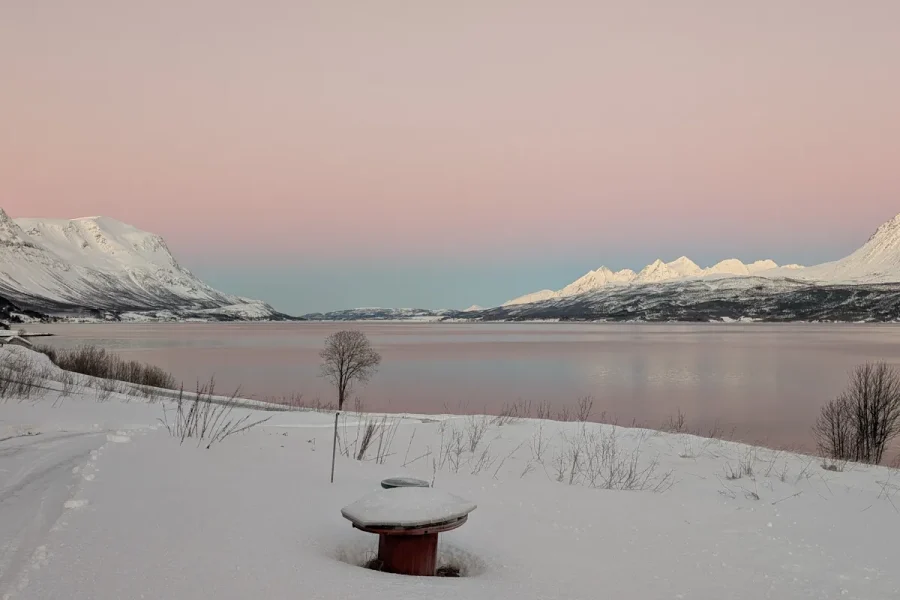
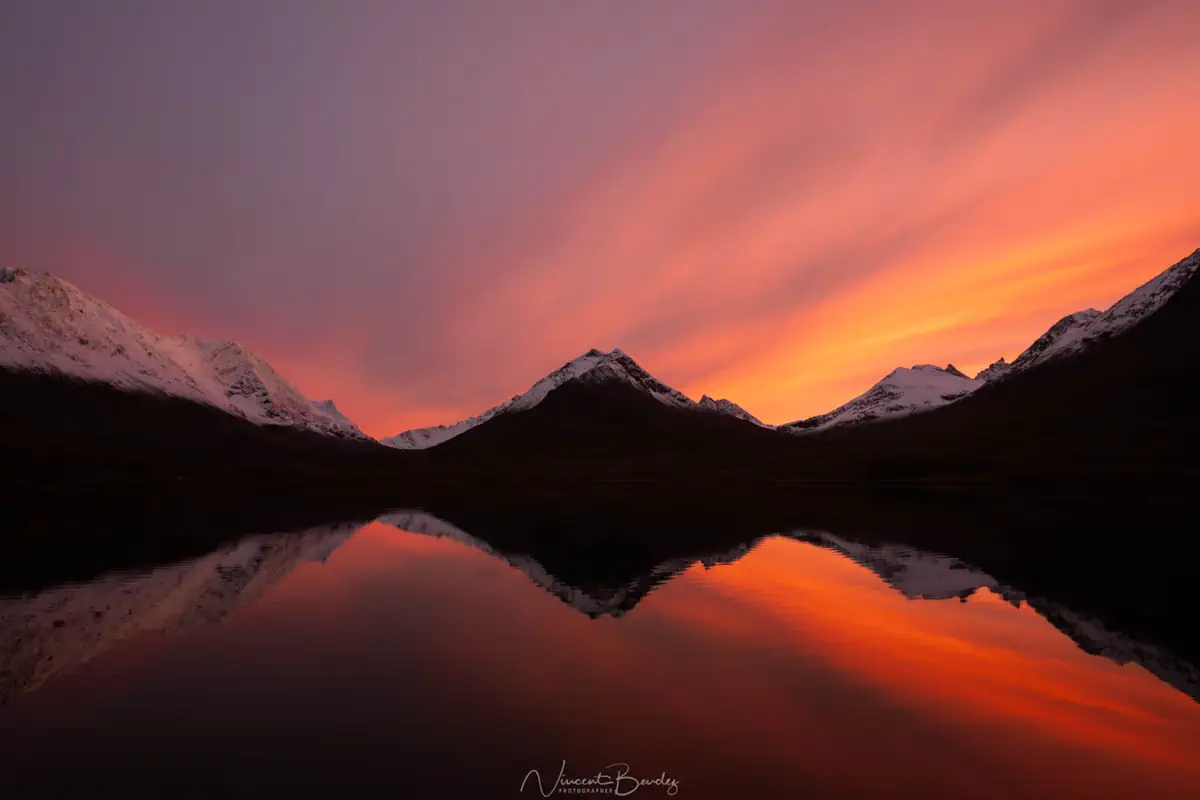
Senja is an island just south of Tromso, and it’s a concentrate of Norway: mountains that plunge straight into the sea, fjords, arctic white-sand beaches and fishing villages. The views from Bergsbotn, from Tungeneset and over the Segla mountain are among the most beautiful in the country.
And above all: it’s not easy to get to, so it’s still not very touristy. It changes from year to year, but we’re a long way from the crowds of Lofoten. You can spend a day there from Tromso by ferry, but honestly, stay a few nights.


Why go in winter
Senja’s calendar looks a lot like Tromso’s, with the same gap between the start of winter and its heart:
- December and early January: the days are really short and the weather is a gamble. It’s still lovely, but don’t come expecting a snowy postcard
- from mid-January to late March: this is full-blown winter, with gorgeous colours and tons of snow. That’s when you want to come
- the northern lights hold on until early April, roughly
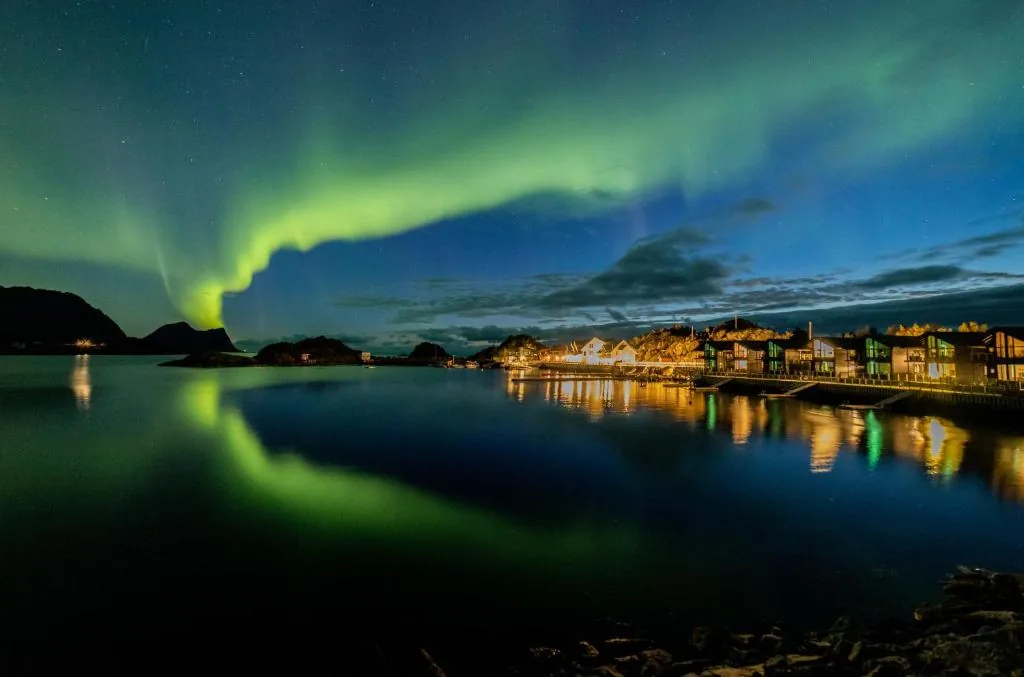
Senja’s edge over the Lofoten, and I say this from experience: there’s less humidity and more snow. The weather is statistically better here. And for the northern lights, you’ll very easily find spots without a single streetlight, which is far from the case everywhere.
The downside is the logistics. You need a car, the roads are narrow and snowed in, and some ferries run on a reduced schedule in winter. This isn’t a destination for a first Arctic trip. If it’s your first time in the Far North, do Tromso. If you’re coming back, do Senja.
A few resources on Senja
An island I write about a lot, and pretty much alone:
- Planning your trip to Senja: the complete guide to the island, season by season
- The most beautiful places in Senja: Segla, Bergsbotn, Tungeneset and the others
- Where to see the northern lights in Senja: the best spots, the ones with no light pollution
- How to get to Senja: car, plane, boat: every option from Tromso
- Senja in a day from Tromso: if you don’t have time to sleep there
- Where to stay in Senja: the best hotels and houses on the island
- The map of Senja: all the viewpoints and spots on an interactive map


Iceland, for the ice caves
Iceland in winter isn’t the same destination as in summer. And it has one argument no one else can pull out: the ice caves only exist from October to April.
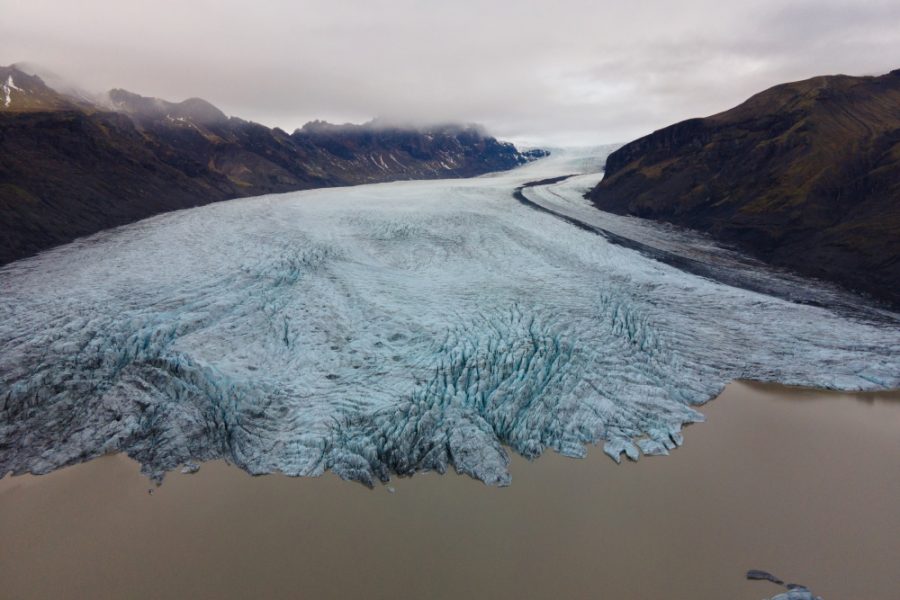
These are cavities that form inside the glaciers and can only be visited in winter, when the ice is stable. In summer they melt and become dangerous. It’s the kind of experience that on its own justifies coming in this season.
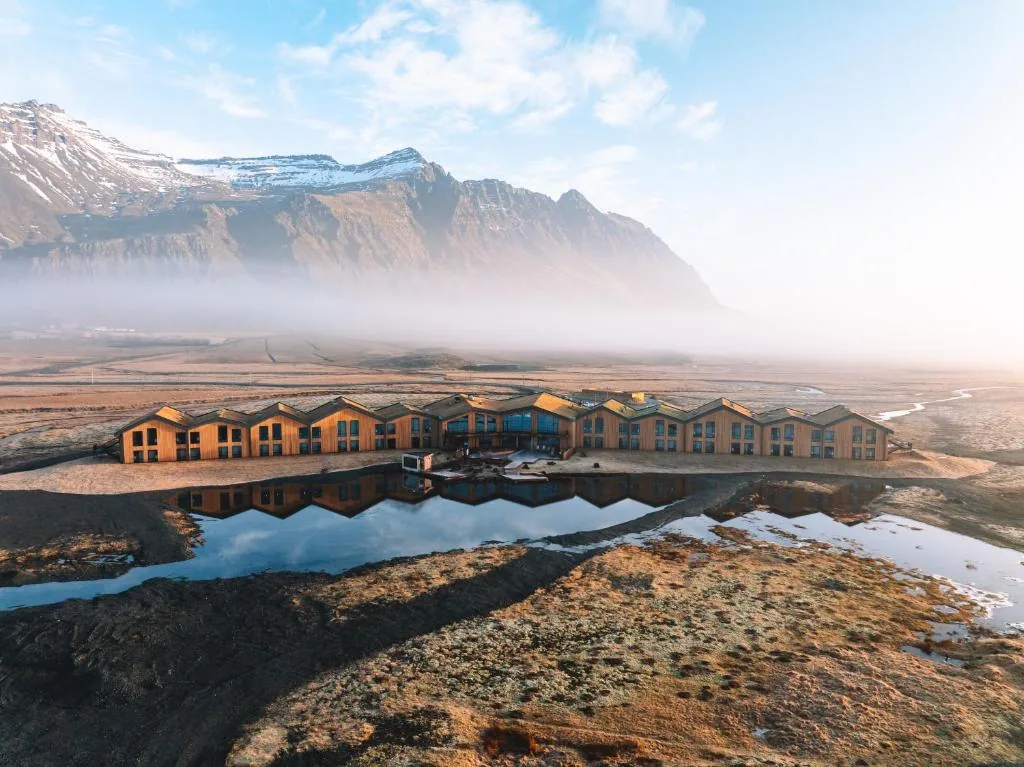
The rest is the south coast under snow: the frozen waterfalls, the black sand beaches, the Jökulsárlón lagoon with its icebergs, and the Golden Circle an hour from Reykjavik. All of it bathed in the low-angled light of the Arctic winter, where sunrise and sunset each last an hour and a half.

Why go in winter
It’s the only season when you get all of this at once:
- the ice caves, from October to April only
- the northern lights, from early September to mid-April, with almost zero light pollution and waterfall and glacier backdrops to frame them
- the landscapes under snow, which look nothing like the summer version
- and clearly lower prices: a car that costs €500 a week in July drops to around €150 to €275 in the low season
Now, the constraints, and they’re serious.
The highlands and the centre of the country are closed, full stop. You stick to the ring road and the south coast, which is already huge, but forget about Landmannalaugar.
A 4×4 is pretty much essential because of the snow and above all the wind. A slightly bigger car holds the road better when it’s blowing.
And the non-negotiable rule: in Iceland, when they tell you not to drive, you don’t drive. If you get a storm alert, you stay in. Really. Leave your number with the rental agency, they send the alerts by text, and check umferdin.is every morning.
One last reflex that’ll save you a big bill: never let go of a car door facing the wind. It’s one of the most common insurance refusals in the country.
A few resources on Iceland
Iceland is the destination I’ve written about the most:
- Travelling in Iceland: my general guide with tips, itineraries and maps
- When to go to Iceland: month by month, what’s open and what you’ll see
- Seeing the northern lights in Iceland: where, when, how, and why to watch the BZ and not just the KP
- Iceland’s south coast: the part that’s accessible year-round, and the most spectacular
- 15 activities to do in Iceland: ice caves, snowmobiling, glacier hikes
- Which car to rent and which insurance: the single most important point of your whole trip
- What to do in Reykjavik: the capital, which I wrongly ignored on my first stays
- The map of Iceland: all the places to see on an interactive map


Cities, far more pleasant in winter than you’d think
Last group, and the most underrated. A city in winter means fewer people, cheaper hotels, and a light that photographers love.
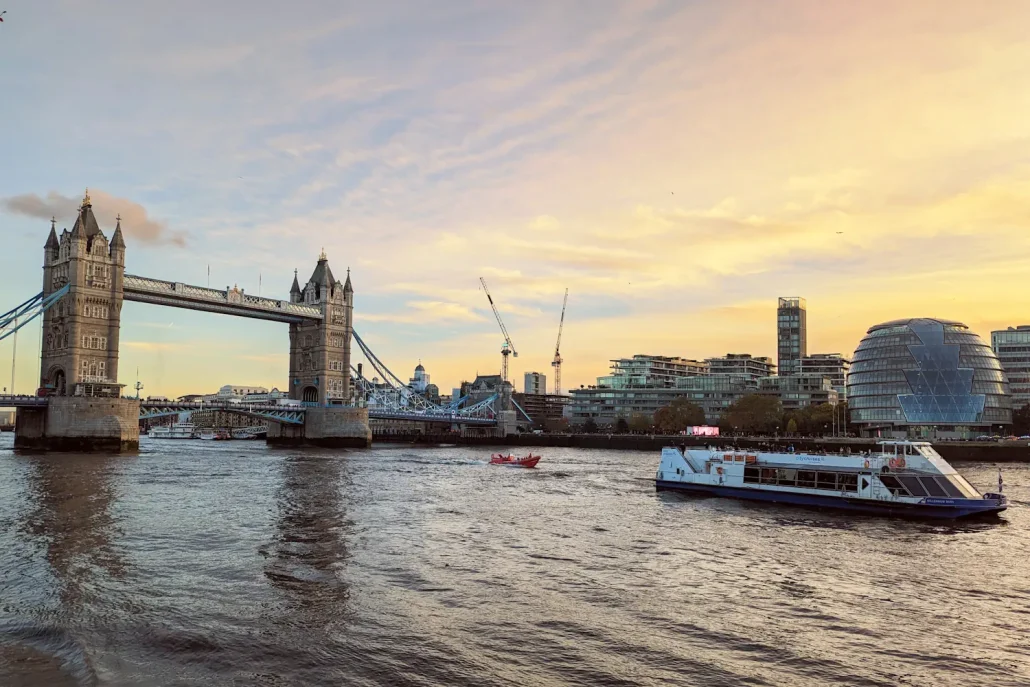
London for the illuminations
This is my fourth or fifth visit, and my last few stays were all in winter. Which earned me a few letdowns, I’ll tell you straight away: I’ve never managed to see the Changing of the Guard, cancelled every time due to wind, rain or storm. And over eight days combined, never got to ride the London Eye. You get the idea.
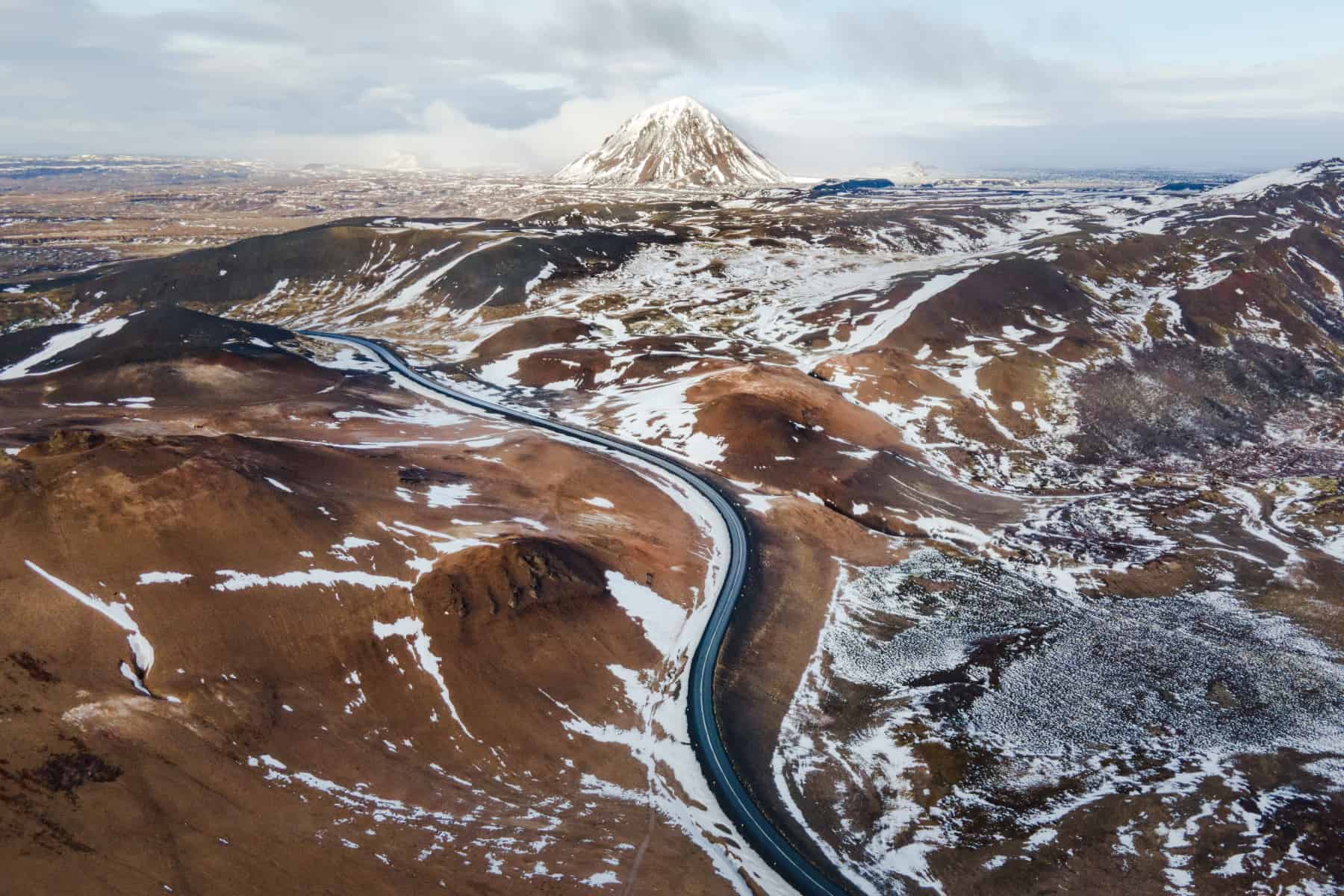
But London in December is something else. The Oxford Street and Regent Street illuminations, the Christmas markets, the packed and cosy pubs. The city really lends itself to it.
And what people forget: the big museums are free. British Museum, Natural History, Tate Modern, National Gallery, V&A. You have to book a time slot, but it doesn’t cost a thing. In winter, when night falls early, that’s exactly what you need to fill the afternoons.


Why go in winter
The advantages are concrete:
- hotels are clearly cheaper than in summer, and museum slots are easier to book
- it’s the only city break on this list doable in 2h30 by train, with Eurostar sometimes under €100 return
- the illuminations are genuinely worth the trip, and the city goes all in
The real trap is the light. By 4 pm it’s dark. Your sightseeing days get cut short and your photos suffer. On the flip side, it lets you watch the city light up from the Shard without having to wait until 10 pm like in June.
And the opening hours follow suit: museums close at 5 or 6 pm, the Tower of London at 4:30 pm. Plan your days accordingly, otherwise you’ll waste time.
Two formalities not to forget: the ETA, the mandatory travel authorisation at €19, and your passport, as ID cards have been refused for a while now.
A few resources on London
Enough to lock in your stay:
- What to do in London: more than 20 places to see, with my 3-day itinerary by neighbourhood
- The map of London: monuments, free museums, viewpoints and markets
- Getting to London from Paris: Eurostar, bus or plane, with prices and door-to-door times
- From Heathrow to the centre: Tube, Express or taxi, and which one is worth the price

Hong Kong, the best season of the year
Here’s the destination no one puts in a winter article, and that’s a mistake.
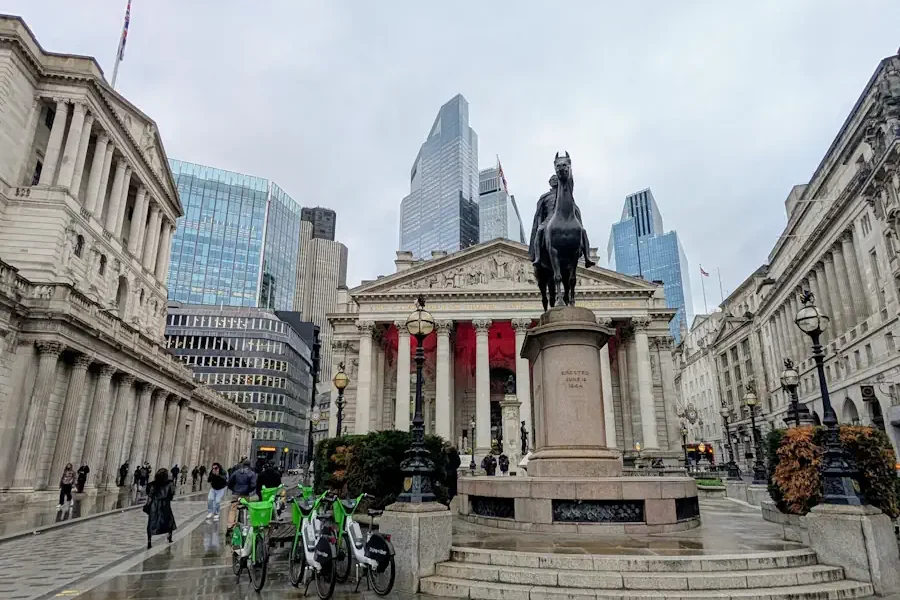
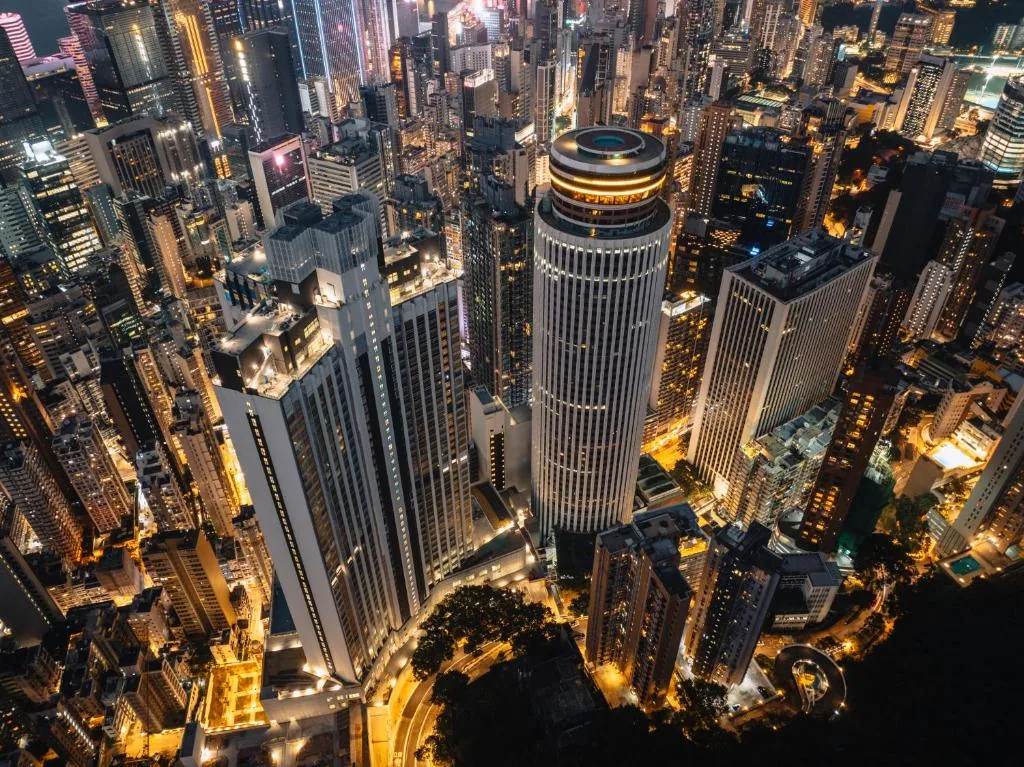
Hong Kong is a joyful vertical chaos. 1,300 skyscrapers, or 15% of the world’s total, more than double New York. The most densely populated district on the planet. And twenty minutes away, hills covered in trails, beaches and islands, because only 20% of the territory is buildable.
Add to that a dual Anglo-Chinese culture you eat as much as you visit. Dim sum in the morning, the cha chaan teng with their milk tea filtered through a silk stocking, the night markets. Honestly, I’d go back just for that.
And there’s Macau an hour away by ferry: the former Portuguese colony facing the former British one, with its pastel facades and its UNESCO-listed centre. The best day trip.


Why go in winter
Because it’s objectively the best time, and most people pick the wrong season:
- from December to February, you get 20 to 21°C during the day, dry weather, good light and low humidity. For a city where you walk and climb, that changes everything
- summer is suffocating: 30 to 32°C with record humidity and up to 20 days of rain a month in June and August
- and long-haul flights are often cheaper than in July
The trap no one mentions: autumn is not the right answer. Lots of people will tell you “go in October-November” out of reflex. Except those two months still hold summer’s heat, 28 to 31°C, with a typhoon risk right up to November. It really is winter you should aim for.
The only snag: there can be cold snaps around 10°C. Pack a proper jacket, especially for Victoria Peak in the evening where the wind doesn’t mess around.
And if you go to Macau, bring your passport: it’s a separate administrative region with its own immigration, you go through two checks on the way there.
A few resources on Hong Kong
Everything’s gathered in a single guide:
- Visiting Hong Kong: my complete guide: what to do, where to stay, how to get around, where to eat and the trip to Macau
Christmas or February: these aren’t the same holidays
This is the advice I’ve been wanting to give you from the start, and it applies to half of this list.
For the Christmas holidays, aim for the southern hemisphere and the magic. New Zealand and Argentina are better in December than in January-February, for the same reason in both cases: you avoid the locals’ summer holidays and, in Argentina, the northern rainy season. And Lapland in December means Santa Claus and the markets, which is irreplaceable if you’re travelling with kids, but it’s also the best time for the tykky forests: they only hold up as long as the sun hasn’t come back to melt them. Just accept that the light will be scarce and the prices at their yearly peak.
For the February holidays, it’s the exact opposite: that’s when the Far North becomes gorgeous. The snow is settled in for good, the days get noticeably longer, and the light comes back. Tromso from late January to mid-March, Senja from mid-January to late March, Lapland from January to April. The auroras are there all season long, but with the added light you also get the landscapes.
And if you’re just heading somewhere sunny, to the Canaries, Punta Cana or Hong Kong, the question doesn’t even come up: both windows are just as good. That’s the only thing that really changes, but it changes a lot.
Your questions about a winter trip
Where to go in winter for the sun without a long flight?
The Canaries, no question. Four hours of flight, no jet lag, around 21°C during the day and very little rain. It’s the best change-of-scenery-to-effort ratio of the season. One word of caution though: in January it’s a bit cloudier than in summer and the nights are chilly, so if you’re coming for a tan, aim for the Caribbean instead.
What’s the best time to see the northern lights?
The season runs from September to late March, but not all weeks are equal. December often combines rotten weather with a lack of light. My favourite window is from late January to mid-March: you’ve got the snow settled in, the light coming back for the landscapes, and the auroras. And above all, plan at least three nights on site: on a single night, one overcast sky and it’s a bust.
When can you see the snow-petrified tree forests in Lapland?
This phenomenon is called tykky, and the window is shorter than you’d think: late December and January, mainly. It has to be very cold with no sun for the snow and frost to build up on the branches without ever melting. As soon as the light comes back, it starts to fall, even in sub-zero temperatures. The best spot is Riisitunturi National Park, near Posio, and you have to climb in altitude: down in the valleys, you won’t see anything comparable.
Can you go to the southern hemisphere during the Christmas holidays?
It’s actually the best time. In New Zealand and Argentina, December offers the same climate as January-February but without the locals’ summer holidays, which clog up the roads and the accommodation. In Argentina, December has an extra advantage: the North around Salta tips into the rainy season starting in January.
Do you need a 4×4 in Iceland in winter?
Pretty much, yes. Not so much for the snow as for the wind, where a heavier car holds the road far better. And the absolute rule: when you’re told not to drive, you don’t drive. Check umferdin.is every morning and leave your number with the rental agency to receive storm alerts.
How many days do you need to see the northern lights?
Five days is the right format in winter. Three is an absolute minimum. The logic is simple: the auroras depend on the weather as much as on solar activity, so the more nights you have, the more you multiply your chances. Never build an aurora trip around a two-night weekend.
Where to go in winter with kids?
Finnish Lapland in December for Santa’s village and the sled dogs, that’s the childhood memory par excellence. Lanzarote if you prefer sun and quiet, the island is really family-friendly. And Punta Cana on an all-inclusive package if you want zero logistics.
Which winter destination costs the least?
The Canaries, by far. Short flight, reasonable accommodation, cheap car and affordable dining. At the other end, the Scandinavian Far North and New Zealand are the two heaviest items on this list, between the cost of living there and the price of flights.
In conclusion
There you go, you’ve got plenty to choose from. And if I had to sum it up in three lines: the Canaries if you just want the sun the easy way, Argentina or New Zealand if you’ve got two weeks and the urge to switch hemispheres, and Tromso or Lapland if you want to experience winter for real.
The one piece of advice I’d keep repeating is the one about the calendar. December and February don’t give you the same trip, and a lot of people come away disappointed with the Far North simply because they went during the wrong week.
And there are obviously plenty of other winter destinations I haven’t put here, for the simple reason that I haven’t been. If you have any questions or you’re torn between two of them, don’t hesitate to get in touch!