Last updated on
Right, first things first: you can visit Iceland all year round. Because yes, there’s always something to see and things to do, and every season, every month has its share of surprises, its pros and cons.
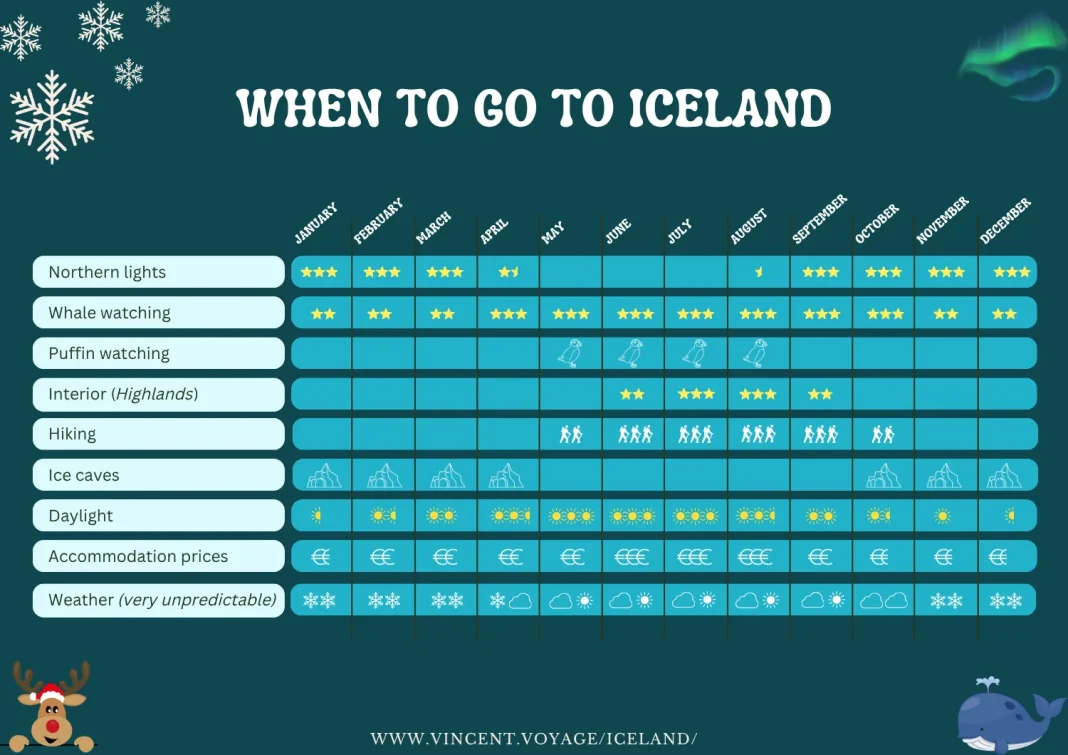
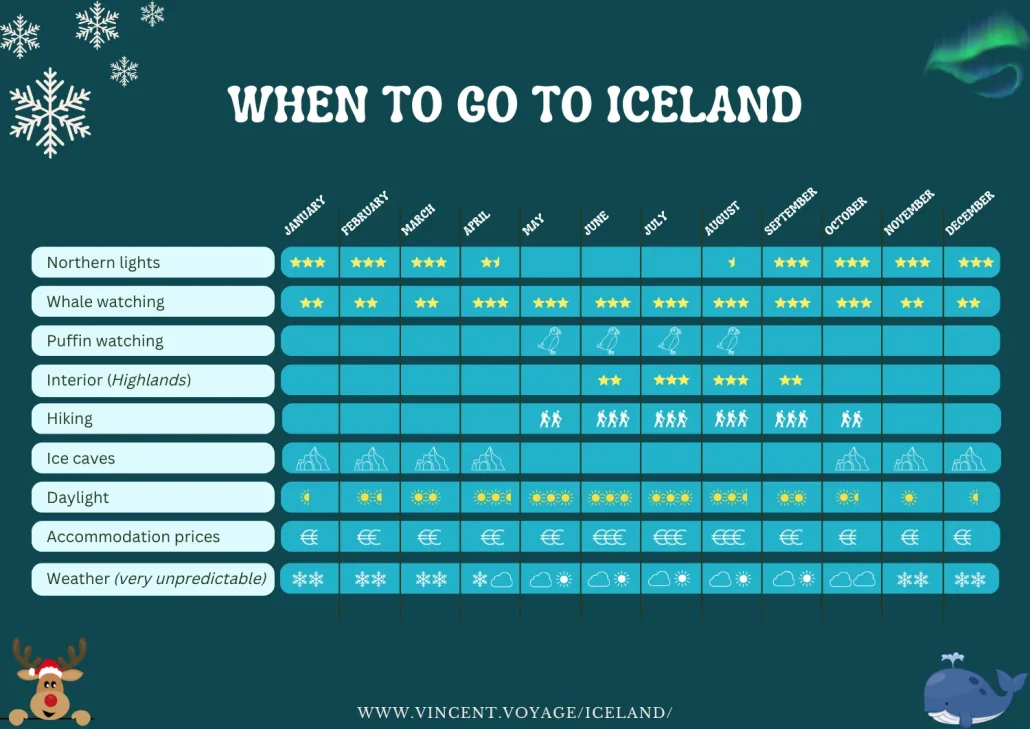
So, on top of the infographic showing you the best times for each activity, I’m going to take you month by month through what’s waiting for you in this superb country.
And watch out, we’ll take a quick look at the weather, which is… Icelandic, meaning it’s potentially the worst you’ll ever come across, with surprises all year round 😀
Anyway, here we go, let’s get into the details!

The best time to go to Iceland for each activity
- NORTHERN LIGHTS – September to April
-
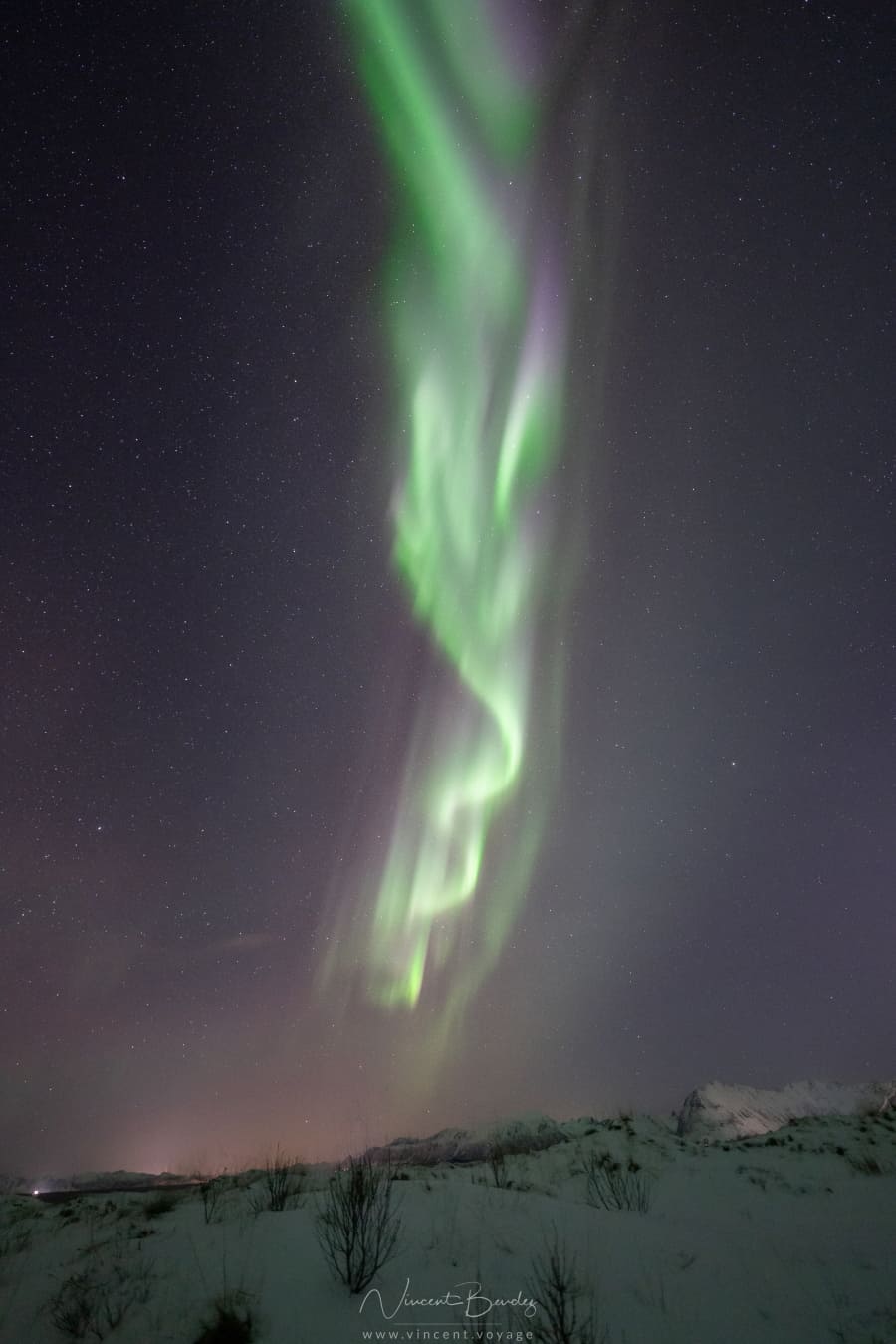
- There are northern lights all year round. But you need darkness, so in Iceland you can see the northern lights from late August to late April. It might just about be possible a little earlier, in mid-August, but there isn’t really any night yet, so it’s very tricky. After that, it’s mostly down to the weather.
- Find out how to choose your northern lights tour operator in Reykjavík
- Here are all my tips to hunt down the northern lights
-
- WHALE WATCHING – all year round
- This one’s pretty easy. You can see whales all year round, all around the country. Some periods are better than others, though, and they say April to October is the best time because there are lots of different species. But even in the other months, there are plenty of other cetaceans to see.
- Recommendation : Sea Trips in Reykjavík, or else Laki Tours on the Snæfellsnes peninsula
- This one’s pretty easy. You can see whales all year round, all around the country. Some periods are better than others, though, and they say April to October is the best time because there are lots of different species. But even in the other months, there are plenty of other cetaceans to see.

- GLACIER HIKING – all year round
- This one’s dead simple. As the glaciers are huge and haven’t melted yet, it’s an activity you really can do all year round. And honestly, in the height of summer it’s really lovely in the sunshine (well, if it shows up, mind you, this is still Iceland).
- Recommendation : a beginner glacier hike at Skaftafell with Arctic Adventures
- This one’s dead simple. As the glaciers are huge and haven’t melted yet, it’s an activity you really can do all year round. And honestly, in the height of summer it’s really lovely in the sunshine (well, if it shows up, mind you, this is still Iceland).
- VISITING AN ICE CAVE – October to April
- Now, even though I’ve just told you there are glaciers all year round in Iceland, they’re alive: they move, advance and retreat. Especially from spring onwards, when it starts getting warmer. So the ice caves stop being stable, or even disappear over the summer, making way for new caves. So every winter, it can be a surprise!
- Recommendation : the blue ice cave with Ice Explorers
- Now, even though I’ve just told you there are glaciers all year round in Iceland, they’re alive: they move, advance and retreat. Especially from spring onwards, when it starts getting warmer. So the ice caves stop being stable, or even disappear over the summer, making way for new caves. So every winter, it can be a surprise!

- SEEING PUFFINS – May to August
- Iceland really does have the world’s largest puffin colonies, mainly at Látrabjarg and on the Westman Islands. Except that the birds nicknamed the clowns of the sea aren’t there all the time! They roll in nice and easy in May, more like mid-May, and head back out to sea in mid-September. So don’t do what I did: don’t go to Látrabjarg hoping to see them… in October. Because once you’re there, you feel pretty silly in that great silence.
- Check out all the best places to see puffins in Iceland
- Recommendation : see whales and puffins in Húsavík
- Iceland really does have the world’s largest puffin colonies, mainly at Látrabjarg and on the Westman Islands. Except that the birds nicknamed the clowns of the sea aren’t there all the time! They roll in nice and easy in May, more like mid-May, and head back out to sea in mid-September. So don’t do what I did: don’t go to Látrabjarg hoping to see them… in October. Because once you’re there, you feel pretty silly in that great silence.


- VISITING THE HIGHLANDS – June to September
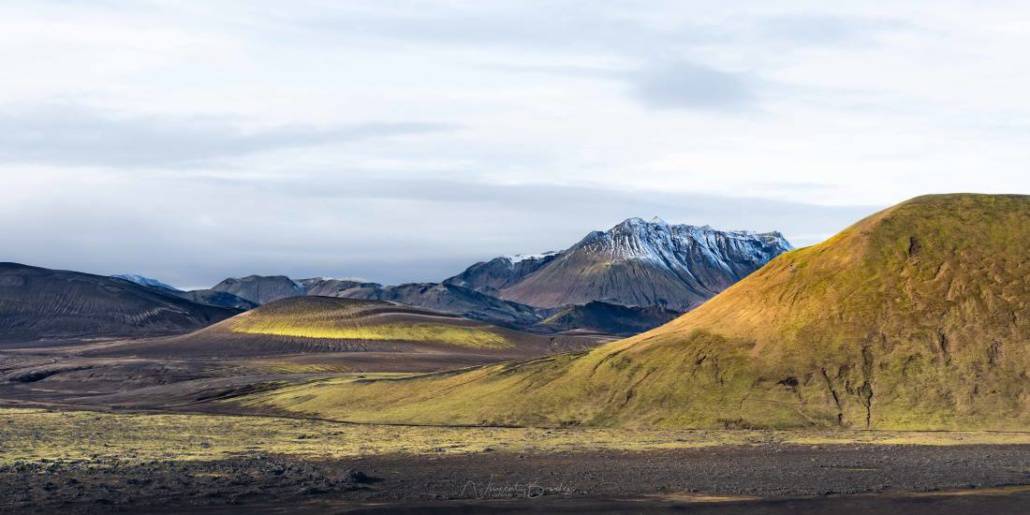
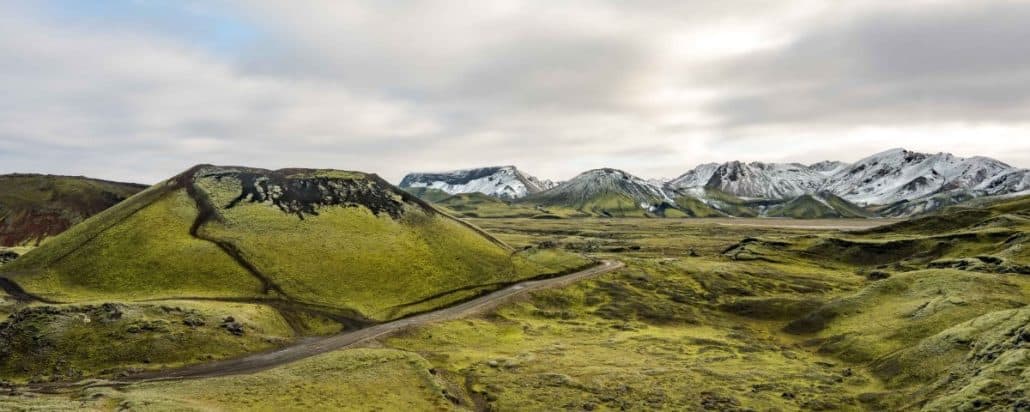
- Landmannalaugar, Laki, the Laugavegur trail or Þórsmörk. All these names are the stuff of dreams, because they’re the most beautiful places in the country. Except… they’re in the Highlands, Iceland’s interior, the most hostile area, which is only accessible 3 to 4 months a year. And even then, it depends on the year! Because the weather there is extreme, conditions are very tough and everything is strictly regulated. So it’s a sought-after spot, but you really can’t go there all year round
- DRIVING ROUND ICELAND – all year round
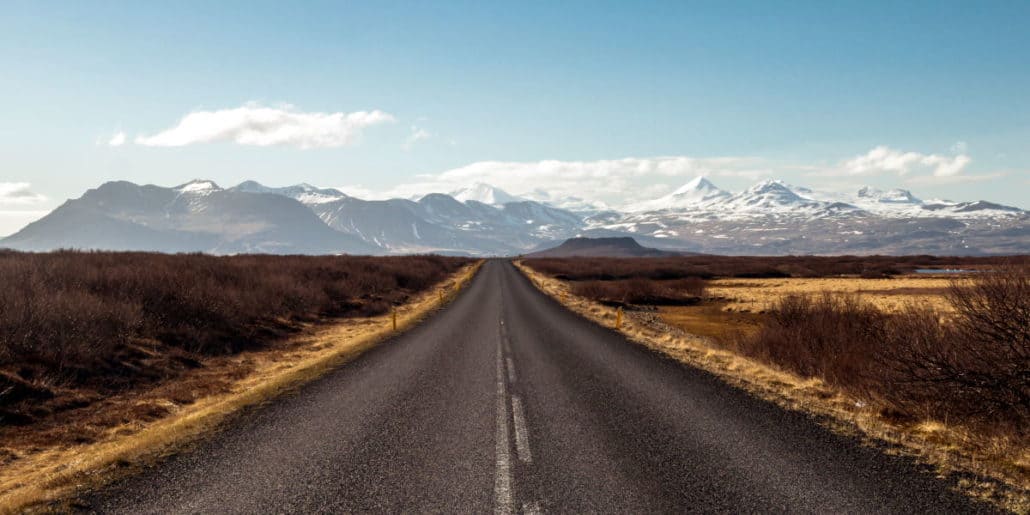
- Yes, you can visit Iceland all year round. All the sites along the Ring Road are open and accessible, unless the weather says otherwise (like roads closed because of a storm). So all year round, you’ve got more than enough to see and be wowed by. In winter you won’t be able to go into the Highlands, and you’ll struggle to get to the Westfjords, but that’s fine! There are loads of great places to visit that are easier to reach! So if your goal is to discover Iceland’s nature, you can come in any season!
- This might come in handy: in the following article I’ve listed the best things to do in Iceland!


CAR HIRE IN ICELAND
Get around Iceland by hiring from Discover Cars

- Pick up your car at Keflavík‘s airport or in town
- Small car, SUV or 4×4 for adventure
- Free cancellation included
- And insurance for every situation!
- Prices from 25€
Daylight in Iceland, between polar night and midnight sun
Iceland sits almost on the Arctic Circle, so the length of day and night varies hugely throughout the year, depending on the season. In winter the nights are very long, in summer the days never end. It’s nothing like the equator, where it’s light from 6am to 6pm all year round.
And that’s why every season is so interesting, because it’s completely different! The midnight sun is something you have to experience, and it lets you do far more than around the winter solstice, for example, when there’s very little light (it’s another experience, it’s special!)
And all this also means never-ending sunrises and sunsets: they last 1 hour 30 with gorgeous colours, it’s really lovely!
- No night
- Roughly speaking, in Iceland there’s no more night from mid-April to mid-August. So it’s light all the time and it’s surprising! The big advantage is that you can fit in more visits. The downside is that your body will react differently and it’ll affect your sleep 😀
- Midnight sun
- The midnight sun is when the sun no longer sets and stays above the horizon. So you can have loads of light but no midnight sun, and that’s the case in Iceland. Technically, the sun sets for 2 to 3 hours on the longest days (21 June), so no midnight sun. But honestly, that won’t change the fact that your body will react and you’ll be buzzing with energy!
- Little light
- In the Nordic countries, daylight changes enormously. In Iceland, you lose between 5 and 10 minutes of “daylight” from one day to the next. So it goes fast. I found October was still OK, we had quite a lot of light. November, on the other hand, really starts getting properly dark, especially as the weather turns less kind! So from early November to mid-February, there really isn’t much light, with a special mention for December 😀
- Polar night
- That’s when you don’t even see the sun any more: it doesn’t rise above the horizon. So it’s the exact opposite of the midnight sun. But in Iceland, there’s no polar night. At worst, on the winter solstice, 21 December, the sun peeks out for less than 3 hours. Well… I say that, but with Icelandic weather, there’s no guarantee you’ll actually see it!

📍 From Reykjavík · BusTravel Iceland (7 to 8.5 h)
Þingvellir, the geysers of the Geysir area, Gullfoss waterfall and Kerið crater in a seven-to-eight-hour loop. It's the most-booked itinerary in Iceland, and the cheapest of the four.
- Iceland's most-booked excursion
- Air-conditioned coach, wifi and pick-up in town available
- ⚠️ English-speaking guide · no stop at Kerið on afternoon departures
Free cancellation
From 79 € per person
📍 From Reykjavík · Northern Lights Bus (4 h)
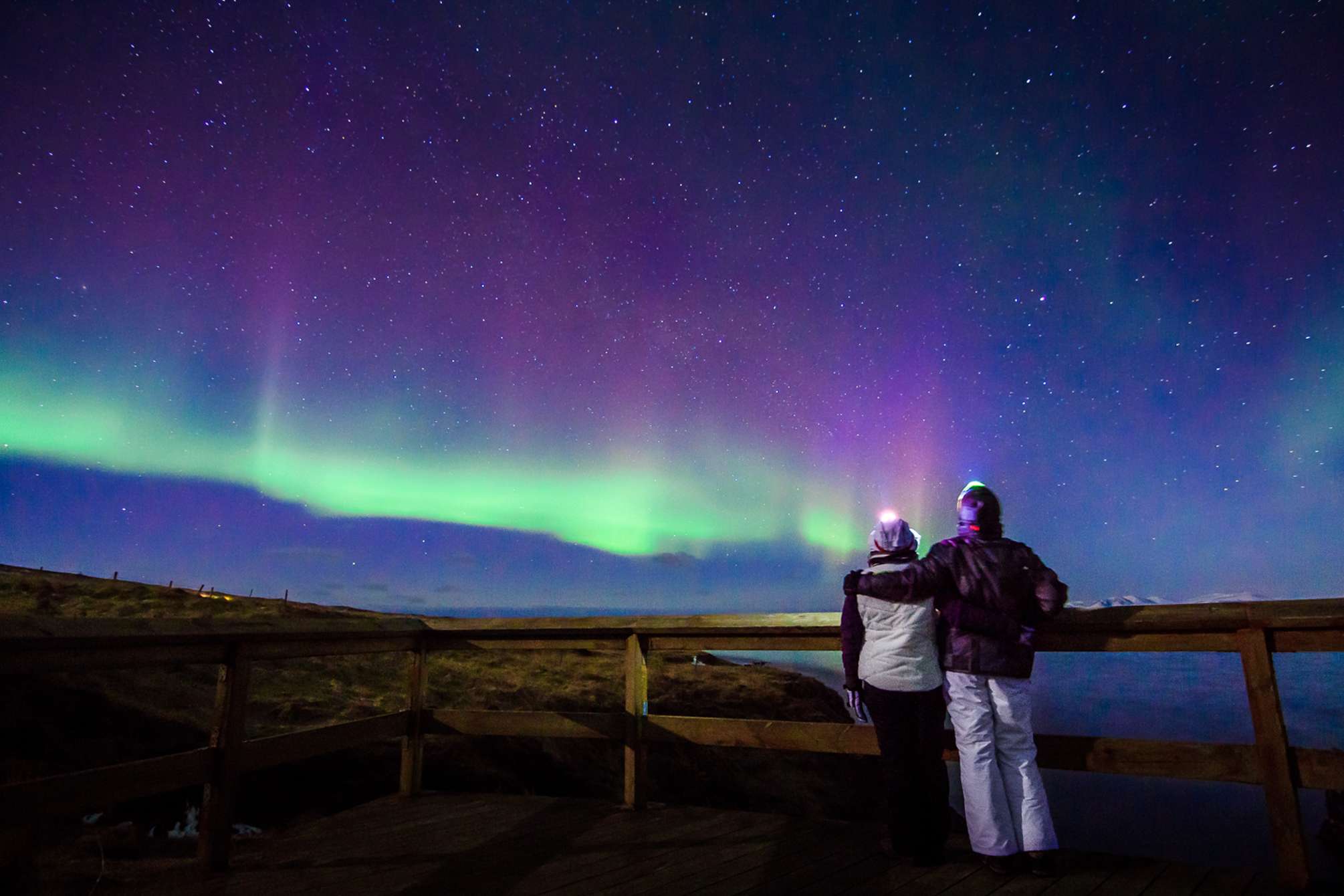
Four hours of hunting far from the city lights, with a ticket valid for three years: if the sky stays cloudy that night, you go out again another night without paying again, even the following winter.
- Open ticket valid 3 years for a free second outing
- Full refund if cancelled every night of your stay
- ⚠️ English-speaking guide · ages 8 and up · nothing is ever guaranteed
Free cancellation
From 101 € per person

📍 Þingvellir · Troll.is (3 h, max 6 people)
Float between the North American and Eurasian plates, in glacial meltwater of unreal clarity. In a drysuit you stay dry, and the group never goes above six people.
- Six participants maximum, with a PADI guide
- Drysuit, GoPro photos and transfers included
- ⚠️ Must be able to swim and understand English · 145-200 cm, 45-120 kg, max age 69
Free cancellation
From 126 € per person

📍 From Reykjavík · Glaciers and Waterfalls (11 h)
Three to four hours on Sólheimajökull, with crampons, harness, helmet and ice axe provided, among crevasses and ice formations. Seljalandsfoss and Reynisfjara black sand beach round off the day on the way back.
- Small group by minibus, wifi and USB ports on board
- Full equipment, certified guide · no experience needed
- ⚠️ 6 km and 230 m of ascent · walking on the glacier, not in an ice cave
Free cancellation
From 178 €169 € per person
Accommodation prices in Iceland by season
Staying in Iceland is expensive. Very expensive. Especially if:
- you go in the peak tourist season (June to the end of August)
- and you leave it to the last minute
There are several reasons for this, the main one being that there’s more demand than supply. So when there are lots of tourists (like in summer), prices inevitably shoot through the roof! Even the not-so-great places will cost an arm and a leg
Peak tourist season and very high prices
(all the time! whoops!) No, actually, there are the high prices of the normal period and the very high prices of the tourist season. Basically, in June, July and August, prices explode and can be 3 times higher than in March or November. That’s not the case for every place to stay, but they’ll go up either way. Late December is also very, very expensive. Especially for hotels on Iceland’s south coast
Mid-season, high prices
This is the in-between period (and it’s a long one): I’d say May, September, October, and sometimes February for the northern lights and the school holidays. It’s expensive, but you get more choice, and as there are fewer people around, you can still get places that aren’t sky-high
Low tourist season, high but less crazy prices
Spoiler: it’s still crazy. But less so. The small guesthouses are affordable, which is handy. There aren’t many people, not many tourists. That’s January, part of February, March, April (a nice month) and November. Few tourists, but some places close during the low season, so watch out!
So it all depends on what you want to see in Iceland. If you want to do the interior and see the summer, then inevitably you’ll pay full whack.
If you want to tick off the essentials without necessarily going in summer, like the puffins, the whales, the glaciers… think about May, which is really interesting!
So really, before you jump on the summer months, check whether there’s a cheaper alternative.

📍 Reykjavík 101 · a stone's throw from Laugavegur
Design pods right in the heart of Reykjavík, built for a good night's sleep without paying the price of a hotel room. Self check-in, plus a shared lounge and bar open day and night.
- Central location praised in almost every review
- Young, friendly vibe, staff mentioned again and again
- Pods considered small, and shared bathrooms
From 130 € / night

📍 Old harbour · Reykjavík 101, Harpa a few minutes away
A four-star on the old harbour, a few minutes from Harpa, with its bakery on the ground floor. Very carefully designed interiors, a sauna on site, and restaurants all around.
- Location near Harpa, the most mentioned point
- Clean, stylishly designed rooms, staff praised
- Rooms sometimes dark, and noise from the courtyard
From 152 € / night

📍 Reykjavík 101 · a stone's throw from Hallgrímskirkja
A guesthouse at the foot of Hallgrímskirkja, with a shared kitchen and lounge. The warm atmosphere and welcome make it a favourite with regulars, a short walk from the centre.
- Welcome and helpfulness, the dominant theme in reviews
- Shared dining area and cosy atmosphere, often mentioned
- Some rooms share bathrooms, with a wait
From 155 € / night

📍 Grandi · Vesturbær, walking distance from the old harbour
A four-star in the Grandi district, away from the bustle but within walking distance of the old harbour. Spa, sauna, gym and restaurant on site, plus room service.
- Breakfast included, rich in local produce, highly praised
- Attentive staff, mentioned in most reviews
- Some rooms could do with a refresh, according to guests
From 216 € / night
When is the cheapest time to visit Iceland
It’s fairly easy: from November to March, Iceland is “less” expensive, it’s the low season. But be careful, because low season means:
- not much daylight, the sun only shows up for a few hours a day (well, March is much better)
- weather that can be really tricky
- but you do get the northern lights!
- the interior of the country is closed
- snow, storms (OK fine, that can happen in the middle of August too)
- lots of accommodation closed
- most campsites too
But the impact on prices is really significant:
- car hire is much cheaper
- so is accommodation, prices can be 3 times lower than in summer
- flights cost what they normally do, not pumped up like in summer
And the nice thing is that there are few tourists, not many people on the road or at the sights.
Iceland month by month
- January :
- pros : the northern lights, not many people, plenty of activities, accommodation not too expensive
- cons : the days are very short, storms can cancel outings
- weather : not easy. Wind, snow
- February :
- pros : the days are getting longer, a great time for the northern lights, normally loads of snow for activities
- cons : the weather, as ever
- weather : not exactly easy-peasy!
- March :
- pros : really beautiful colours, a great time for the northern lights, snow, it’s also a really lovely month for activities, your last chance for ice caves and snowmobiling, and it’s not too too expensive yet
- cons : lots of roads are still closed because of the weather. You still need to be flexible!
- weather : the end of winter, still snow but also the rain coming back from time to time
- April :
- pros : the start of the peak whale season, even though they’re already around. Very long days, less snow, and it’s the last month with accommodation that isn’t (too) expensive
- cons : the end of the northern lights, the end of the ice caves, lots of interior roads still closed
- weather : straddling winter and spring, in short, real unpredictable Icelandic weather!
- May :
- pros : the snow disappears (more or less, mind), light all the time, you can start doing short hikes, some F-roads reopen, the puffins come back. There’s no more night!
- cons : prices start to climb
- weather : the good weather? well yes, in theory anyway 😀
- June / July / August :
- pros : realistically, summer is THE best time. Puffins, hikes, whales, the Highlands are open… the island is one giant playground
- cons : very touristy, very high prices, you need to book ahead
- weather : ALWAYS bear in mind that the weather will change. It can be sunny, then turn into a storm and drop to 10°. If it’s warm, it never really lasts long. If the sheep’s curls have been blown straight, the wind is really blowing.
- September / October :
- pros : autumn, the colours are gorgeous, there are the northern lights, fewer people. A bit cheaper, but still expensive. And the interior is usually still open. Less touristy. I really like it!
- cons : the puffins have gone
- weather : it can vary a lot, you can see winter coming in October, especially in the north. Some proper storms are possible
- November / December :
- pros : you can visit the ice caves, it’s cheaper (careful at the end of December)
- cons : the F-roads are closed, and so is the interior. The days are very short
- weather : it gets funky!
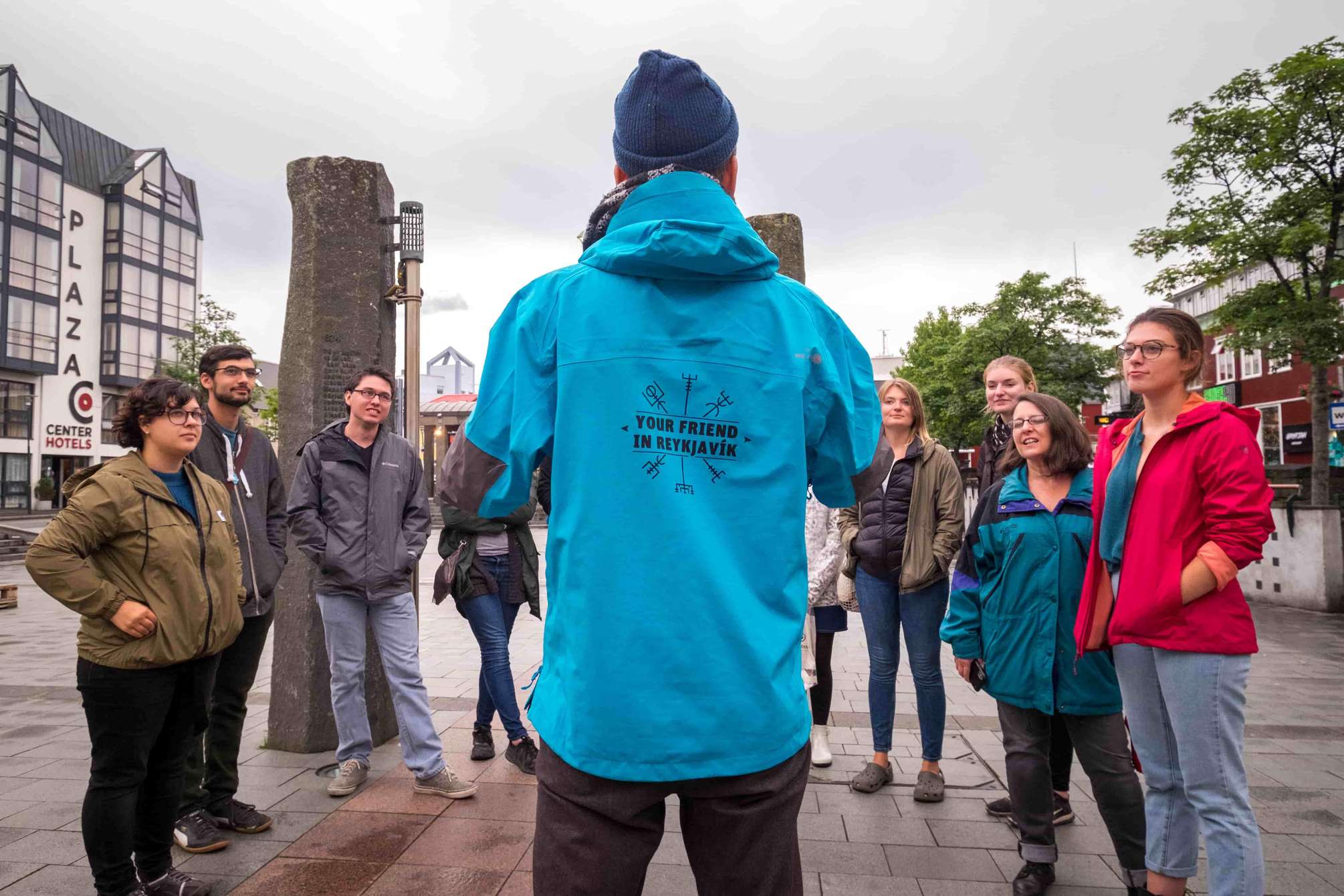
📍 Central Reykjavík · Your Friend in Reykjavik (2 h)
Two hours in the centre with a local guide, from Harpa to Hallgrímskirkja via the Parliament and Tjörnin pond, with Viking legends, a hidden elf house and a mini Icelandic lesson.
- Available in English, French, German, Spanish, Italian
- Good tips and happy hours shared along the way · private option
- ⚠️ Check the language of your time slot · drinks not included
Free cancellation
From 46 € per person

📍 Starts at Ingólfstorg, Reykjavík (2 h)
Two hours on the trail of the neighbourhood cats, from the history of cats since the first settlers to Icelandic folklore, with a coffee and pastry break at Café Babalú.
- Coffee or hot chocolate and an Icelandic pastry included
- Part of the price goes to cat welfare
- ⚠️ English-speaking guide · cats not guaranteed, they do as they please
Free cancellation
From 63 € per person

📍 Starts at Ingólfstorg, Reykjavík · 18:00 (2 to 2.5 h)
An evening going from bar to bar with a local guide: three craft beer bars, several Icelandic beers at each stop, and the turbulent history of alcohol in a country that banned beer for 74 years.
- Drinks included: Icelandic craft beers or schnapps
- Group of 12 max · good tips for the rest of your trip
- ⚠️ English-speaking guide · ages 20 and up · no food included
Free cancellation
From 109 € per person

📍 Harpa, Reykjavík · Reykjavik Food Walk (3 h)
Four to six stops and more than eight dishes over a three-hour walk: fermented shark, lamb soup, rye bread ice cream. Reykjavík's most-booked food tour.
- The city's most-booked food tour
- 4 to 6 stops, more than 8 dishes, group of 14 max
- Fermented shark, lamb soup and rye bread ice cream
Free cancellation
From 133 € per person
When to come to Iceland depending on what you want to do
You want to make the most of the country and do the full road trip around it
It’s fairly easy: the vast, vast majority of the country is open from April to October. You’ll be able to go to the Westfjords, the Eastfjords and most of the F-roads.
You can do a road trip on the Ring Road all year round. The weather will be tricky in winter, but it can be done. And from November to March the F-roads will generally be closed.
You want to go into the Highlands (Landmannalaugar, Laki…) and the small F-roads
The Icelandic Highlands are the most spectacular places in the country (Landmannalaugar, Laki, Þórsmörk…) but they’re only accessible a few months a year, when the weather allows.
Generally, it’s from June to September, but you never know when things will open in June, or when they’ll close in September. So if you want to be sure you can go, then it’s July and September.
That said, you can go all year round with a tour operator that will take you there. But when you see the huge 4x4s, you’ll understand why you absolutely have to go with them.
You want to see puffins
Really simple. The puffins in Iceland arrive in mid-April, first in the north and east, then in the south. They leave in mid-August (and the young ones in mid-September).
As explained in the article, you can easily see them at Dyrhólaey, on the Westman Islands, in the Eastfjords and at Látrabjarg, among others. For other areas such as Cape Ingólfshöfði, Húsavík or Reykjavík, you’ll need to go with tour operators or boats to get close, as the areas are protected.
You want to see the northern lights
You can see the northern lights in Iceland between late August and mid-April.
And yes, you can see them all over the country, the most important things being:
- finding a clear sky, which can sometimes be tricky with that famous Icelandic weather
- having an unobstructed view. Outside Reykjavík it’s really easy, as there’s no light pollution and it’s very open.
If you’re in Reykjavík without your own transport, I strongly recommend going with a tour operator.
You’re coming to see whales in Iceland
You can see whales all year round in Iceland, but there’s a proper season (April to October, peaking in June and July).
In winter, trips mostly leave from Reykjavík (and Akureyri). It works pretty well, but the weather cancels quite a few boats, so keep a spare day. In summer, head straight for Húsavík, Iceland’s whale capital: up to 11 species have been spotted there, including the blue whale!
In short, if whales are your priority, aim for summer and the north.

You want to see snow and do activities like snowmobiling and ice caves
For the natural ice caves of Vatnajökull (the incredibly blue ones), it’s November to March only: it has to be cold enough for the ice to be stable.
On the other hand, the Katla ice cave and the tunnel dug into the Langjökull glacier are open all year round. Same goes for snowmobiling on a glacier (obviously, up there there’s snow even in July!).
You want to travel on a tight budget
In summer, everything costs more: flights, accommodation, car hire… And you have to book everything early.
The best value for money is in May and September: the days are still long, the roads are open and prices start to drop. If you really want the cheapest, go in November or January-February (avoiding Christmas and New Year).
And if you’re set on summer, think about a campervan: it costs more per day than a car, but it saves you paying for a hotel every night (you do pay for the campsite, though). What’s more, in low season, hire is really cheap, so it pays off
You want to see as few people as possible
The quietest time is November, January and February, outside the Christmas holidays. The downside: barely 4 to 5 hours of daylight in the depths of winter, and roads that are sometimes closed.
The best compromise? May or September (up to mid-October): few people, and enough light for long days out.
And even in August, you only need to get away from the Golden Circle and the south coast. The Westfjords, for example, are much quieter (the Ring Road doesn’t go there, which helps!).
And there really aren’t many people in the Eastfjords either.
So, generally speaking, July and August are very busy, with the crowds concentrated on the south coast, Reykjavík, Snæfellsnes, the Golden Circle and Landmannalaugar. Beyond that… hardly anyone, especially away from the south coast!

You want to visit Iceland without a car
Easy, it’s all year round! Even though there’s hardly any transport around the island, Iceland is easy to visit without a car because there are tour operators that take you around Reykjavík and around Akureyri. So with those two bases, it’s super easy. Plus you don’t have to drive in conditions that can be, shall we say, entertaining.
That said, these tours are more popular in high season, obviously. There are also more operators going to less accessible places like the Highlands. So I’d say you’ll get the most out of it between April and October.

You want to experience the midnight sun
You’ll only see the real midnight sun (when the sun doesn’t set at all) right up north, on the island of Grímsey, which the Arctic Circle runs through, around 21 June.
Elsewhere, in Reykjavík for example, the sun sets around midnight and rises again around 3am. But in between, it never gets dark!
So for white nights, it’s from late April to mid-August, at their peak from mid-June to early July. Bring a sleep mask, seriously!
Travelling to Iceland as a family
With children, the easiest season is April to the end of September. It’s milder, all the roads are open and there’s plenty to keep them busy: the puffins, the whales, the waterfalls you can walk behind (Seljalandsfoss, bring waterproofs!). The downside: summer is the most expensive and the busiest season. Also think about sleep masks, because with the day that never ends, bedtimes quickly get tricky…
Winter has its perks too: the snow, the ice caves, the heated outdoor pools (kids love going from the cold into a hot bath!). But the weather really is trickier. Storms sometimes close the roads, the days are very short and the northern lights often appear late in the evening, not ideal with little ones. Also watch out for minimum ages on some activities: the natural ice caves and snowmobiling aren’t open to the youngest children, whereas the Langjökull ice tunnel accepts children with no age restriction.
In short, as a family, summer is still the easiest. And if you go in winter, allow some spare days and book tours with pick-up rather than driving yourself.
Stay flexible to outsmart the Icelandic weather
As you can probably guess, the Icelandic weather is a bit complicated.
It’s not unusual to have roads closed because of bad weather, to see storms rolling in, or to go from 15° and blue skies to 5° and snow in an hour. Or for activities to be cancelled because of the weather.
When you plan your trip to Iceland, you really need to be flexible. Have a back-up plan for every day, rather than losing days doing nothing. Given what the trip costs, that would be a shame!
Basically, if the boat trip is cancelled, can you do the Golden Circle instead, for example? If the weather’s rubbish on Snæfellsnes, can you head off to the south coast?
Ideally, try to stay several nights in the same place and do day trips from there. And even better, try to get free cancellation, that’s the best. It means you can really juggle things around the weather.
Practical information about Iceland
- How long to stay
- I recommend at least 5 days to discover Reykjavík and the surrounding area. After that, a week, two weeks or more, it’s never time wasted, there are so many things to see absolutely everywhere in the country, and in every season!
- What activities to do in Iceland
- In the following article I list the best things to do in Iceland but off the top of my head, it’s a paradise for whales and dolphins, there are the world’s largest puffin colonies, and if it’s the right season, make the most of the northern lights. But above all, Iceland’s landscapes are incredible!
- The most beautiful places to see in Iceland
- Not exactly easy to narrow it down. Obviously, the Golden Circle is essential. Snæfellsnes is the most beautiful region in my opinion, it’s unique. But there are glaciers, canyons… it’s impossible to choose!
- Renting a car
- If you drive, I recommend renting a car so you can be independent, explore the landscapes and go chasing the northern lights. So go for it: it’s not particularly expensive if you book early, and driving is easy as long as you follow the rules. You’ll need to compare prices. Personally, I regularly go through Booking, and very often with Discover Cars too, which is where I made my most recent bookings.
- Mind you, it’s perfectly possible to visit Iceland without a car!
- 5 recommended places to stay in Iceland
- The Blue Hotel Fagrilundur for exploring the Golden Circle
- Hotel Jokulsarlon, ideally located next to the lagoon
- Mývatn – Berjaya Iceland Hotels, ideal for exploring the Mývatn area
- The Konvin Hotel next to Keflavík airport
- The Old Bookstore, in the heart of the Westfjords!
Map of Iceland
Now that you know when to go to Iceland, here’s an essential map for travelling in Iceland.
In this interactive map you’ll find:
- the most beautiful places
- the waterfalls
- the hikes
- all the activities
- the accommodation
in short, absolutely everything you need to plan your trip!
You can also click on the map to open it 🙂
In conclusion
And there you go, now you know everything!
So the best time really depends on what you want to see. Whales, the northern lights, great hikes, or snowy landscapes. Each of them has its own season.
Obviously, if you struggle with the real cold, don’t forget that autumn in Iceland is a great time to go and much less touristy, so cheaper too.
But I’ll say it again: choose your time of year according to what you want to do and, above all, there’s no bad time to go, there are always things to do, things to see, and plenty to enjoy!
More resources on Iceland
I’ve written quite a lot about Iceland. The following articles should interest you, or at least I hope so!
Iceland in general
- How to plan your trip to Iceland – all the information you need for your upcoming trip to this superb country
- Which car to rent in Iceland – how to avoid the pitfalls, what type of car, I’ll tell you everything!
- Discovering Iceland along the Ring Road – the country’s main road, perfect for seeing the most beautiful places
- The most beautiful places to see in Iceland – I give you more than 30 places you really shouldn’t miss!
- Everything there is to do in Iceland – ice caves, snowmobiling, the northern lights… I give you all the best activities!
- The best map of Iceland – in this interactive map I’ve put absolutely all the information, such as the most beautiful places, walks, waterfalls, accommodation…
- Taking the bus between Keflavík airport and Reykjavík – all the info for getting into town without spending too much
- Free PDF guide for travelling in Iceland – I wrote a free 200-page guide you can download to help you plan your trip
- What is the best month to go to Iceland – discover the pros and cons of each time of year
Articles about Reykjavík
- Discover Reykjavík – everything you can do in Iceland’s lovely capital
- The best northern lights tour companies in Reykjavík – how to choose the right company and avoid the pitfalls
- Choosing the right hotel in Reykjavík – tips for choosing where to stay, between hotels, hostels and apartments
Other regions of Iceland
- Things to do in Vík í Mýrdal – discover the superb surroundings of this small town
- What to see in the Mývatn area – the places not to miss in one of Iceland’s most beautiful regions
- How to visit the Golden Circle – the 5 incredible places to see in this iconic region
- The most beautiful places on Iceland’s south coast – because you need several days to discover this region
- Where to see puffins in Iceland – I show you the best places, the largest puffin colonies
- Getting to Landmannalaugar – find out how to get to this superb region