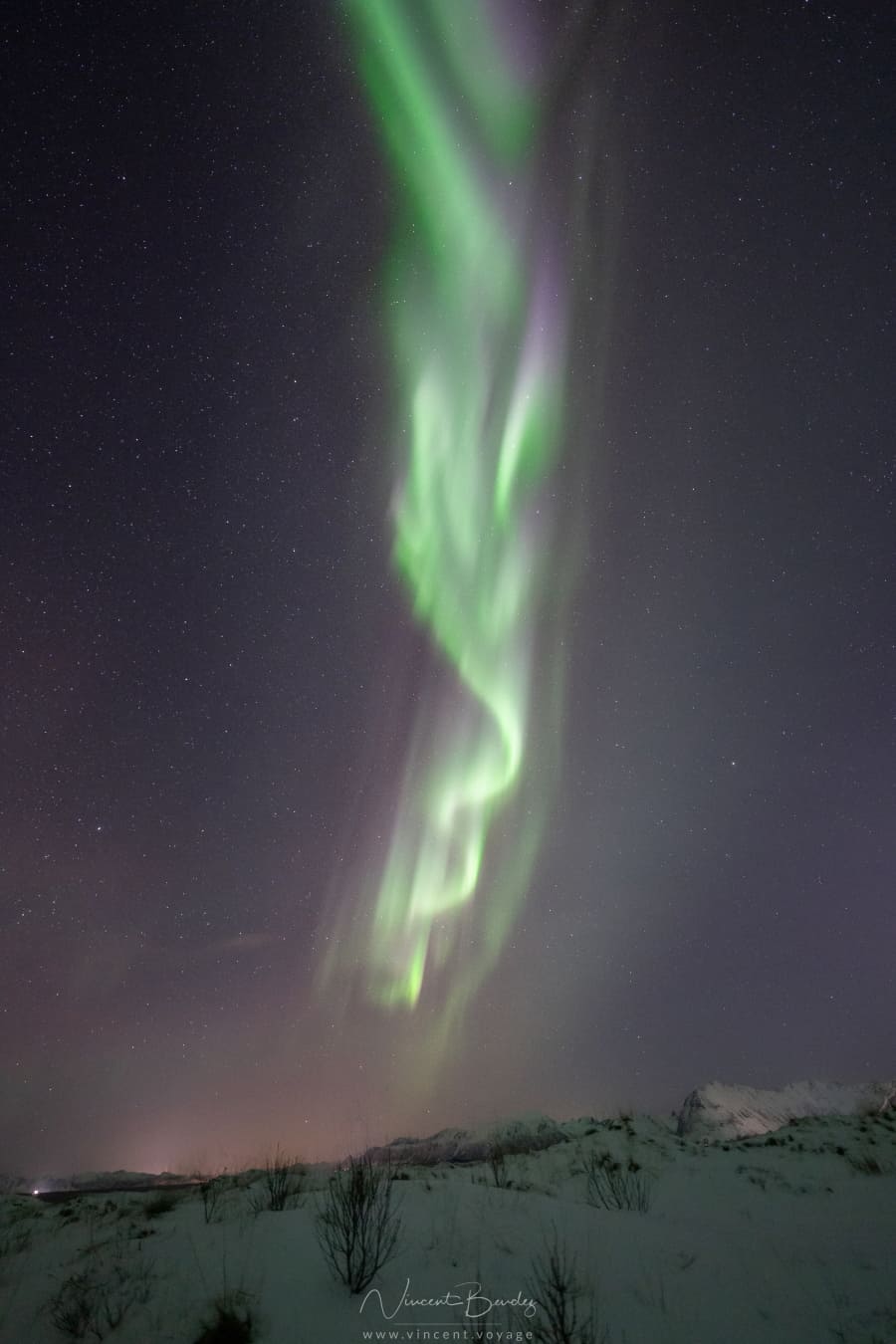
Dernière modification le
Autumn is on its way! And it’s time to plan the holidays, especially the All Saints’ break. The question that comes up every year (for me in particular) is “okay, so where are we going?” I don’t specifically travel during the All Saints’ holidays, but I always go somewhere in autumn — it’s a season I love. Early October especially is ideal in a huge number of destinations.
Here I’m going to tell you about 10 destinations that work really well at this time of year, ones I’ve discovered mostly in autumn, and that don’t require too much time — so they can fit perfectly with the school holidays if you don’t have a choice.
Right, let’s go!
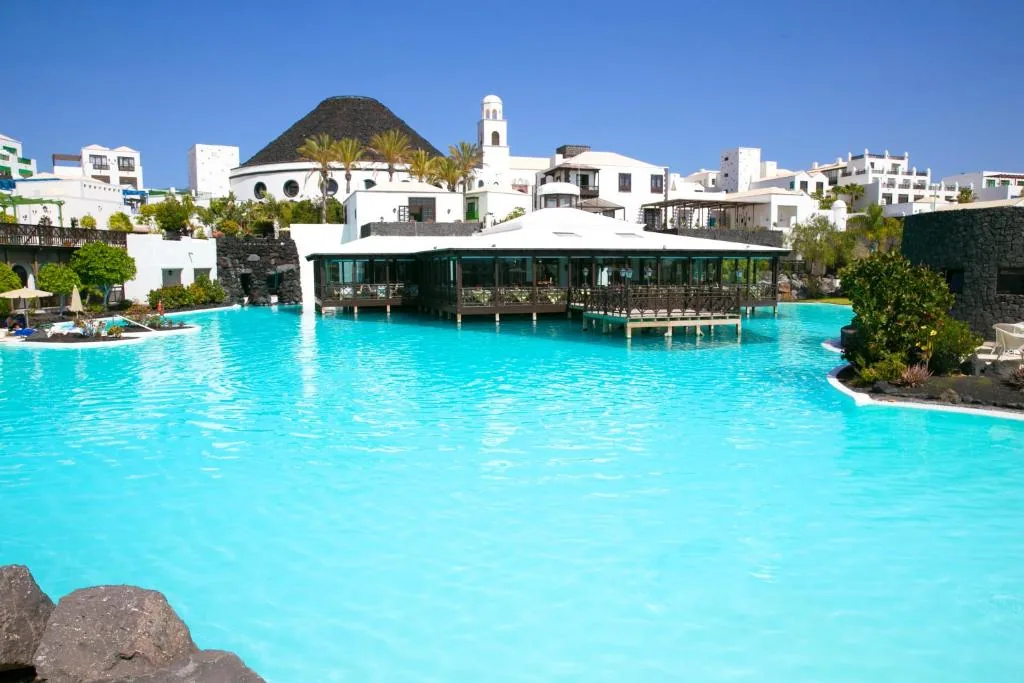
1. Lanzarote and its eternal spring
I’m cheating a little, because Lanzarote is a perfect destination all year round! Its climate is ideal for a holiday in any season, because it’s never too hot and never too cold. Going to Lanzarote in autumn guarantees you sunshine without frying, but above all fantastic landscapes without too many people! Because outside the summer season, Lanzarote is a relatively quiet island, far from being the most touristy of the Canary Islands.
And what’s great about Lanzarote is its mix of volcanic landscapes, lava fields as far as the eye can see, its very pleasant beaches, its hills that are perfect for watching the sunset, and its minimalist architecture that’s so lovely — a world away from the concrete you find in some places.
It’s really a place that’s both soothing and full of possibilities for excursions and discoveries, between Timanfaya volcanoes national park, the Mirador del Rio, the Papagayo beaches… it has absolutely everything you could dream of! And on top of that you can hop over to the magnificent island of La Graciosa! Finally, a big plus: Lanzarote’s accommodation options are really good.
By the way, did I mention that Lanzarote is a perfect family destination?
- Must-do activities: explore the island of La Graciosa, the Timanfaya volcanoes, the Mirador del Rio and the Papagayo beaches
- Recommended stay: the Radisson Blu Resort in Costa Teguise or the Hotelito Rural Flor de Timanfaya


2. Discovering the Loire Valley Châteaux
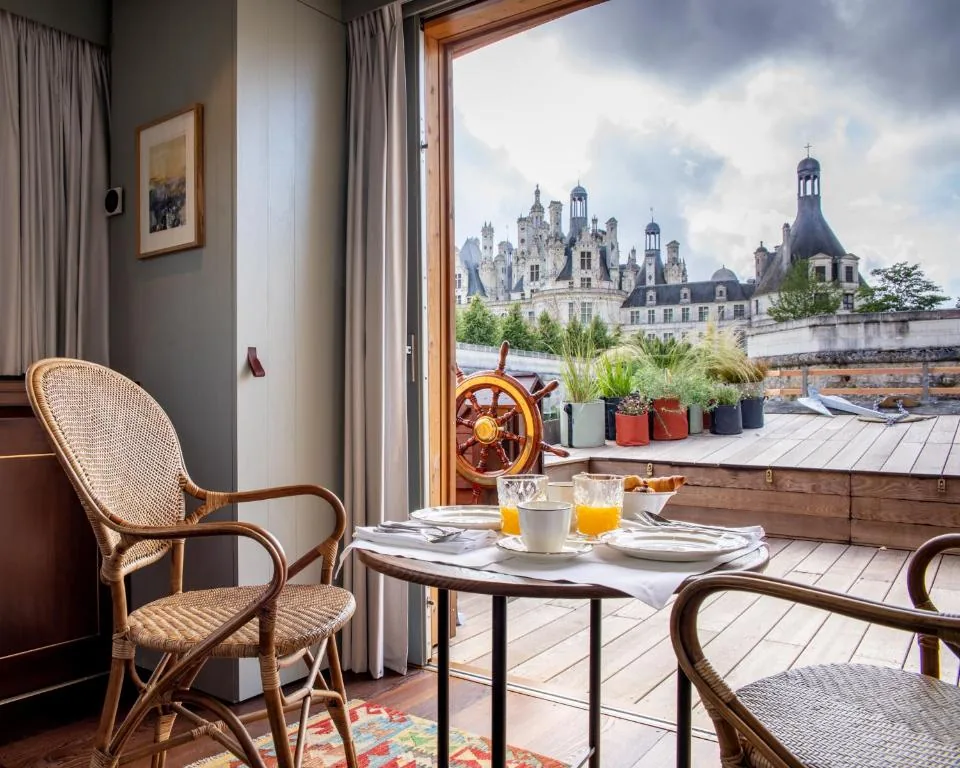
I think autumn and the All Saints’ holidays are a great time to visit the Loire Valley châteaux. Being based in Paris, I go there from time to time, in every season, but autumn is one of my favourite moments for quite a few reasons. First of all, there are far fewer people! So you can wander the châteaux more freely, spend more time there without being jostled, whether in the Chambord estate or among the intrigues of the Château de Chenonceau. Autumn also brings the lovely colours of nature without it getting much colder, because the region really does enjoy a good climate, I find.
You can discover the most beautiful Loire Valley châteaux via an itinerary of a few days, and the big advantage is that the Loire Valley châteaux can be visited without a car!
Anyway, all this to say that good weather, magnificent châteaux, and magnificent accommodation in the Loire Valley, all without too many people — I reckon that’s a great opportunity to (re)discover the history of France!
- Must-do activities: the Château de Chenonceau of course, the magnificent Château de Chambord, discovering Leonardo da Vinci in Amboise
- You can buy skip-the-line tickets here
- Recommended stay: the Château de la Bourdaisière, waking up right across from the château at the Relais de Chambord, sleeping in the troglodyte cave house Loire Sauvage


3. A road trip in Norway under the northern lights
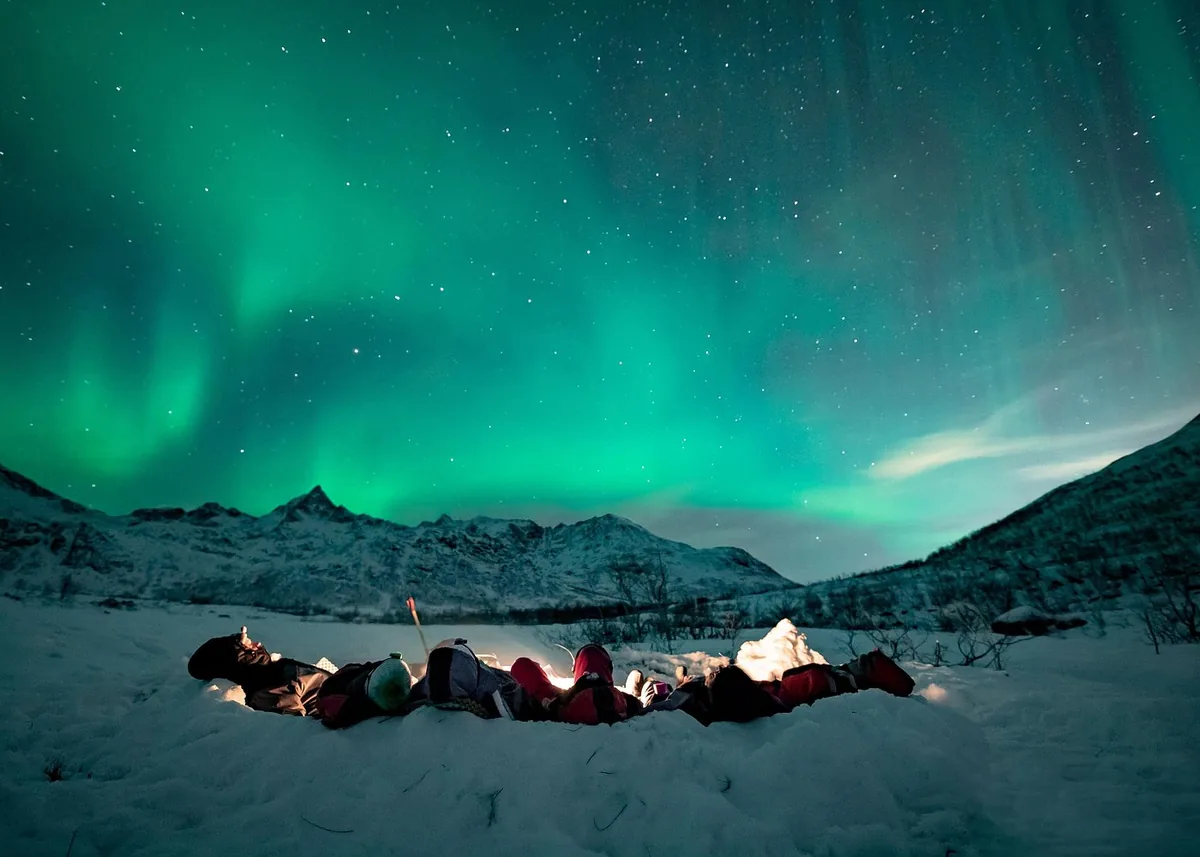
Did you really think I wasn’t going to suggest going to see the northern lights? Contrary to popular belief, there are northern lights all year round — you just need darkness. And so autumn is a great time to see them. Even better, the north of Norway is extremely well suited for it. Why? Because it’s not too cold, there’s no snow, the days are still long enough to make the most of them, and there are the majestic colours of autumn. As night falls, you can watch the northern lights without having to freeze your backside off in the snow and the cold.
And if you go from late October onwards, you could also see orcas and whales.
My recommendations naturally range from the Lofoten Islands (the most beautiful landscapes in Norway) to Tromso, the Arctic capital, by way of the island of Senja and its superb fjords. You can of course push further into Finnmark, towards Alta in particular, but the most beautiful landscapes are in the north-west.
And concretely, from mid-September to late November, as the days grow shorter, it’s an excellent time to see the northern lights. So if you fancy something different that will stay etched in your memory, go for it!
- Must-do activities: the fjords of Senja, Reine and Hamnoy in the Lofoten Islands, Grotfjord and Sommaroy in Kvaloya
- Recommended stay: Mefjordbrygge in Senja, Eliassen Rorbuer in Hamnoy, the Radisson Blu in Tromso


4. Discovering Budapest and Vienna
So why these two cities and not just one? Because each of them deserves a bit of time, 3 or 4 days easily, and above all they’re right next to each other. It’s very easy to travel from one to the other by train, so it would be a shame not to make the most of it. Especially since the two are totally different, even though they’re both imperial cities. A bit like two sisters: Vienna the well-behaved one, with its beautiful architecture and its superb churches, and Budapest the cheeky, slightly grungy one with its underground neighbourhoods and yet so many beautiful things to see!
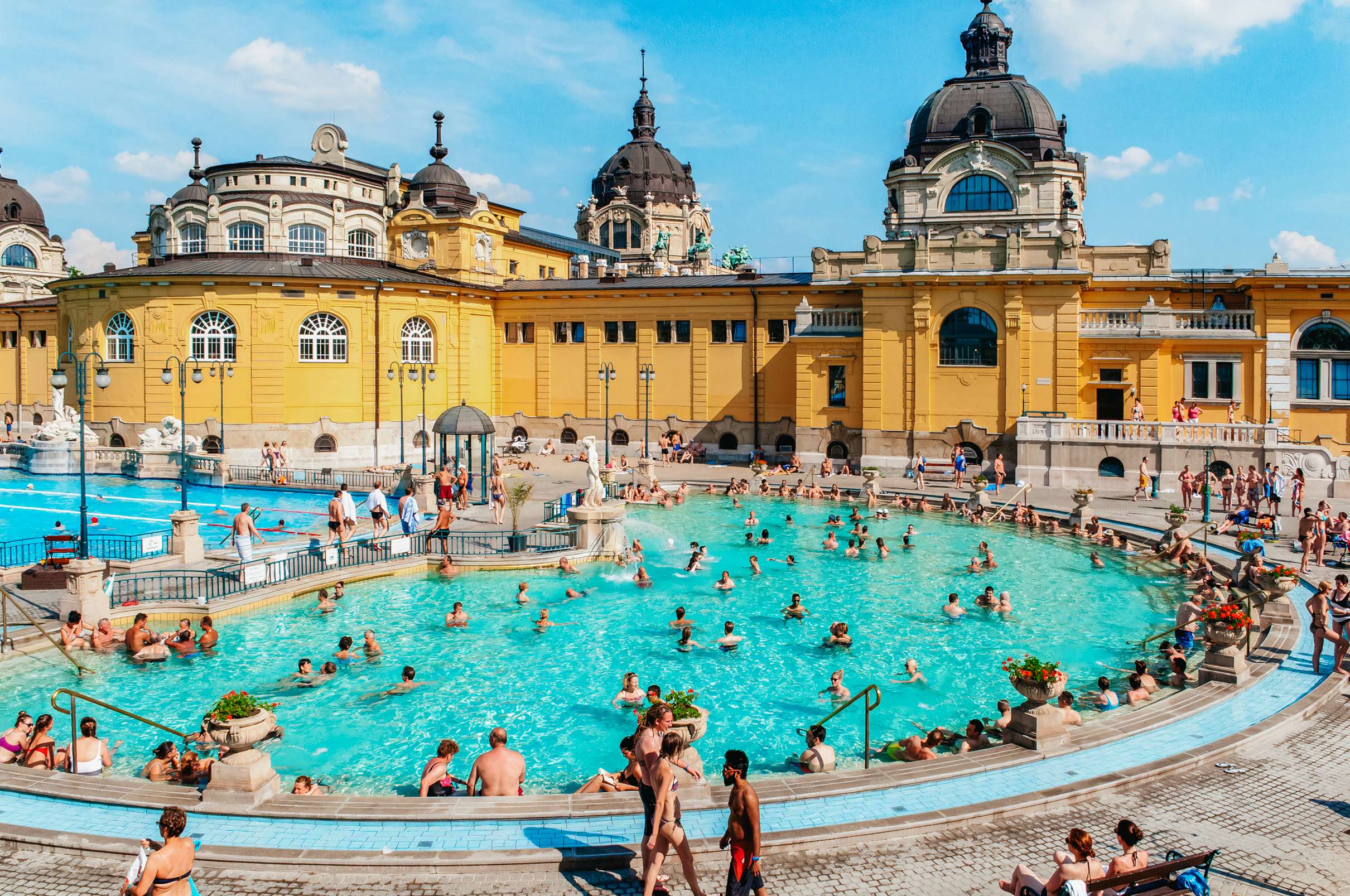
And the All Saints’ holidays are a good chance to go. It’s far less touristy (summer is really packed), it doesn’t necessarily cost a lot, and the climate, though continental, hasn’t yet turned harsh — the temperatures are good. And worst case, you’ll go for a soak in the thermal baths of Budapest!
- Must-do activities: in Vienna, see the historic centre, the fabulous baroque churches, the Hofsburg Palace. In Budapest, the Parliament is an absolute must-visit, along with the historic centre and Varosliget park
- Recommended stays: the Wombat’s City Hostel in Vienna, the Amberlyn hotel in Budapest


5. Rome and the Vatican, once the heat has finally died down
I’ve clocked up more than two weeks in Rome across several trips, including twice in January, and I still haven’t managed to visit Castel Sant’Angelo. That gives you an idea of how much there is to see.
Rome can be visited all year round, but my favourite times are April/May and September/October, to avoid the intense heat and the crowds of tourists. In July and August you hit 35-40°C and walking becomes a punishment. In late October it’s around 20-22°C: you can wander the city from 9am to 8pm without suffering. And in the low season tickets can be booked a few days ahead, versus three to four weeks in high season. That changes everything.
Plan for three days minimum, four is even better. One day for the Colosseum, the Forum and the Palatine, with a return to Trevi in the evening when it’s lit up. One day for the Pantheon, Piazza Navona and the Campo dei Fiori market in the morning, then Trastevere at the end of the day. And a full day at the Vatican (essential!): museums in the morning, lunch in Prati, then the basilica and the climb up the dome in the late afternoon for the light. A poorly organised Vatican visit means three hours of queuing and a Sistine Chapel seen wedged between two groups.
The bonus of this time of year: All Saints’ Day is a major celebration at the Vatican, so the atmosphere isn’t that of a Tuesday in March.
One tip from experience though: get up early. Even though the city is touristy, there’s no one out in the early morning, and that’s when you’ll get the most beautiful spots all to yourself. And book your time slots as soon as you have your dates: we had to change our whole plan because I thought booking for the morning would be enough. Not at all.
- Must-do activities: the Colosseum with the Forum and the Palatine, the Vatican Museums and the Sistine Chapel, the climb up St Peter’s dome, and a Vivaldi concert for the evening
- Recommended accommodation: the Room Mate Collection Mia a five-minute walk from the Colosseum, the Residenza Paolo VI and its terrace facing St Peter’s Square, or the Donna Camilla Savelli in Trastevere. And for getting there, here’s how to reach the centre from Fiumicino


6. A week between Lisbon and Porto
I have to admit that the first time, I was really reluctant to go to Lisbon. Full of preconceptions, thinking the city was overrated and ruined by tourism. What a mistake.
And it’s probably the most obvious destination on this list for autumn (along with the northern lights, of course!). Spring and autumn are the best seasons: between 18 and 25°C, plenty of sun, and far fewer crowds than in summer. I did it at this time of year and it’s great. You’re in long sleeves, you walk all day without roasting, and the queues have melted away: at the Jerónimos Monastery, in high season, it’s a two- to three-hour wait.
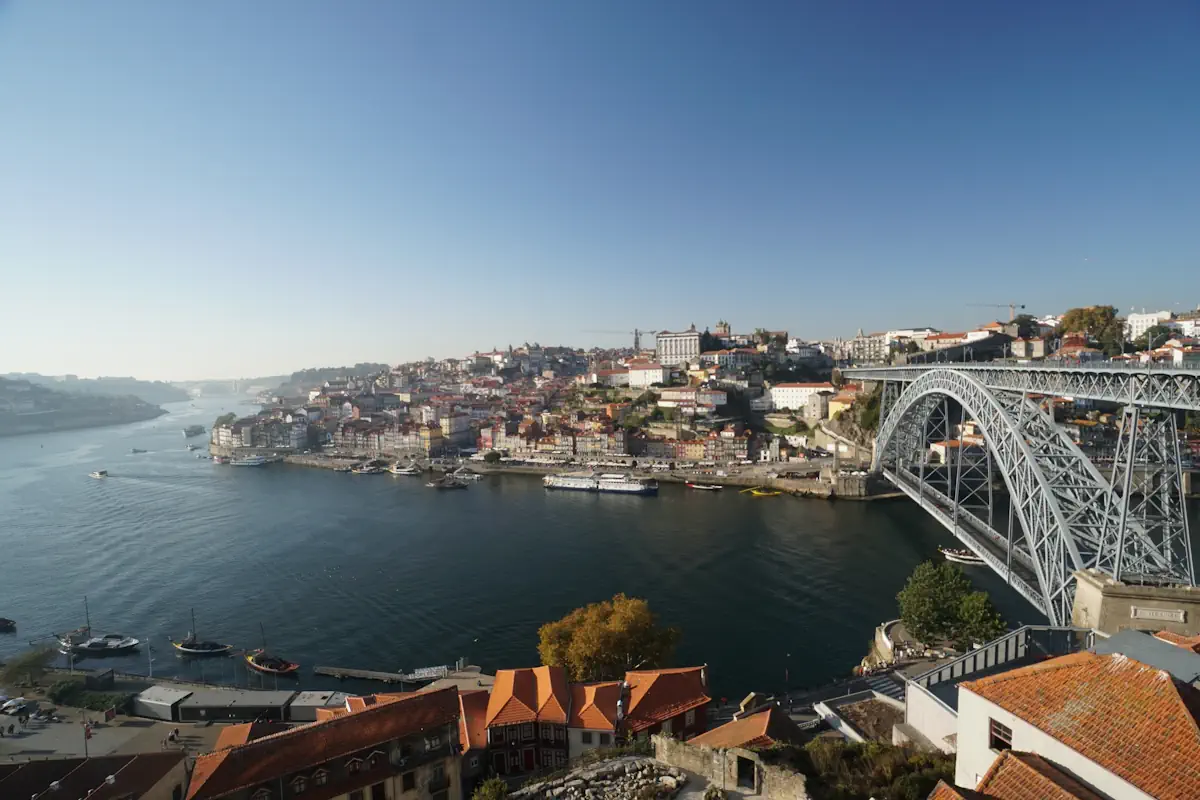
The week organises itself. Three days in Lisbon, a day in Sintra, then the train to Porto and the rest in the north. In Lisbon, on the first day the centre and São Jorge Castle with a walk down into the Alfama through the miradouros. On the second, Belém very early in the morning, because the coaches start arriving at 10am. On the third, the ferry to the other bank and the Azulejo museum.
My gem, the one nobody visits: São Vicente de Fora. One of the most magnificent monuments in the city, and yet one of the least visited. Four euros, allow a good hour.
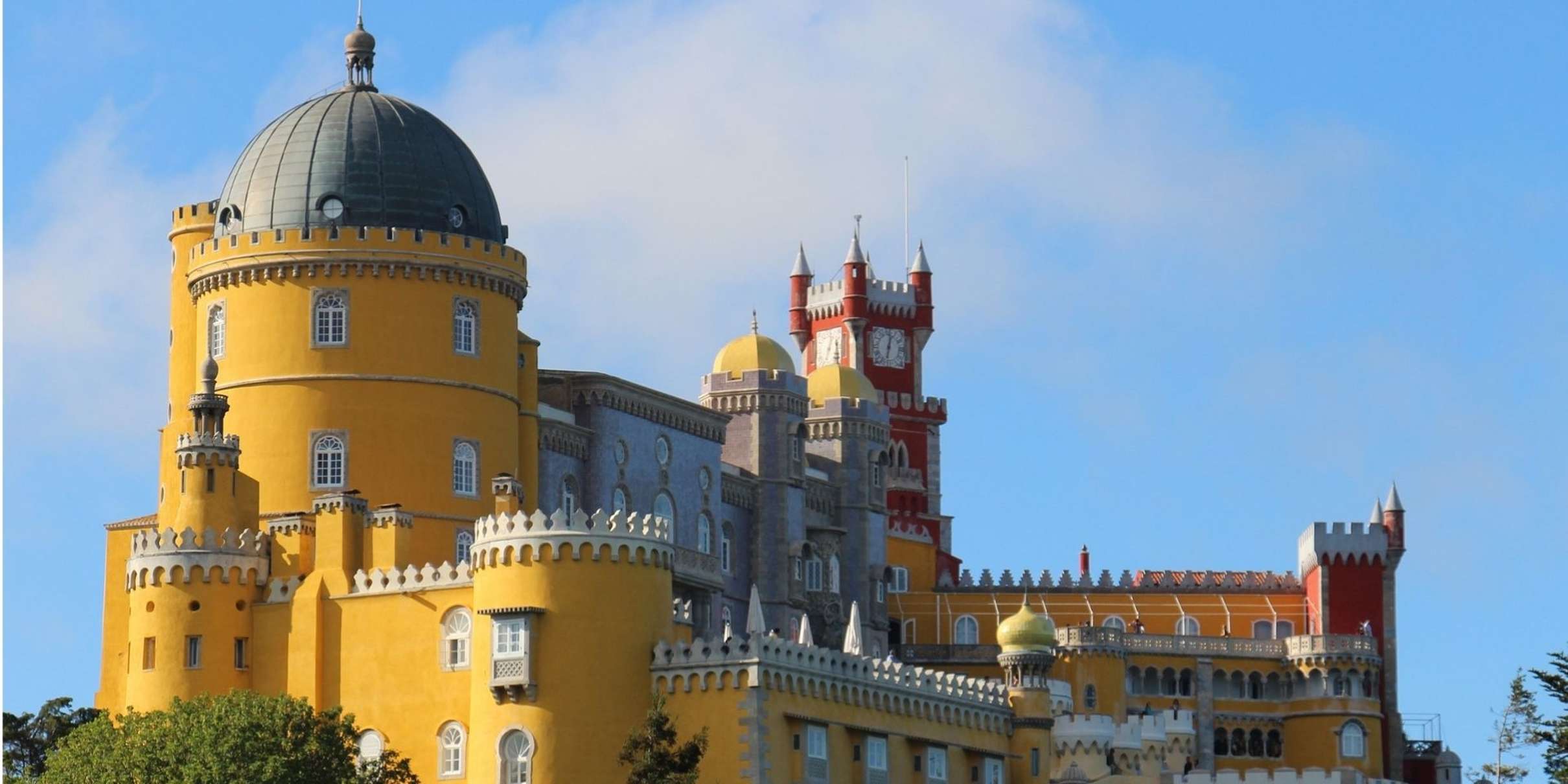
For Sintra, honestly, take the organised excursion rather than sorting it out yourself. It saves you the shuttle logistics and the queues at the Pena Palace, which is the black spot of the day.
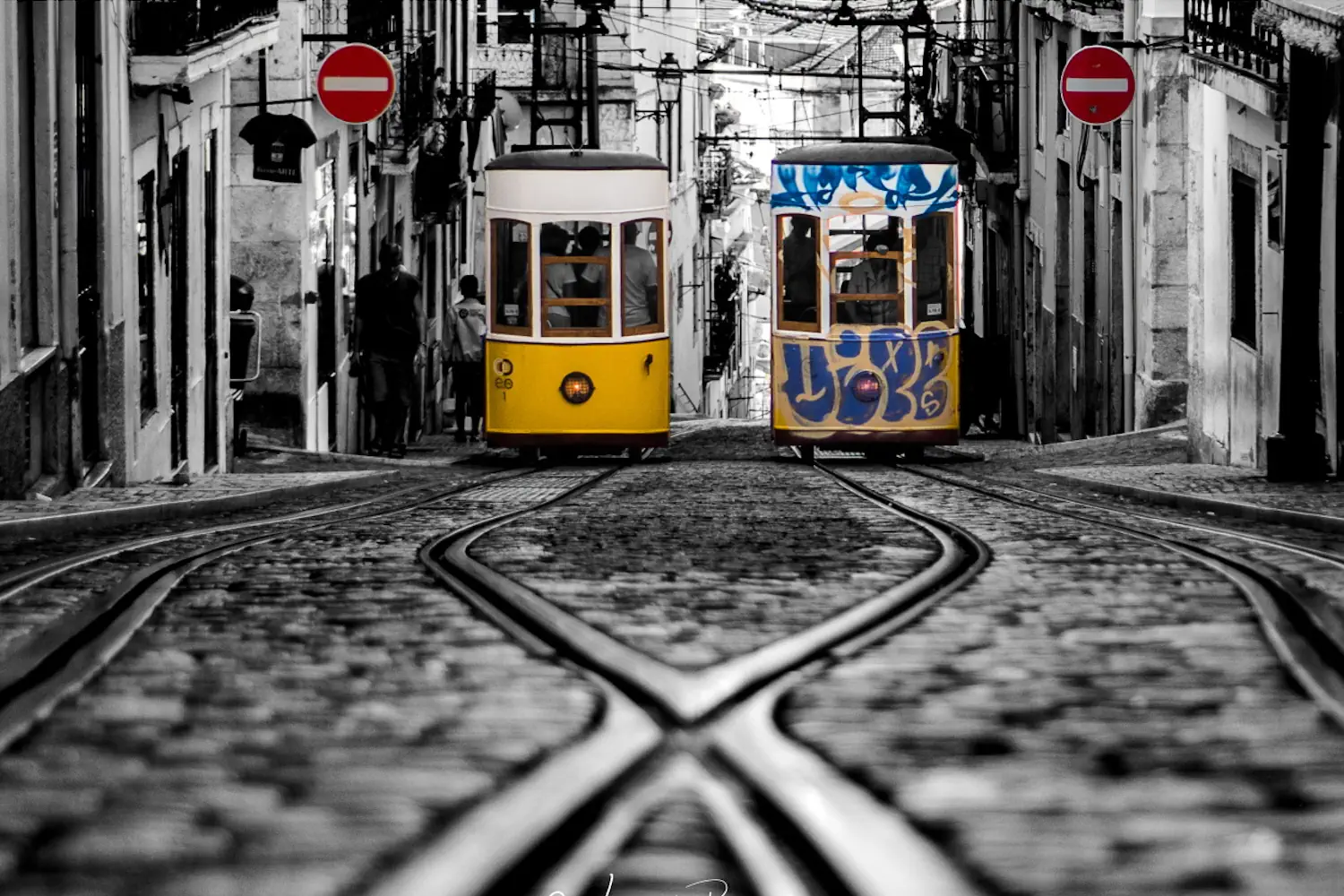
Two words of warning though. The hills and the cobblestones are tiring: bring proper shoes. And since the accident in September 2025, the Glória and Bica funiculars are closed, with no clear reopening date. Check before building your day around them.
- Must-do activities: the Jerónimos Monastery and the Belém Tower in the early morning, São Jorge Castle, the miradouros at golden hour, a day in Sintra, and a cruise on the Tagus. The Lisboa Card can pay off depending on your programme, here’s the maths
- Recommended accommodation: the Memmo Alfama and its red pool overlooking the Tagus, the Riverside Alfama to stay in the neighbourhood without breaking the bank, or the Once Upon a Time Lisboa. And from the airport, the metro drops you in the centre in 25 minutes for under 2 €
7. See the unique landscapes of Iceland
To say that Iceland is one of the most beautiful countries in the world is a gentle understatement. Landscapes that are genuinely unique in the world, a mix of glaciers and volcanoes, mountains and fjords. A country in constant turmoil with volcanoes appearing regularly, a wild country with a harsh climate, but one that offers a unique experience.
You’ll get to see the most beautiful waterfalls in the world, immense glaciers, colourful mountains still steaming, lava flows and craters to explore. And what if I told you that on top of that, in autumn you have the chance to see the northern lights? Well, that’s provided the weather is reasonably kind, mind you (which isn’t always a given here).
But in autumn, although the centre is closed because of the bad weather, a good part of the country is still accessible, notably the ring road, the fabulous south coast of Iceland and the Vík í Mýrdal region, and you’ll be able to discover the Mývatn region, whether for a few days, focusing on the magnificent Golden Circle and the Icelandic capital Reykjavik, or more than a week venturing further afield! And you can also do plenty of activities in Iceland like ice caves, snowmobiling or fabulous hikes!
- Absolute must-sees: the waterfalls and glaciers of the south, the superb Golden Circle, the Snæfellsnes peninsula in particular.
- Recommended accommodation: Johann’s Guesthouse in Reykjavik, Hotel Katla in Vík, Hotel Gullfoss at the Golden Circle


8. Get blown away by visiting Peru
Heading so far away for the All Saints’ holidays isn’t necessarily the most intuitive choice, I’ll grant you that. And yet, if you have the option to go for 2 weeks, you could for example do the following circuit if it’s your first trip:
- the surprising capital Lima, a little bit anyway, the rest is better
- A few days in Cusco (you could stay for weeks and still have things to see!) and then head off to Machu Picchu in a day
- Head off to discover Lake Titicaca and its islands, with in particular a trip to the Uros and Taquile islands
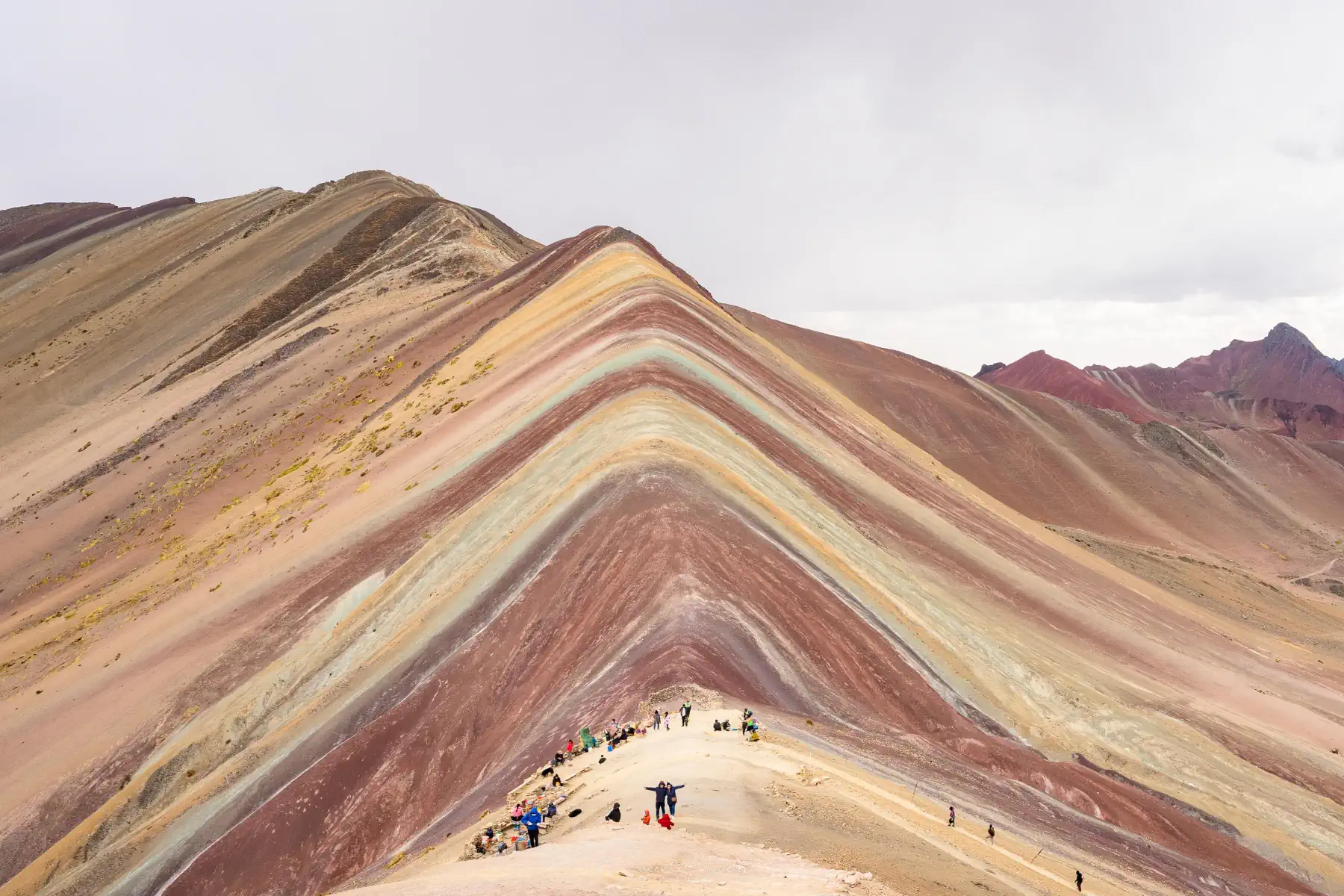
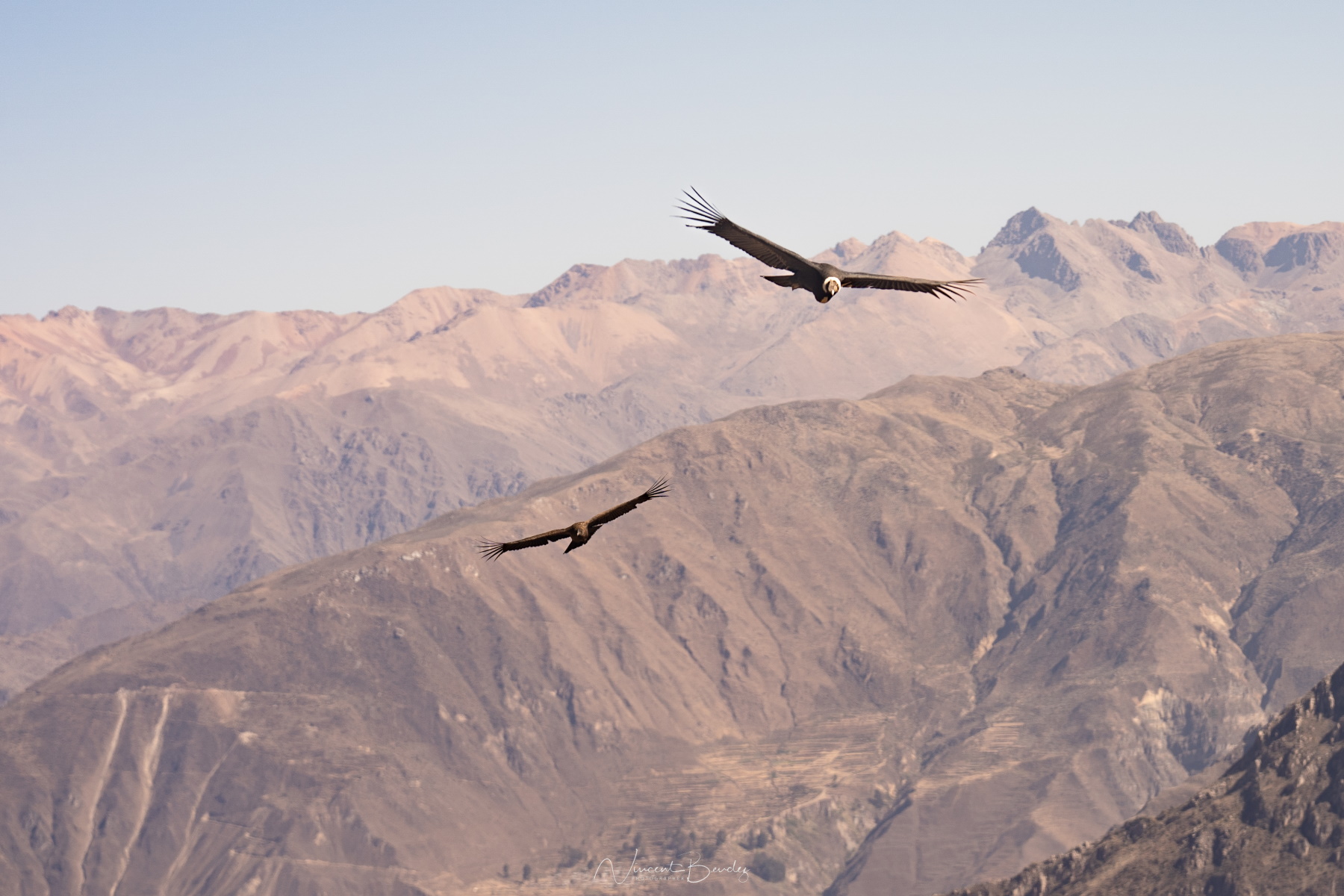
- Then go to Arequipa and its exceptional region including in particular the fabulous Colca Canyon with its condors but not only that!
Peru isn’t just about superb landscapes, mountains, the Altiplano, volcanoes, a desert and so much more. Above all it’s a culture shock. We think of the Incas but that’s only the tip of the iceberg, there are so many pre-Inca civilisations, so many remains, fortresses, petroglyphs, pyramids… And that’s without even mentioning the Amazon.
- Absolute must-sees: Cusco and its surroundings, of course! Arequipa, the Colca Canyon, the Nazca lines, the pyramids of Túcume, Chan Chan…
- Recommended accommodation: the Casona Corrales in the historic centre of Cusco, the Katari hotel and its exceptional view over the Plaza de Armas of Arequipa, or the Summa Paqari to sleep in the heart of the Uros islands on Lake Titicaca!

9. Enjoy Mont Saint-Michel and the Emerald Coast
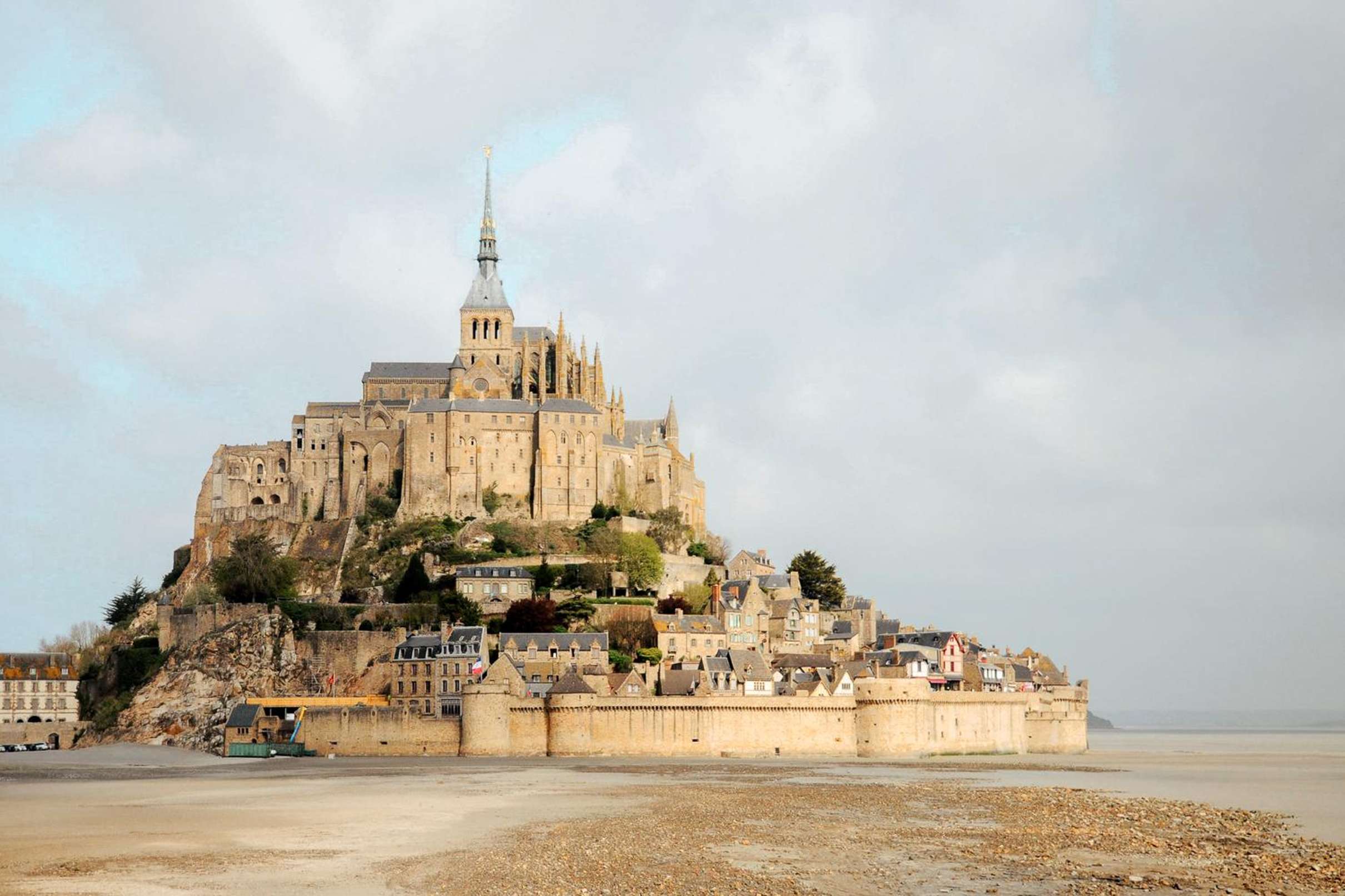
Okay, so I already told you about Brittany a bit earlier, but on the Brittany-Normandy border, there’s one of the most beautiful sites in France: Mont Saint-Michel. My last visit was at the end of the last All Saints’ holidays and honestly it was cool! A really lovely climate, hardly anyone around, so ideal for spending a nice quiet day discovering this marvel.
And why stop there? From the bay of Mont Saint-Michel, you then have to push further west to head to one of the most beautiful places in Brittany: the Emerald Coast. Little towns like Saint-Malo and its ramparts, Dinard, Dinan, the gorgeous beaches (okay, the water might be a touch chilly) notably at Saint-Jacut-de-la-Mer, or the typical village of Saint-Suliac.
You’ll get wind, probably some rain from time to time, it’ll be cooler than in summer, but you’ll have the region to yourself and honestly, it’s so magnificent that it’s worth a few drops! (and I’ll admit that visiting the coast in July, I had pretty mediocre weather :D)
- Absolute must-sees: Mont Saint-Michel and its Abbey (booking required), Dinan, Saint-Malo, Saint-Suliac, Cap Fréhel
- Recommended accommodation: the Hôtel Vert to sleep a stone’s throw from the Mont, the Vieille Auberge to sleep in the heart of Mont Saint-Michel


10. The beaches of Punta Cana
People will tell you it’s the tropical storm season, that it rains, that it’s not the best time of year. Well yes, but actually it’s going to rain just a little, not the big tropical downpours. But above all there are loads of advantages:
- there aren’t many people, which is a luxury over there!
- it’s much cheaper than in the best season
- it’s not too hot, but not cold either, mind you
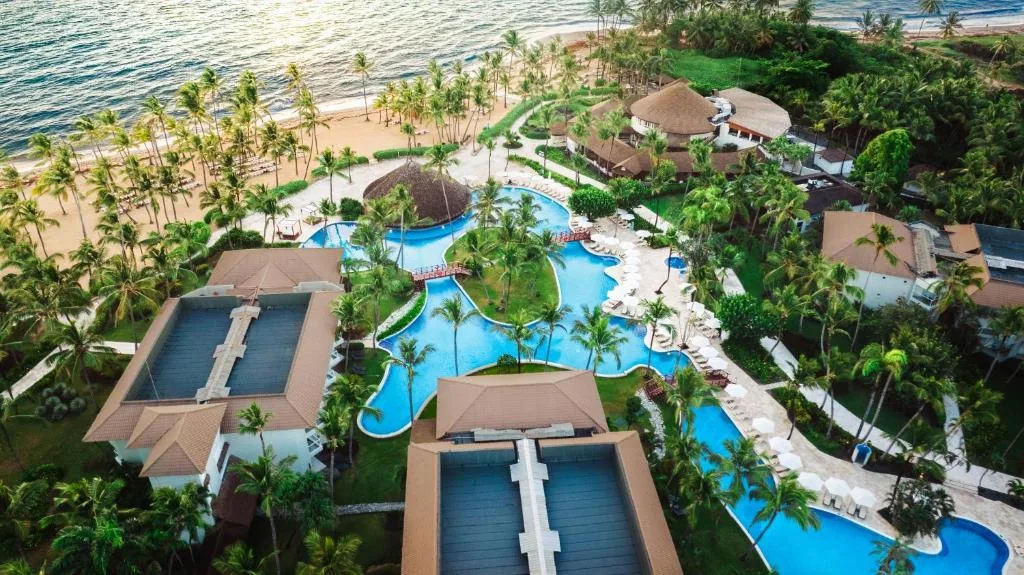
Punta Cana means some of the most beautiful beaches in the Caribbean. White sand, crystal-clear water, coconut palms. It’s the postcard picture! With the option to do a few excursions like the magnificent Saona (now that’s paradise!).
So autumn and the All Saints’ holidays are a good alternative for discovering Punta Cana!
- Absolute must-sees: the beaches of Cap Cana, the island of Saona, the buzz of Bávaro
- Recommended accommodation: the Wyndham Alltra Punta Cana All Inclusive Resort is great! The Tropical Village in Bávaro


In conclusion
There you go, now you know everything! Well, there are obviously plenty of other ideal destinations for the autumn holidays. Since I try to mix things up, I’ll add more as soon as I get the chance. But places like Morocco, Malta and Andalusia are also wonderful opportunities to discover at this time of year.