Last updated on
When you don’t have children, when you’re not tied to school holidays and when you’d rather not travel at the same time as the majority of tourists, September is a brilliant alternative for enjoying the best destinations.
There are loads of advantages to travelling in September, it’s what I’ve been doing for many years, and here’s what I can tell you:
- the tourists have gone home! Well, mainly the families and the campervans, there aren’t many people left (except in the places where it never quietens down, like Venice for example)
- so prices drop. The prices of plane tickets, car hire, and sometimes accommodation too
- the weather is better. As you know, I spend quite a bit of time in the freezing cold, so the heat of summer is always a tad tricky for me 😀 September has the merit of offering plenty of sunny days, but fewer heatwaves or scorching temperatures. It’s a good compromise!
- seasonal tourist sites haven’t closed yet, so you can have them all to yourself (or nearly)
Here I’m going to introduce you to some really lovely places where September is one of the best seasons. Above all because you can enjoy them without the never-ending flows of tourists! Of course there are others, but I must admit I particularly enjoyed these ones.
| Destination | By day | Sea | Rainy days | From Paris | Budget / day / person | Crowds in September |
|---|---|---|---|---|---|---|
| Tromso Norway | 11°C / 5°C | 10°C | 14 days | 3h45 direct flight | 140 – 190 € | Very low |
| The Périgord France | 25°C / 12°C | — | 8 days | 5h30 by road | 90 – 130 € | Very low |
| Lanzarote Canary Islands | 28°C / 21°C | 23°C | 0 – 1 days | 4h direct flight | 80 – 115 € | Low season |
| Palermo & Cefalù Sicily | 27°C / 21°C | 26°C | 5 – 7 days | 2h20 direct flight | 90 – 130 € | Drops after the 15th |
| Loire Valley châteaux France | 22°C / 11°C | — | 8 days | 1h10 by TGV | 95 – 135 € | Low |
| Budapest & Vienna Hungary / Austria | 22°C / 11°C | — | 6 – 7 days | 2h direct flight | 90 – 130 € | Moderate |
| Iceland Reykjavik | 12°C / 6°C | 10°C | 15 days | 3h10 direct flight | 150 – 210 € | Falling |
| North coast of Brittany France | 20°C / 12°C | 17°C | 13 days | 2h50 by TGV | 100 – 140 € | Very low |
| Bavarian Alps Germany | 19°C / 8°C | — | 12 – 14 days | 5h45 by TGV | 110 – 150 € | Low |
Temperatures and rainy days: September averages based on climate normals. Sea temperatures: monthly averages; they drop by about 1°C between the start and end of September. Budgets are rough estimates for two people in the mid-range, accommodation + meals + activities, excluding transport to the destination.
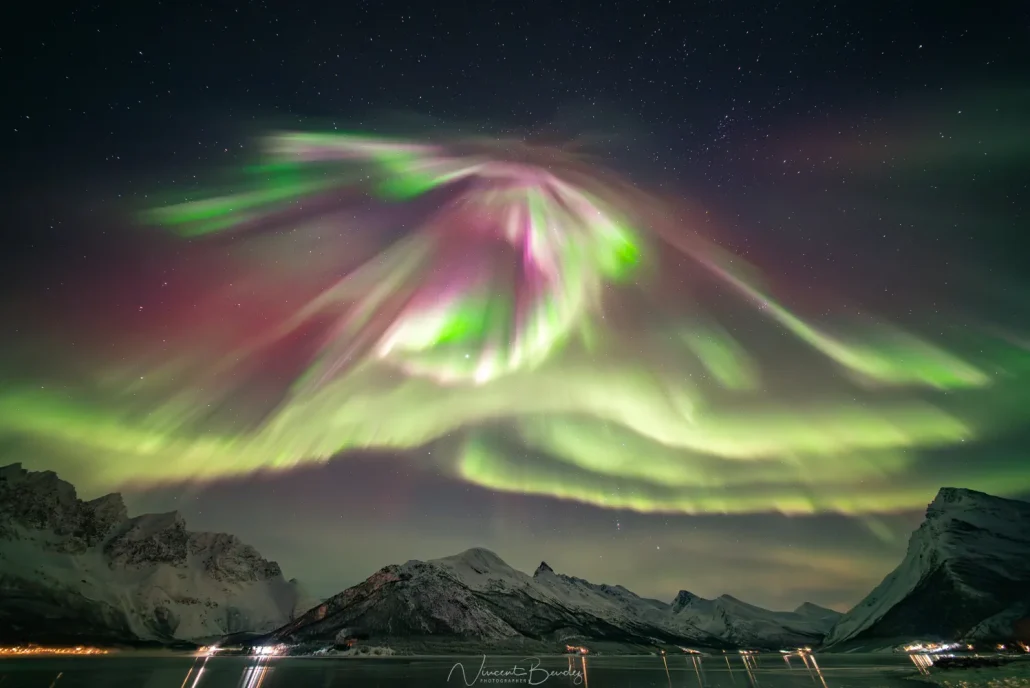
Seeing the Northern Lights in Tromso
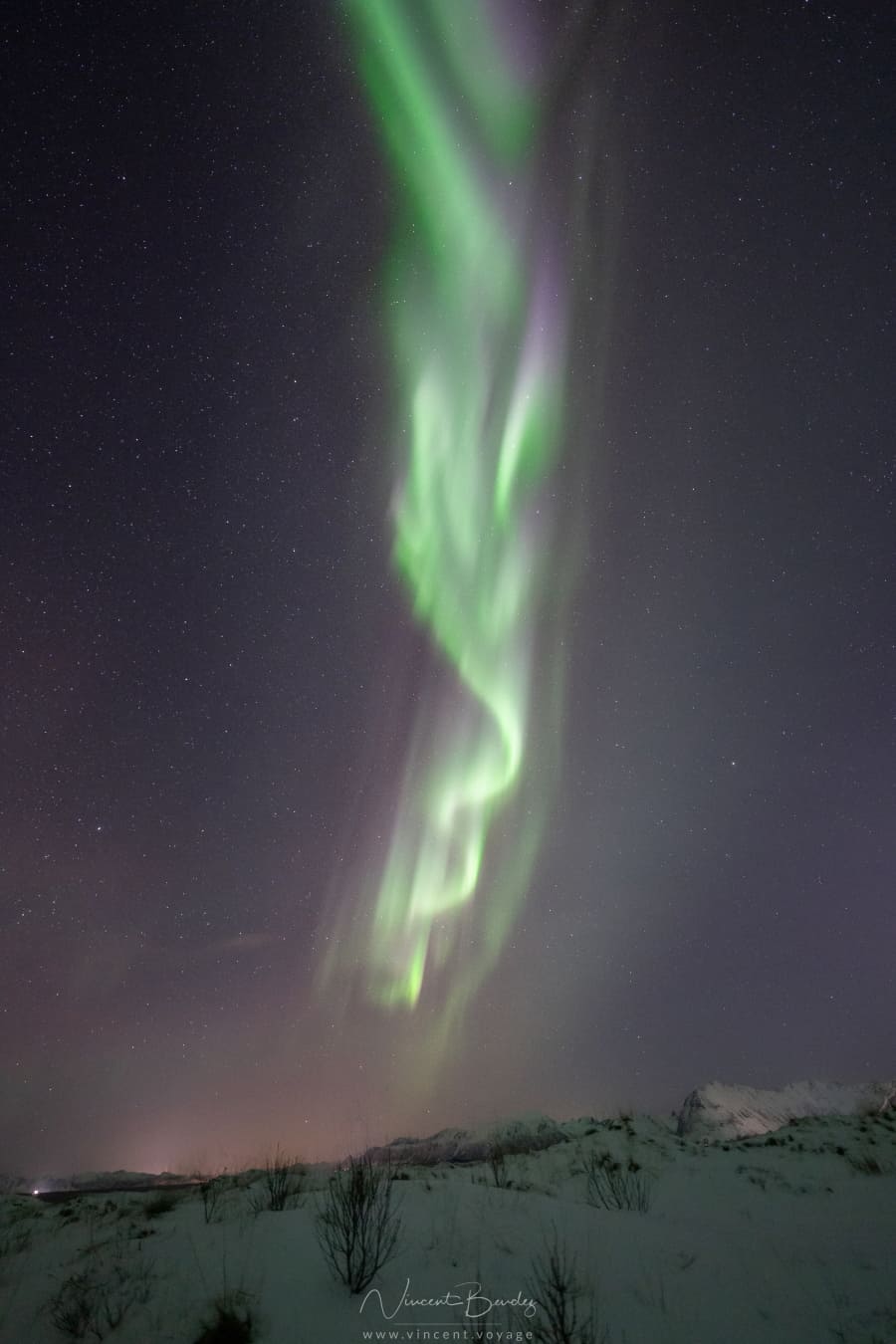
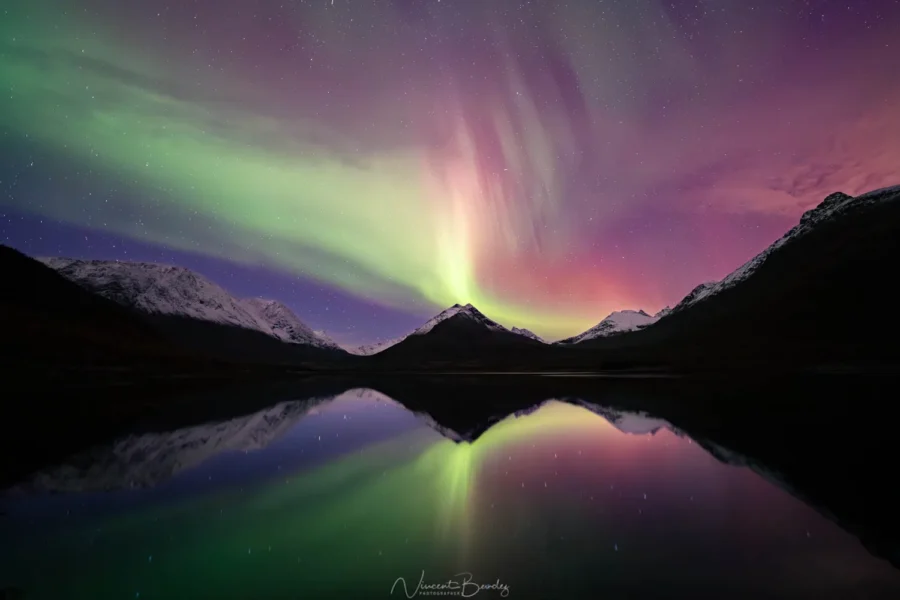
So no, let’s bust a myth here, the Northern Lights aren’t only visible in winter. You can see them as soon as there’s some darkness, that is to say from late August.
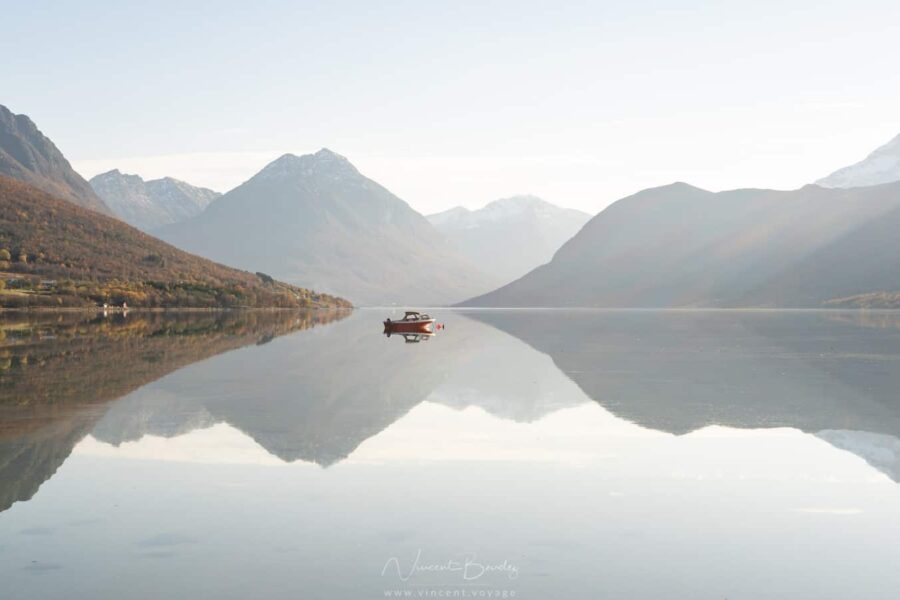
You can see them in Europe, quite easily, beyond the Arctic Circle. But Tromso is the best place, in my opinion, because you’ve got the right mix of weather and landscapes. Indeed, near Tromso you’ve got the superb islands of Kvaloya and Senja, but also the Lyngen Alps, which are among the most beautiful landscapes in the country.
What’s more, from Tromso it’s generally easy to escape the clouds by driving a little. So seeing the Northern Lights isn’t something difficult, whether you go on your own or with a guide.

Why go in September
Right, I’m not going to lie to you, Tromso is normally a very touristy destination. Normally. But not in September!
Because for a start, all the families head home because of school, and as I was saying, lots of people think the Lights are only visible in winter.
Concretely, I love September because:
- there are few tourists
- accommodation prices drop
- it’s a brilliant season for seeing the Northern Lights!
- the weather is better than the months to come
If you don’t fancy putting up with the winter cold, if you don’t want to come at the same time as everyone else, then seeing the Northern Lights in autumn is a brilliant idea!


A few resources on Tromso
To help you plan your stay in Tromso, here are a few really useful bits of info (well, I hope so!):
- Visiting Tromso: in this general article, here’s all the essential info for preparing your autumn stay
- The map of Tromso: a really handy interactive map with all the most beautiful spots, the points for the Lights, the accommodation, the hikes…
- The best Northern Lights agencies in Tromso: if you’d like to be accompanied to see the Lights, here are some recommendations for excellent agencies
- Where to stay in Tromso: quality hotels, apartments, secluded spots, here are loads of lovely recommendations
- All the activities in Tromso: find, for the whole year, all the providers and all the activities in a comparison table

Enjoying the most beautiful spots in the Périgord without a single tourist
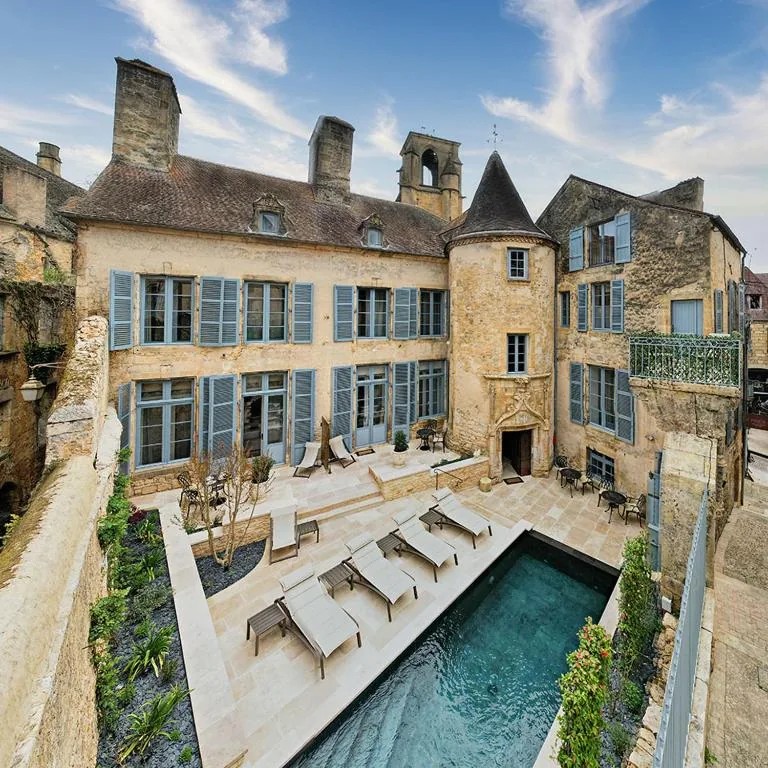
The Périgord is one of the most beautiful and most interesting regions in France. First of all, the Dordogne valley is reminiscent of Tuscany and is really pretty, but above all you’ve got remnants of the history of France dating back several tens of thousands of years.
Indeed, it’s the homeland of Cro-Magnon and you’ll find dozens of caves adorned with parietal paintings. Bison, mammoths, even lions!
But the Périgord is also a more recent history with castles like Beynac or Castelnaud that played a part in the country’s history. And it would be impossible not to mention some of the most beautiful villages in France, which are located right here. Sarlat of course! The little capital with its mad charm. La Roque Gageac carved into the cliff, Castelnaud and its sloping village, medieval bastides like Monpazier… there are dozens of them, it’s impossible to tire of them!
Finally, if I still needed to convince you, I’d tell you about the pretty incredible food here and the small local producers who make products of the very best quality.


Why go in September
The peak tourist season is short in the Périgord. It runs from early July to late August because it’s a very family-oriented destination. And quite honestly, this peak season is really stifling because there are too many people.
But as soon as you step outside those 2 months, there aren’t many people left and it’s great!
In September, there are therefore many advantages:
- temperatures that are still very good, but without it beating down too much
- it isn’t raining yet, that tends to happen in October
- there’s no one left, no more families, no more Dutch campervans
- an important point: all the tourist sites are still open. Many sites close from autumn onwards, like caves that preserve their paintings
- so you can visit all the most beautiful spots in peace, even the most sought-after caves


A few resources on the Périgord
Having spent the holidays of my youth in the Périgord, I’ve been rediscovering this region for 2 years and I write about it to share with you just how lovely it is!
- Visiting the Périgord: here’s all the essential information for preparing your holidays!
- The most beautiful villages in the Périgord: some of the most beautiful villages in France are here, come and discover them
- The best map of the Périgord: all the info, the caves, the villages and castles, everything on a single interactive map
- The 15 most beautiful spots to see in the Périgord: prehistoric caves, magnificent villages, historic castles and gargantuan restaurants
- What to see in the Lot: right next to the Dordogne, discover this brilliant département!


Seeing the lunar landscapes of Lanzarote
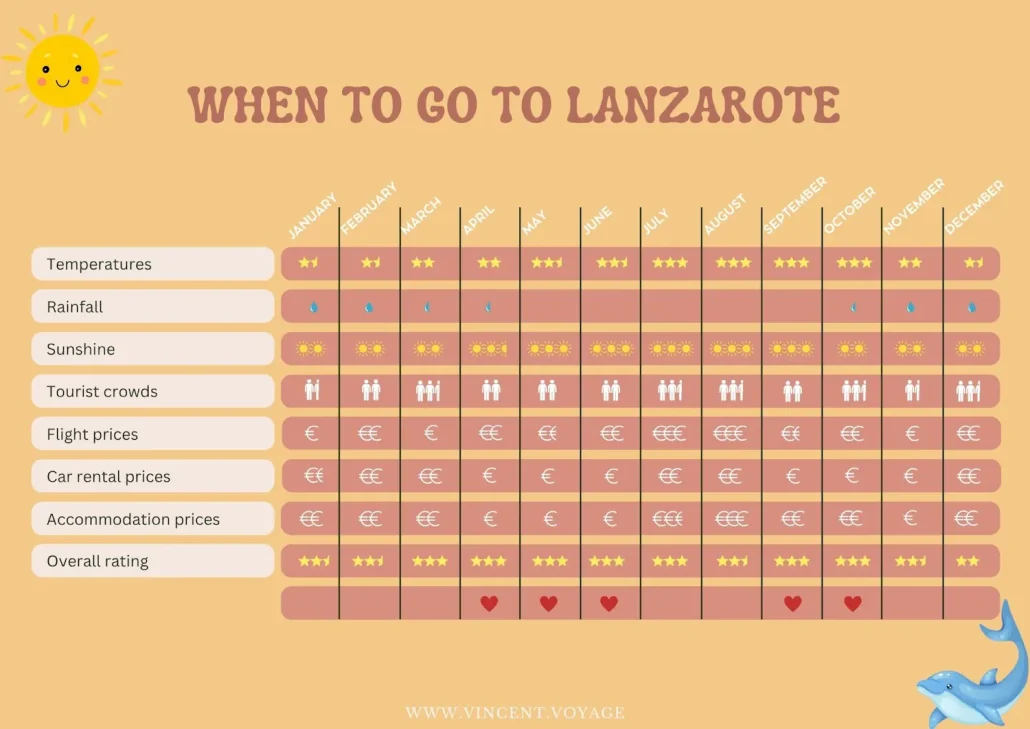
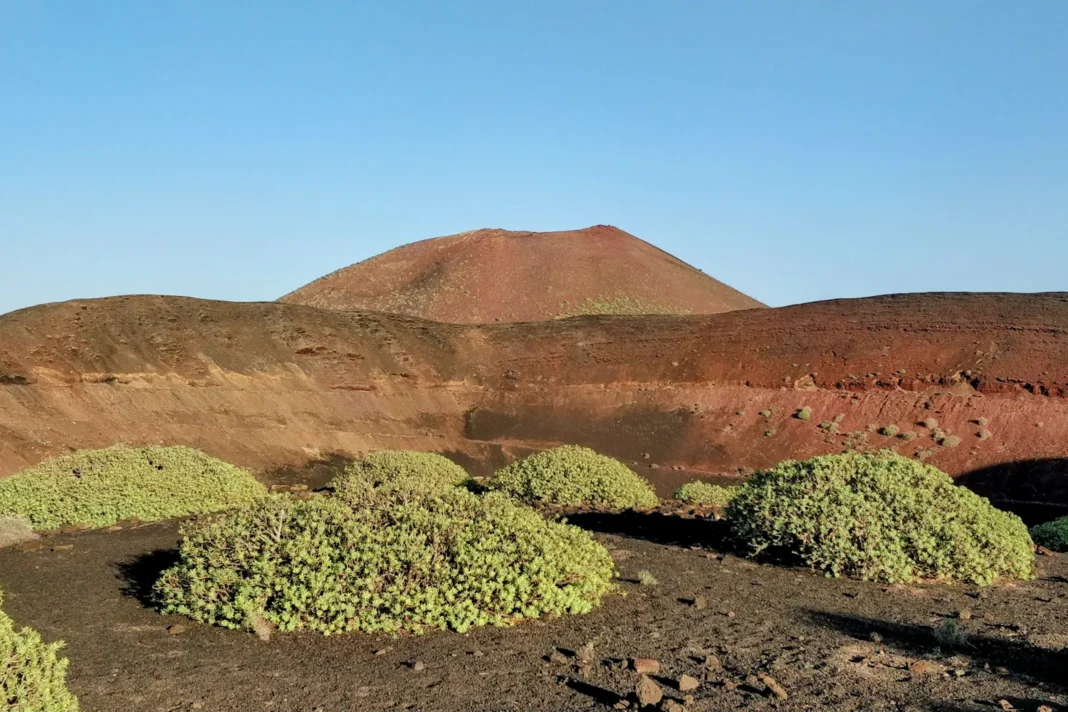
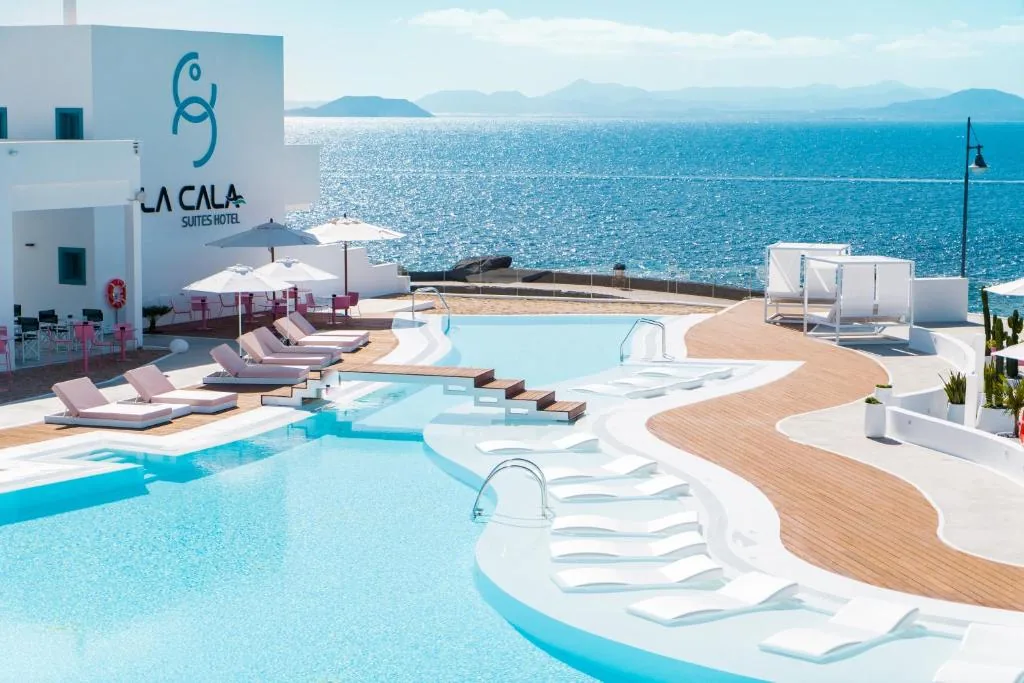
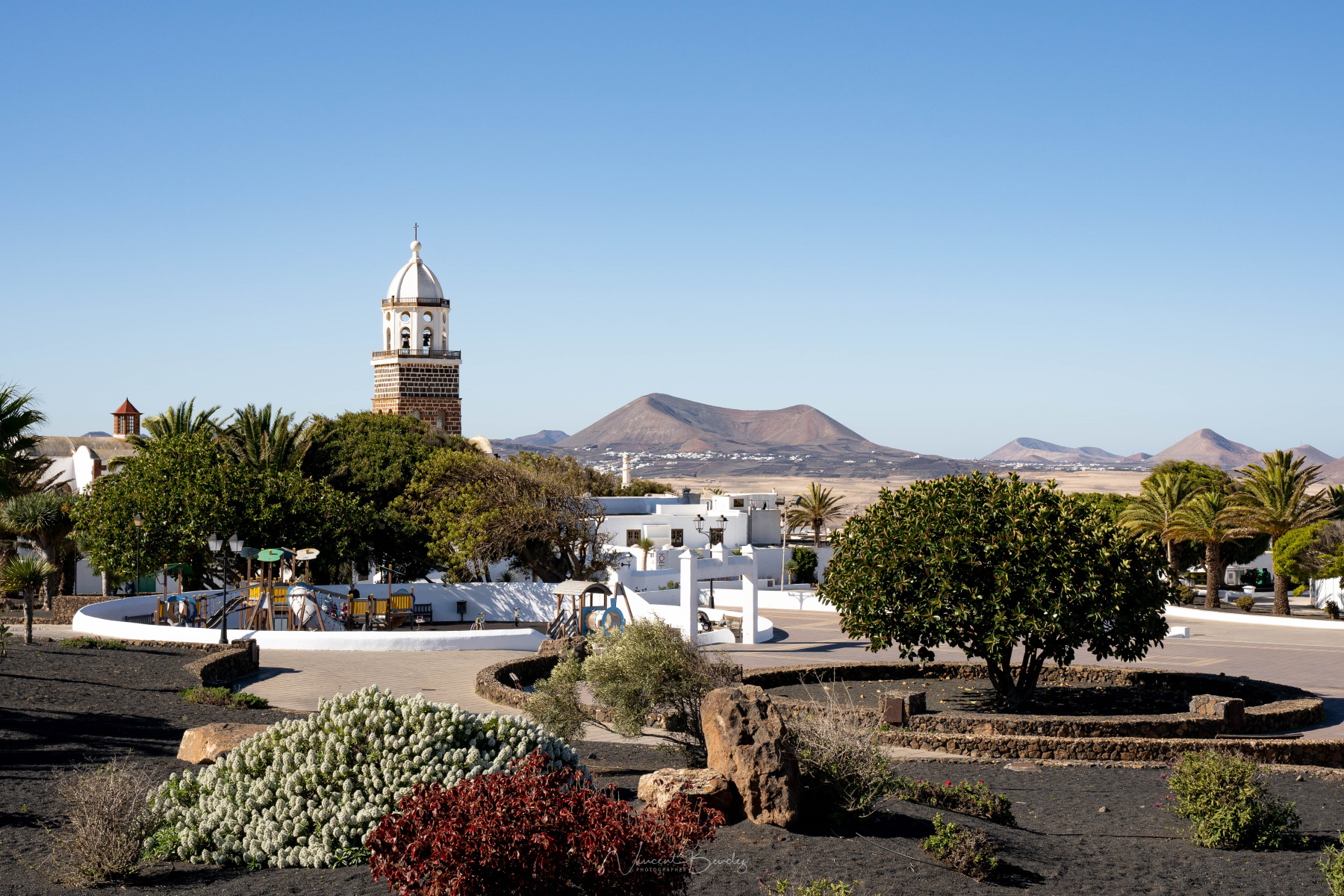
Lanzarote has the huge advantage of being able to be visited absolutely all year round because its weather is very stable. It’s also, and above all, a magnificent place where you can spend a good week without getting bored, wandering between the craters, discovering the historic heritage left by Cesar Manrique, and lazing on the beaches of Papagayo.
What’s lovely about Lanzarote is that the island is protected from overtourism and you can really enjoy the crazy landscapes like the Timanfaya volcano park, do magnificent hikes, and watch insane sunsets from the viewpoints. And I’d even advise you to go and discover its little sister, La Graciosa, a genuine little paradise!


Why go in September
Lanzarote is such an obvious destination for the month of September, in my opinion:
- it’s really the low season (people come back around November, December), so all the touristy spots are yours without queuing
- the beaches are yours with no one around, the relatively warm water letting you swim without too much trouble
- it doesn’t rain, the weather is good, it’s still lovely, so you can really enjoy the island!
- And this is a seriously important point, since it’s the low season, everything costs less! Accommodation is very affordable, and car hire barely costs anything
In short, do you still need arguments?

A few resources on Lanzarote
Because it’s a brilliant place, here are a few little bits of info that will be useful to you:
- What to see in Lanzarote: discover the most beautiful spots, the beaches, the tourist sites
- How to visit the Timanfaya volcanoes: the most beautiful spot on the island, but one that requires a bit of info to visit
- Where to stay in Lanzarote: discover the loveliest, most unusual spots, sleeping at the foot of the volcanoes
- The interactive map of Lanzarote: in one place, discover all the essential info for planning your route
- Hiring a car in Lanzarote: which agency should you hire a car from, and is it really essential
- What to do in Gran Canaria: discover the neighbouring island, so surprising, if you extend your stay in the Canary Islands!

Enjoying the sun and beaches of Sicily in Palermo and Cefalù
Here’s the destination that ticks pretty much all of September’s boxes: it’s still hot, the sea is still lovely, and everyone has gone home.
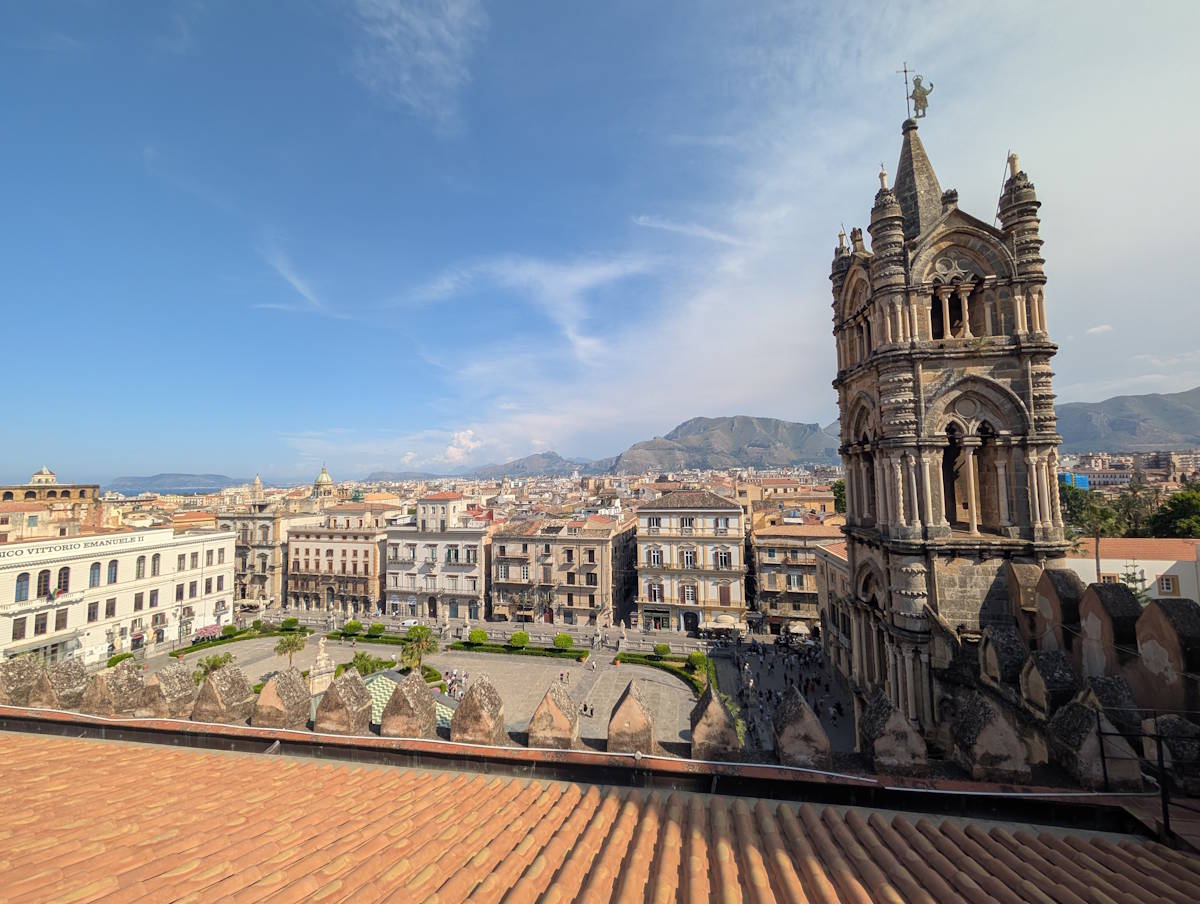
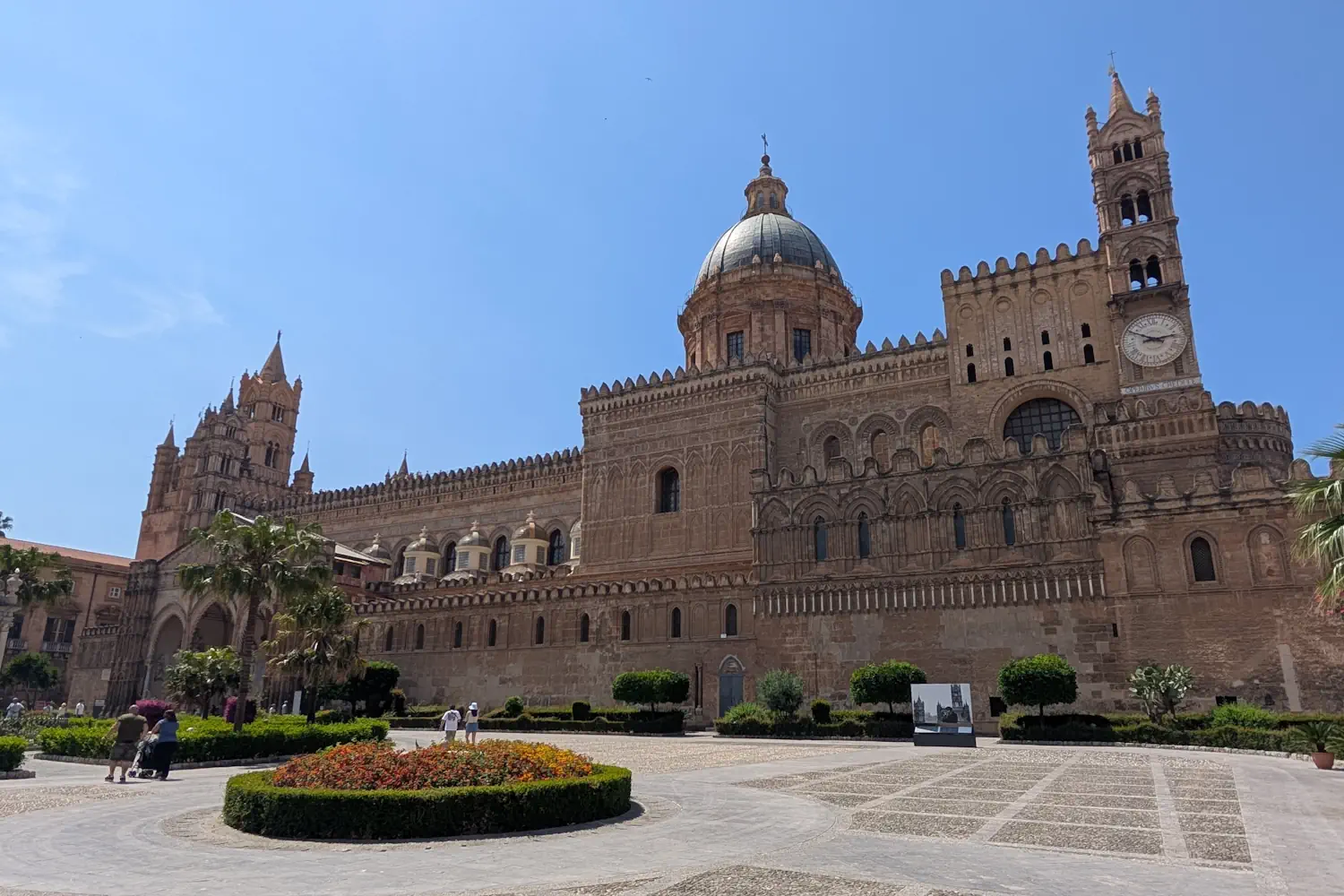
Palermo is a joyful mess. It’s not the postcard Italian city that everyone does, with its lined-up monuments and its polished little streets. It’s a city that jolts you, that smells of bitter orange and frying, where a gleaming Byzantine chapel hides behind a decrepit façade and where an Arab market unfolds a stone’s throw from a Norman cathedral. A city that is lived more than it is visited.
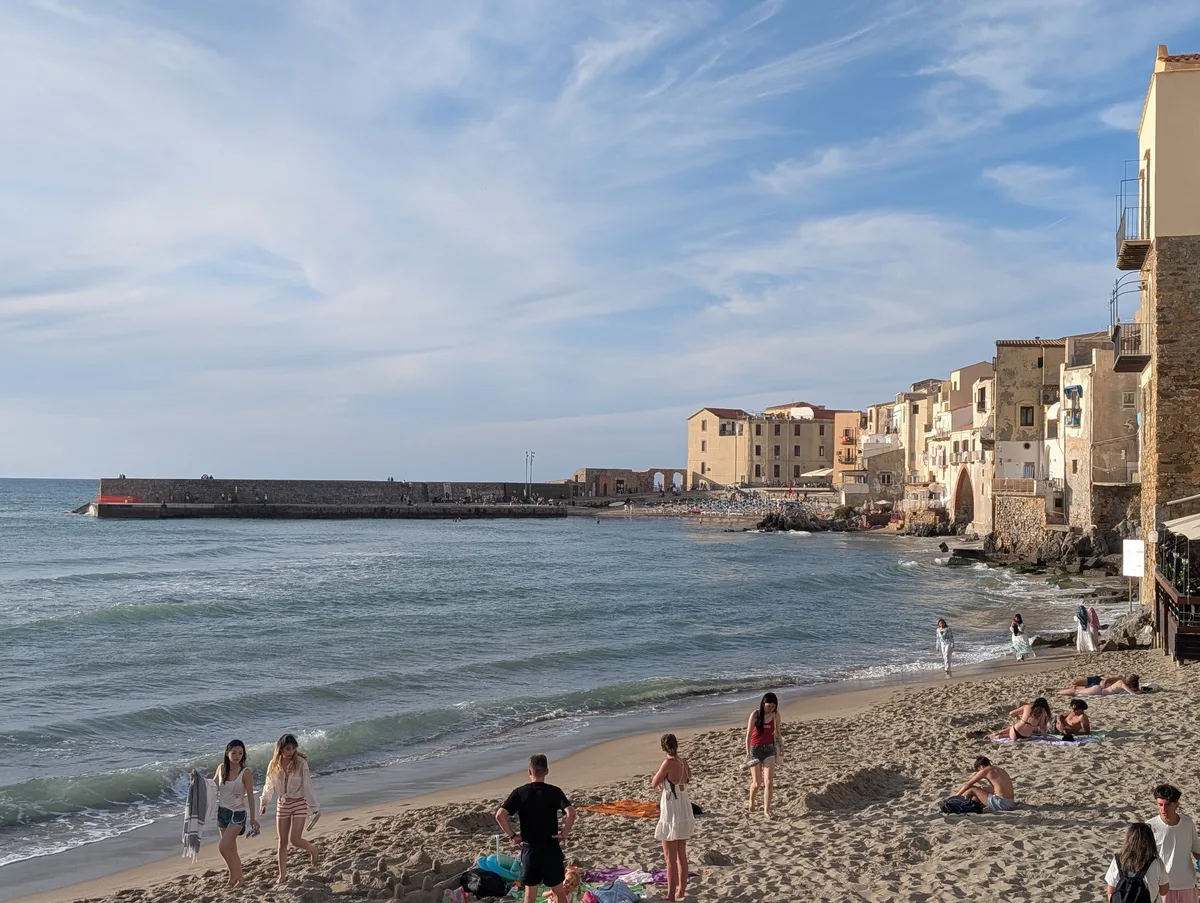
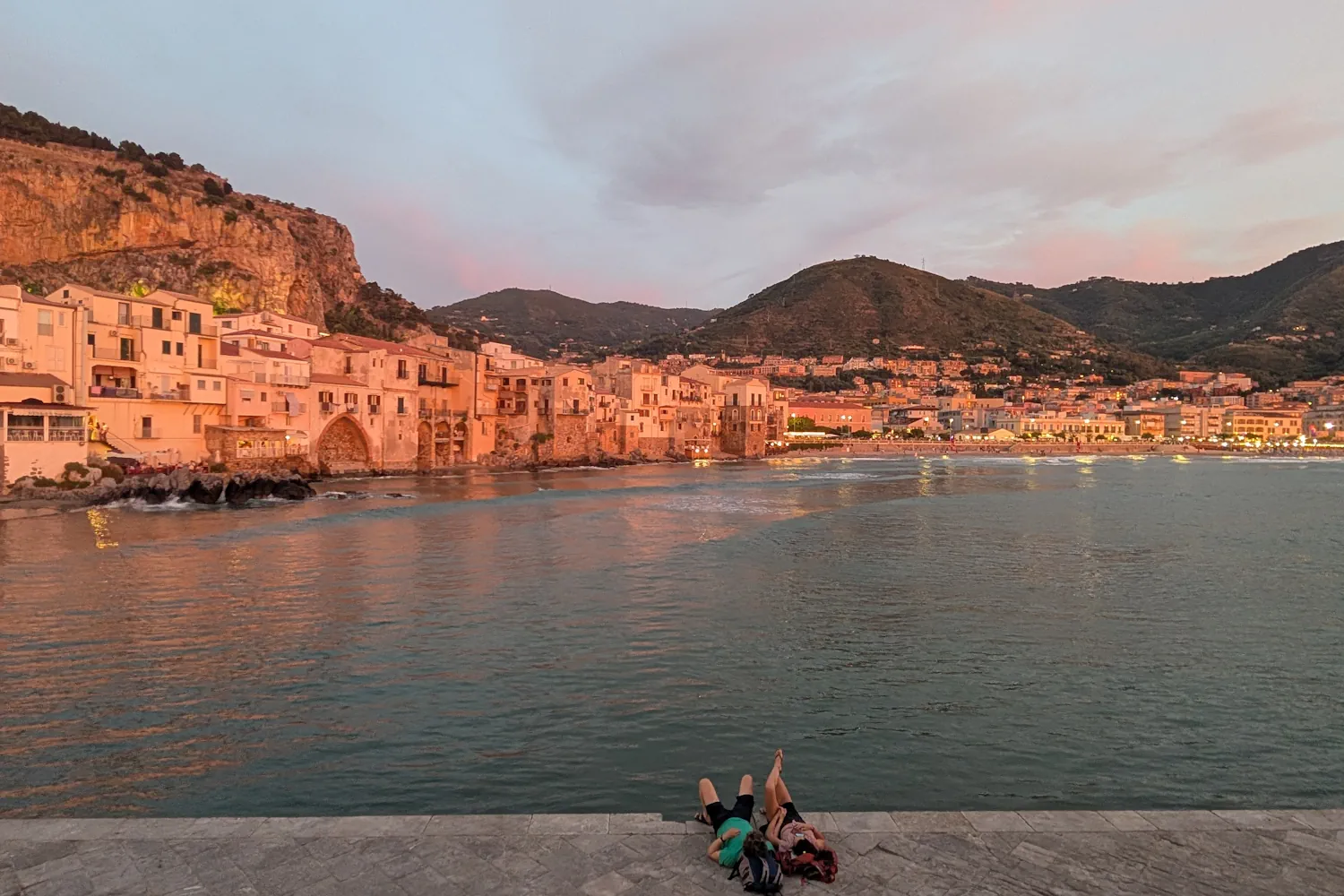
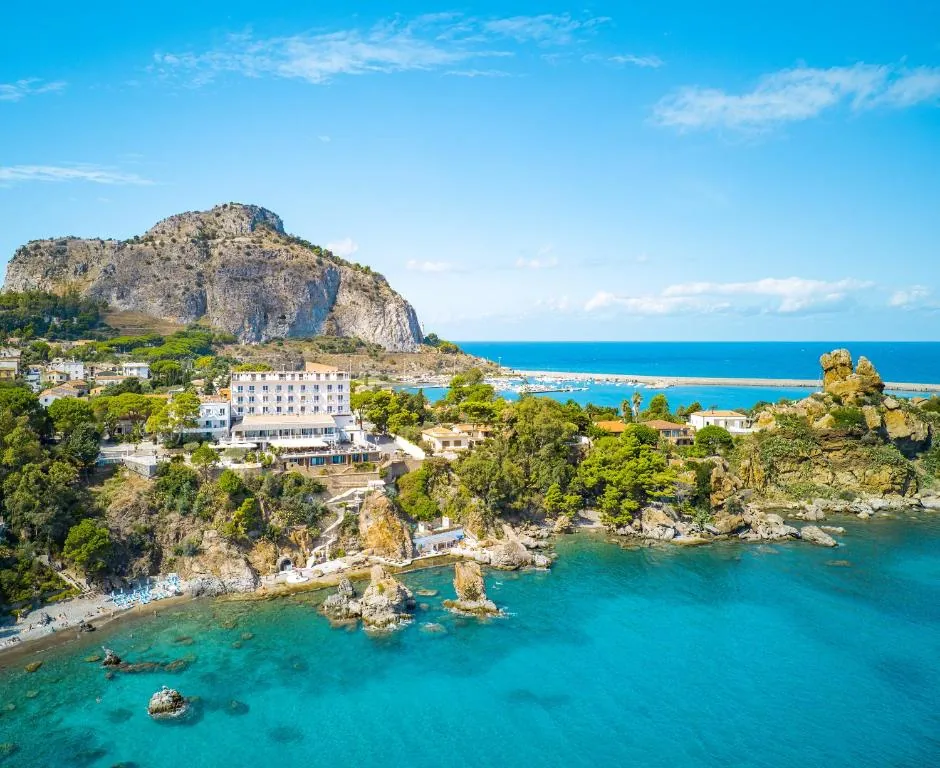
And an hour by train along the Tyrrhenian coast, you’ve got Cefalù. There it’s exactly the opposite: a medieval village wedged between a Norman cathedral, an enormous rock and a light-sand beach where the water is of an indecent transparency. THE postcard of Sicily, the one you’ve already seen a hundred times without knowing where it was.
The combo of the two is what my wife and I did: five days in Palermo, two days in Cefalù. Long enough to scratch beneath the surface of the Sicilian capital, and enough to finish with your feet in the water.
Why go in September
I’ll play fair with you: I did Sicily in May/June and in November, not in September. But that’s precisely what lets me tell you what happens on each side.
In summer, Sicily beats down. Palermo at 35 degrees in little streets without a scrap of shade, with the Cefalù beach packed solid, that’s honestly not the best version of the trip. In November, it’s very pleasant for the city, but the water is chilly and the beach loses all its appeal.
September is the balance point:
- it’s 27 degrees on average in Palermo versus 29 in August. It sounds like nothing, but it’s the difference between visiting a city and enduring it
- the sea is at its yearly peak: around 26 degrees in early September, still 25 at the end of the month. You swim better than in June
- the start of the school year in Sicily is the 15th of September. And this is the thing no one tells you: the Sicilians themselves invade the Cefalù beach all summer, and on that date it suddenly empties out. In the second half, you’ve got the sand almost to yourself
- accommodation prices tumble as soon as the first weekend has passed
- the Valley of the Temples in Agrigento, two hours from Palermo, keeps its evening openings until around the 20th of September. Seeing the temples lit up in the cool rather than baking on them at 2pm, believe me, changes everything
A few resources on Palermo and Cefalù
To prepare all this at your leisure, here’s everything I’ve written about the area:
- My one-week itinerary between Palermo and Cefalù: day by day, the ideal itinerary, the one we should have done if we’d been better organised
- What to do in Cefalù: the beach, the cathedral, the climb up to the Rocca, the sunsets, my complete guide to the pearl of the coast
- Where to stay in Palermo: the neighbourhoods to favour and those to avoid, with my addresses by budget
- Where to stay in Cefalù: my favourites a stone’s throw from the sea and the old town
- Getting from Palermo to Cefalù by train, bus or car: the train runs along the sea, costs next to nothing and drops you in the centre
- The Agrigento temples from Palermo: how to get there, the timings, the prices and why you absolutely must aim for the evening opening
- From Palermo airport to the city centre: bus, train, taxi, the real prices and what I’d advise
Have the Loire Valley Castles all to yourself
It had been a while since I’d advised you to go and visit the Loire Valley castles. And for good reason: summer, the very peak season, has just ended, things are starting to calm down, and I’d say it’s the moment to go.
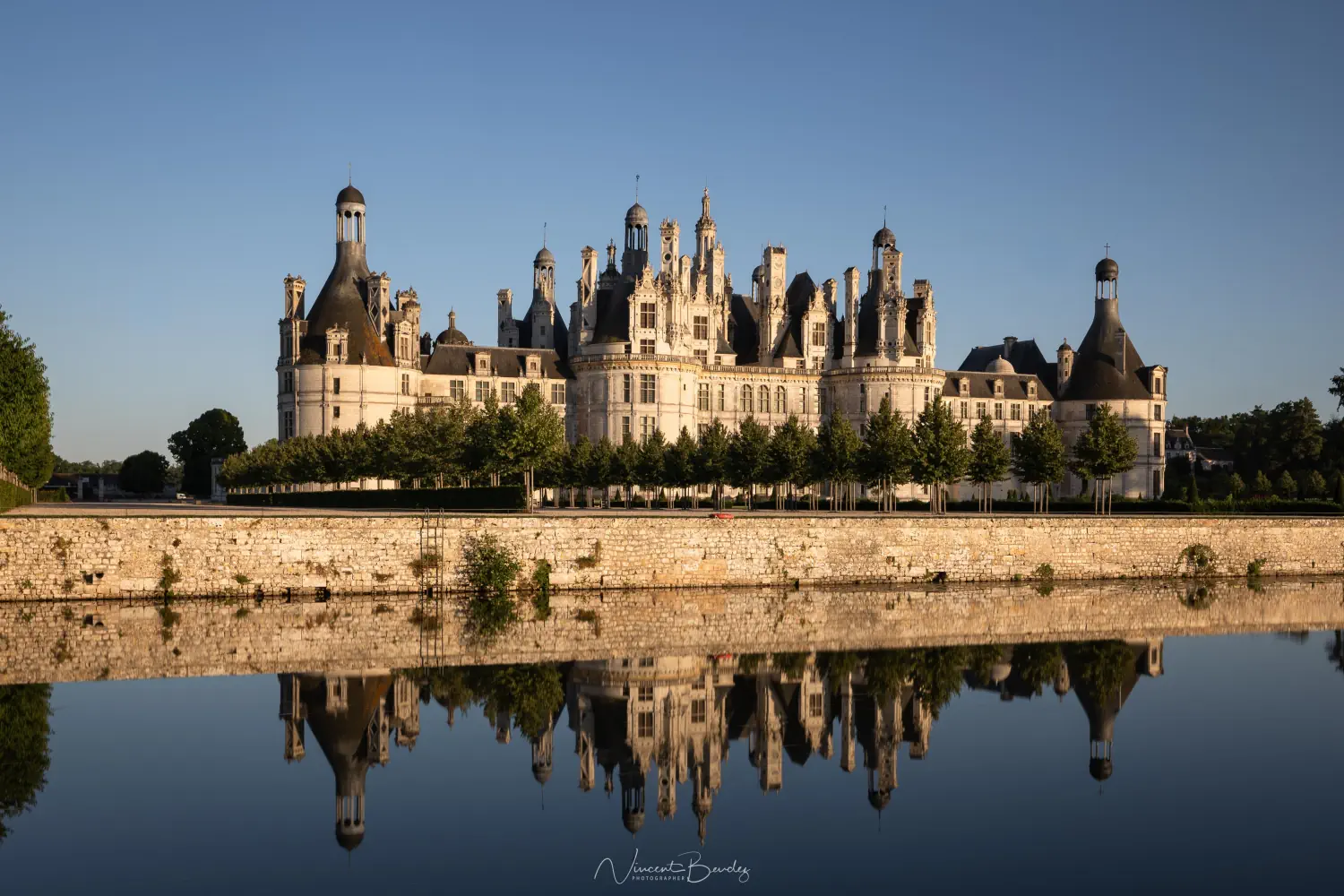
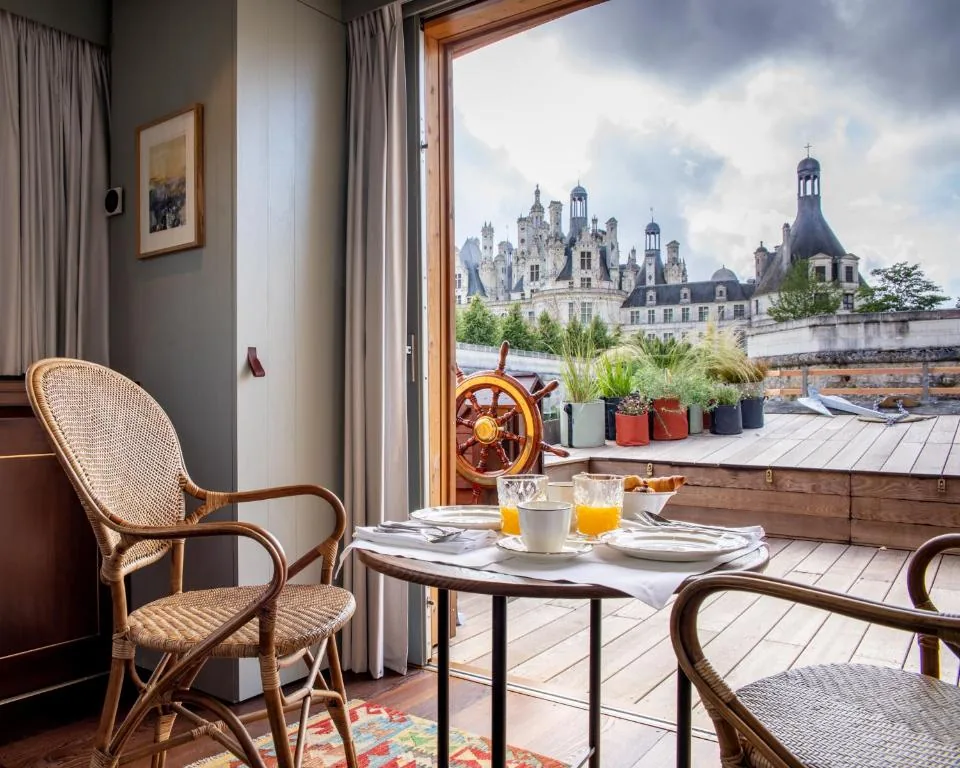
The Loire Valley is a big chunk of the history of France, with intrigues worthy of Game of Thrones, notably at Chenonceau, dozens of castles each more beautiful than the last, the playground of François I with Chambord or Amboise. In short, for all lovers of history, good food and good bottles, it’s an ideal destination, especially as you can get around super easily, whether by car or by train.
This destination gives you a lot of flexibility and you can come for several different stays of varying length, because there are so many castles, so many bases (staying in Amboise is really lovely), and also other activities to do that you’re not likely to get bored!

Why go in September
Having visited the Loire Valley castles in every season, I can confirm I struggle in the height of summer, the most touristy season, because there are a few too many people for me, I can’t enjoy it as I’d like. Because in these ultra-interesting places, I love to take my time, take photos without too many people in them and not be jostled.
And for that, September is lovely! There are fewer people, clearly. But there are still a few. So why do I suggest September rather than November, when there’s absolutely no one? For the weather! In September, it’s really pleasant, it’s still hot, so you can fully enjoy the gardens because you can be outdoors, but also because these gardens are still in bloom and beautifully maintained.
And on top of that, accommodation prices drop gradually. Not bad, eh?


A few additional bits of info
By dint of going to visit the Loire Valley castles, I’m starting to know them well and so here are all the resources I can offer you:
- The best itinerary for discovering the Loire Valley Castles: in 3 days, discover the best of the Loire Valley! Castles, villages and good food
- The essential info on the Loire Valley castles: when to go, which ones to see, how to get there… a summary of all the information
- Which are the most beautiful Loire Valley castles: a really tricky selection of the 15 favourite castles!
- Visiting the Loire Valley castles without a car: because no, a car isn’t compulsory, I’ll explain how!
- The map of the Loire Valley castles: an essential map with ALL the castles, the most beautiful spots, the accommodation, the pretty little towns…
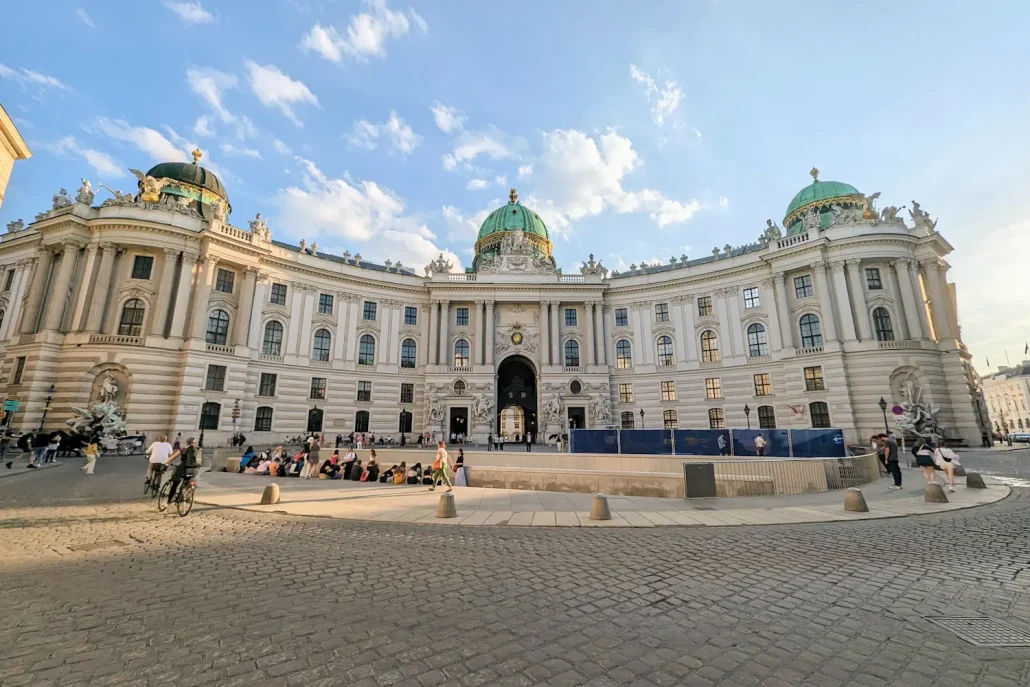
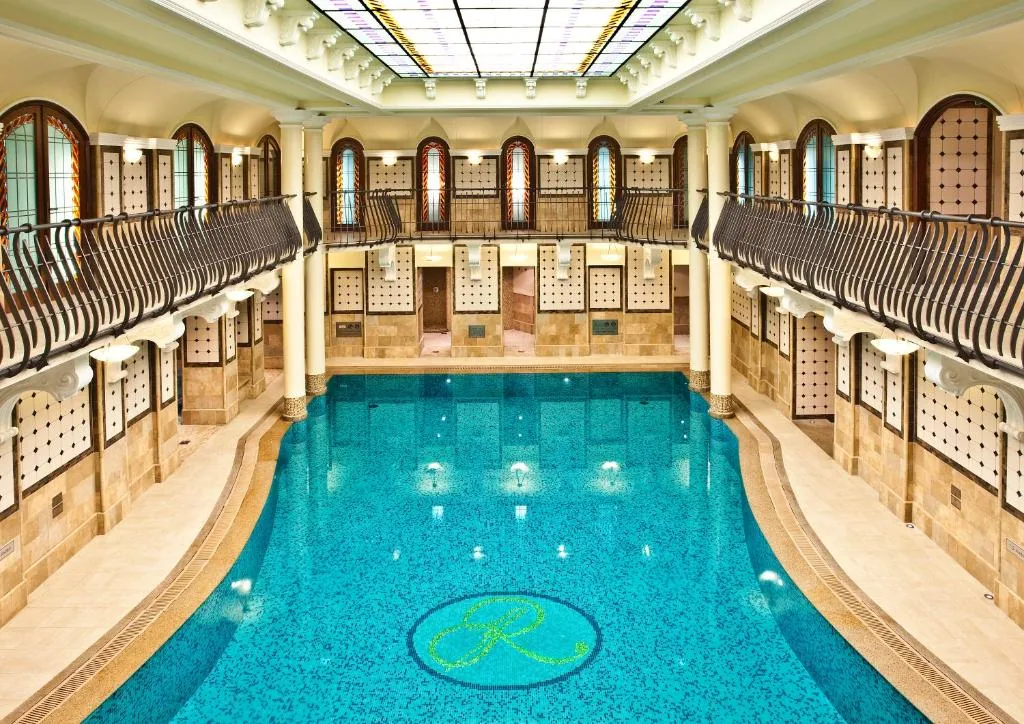
Visiting the imperial cities of Budapest and Vienna
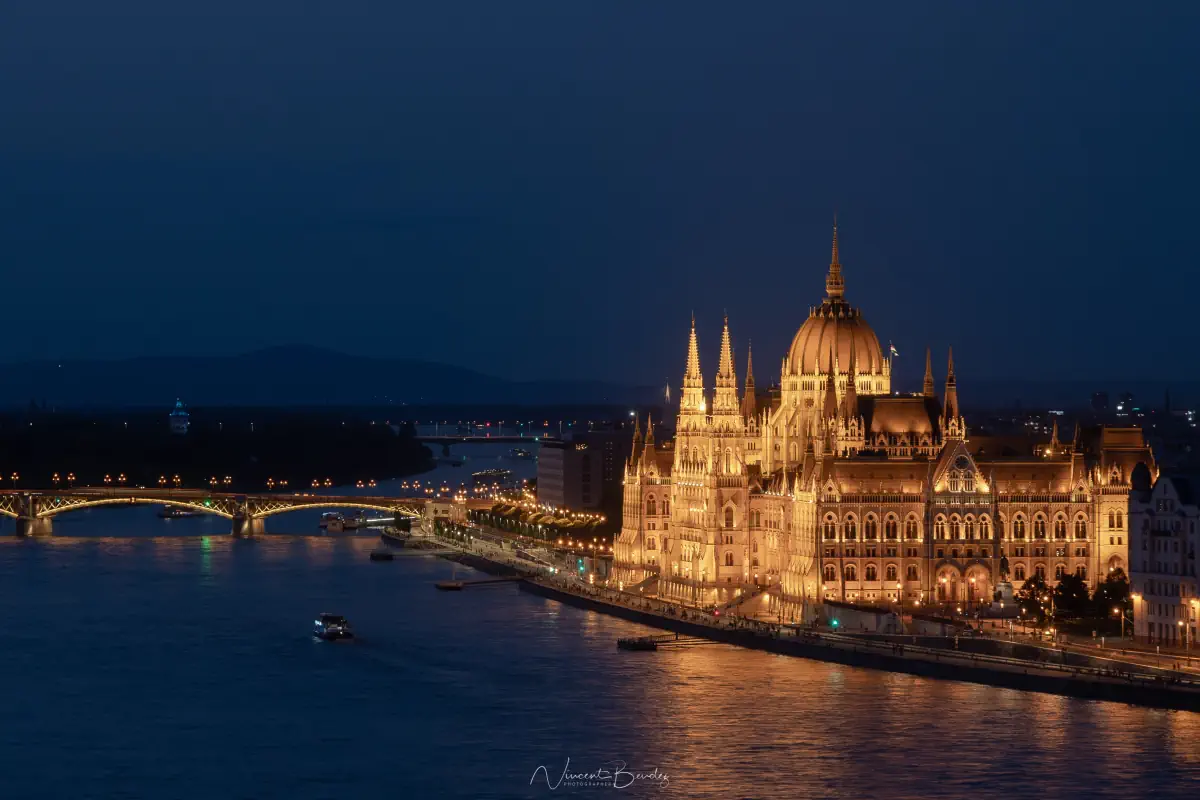
Two incredible imperial cities, I’m an absolute fan, especially of Budapest and its famous “charm of the old world”. I’m suggesting both cities together because I find the two very complementary. Vienna, very posh, prim, elegant, nothing out of place. Everything is well organised. And 3 hours by train from there, Budapest, the rebellious little sister renovating its magnificent abandoned neighbourhoods to turn them into ruin bars.
Both cities are incredibly beautiful and boast a serious history, notably with the Austro-Hungarian Empire. So you’ve got buildings to see just about everywhere, the general architecture also being a real treat for the eyes.
But watch out, the two cities aren’t alike! That’s why visiting both together over a big week is a good idea. You can start with Budapest, take the train to Vienna (super easy) from where you’ll fly home. It’s done easily and on top of that it’s cheap if you plan a little ahead.

Why go in September
Vienna and Budapest are two cities where you spend a lot of time outdoors, where you wander around a lot and where having a drink on a terrace is really pleasant. My little Sissi the empress side, probably.
So September is an excellent compromise because the weather is still very good, it’s still hot in Central Europe whereas it cools down considerably from October onwards. There are still tourists, but not too many, far fewer than during the summer and fewer than during the May bank holidays, so you can really enjoy these two cities in peace.


A few additional resources on Vienna and Budapest
Two really interesting cities with so many things to visit that a few blog articles can be really handy for getting yourself organised:
- What to do in Budapest: a selection of the most beautiful spots to see in the city
- Finding your hotel in Budapest: to avoid the traps and bad neighbourhoods
- What to see in Vienna: museums, streets, palaces, discover an incredible city
- Which neighbourhood to stay in in Vienna: advice for choosing well and staying central
- Seeing a classical music concert in Vienna: there are several options in magnificent churches, I’ll tell you everything!


Enjoy the crazy landscapes of Iceland
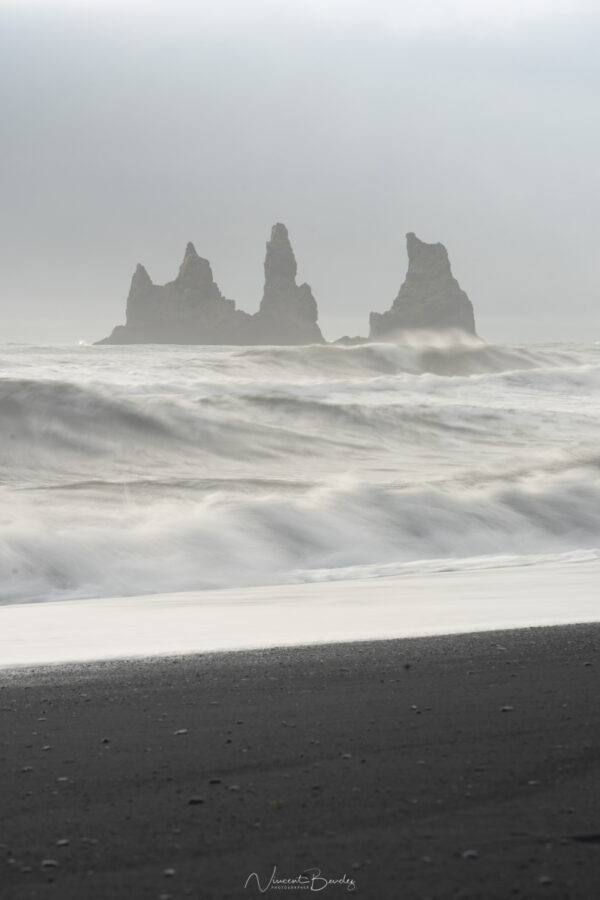
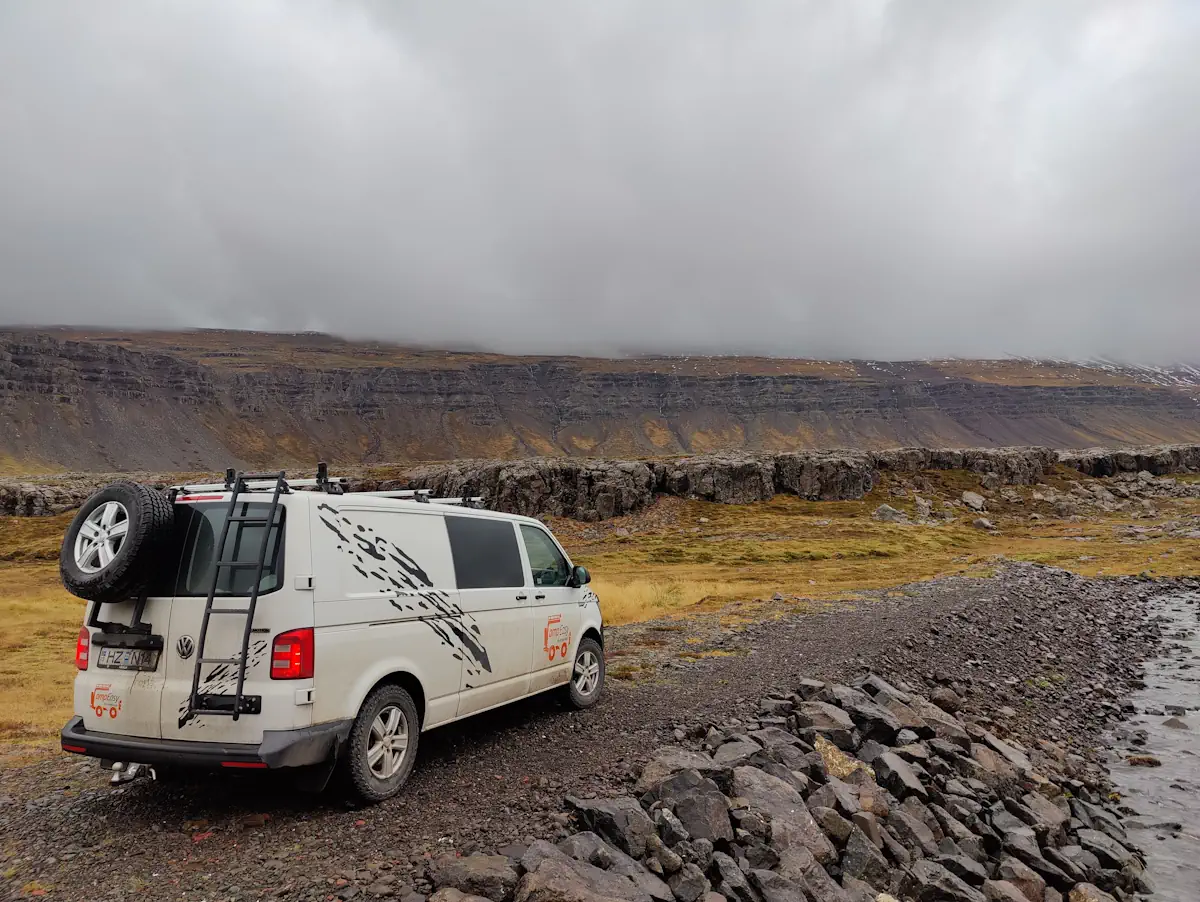
Did you really think you’d get away without a recommendation to go to Iceland? I’ve been to this superb country twice in September and honestly I love it. You know this country has crazy landscapes, and above all unique ones. Active volcanoes (especially at the moment), immense ice caps, iconic waterfalls, black-sand beaches… I could spend a while listing the most beautiful spots in Iceland for you, but that wouldn’t be much use because you’re about to discover them for yourself 🙂
What’s certain is that this whole is unique in the world. It’s rare to have the feeling of being in a place so alive, a land that gives signs of life at every moment (you should see the geysers all over the country!). And visiting this country by car is absolutely wild because you’ll plunge into fjords as far as the eye can see, and after passing the most beautiful glaciers you’ll be treated to the spectacle of the Northern Lights.


Why go in September
Because yes, in September you’ll be able to see the Northern Lights! That’s why I love this season; for a start you’ve got absolutely every region of Iceland available. The centre (the Highlands, Landmannalaugar) generally closes in early October because of the weather, so September is an excellent opportunity to visit it without the tourists.
As I’ve just said, there are fewer tourists. In summer, it’s the very high season, lots of people on the south coast and in the centre. But as soon as the holidays end, poof, the tourists disappear. And then the country becomes reeeeally lovely.
Because on top of that, the weather is still decent! Okay, “decent weather” in Iceland means everything and nothing (mostly nothing) given how quickly it can change. But you shouldn’t have a snowstorm. Storms yes, probably, but rain and wind that could curl a sheep’s fleece.
Really, it’s in September (and okay, early October too) that I’ve had the most fun in Iceland 🙂

A few resources on Iceland
Iceland is a very big country with things to see absolutely everywhere. Here are a few articles that can help you find your bearings, know which region to visit, what the must-sees are…
- The map of Iceland: essential, in a single map you’ve got all the spots to see, the activities, the hikes, the accommodation…
- Discovering Iceland: the ABC of the country with all the information you need to prepare your trip
- The most beautiful spots in Iceland: it was hard to make a choice, but here’s a list of the country’s incredible spots
- What to do in Reykjavik: the Icelandic capital deserves more than a mere flying visit! By the way, have a look at where to stay in Reykjavik
- The Icelandic South Coast: the most touristy region yes, but it’s seriously worth it!

Discover the north coast of Brittany
Yes it’s a classic, I know, but we do tend to forget Brittany among all the trendy destinations, with social media and all that. Whereas every time I go to Brittany (I’d say 2 weeks every 2 years) I discover new spots that are stunning, historic and surprising places like the Vallée des Saints, mystical places like the Menhirs of Carnac, heavenly beaches in Finistère… but I must admit I have a big soft spot for the Pink Granite Coast and the Emerald Coast, the typical little villages like Saint Suliac.
There are plenty of ways to visit Brittany. Via the coastal customs path, on foot, for example. On a road trip going round the north-east, starting after Mont Saint Michel, through Saint Malo and the Emerald Coast, then the Côtes d’Armor, Finistère and the Morbihan. But all this is an overview, it takes an enormous amount of time so I’d rather advise you to concentrate on a specific area, one département. That alone will easily take you a good 10 days to 2 weeks, there’s so much to see!


Why go in September
As we know, the Breton weather is teasing. But quite honestly, September is a good time, perhaps a touch rainier than summer, but the temperatures stay perfectly decent. You can still enjoy the terraces, which is one of the great pleasures of Brittany!
You’ve got the pretty beaches all to yourself. Okay, swimming can be quite a feat. But above all you enjoy the heritage without the tourists, without the families, without the Parisians (well, nearly! I’m one of them 😀 )
In summer, the coastal customs path is far too crowded to be able to enjoy it, so this can be a very good time (May is also really lovely for it) to go hiking on this legendary path!
A few resources on Brittany
To help you plan your stay in the region and above all know what to visit, here are a few articles that can point you in the right direction:
- Discovering the menhirs of Carnac: but not only! I’ll point you to other brilliant spots to discover in the region
- What to see in Saint Malo: a superb little medieval town with plenty of little treasures (and I’m not talking about the biscuit shops!)
- The most beautiful spots on the Emerald Coast: an iconic spot on the north coast of Brittany
- Perros Guirec and the Pink Granite Coast: a coast unique in the world, a pretty little town, heavenly beaches and one of the most beautiful villages in France. It’s right here!
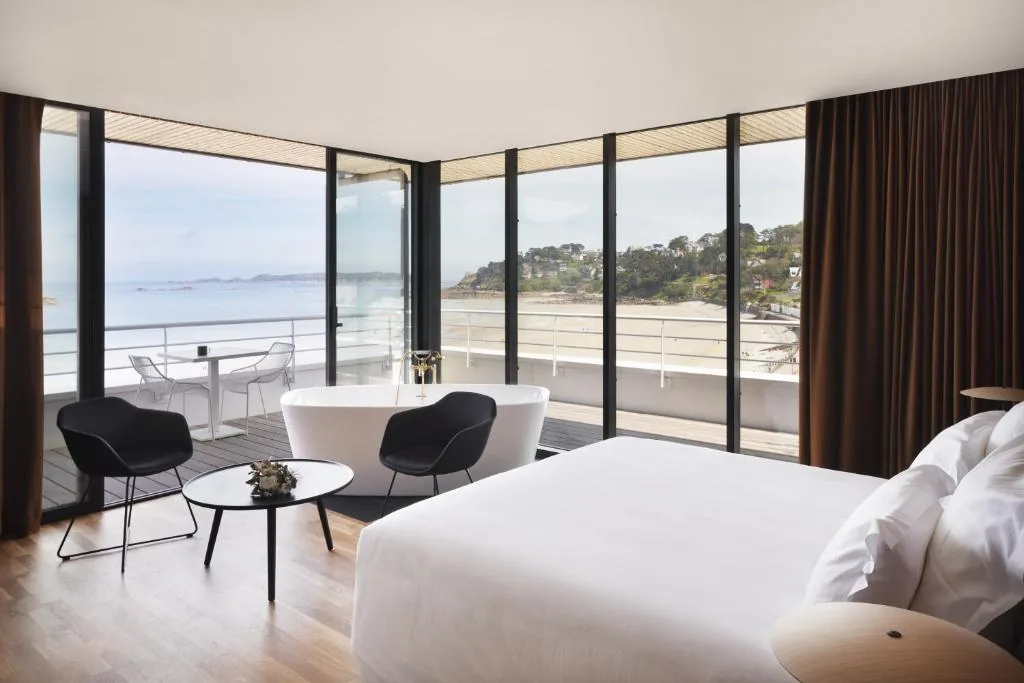
- Finding accommodation on the Pink Granite Coast: hotels with spas, unusual addresses and good deals for every budget
- Visiting the Côtes d’Armor: a serious bunch of brilliant spots to visit in this very popular département!


Visiting the superb Bavarian Alps
A superb discovery since last year! Having left it until the very last minute to organise our wedding anniversary (in the middle of August, clever me), the only option left was to go and discover this region. And honestly, it’s magnificent! So good that we went back this year 🙂
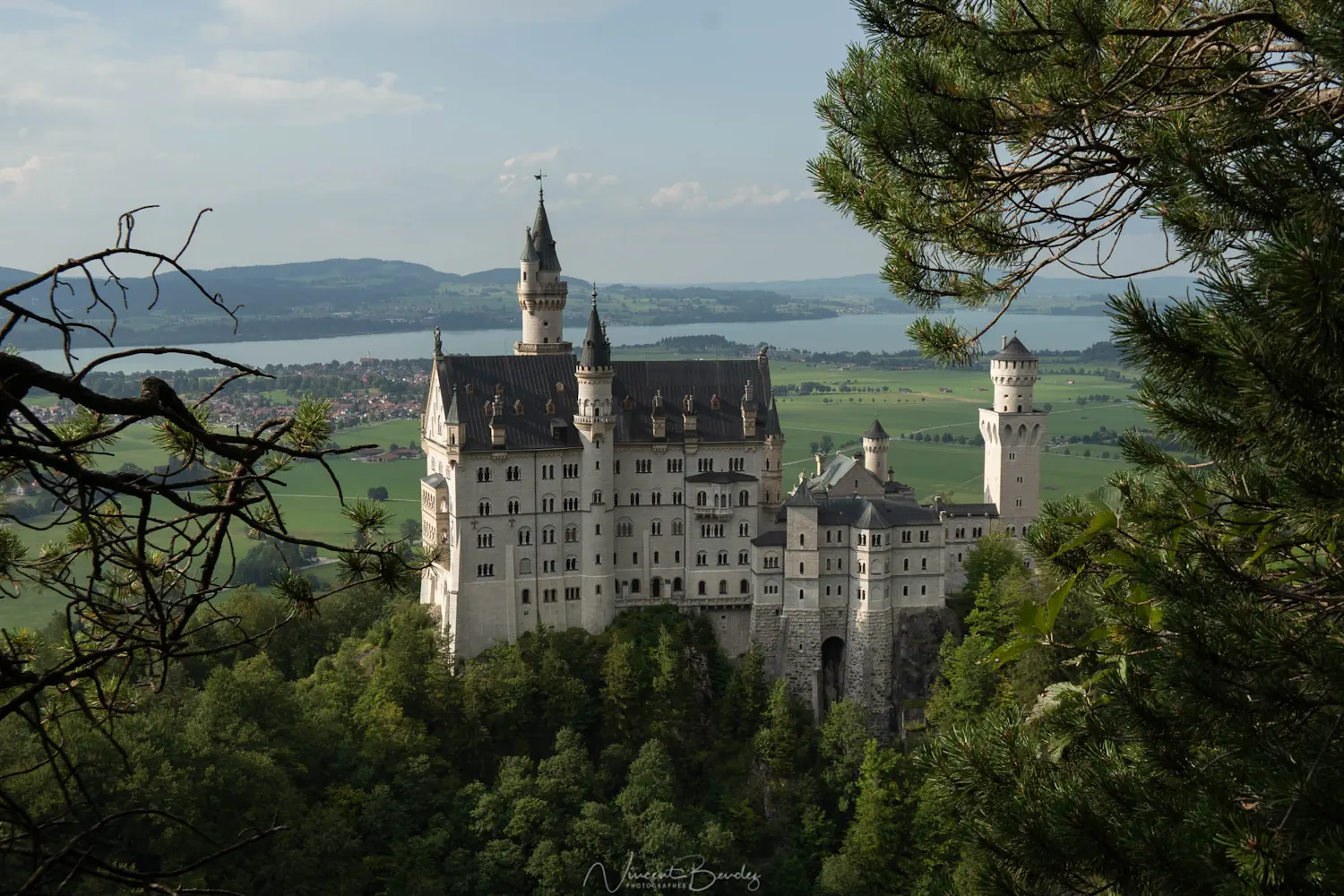
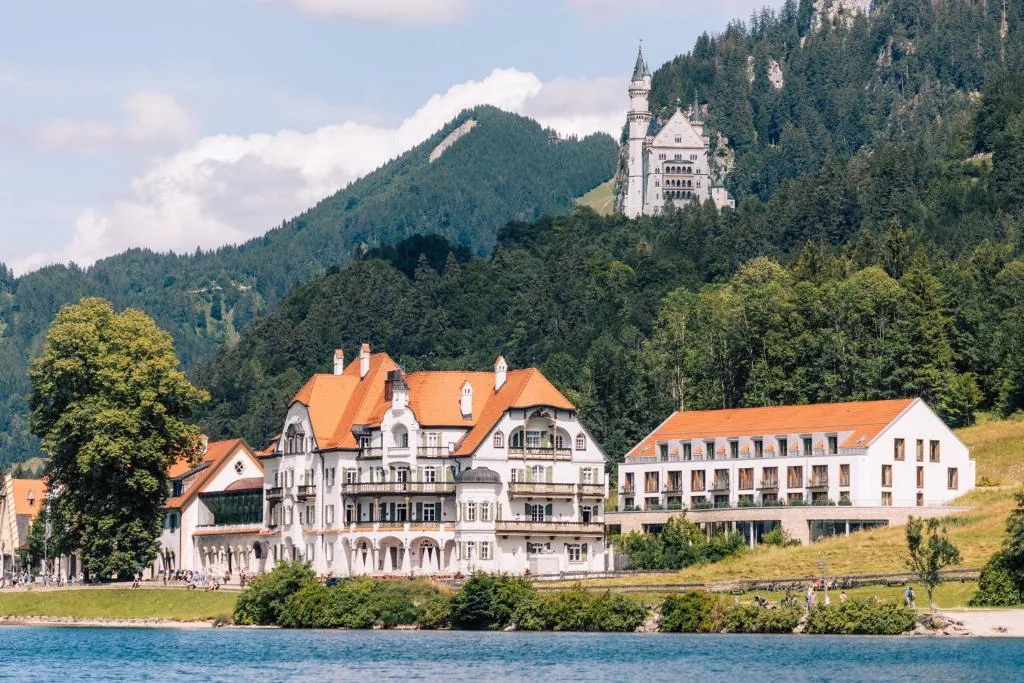
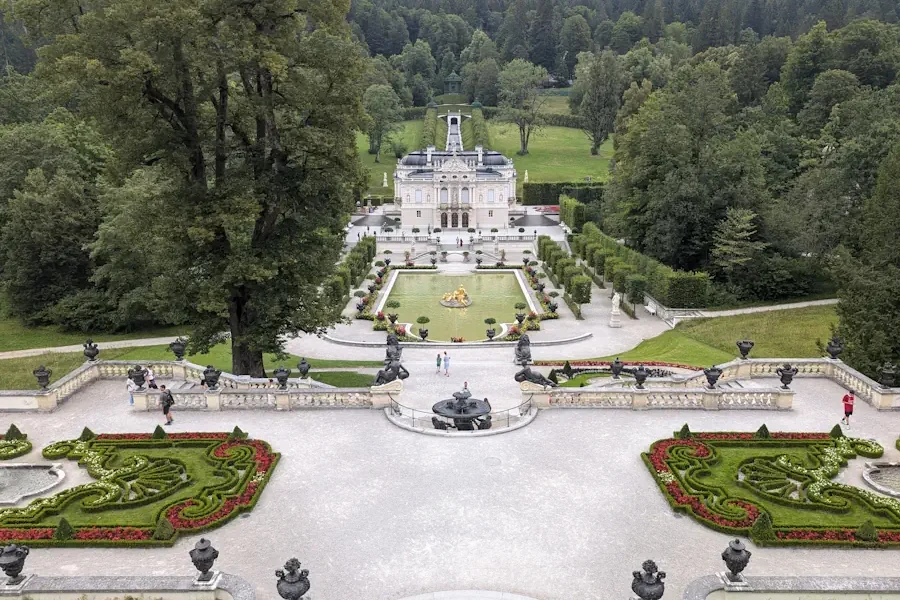
Right, enough about my life, the Bavarian Alps are probably one of the most beautiful regions in Germany. Beautiful mountains yes, but that’s far from enough! Above all you’ve got all the castles of the whimsical King Ludwig II of Bavaria: Neuschwanstein, straight out of a fairy tale, Linderhof, Herrenchiemsee which is a tribute to Louis XIV.
What’s more, the nature is magnificent, with heavenly lakes absolutely everywhere! Ideal for swimming and enjoying the good weather!
Really, between culture, nature, lakes and beer, it’s a genuinely perfect destination 🙂

Why go in September
It’s a typically summery destination. Hikers, lovers of nature or castles (especially as these have just been added to the UNESCO World Heritage list!), it attracts its share of tourists. But quite honestly, I was surprised because even in the height of summer it was perfectly doable, except for… Neuschwanstein, literally taken by storm and impossible to book tickets for.
So September has loads of advantages:
- for a start you can visit Neuschwanstein! No need to book 3 months ahead (and that’s no joke)
- the superb lakes are no longer besieged so you can enjoy them more easily (Eibsee, Konigsee…)
- prices drop, because let’s say accommodation goes up somewhat in high season


Your questions about a trip in September
Where is the sea still warm in September?
Everywhere in the Mediterranean, and it’s even the best time of year. Lots of people don’t know it: the sea takes a good two months to warm up, so it reaches its peak in late August and stays warm all through September. Concretely, you’ve got around 26°C in Sicily, 23°C in the Canary Islands, and even 17°C on the north coast of Brittany, which is more than in June. Reckon on a drop of about 1°C between the start and the end of the month. In other words, you swim better in September than in early summer.
Is it better to go at the start or the end of September?
That’s the real question, and no one addresses it. The two halves of the month are nothing alike.
In the first fortnight, you’ve still got summer weather, but prices haven’t finished dropping and there are still people around, notably because several countries go back to school much later than France: the 15th of September in Sicily, between the 7th and the 17th depending on the region in Italy.
In the second fortnight, prices have collapsed, the sites empty out for good, but the first end-of-season closures arrive and the rain returns a little.
My favourite window, if you can choose: between the 15th and the 25th of September. You’ve got the calm without yet having the drawbacks of autumn.
Do prices really drop in September?
Yes, but not from the 1st. The drop happens after the first weekend of the month, when the last families have gone home. It concerns plane tickets, car hire and accommodation, with gaps that can reach 30 to 40% on accommodation compared to August in very seasonal destinations. The destinations that never empty out, on the other hand, don’t move much.
Is everything still open in September?
Almost everything, and that’s precisely what makes the month interesting: you’ve got the seasonal sites open without the crowds. But watch out at the end of the month, when the closures begin. Keep an eye in particular on boat connections and seasonal shuttles, beach clubs, mountain ski lifts, and the opening hours of sites which often switch to a low-season schedule from late September. A concrete example: the Rocca of Cefalù closes at 8pm in high season and at 5pm in low season. Always check the day before.
Can you see the Northern Lights in September?
Yes, and it’s even an excellent time, contrary to what everyone believes. All it takes is for it to be dark, which is the case from late August onwards beyond the Arctic Circle. Better still: geomagnetic activity peaks around the equinoxes, so late September is statistically one of the best times of the year. On top of that you’ve got temperatures that are still bearable and autumn landscapes, rather than the January cold.
Where should you not go in September?
There are three zones to avoid, and I’d rather tell you frankly. The Caribbean and Florida first, because the peak of the hurricane season falls around the 10th of September. South-East Asia next, where the monsoon is only just ending and where the humidity remains overwhelming in much of the region. And finally the western Mediterranean rim at the end of the month, which is the season of “Cévennes episodes” and cold drops: big, very violent localised storms that can ruin several days.