Last updated on
I must confess, going to Giverny was my wife’s idea. She nagged me for a long time to go. I wasn’t necessarily a big fan of French gardens or Impressionist painting, so I kept putting it off or finding other things to do. Until I gave in. And frankly, I was pleasantly surprised!
It’s really beautiful, calm and well done. A place I’d recommend without hesitation, provided you go at the right time to avoid the crowds. Well, it’s really up to each person, but I preferred to go when it was quiet.
Well, let me warn you: there’s not a lot to do in Giverny apart from the Monet Foundation. But what there is to do is really good. So it’s been a good little day, it’s great, you can take your time, especially when you come from the hustle and bustle of Paris. It feels good!
Here’s the info you need to prepare your visit!

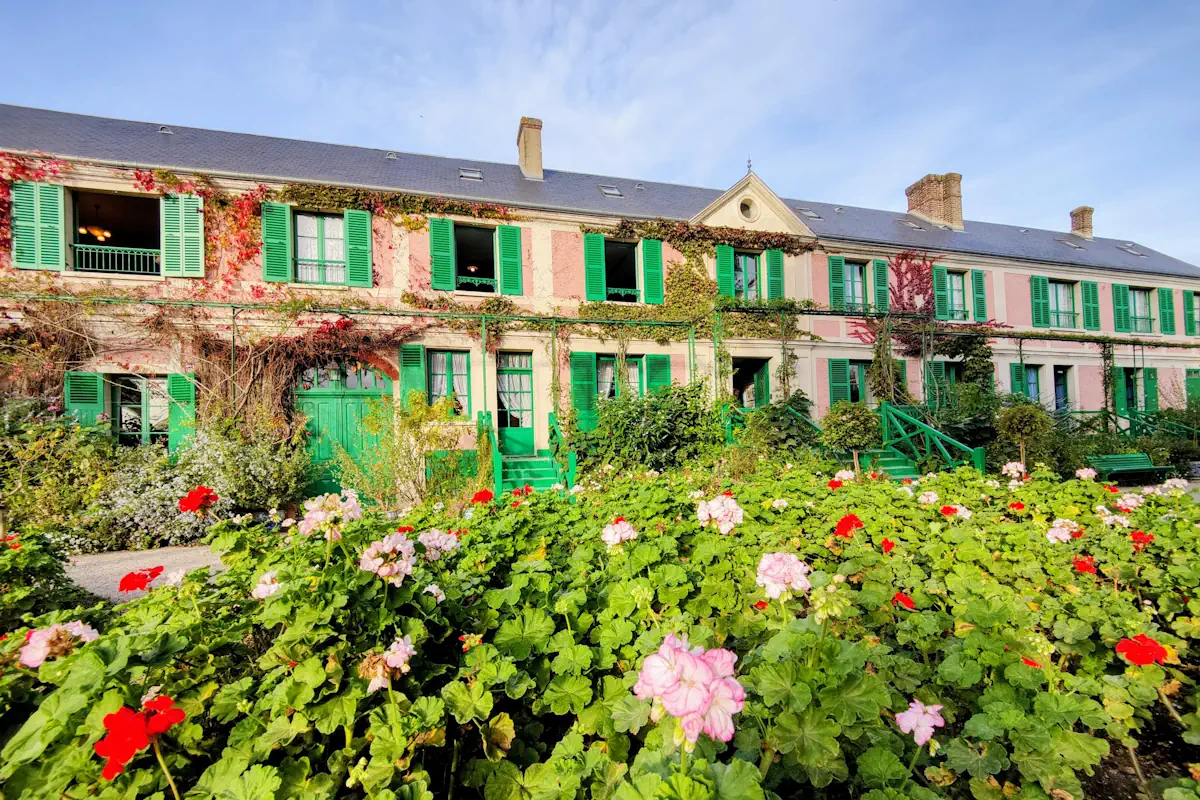
The Claude Monet Foundation: the heart of the visit
This is, of course, the focal point. The Fondation is Monet’s house and gardens. Two distinct parts, and both well worth a visit.
Le Clos Normand
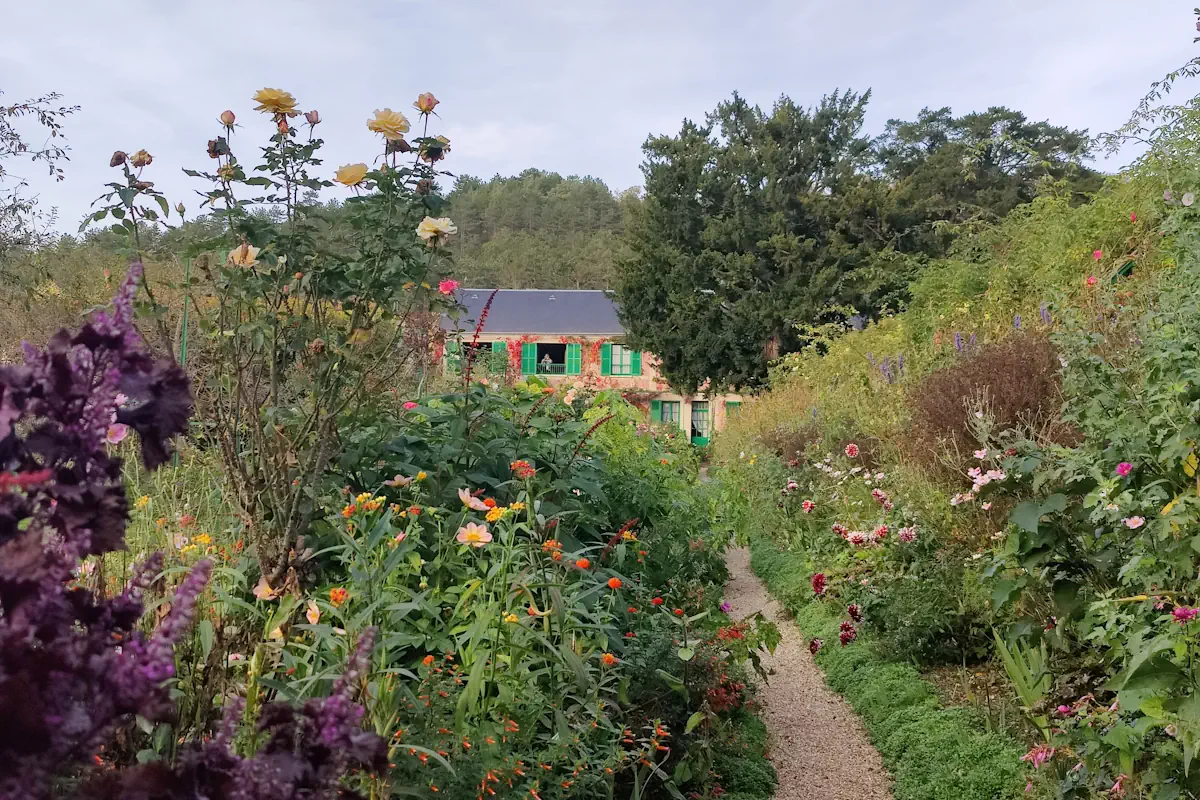
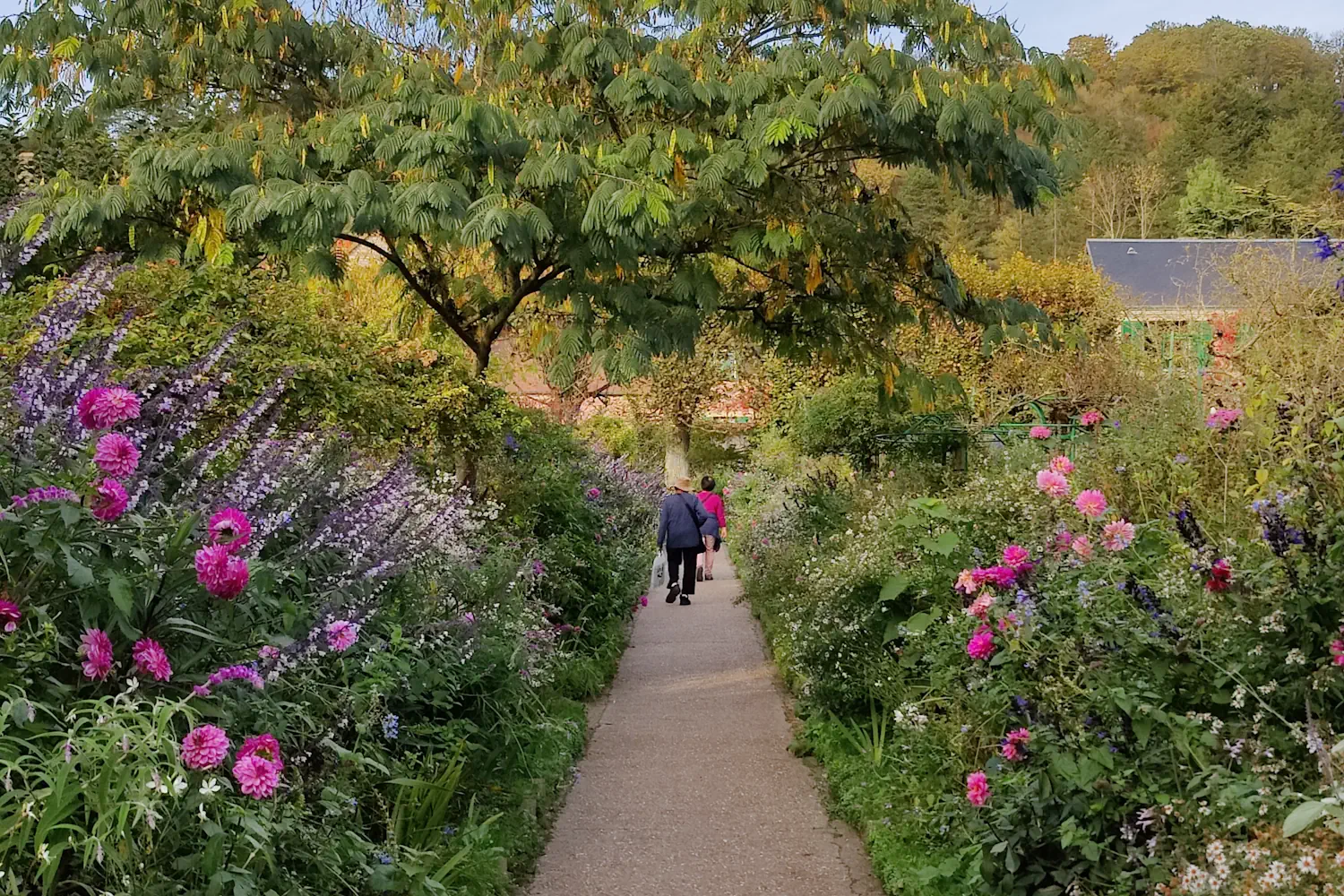
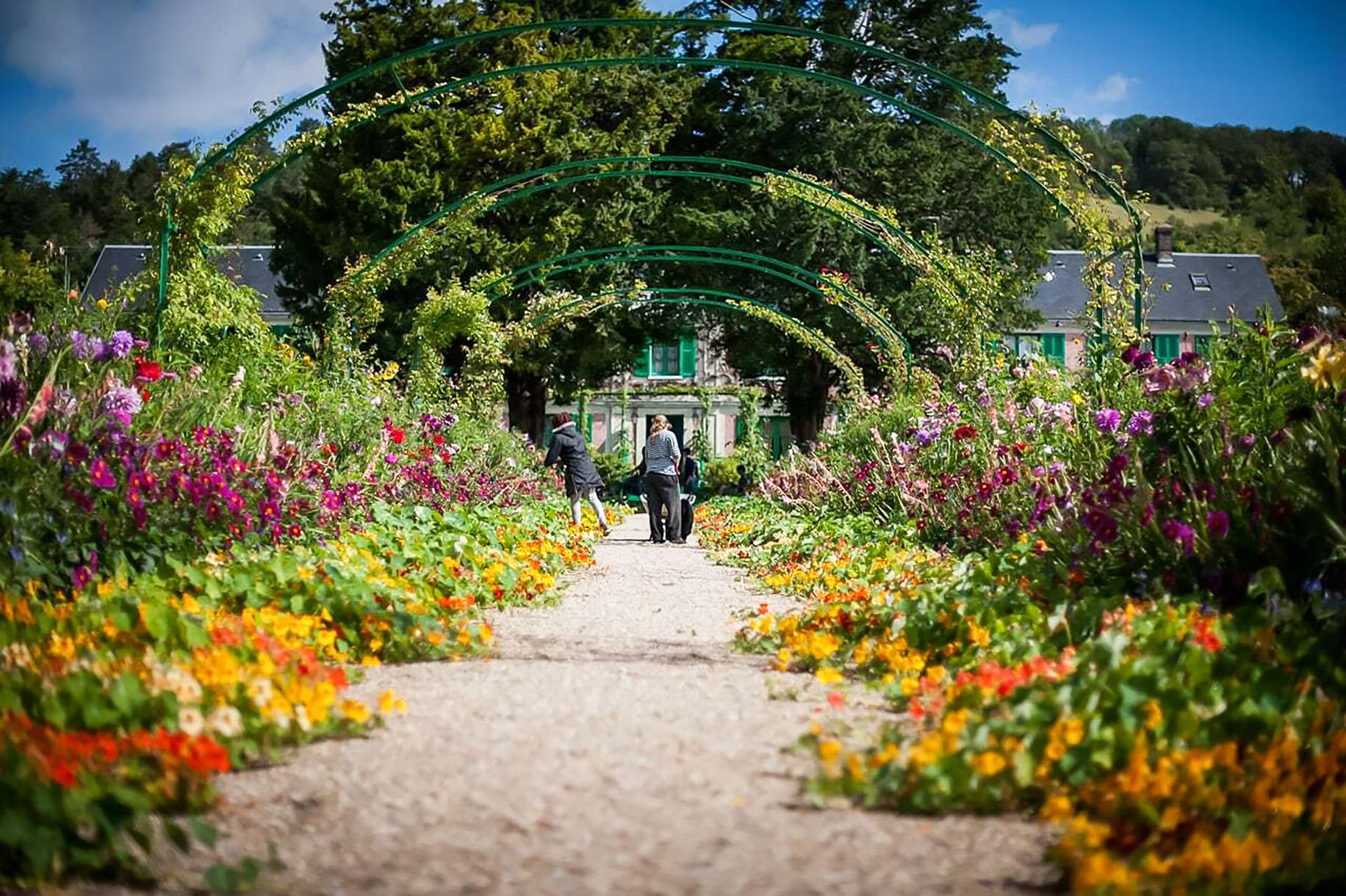
This is the large flower garden that stretches out in front of the house, about a hectare in size. And frankly, even if you’re not particularly fond of gardens (I am), it’s impressive.
Monet didn’t conceive of this garden as a mere green space. It was a true open-air work of art, conceived as a three-dimensional canvas. He chose his flowers as he chose his colors: by contrast, by harmony, by volume. Clumps of varying heights create perspectives, climbing roses dress the iron arches of the grand central avenue, fruit trees dominate the slender-stemmed hollyhocks.
What’s striking is the freedom of the design. Monet didn’t like gardens that were too constrained, too rigid. He let them grow, mixing the simplest flowers – poppies, daisies – with rare varieties. At the end of the summer, nasturtiums invade the central alley, and it’s almost wild. It’s a bit messy, and that’s exactly what I liked about it.
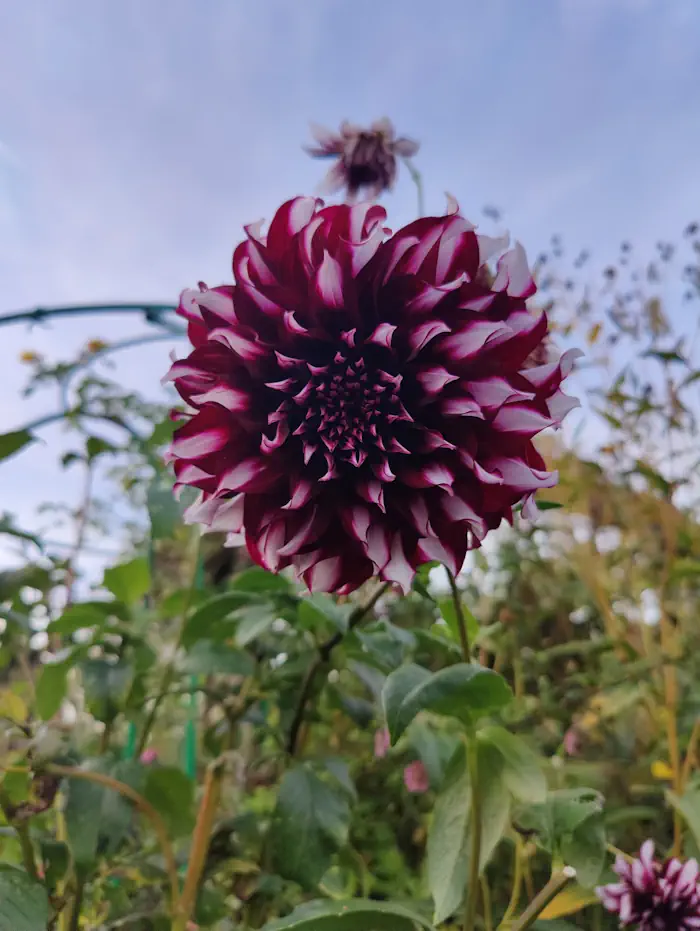
The garden changes completely according to the season: tulips and narcissi in April, irises and peonies in May, roses and wisteria in June, water lilies and dahlias in summer, asters and chrysanthemums in autumn. So every visit is different, which is why some come back year after year.
For this garden, more than any other, it’s well worth taking a guide. Without explanations, you can just wander through the beautiful flowerbeds. With a guide, you’ll understand why Monet planted such and such a rose next to such and such an annual, how he played with the Normandy light, and what the result was in his paintings. It’s a different, more interesting experience.

The water garden
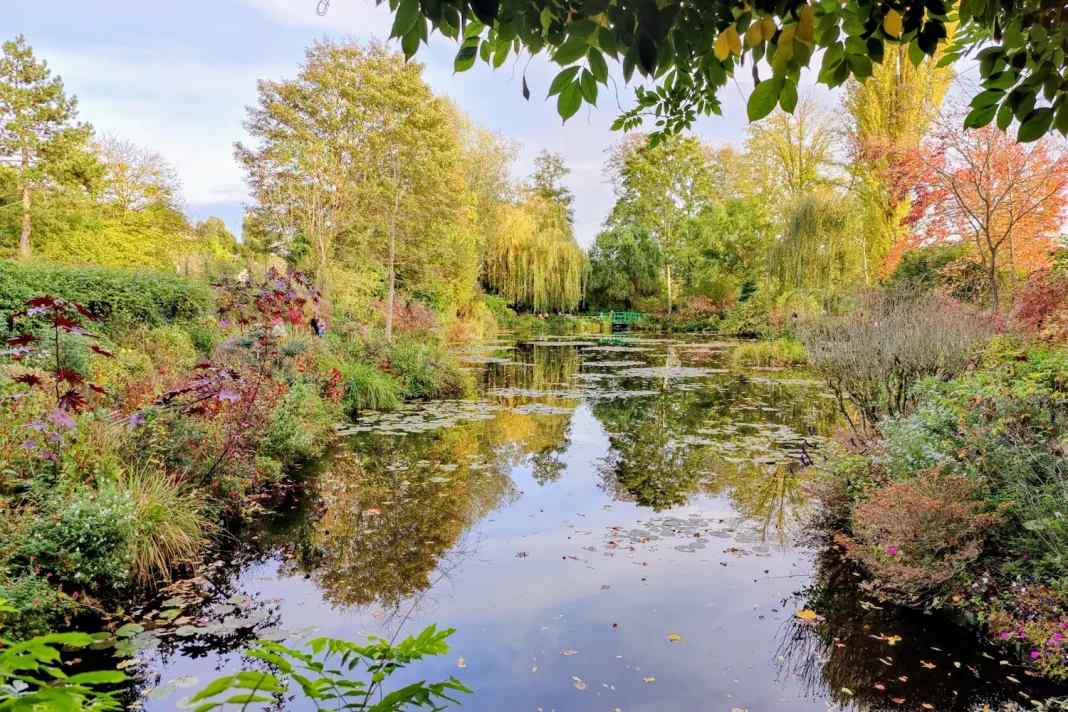
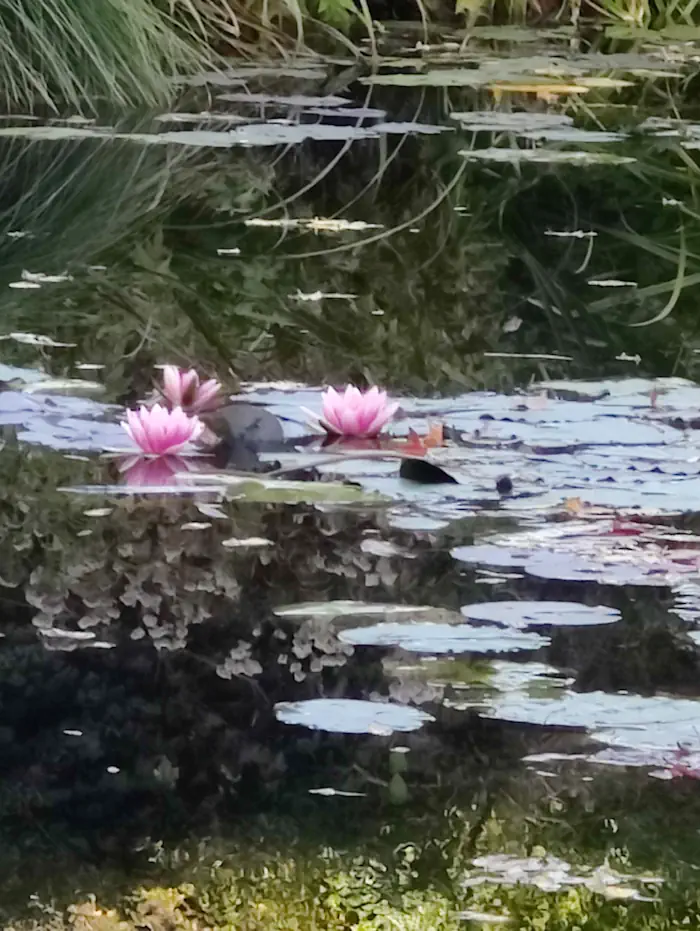
Access is via a tunnel under the road, and when you emerge on the other side, it’s a bit of a “wow” moment. All of a sudden, you’re in another, much calmer, almost Japanese universe. The weeping willows skimming the water, the bamboo, the changing reflections on the pond. It’s very different from the Clos Normand.
Monet had this pond dug in 1893, ten years after his arrival in Giverny. He was inspired by the Japanese gardens he knew from his collection of prints (he had 230), which hung throughout the house. His peasant neighbors initially objected, fearing that his “strange plants” would poison the water. Monet obtained permission anyway, and enlarged the pond several times over the years.
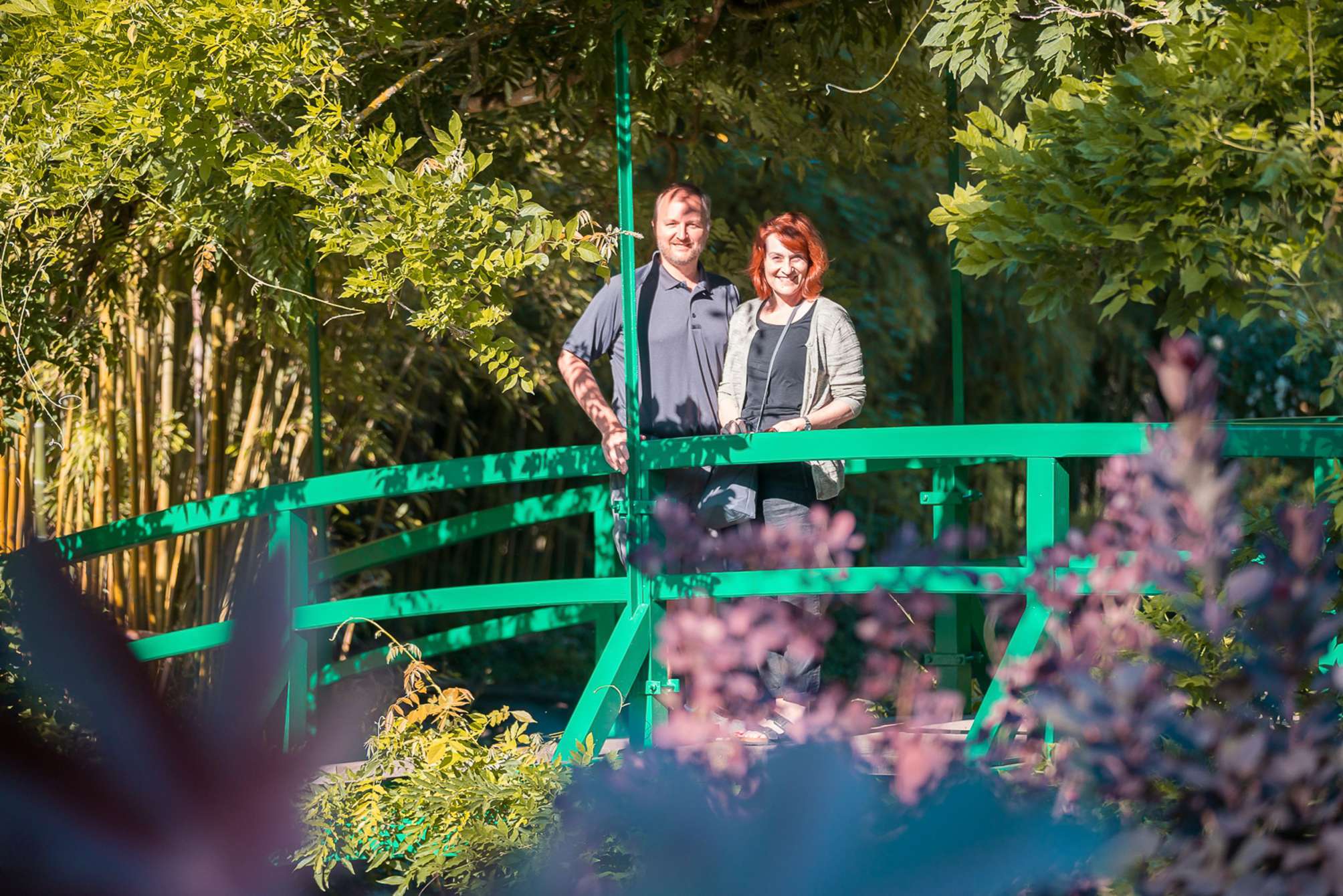
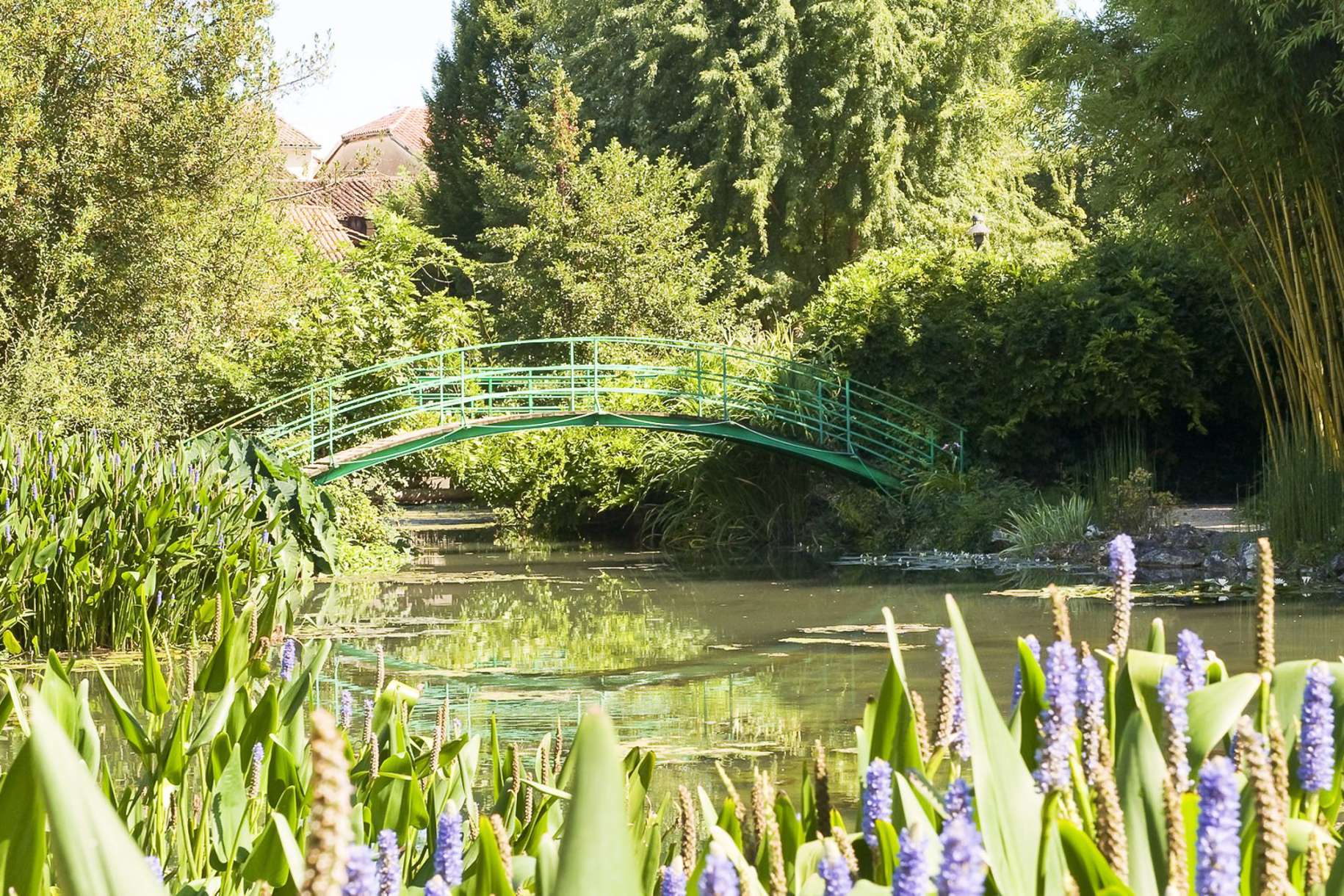
The Japanese bridge is the most iconic element. Monet painted it 45 times, worse than me and my little Northern Lights spots. It was rebuilt identically during the restoration, in beech wood, and covered with the wisteria Monet had planted himself. In spring, when the wisteria are in bloom, it’s quite something.
The famous water lilies bloom from June to September. They open in the morning and close again in the afternoon. So if you want to see them open, come in the morning. Monet was so obsessed with the light on this pond that he hired a gardener whose only job in the morning was to wipe the dewdrops off the water lily leaves, so that the reflections were exactly as he wanted them.
It was in this water garden that he drew his inspiration for over twenty years, right up to the end of his life. The great Water Lilies decorations at the Musée de l’Orangerie in Paris – this is where it all began.


The house
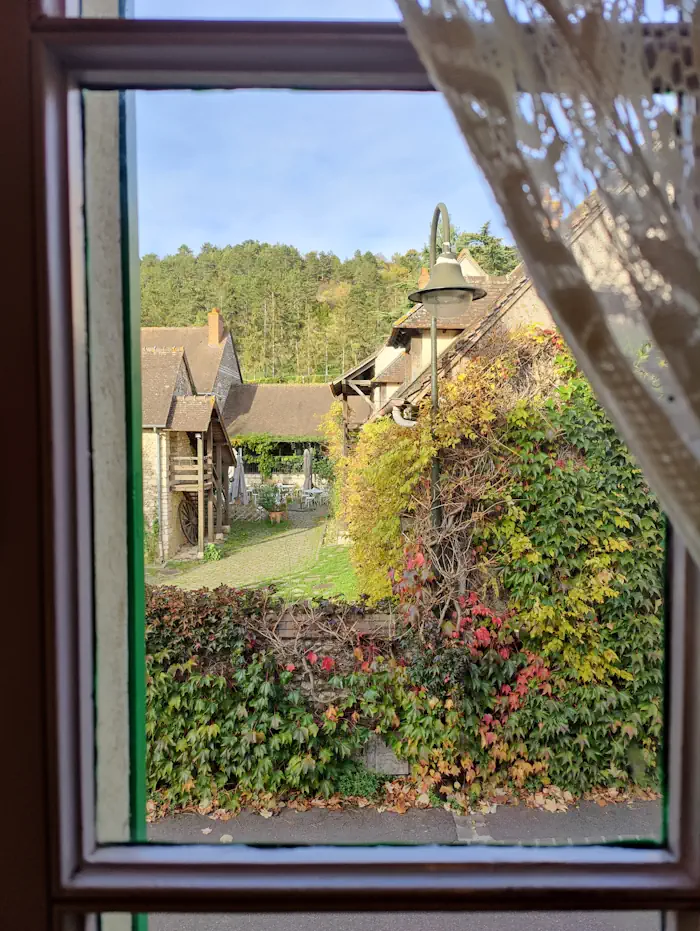
With its pink facade and green shutters, you’re bound to have seen it in photos. In person, it’s even better, especially when the vines climb the walls and the flowers spill out all around.
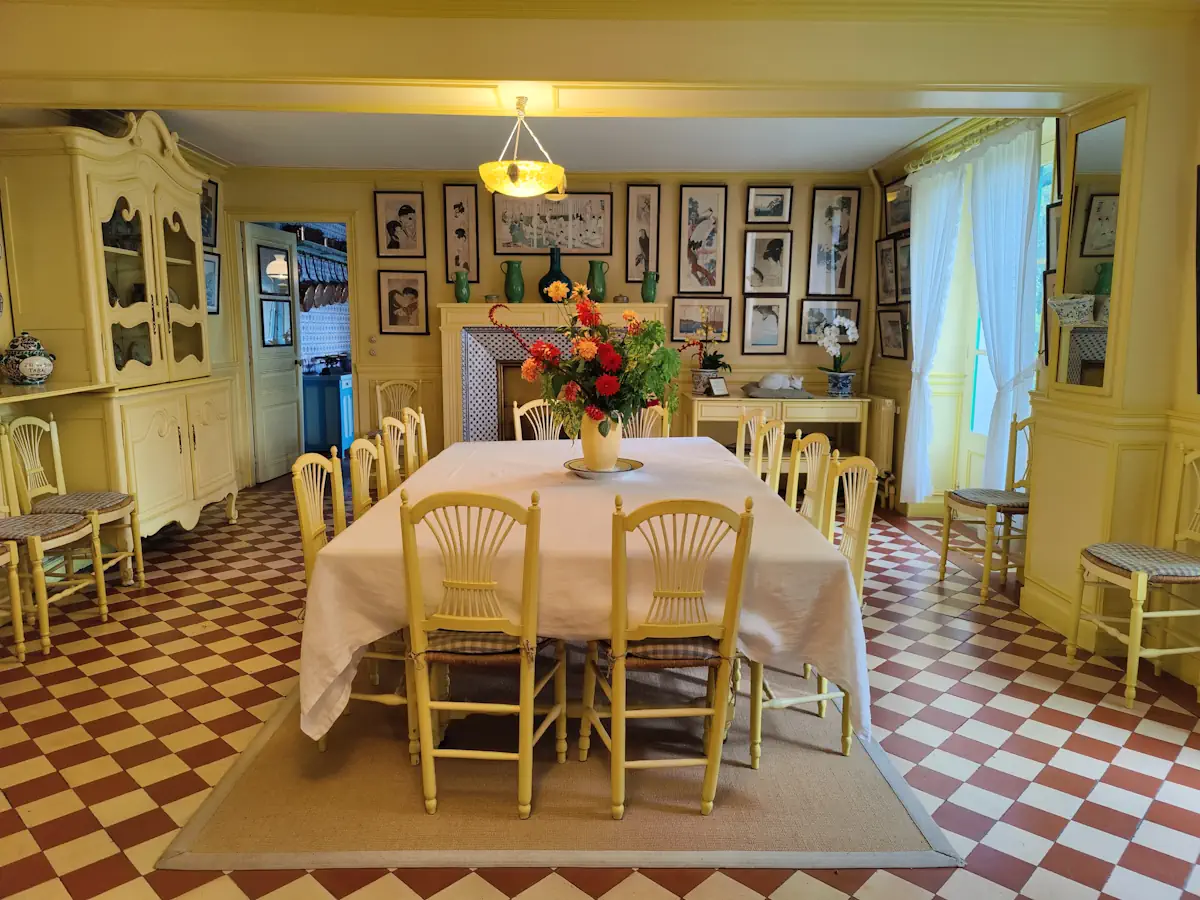
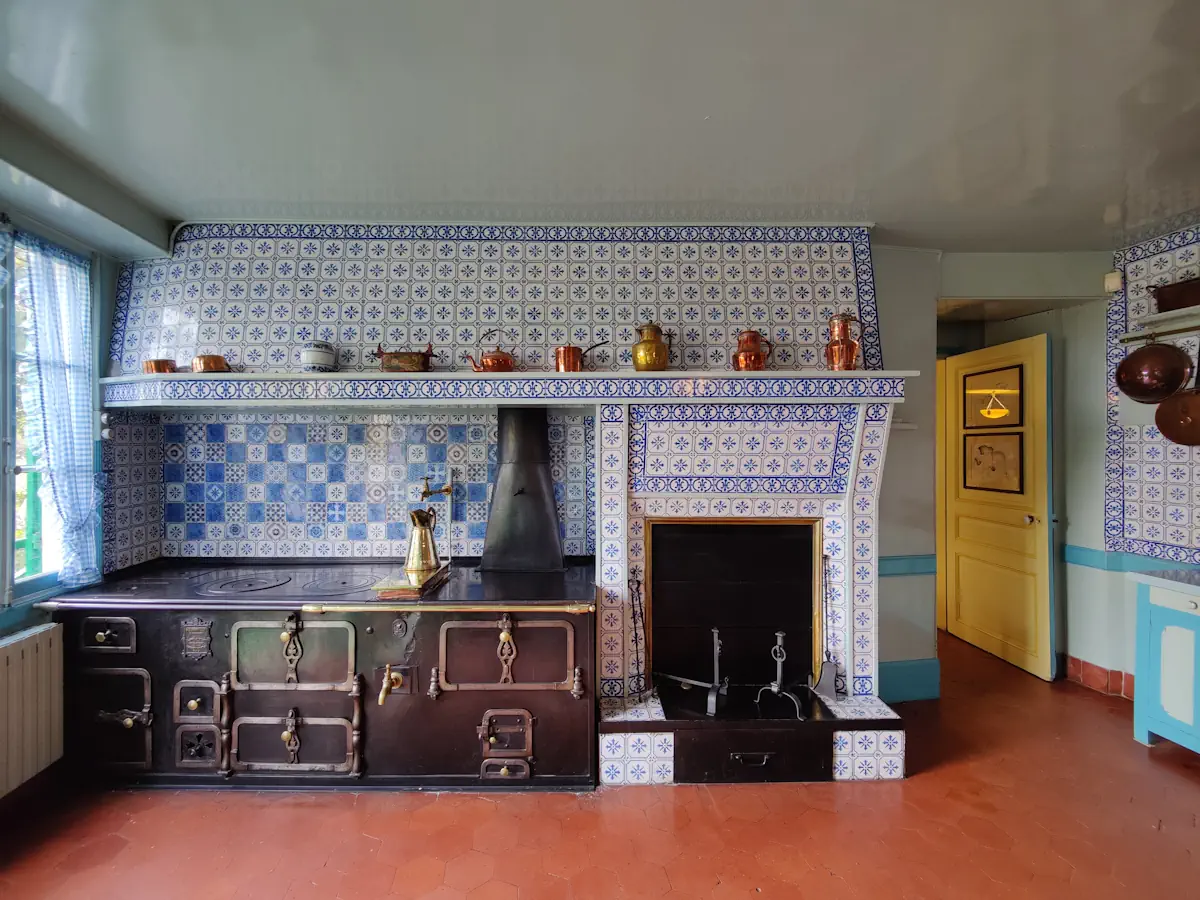
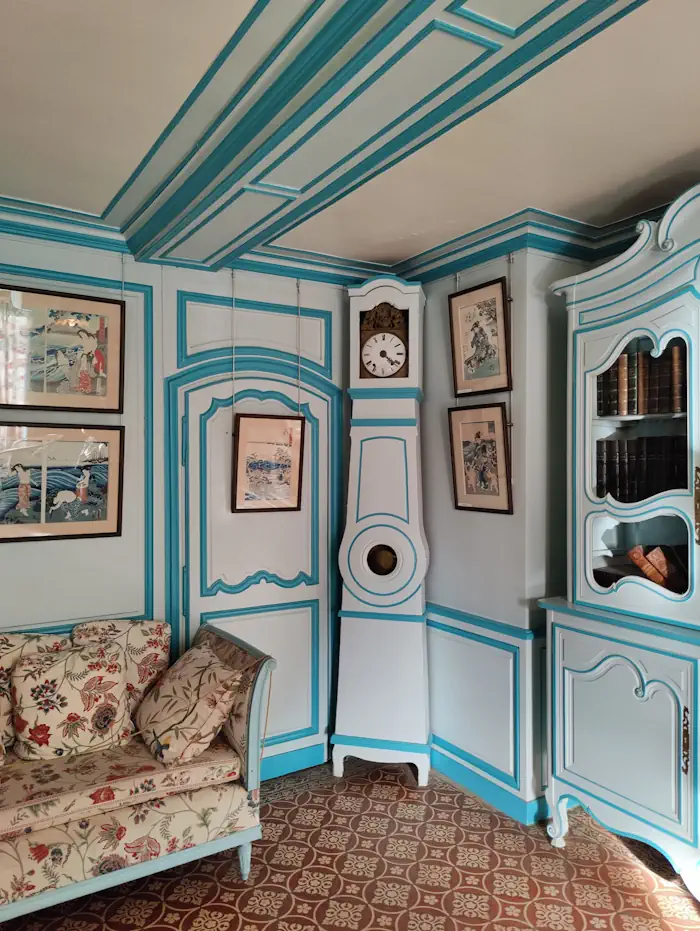
Let me start by saying that I’ve never been a fan of visiting “people’s houses”. But this is interesting! Inside, the surprising thing is the colors. The dining room is entirely bright yellow, the kitchen covered in floor-to-ceiling blue earthenware. Monet obviously painted his walls too. And then everywhere, hanging in every room, his 230 Japanese prints. Seeing them makes it easier to understand why the water garden looks the way it does.
The atmosphere is surprisingly intimate for a place so visited. Objects have stayed put, furniture has not moved. You really get the impression that Monet has just gone out for a walk in the garden.
Tip: take a guide!
This is really my number one tip. There’s not a lot of information out there, it’s pretty free. With a guide, you’ll understand much better why Monet planted such and such a flower in such and such a place, how the garden is constructed as a palette of colors, and what it looks like in his paintings. It changes the whole experience.
Practical information about the Monet Foundation
- Open: April 1 to November 1, 2026, daily, 10 am to 6 pm (last admission 5:30 pm)
- Adult admission: €13.50 / Children aged 7-17: €7.50 / Free under age 7
- Recommended duration: 1h30 to 2h minimum, but you can stay much longer in the gardens.
- Online booking highly recommended: in 2026 it’s the centenary of Monet’s death, and it’s going to attract even more people than usual. Here’s the link to the official ticket office.
- No picnics, pets, painting or drawing allowed on site
- No checkroom, no bulky luggage allowed
The Musée des Impressionnismes Giverny
The Musée des Impressionnismes is located next to the Fondation, a two-minute walk away. It’s a museum entirely dedicated to Impressionism and its influences, not just Monet, but the whole movement, its origins, its influence in France and internationally.
The great thing about this museum is that it doesn’t just exhibit the same paintings over and over again. It offers several temporary exhibitions per season, often very ambitious ones, with works on loan from the world’s leading museums. Now, I must confess that when I went there, I’d stumbled across something really weird, the famous modern art that you can’t always understand.
Over the years, it has hosted exhibitions on Bonnard, Degas, Caillebotte, Sorolla and even an astonishing face-off between Monet and Rothko in 2022. The basement is often devoted to Japanese art and its influence on the Impressionists, a direct link to the prints you’ve just seen in Monet’s house.
In 2026, to mark the centenary of Monet’s death, the exhibition is particularly interesting:“Avant les Nymphéas. Monet discovers Giverny, 1883-1890” (March 27 to July 5). Some thirty canvases painted by Monet in his early years at Giverny are presented: poppies, poplars, meadows, the banks of the Epte, on the very spot where they were created. The effect is quite unique: you look at a painting in the room, walk out, and recognize the same landscape from the garden.
A practical tip already mentioned, but really important: read the map at the entrance and follow the arrows. We missed the bottom floor during our visit and a good part of the exhibitions, which was apparently the most interesting. As a result, we got out a bit quickly, thinking it was short. Don’t make the same mistake! heho, who said “what a drag”?
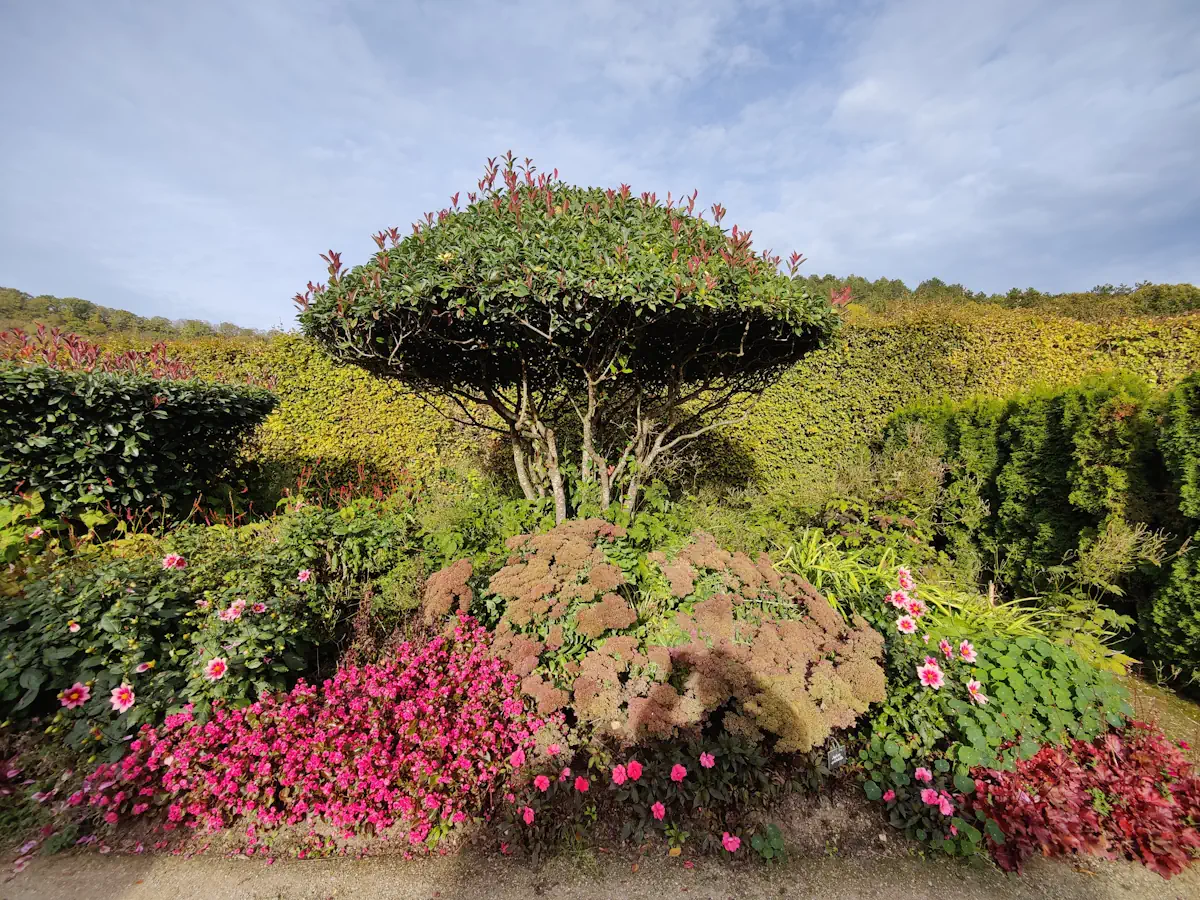
And after your visit, take the time to stroll around the museum’s outdoor garden, which is superbly pleasant, full of flowers, quiet and much less crowded than the Fondation gardens. It’s a great way to take a breather before setting off again (watch out for the bees!).)
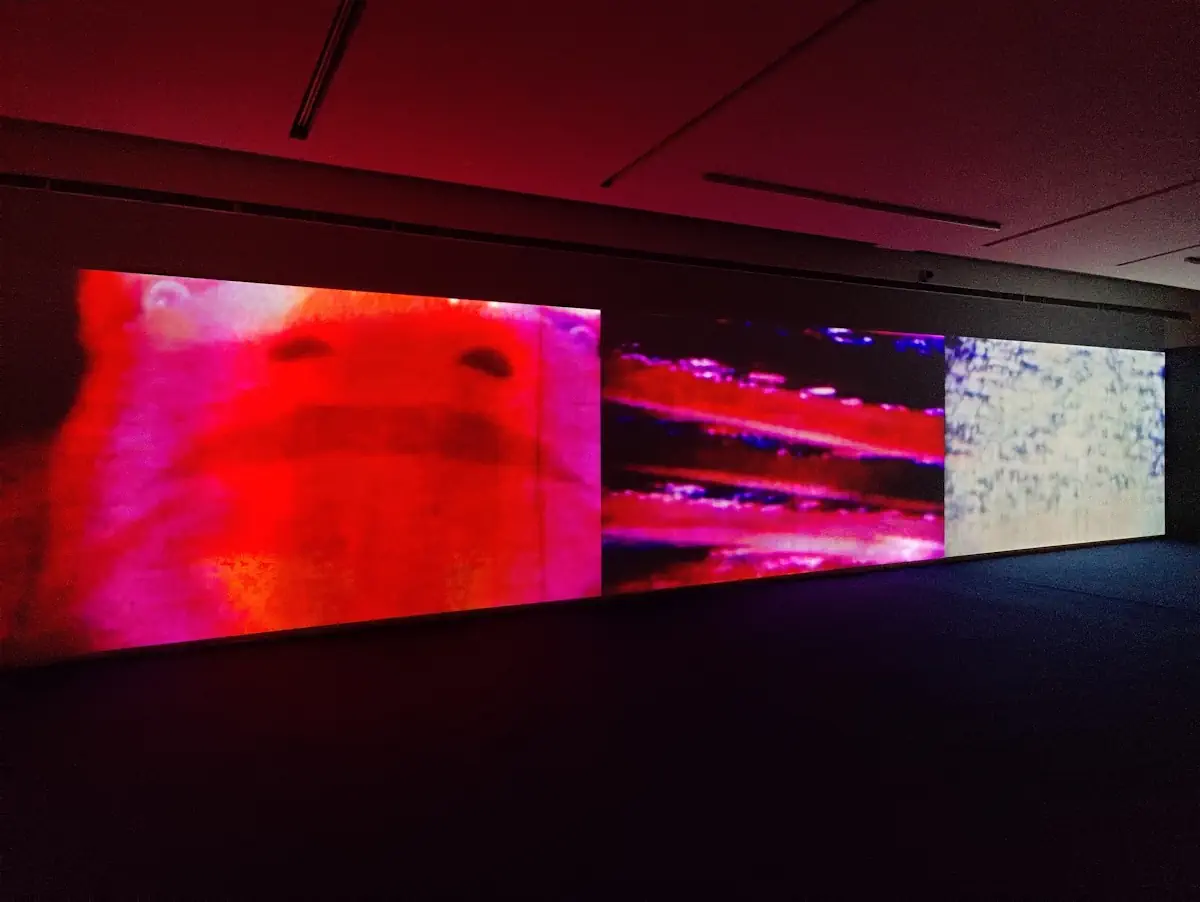
Practical information Musée des Impressionnismes 2026
- Opening : end of March to beginning of November, 10am-6pm
- Admission: €13 adults / €10 concessions / Free for under-18s
- Free admission on the first Sunday of the month in April, May, June, October and November (not in July-September).
Walking in the village of Giverny
The village itself is charming. Half-timbered houses, gardens spilling out onto the main street, a very calm atmosphere. The church of Sainte-Radegonde houses Monet’s tomb (with Alice and some of his children) – it’s open to the public, no ticket required.
Rue Claude Monet also boasts a number of artists’ galleries that perpetuate the spirit of the Impressionist colony. American painters had begun to settle around Monet during his lifetime, and this artistic spirit has remained. Well, as with everything, there’s some good and some not so good, but it’s still a lot of fun!
Well, to be honest, you get around the village pretty quickly. But it’s pleasant, especially at the beginning or end of the day when there aren’t many people around. As we were in the car, we didn’t have the constraint of the train, so we were able to have a little drink on the terrace, which was really nice. Because all the people had left.
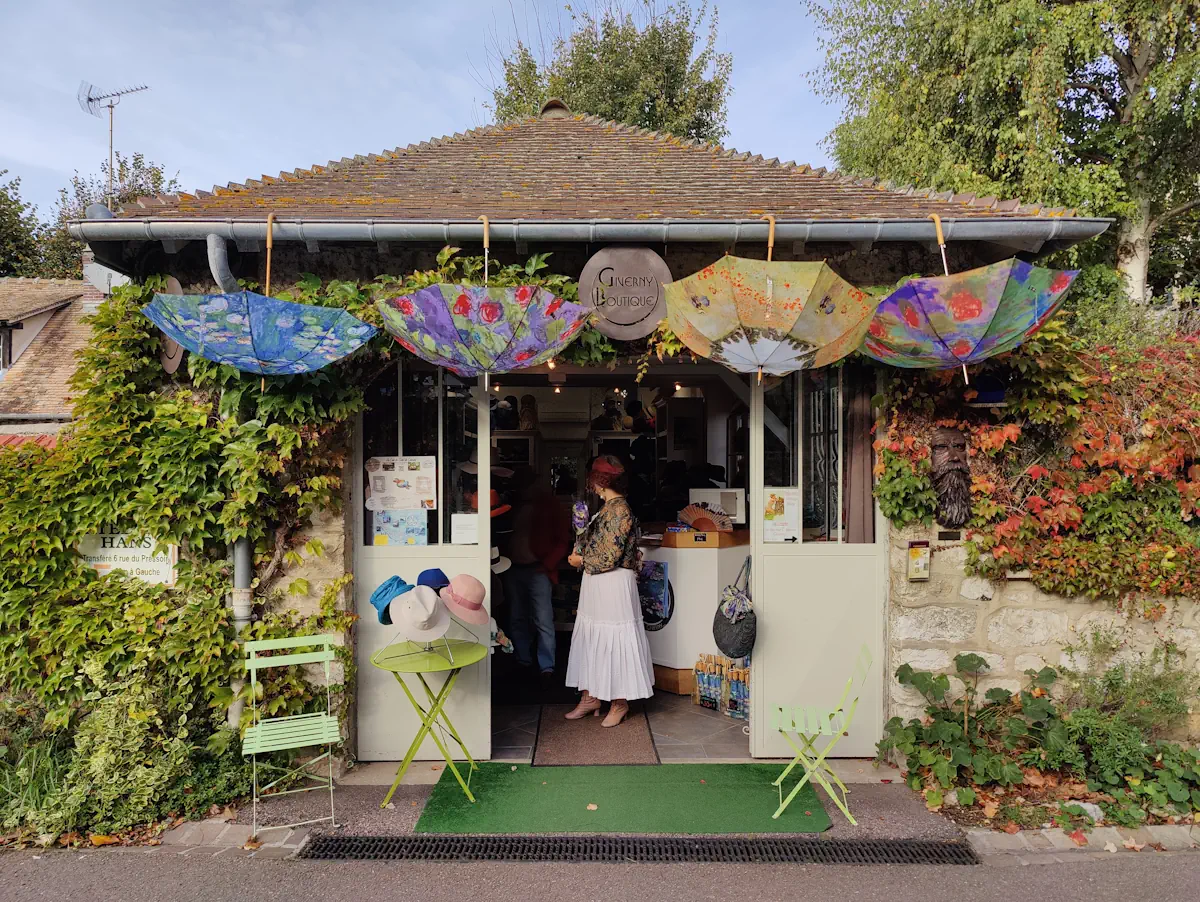
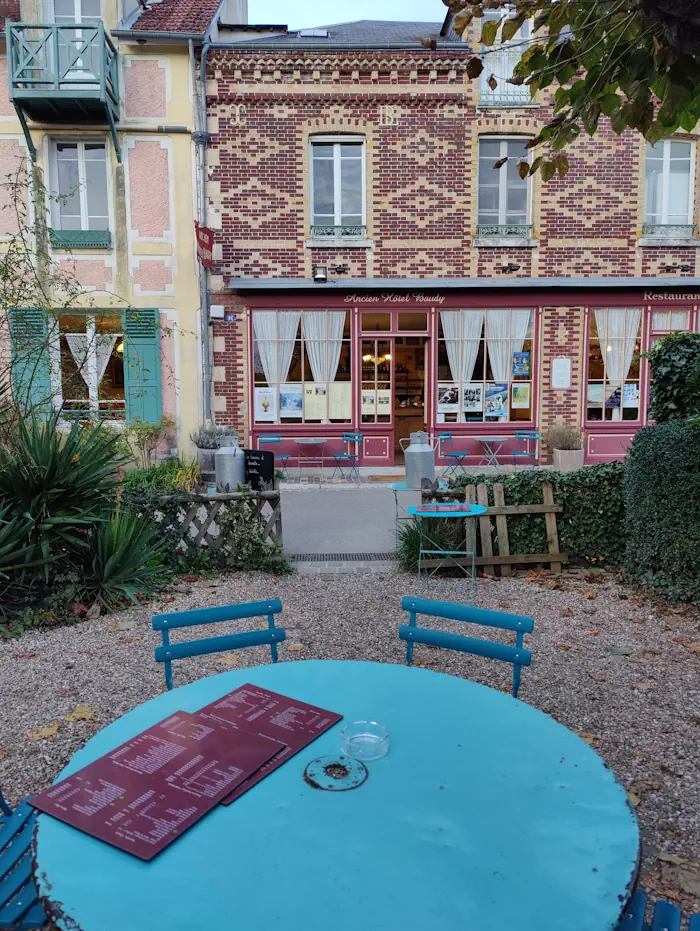
The former Hôtel Baudy: the village’s hidden treasure
Few people know it, but there’s a really cool place to wander around the village: theold Hotel Baudy. It’s an old boarding house run by Angélina and Gaston Baudy that used to welcome broke Impressionist artists. Monet came here, and other painters found shelter and food here during their difficult years. Today it’s a restaurant, but the facade and atmosphere have retained their original charm. A little detour that’s well worth it.
I told you we’d had a drink on the terrace, and well, it was right here! So I recommend it, because it’s really nice:)
What to see around Giverny
If you have a car, there are a number of nice sites within easy reach:
- Vernon (5 km)
This medieval town is well worth a visit: the château des Tourelles (an old tower in the Seine), the collegiate church of Notre-Dame, and a museum with some Impressionist works.
- Château de La Roche-Guyon (15 km)
A troglodytic château clinging to the chalk cliffs on the banks of the Seine. Garden, view over the valley, nice place. I’ll have to write about it sometime!
- Les Andelys and Château Gaillard (30 km)
The ruins of Richard the Lionheart’s castle on a limestone spur. Magnificent view of the meandering Seine.
- Le Bec Hellouin
A good hour further on (yes, it’s not quite next door), you’ll find the magnificent village of Le Bec Hellouin, with its half-timbered houses. Not far away is the pretty village of La Bouille on the banks of the Seine.
- The Vexin
A lovely little region of rolling hills, stone villages and the Seine and Epte valleys. An unspoilt corner of the countryside, barely an hour from Paris, where Monet himself used to walk and paint.
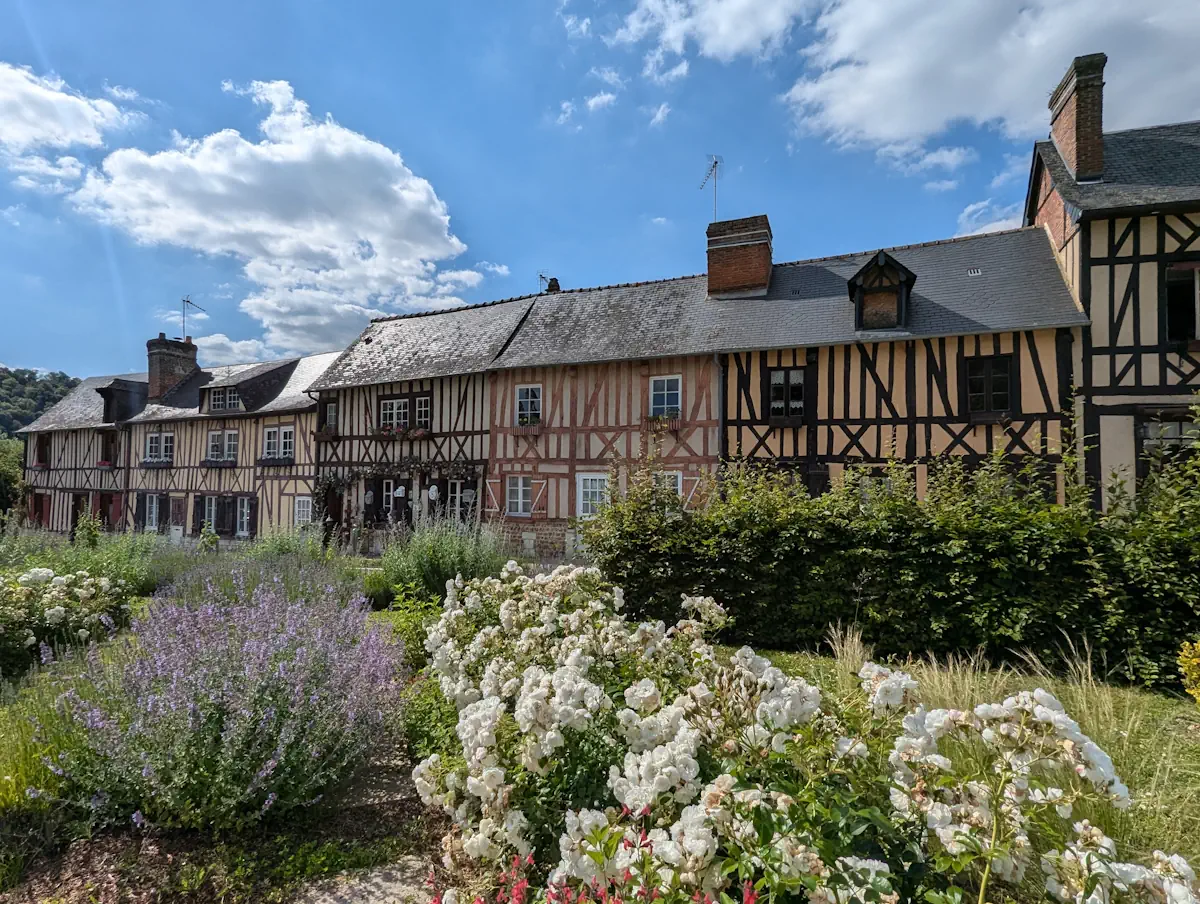
When to visit Giverny?
That’s really the key question. We went there in October, and it was super pleasant, not many people, golden light, the gardens are still beautiful. But if you want to see the gardens in full explosion of color, here’s what you need to know.
Firstly, the park is only open from April 1 (well, end of March for the museum) to November 1. So the rest of the time, it’s closed and inaccessible! This limits the possibilities.
April – May: the best time
Tulips, narcissi, wisteria on the Japanese bridge exploding in May, apple trees in bloom. The Normandy light is soft. Visitor numbers rise, but remain manageable. In 2026, the centenary attracts more people in the spring – book in advance.
June – July: water lilies in full bloom
The water lilies are at their peak. Beautiful on paper, but this is also the most touristic period. Weekends and public holidays can quickly become stifling. Try to come as early in the day as possible!
August: avoid if possible
Maximum crowds. The gardens are still beautiful, but frankly, it’s less pleasant. But if you don’t have the choice, it’s still a good option, “better than nothing” of course.
September – October: the right plan
The number of visitors drops sharply after the start of the school year. Dahlias, asters, end-of-season light. It’s often the favorite time of year for returning visitors, and I can see why.
My advice: visit during the week rather than at the weekend. And if you can, arrive as soon as it opens at 10am, as it’s much nicer before the tourist buses arrive. We’d wandered around the gardens early with hardly anyone around, so it’s a different experience.
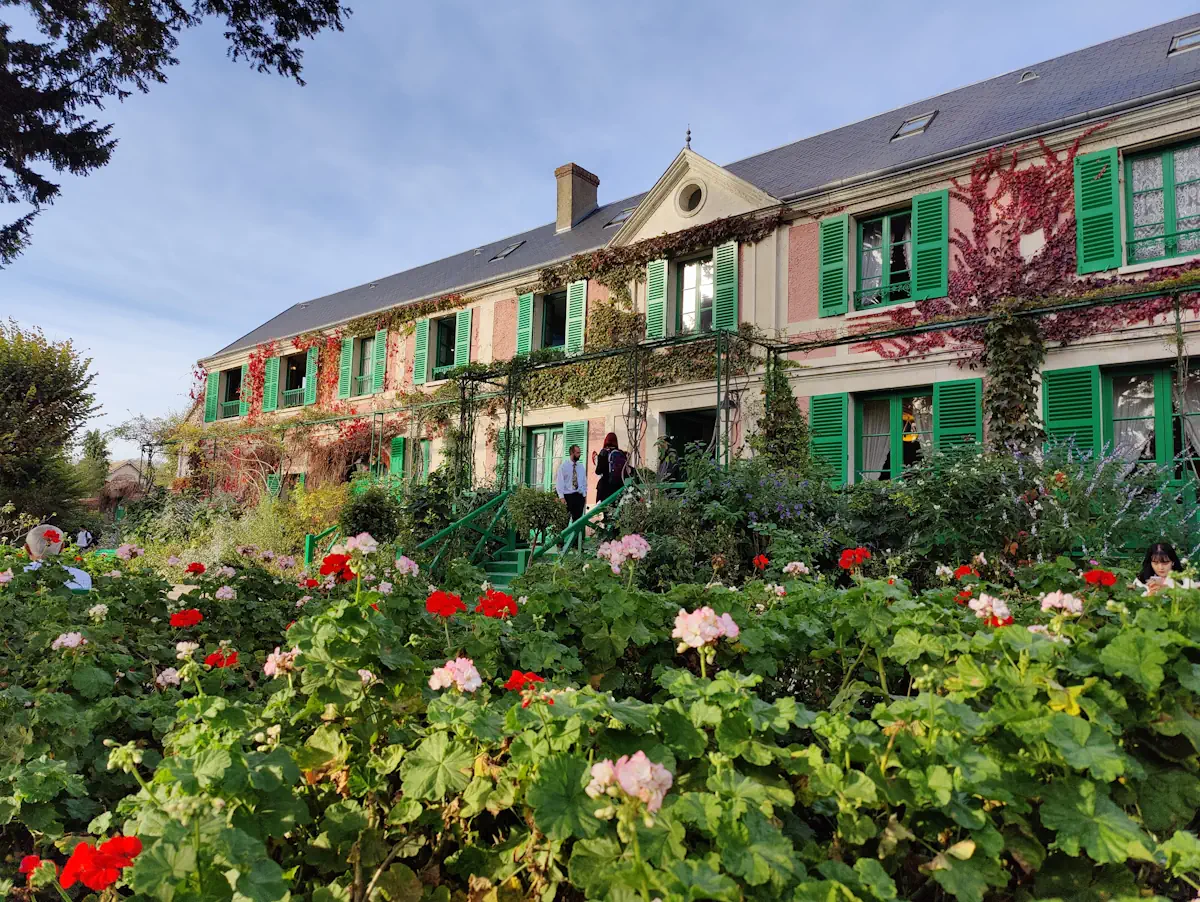
A typical day at Giverny
We were there by car, so we were able to get there early. And frankly, that’s where the action is. Early in the morning, the gardens are almost empty, the light is beautiful, and you can take your photos without having someone in the frame every two seconds. An hour later, the buses arrive and it’s a different story.
Here’s how I’d organize the day:
10:00 – Arrive at the opening
Be there at 10am, as soon as it opens. This is by far the best time of day. The aisles are still quiet, the air smells of flowers, and you can really take your time looking around without being rushed. The longer you wait, the more crowded it gets
10h00 – 11h30 – The Monet Foundation
Start with the water garden. Basically, start with the most touristy, except that the tourists aren’t there yet.
Take the tunnel under the road and suddenly find yourself in front of the water lily pond and the Japanese bridge. This is the most “wow” moment of the visit, and it’s even better when there aren’t many people around. The water lilies are there, the reflections in the water, the weeping willows. It’s immediately clear why Monet spent years painting this particular corner.
Then return to the Clos Normand, the large flower garden in front of the house. The rose-covered arches, the flowering paths, the beds that change according to the season. Very elaborate, very colorful. Monet really saw it as a living canvas.
Finish with the house itself. The pink facade with green shutters, the dining room with bright yellow walls, the blue kitchen, Japanese prints everywhere. It’s small but really nice, and it feels like Monet has just stepped out
11:30 – 12:30 – The village and Monet’s tomb
Leave the Fondation and take time to stroll through the village. Rue Claude Monet is a quiet street lined with half-timbered houses and overflowing gardens. Take a detour to thechurch of Sainte-Radegonde, where Monet is buried with Alice and his children. Free admission, no ticket required. Takes five minutes
12:30 – 13:30 – Lunch
Les Nymphéas restaurant is conveniently located opposite the Fondation entrance. Alternatively, the banks of the Seine in Vernon are perfect for a picnic if you’ve got enough to eat (no picnics possible on the Foundation grounds). It’s bucolic and very pleasant. Or, as we were saying, Restaurant Baudy
1:30 pm – 3:00 pm – Musée des Impressionnismes
A two-minute walk from the Fondation. The temporary exhibitions are really well done. A word of advice: read the map at the entrance and follow the arrows. We missed the bottom floor during our visit, which was apparently the most interesting. As a result, we got out a bit quickly, thinking it was short. Don’t make the same mistake! (plus we feel like idiots!)
3:00 pm – 4:00 pm – Ride or return
If you still have energy (and arrived by train), the walk to Vernon along the Seine is really pretty. Otherwise, as it’s time for the gardens to empty out a little, you might like to come back for a last look before closing time. The Fondation boutique is also worth a visit if you’re looking for a souvenir.
As we didn’t have to take the train, we took the opportunity to have a drink at the Baudy restaurant.
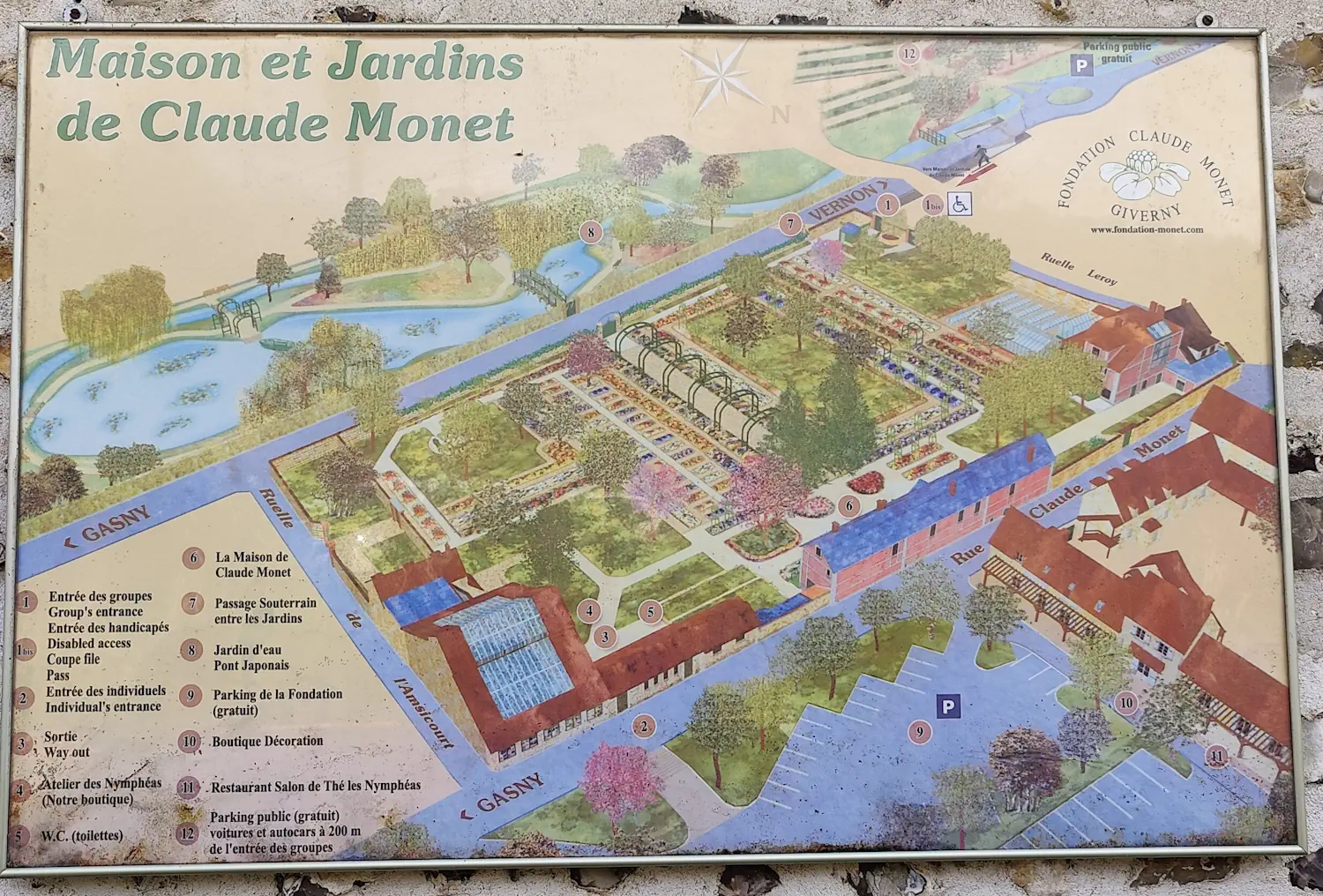
How long will it take?
Let’s be honest: Giverny is beautiful, but it’s not a destination that takes up three days either. Here’s how it breaks down:
- Fondation alone: 1h30 to 2h minimum, but don’t rush!
- Fondation + Musée des Impressionnismes: half a day, or 3 to 4 hours on site
- Giverny + village + walk: a full, leisurely day
- Spend a night on site: this is a really good idea if you want to enjoy the estate early in the morning before the crowds arrive, or stroll through the village in the cool of the evening when everyone else has left. The atmosphere is totally different.
Practical info summary
| Parameter | Detail |
|---|---|
| Foundation opening | April 1 – November 1, 2026 |
| Opening hours | 10 am – 6 pm (last admission 5:30 pm) |
| Foundation adult rate | 13,50 € |
| Musée Impressionnismes adult rate | 13 € |
| Combined ticket | 25 € (sold on site only) |
| Reservations | Highly recommended online |
| Pets | Not admitted (except guide dogs) |
| Parking | Free in Giverny (800 spaces, chemin du Roy) |
| Best period | April-May or September-October |
How to get to Giverny
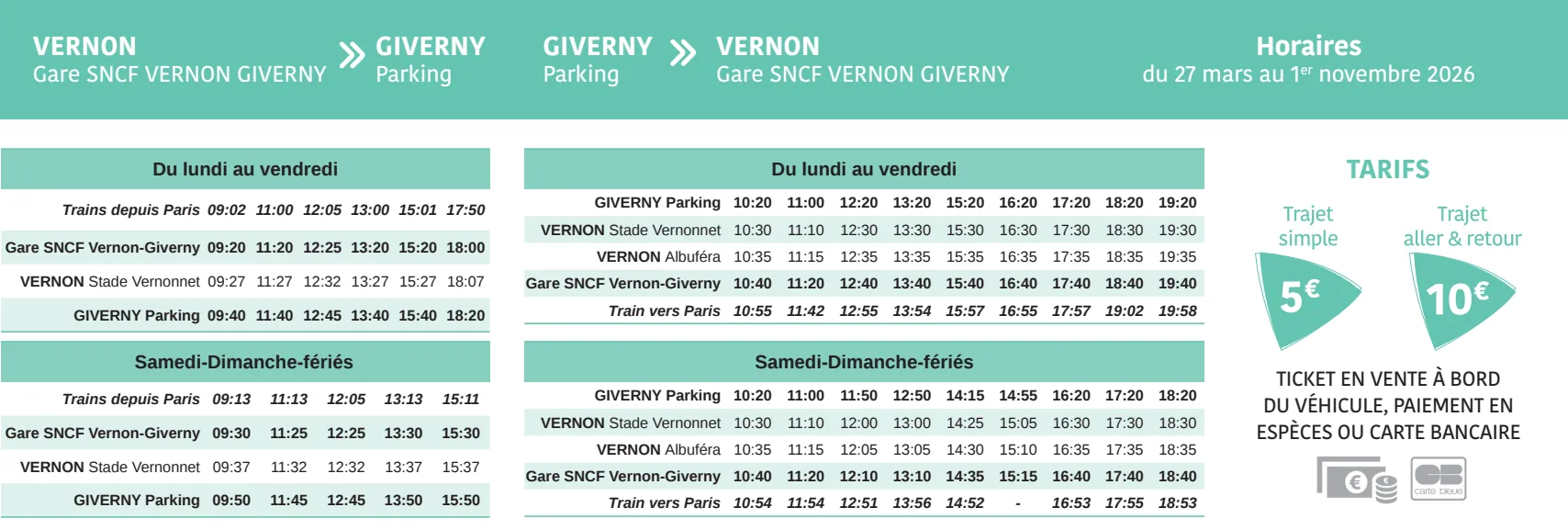
We went by car, and it’s easy (just make sure you take the A13 and not the A14, which is very expensive). But the train from Paris Saint-Lazare is super-easy too – 45 minutes direct to Vernon-Giverny, then the SNGO shuttle to the village (€10 AR). Or take the little tourist train. I talk about it in detail in the dedicated article:
Where to stay in Giverny?
If you want to enjoy the village early in the morning or in the evening when the day’s tourists have gone home – and this is definitely the experience I’d recommend – here are some top-rated accommodations in Giverny itself. And if you’re out and about in the region, Giverny also makes a great overnight stop.
So it’s relatively expensive. There are a few hotels and guest houses, but they’re all of a high standard. On the other hand, I’d really advise you to book quickly, as good accommodation fills up fast! I’ve listed 4 recommendations below
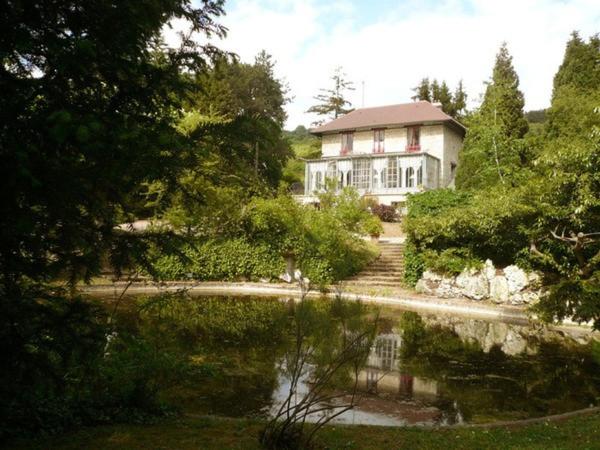
Giverny – 15 min walk from the Monet Museum
- B&B set in a 1,800 m² park, peaceful and green surroundings
- Renowned homemade breakfast (fresh orange juice, bacon omelette)
- Hosts Luciano & Giovanna highly praised, rated 9.8 by couples
From €200/nightFree cancellation
📅 Check availability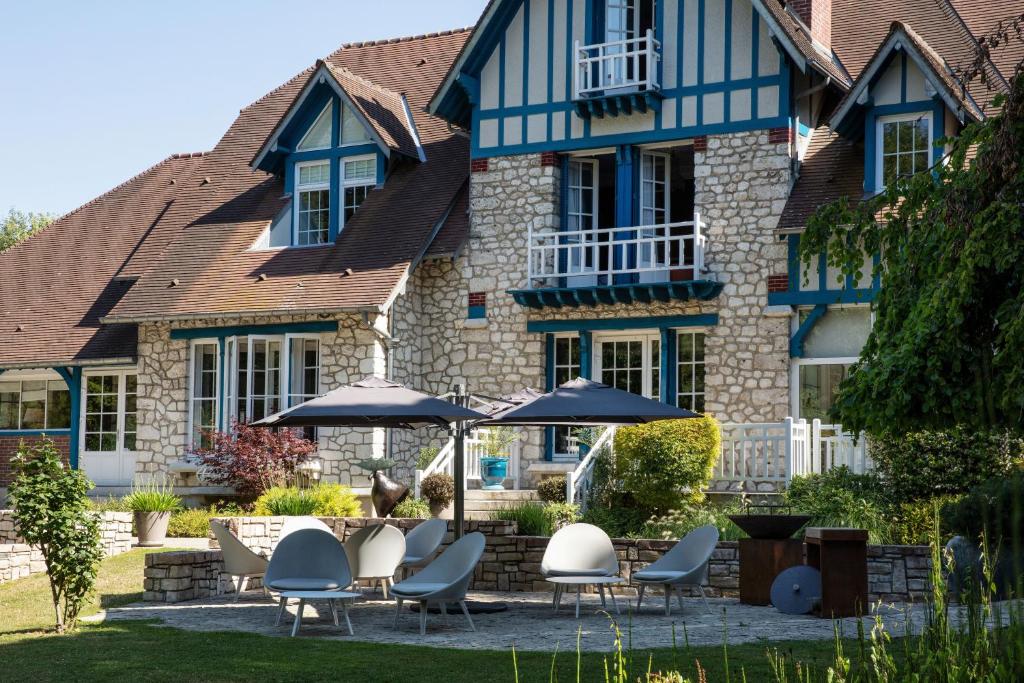
Giverny – 500 m from Monet's house
- Art Deco furniture, flowering garden and terrace
- Gastronomic restaurant open Wednesday to Sunday
- In-room breakfast served picnic-style, discreet and attentive staff
From €190/nightFree cancellation
📅 Check availability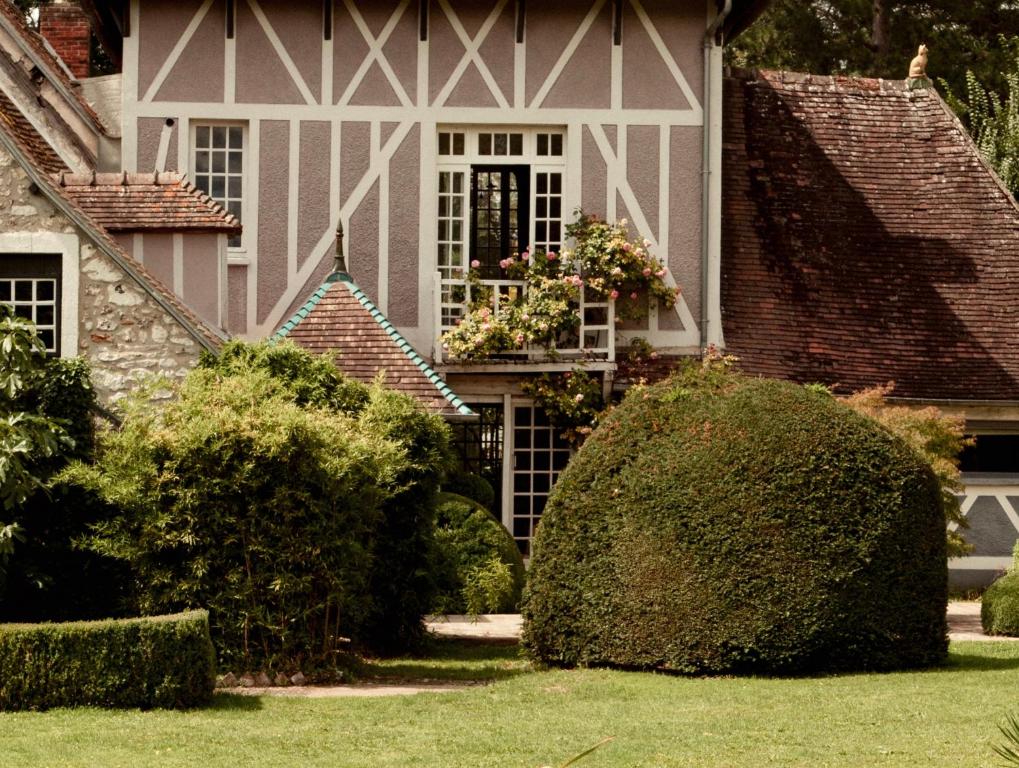
Giverny – 500 m from Monet's house
- Renovated 13th-century house set in a one-hectare garden
- Garden-view rooms, unique decor in each room
- Breakfast with local farm produce, rated 9.5 by couples
From €250/nightFree cancellation
📅 Check availability
Giverny – 200 m from Monet's house
- 200 m from Monet's house, everything within walking distance
- Bistro restaurant by chef Benjamin Revel, terrace and garden
- Gated parking overnight, rated 9.6 by couples
From €190/nightFree cancellation
📅 Check availabilityBook a guided tour
As I said, taking a guide on site really changes the visit. You understand the garden differently, the links with the paintings, Monet’s history in Giverny. The guide will meet you directly at the Foundation entrance

Visit Giverny with a tour from Paris
And if you prefer to come from Paris with everything included (transport + entrance + guide), that’s perfectly possible! It has many advantages:
- you don’t have to worry about a thing
- transportation by (mini)bus is included
- a guide on site
So it’s ultra-comfortable and convenient. These are the two options I recommend below

📍 Paris · City Wonders (6 hrs)
Half day in Giverny by air-conditioned coach with skip-the-line entry, an audio guide app in English and free time to wander the village.
- Air-conditioned coach + skip-the-line ticket entry
- Audio guide app in English included (10 languages)
- Full-day + Versailles upgrade option (€154)
Free cancellation
From 69 € / person
📍 Paris · Blue Fox Travel (5 hrs)
Small-group minibus trip with a dedicated skip-the-line entrance to the gardens, nearly 2 hrs on site and a stop at Claude Monet's grave.
- Small-group minibus + hotel pickup
- Skip-the-line through a dedicated garden entrance
- 1 hr 50 min at the gardens + Monet's house + his grave
Free cancellation
From 130 € / person
FAQ – Practical information about Giverny
-
Can I visit Giverny without booking?
Absolutely! Tickets are sold on site. But in high season (May-June, bank holidays, weekends), queues can be long. In 2026, the centenary year, it’s really best to book online, on the official ticketing service.
-
Can I bring my own picnic to the gardens?
No, it’s forbidden on the grounds. Picnic areas are available in the Prairie parking lot and on the banks of the Seine. That way, you don’t have to put your junk food all over the park.
-
Can I photograph inside the house?
No problem, but no flash.
-
Are tickets refundable or modifiable?
Tickets purchased online are non-refundable, but exchangeable, yes.
-
Is there a restaurant on site?
No, restaurants are not permitted on site. Les Nymphéas restaurant is right next to the entrance. Other options in the village include cafés and crêperies. It’s not crazy, but it does the trick.
-
Are the gardens accessible to people with reduced mobility?
The gardens are. The house is less accessible (stairs). The tunnel to the water garden has a few steps, but a level gate can be opened on request to a janitor.
-
Are tickets personal?
No, you can give them to someone else
In conclusion
Now you know almost everything! First of all, don’t forget that you can only come between April 1st and November 1st. Otherwise it’s closed.
But it’s a really nice place, where you can enter Claude Monet’s little world, immerse yourself in his works, but also enjoy the magnificent surroundings. It’s restful, soothing and superbly beautiful!
So yes, go ahead, it’s a great little day out. It’s easy to get there, it’s not expensive, and if ever the weather’s good, it’ll be a perfect day!