Last updated on
Rome. The Eternal City. Every time I go back, I wonder how one city can hold so much history, beauty, and dolce vita. But then, one question always comes up: where to stay in Rome?
Because contrary to what you might think, Rome isn’t just one big open-air museum where all neighbourhoods are the same. No, each rione (Roman neighbourhood) has its own personality, atmosphere, advantages and disadvantages. Staying near the Colosseum is convenient but touristy. Staying in Trastevere is authentic but noisy in the evening. Opting for Prati near the Vatican is residential but a little far from the centro storico.
After several stays in Rome and having stayed in different neighbourhoods (yes, I even stayed near Termini, and I’ll tell you about it), I’m giving you my comprehensive guide to choosing where to stay in the Italian capital. It includes a selection of hotels for all budgets, apartments, youth hostels and, above all, honest advice from someone who has really explored these neighbourhoods.
However, I can assure you that Rome is touristy all year round. This means you have to book your accommodation well in advance, otherwise it will cost you an arm and a leg. In the ‘low’ season, prices are fairly reasonable (well, relatively speaking), but they really skyrocket in summer.
Here we go !
Best neighbourhoods to stay in Rome
The centre of Rome is relatively large. And the good thing is that there are lots of great neighbourhoods to stay in. They are all either within walking distance or well served by public transport. So there’s plenty of choice! Here’s a quick overview of the neighbourhoods to give you an idea of what to expect.
Rome's historic heart. Pantheon, Piazza Navona and Trevi Fountain — absolute magic at every corner.
Rome's most charming neighborhood. Cobblestone streets, family trattorias and Italian village atmosphere.
The hipster district near the Colosseum. Vintage boutiques, artisanal cafés and authentic neighborhood vibe.
Elegant residential area near the Vatican. Excellent value for money, wide choice of restaurants.
Around the central station. Ultra convenient for arrivals/departures, multicultural area with good ethnic restaurants.
Food lovers' paradise. Zero tourists, legendary local market and best authentic Roman trattorias.
Quiet hilltop neighborhood. Orange Garden, Malta Keyhole and aristocratic atmosphere.
A selection of the 8 best hotels in Rome!
So no, I didn’t want to list the 8 best hotels, because that doesn’t really make sense, and above all, they cost an arm and a leg. I’ve made a selection of excellent hotels with great reviews, located throughout the city and suitable for all budgets.
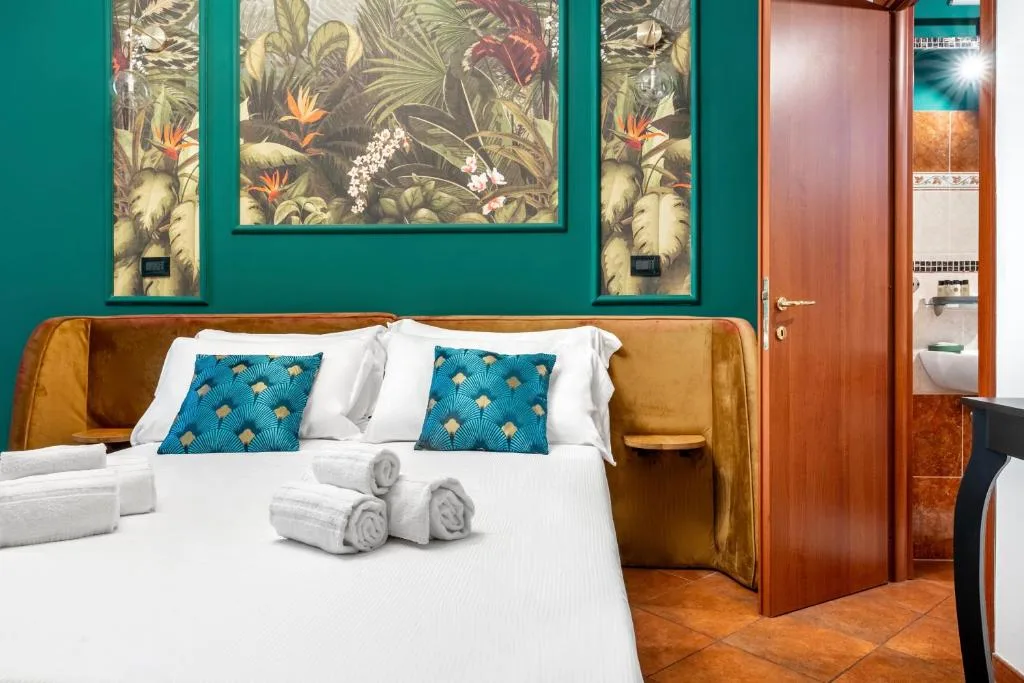
Colosseum – Refined boutique
- Elegant boutique hotel steps from the Colosseum
- Designer rooms with refined modern decor
- Excellent value near the Roman Forum
From €130/night
Check Availability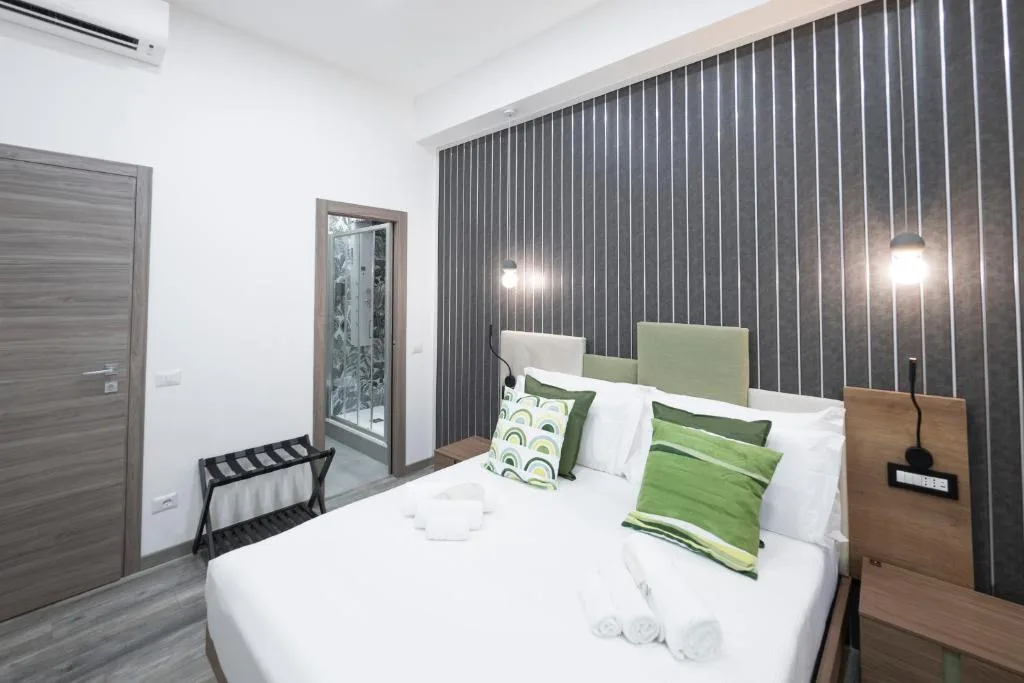
Trastevere – Bohemian charm
- Luxurious rooms in authentic Trastevere heart
- Carefully decorated blending tradition and modern elegance
- Steps from the best Roman trattorias
From €130/night
Check Availability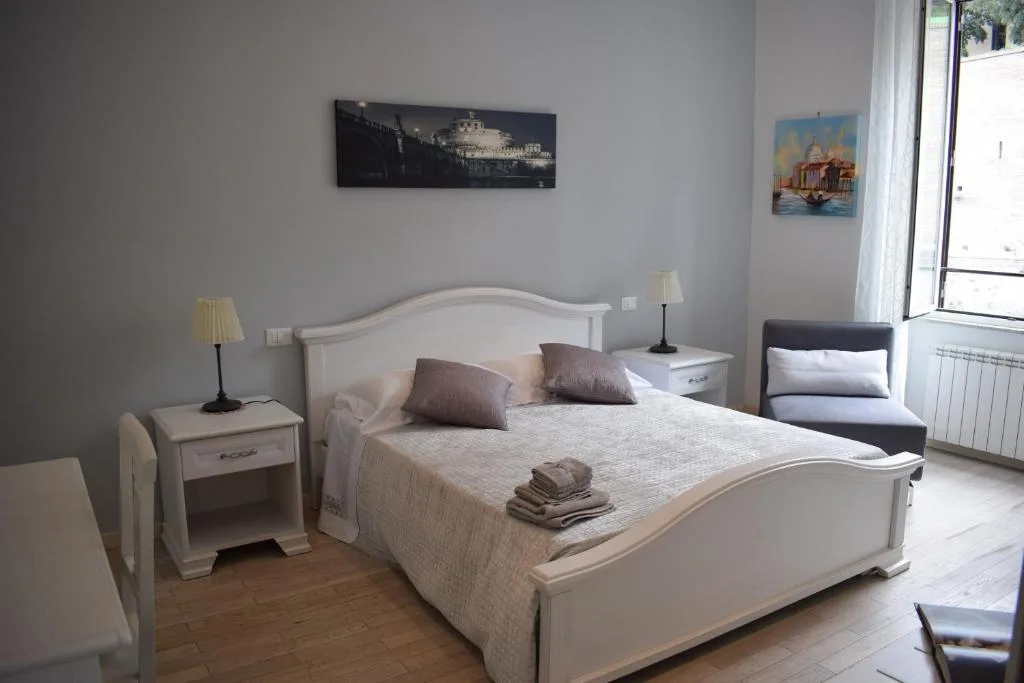
Vatican – Perfect location
- Meters from Vatican Museums, perfect location
- Comfortable modern rooms, excellent welcome
- Outstanding rating, unbeatable value
From €150/night
Check Availability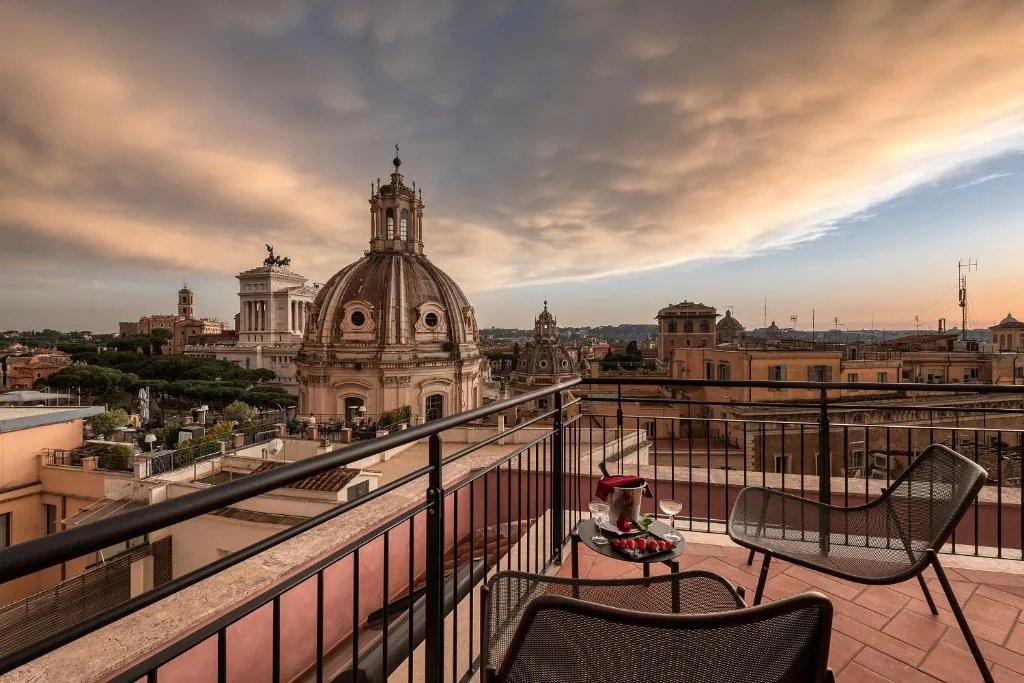
Historic Center – Design palace
- Historic palace renovated with elegant contemporary design
- Rooftop with panoramic views over Rome's rooftops
- Central location, close to all monuments
From €250/night
Check Availability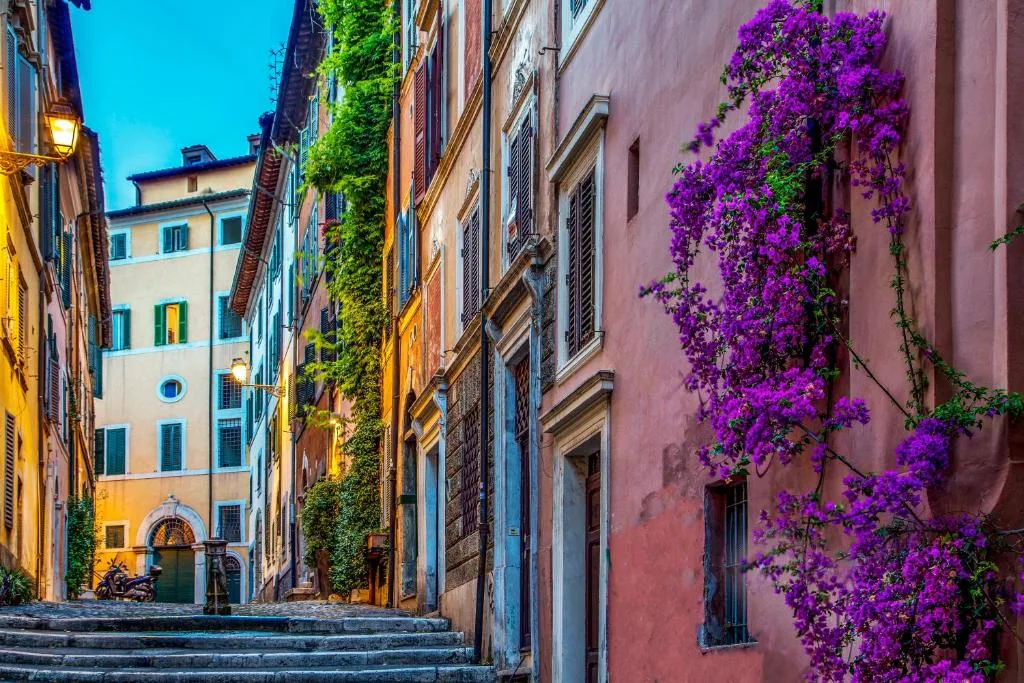
Roman Forum – Historic palace
- 18th-century palace with ancient ruins on site
- Rooftop terrace for breakfast, exceptional views
- 5 min from Colosseum and Forum, refined luxury
From €280/night
Check Availability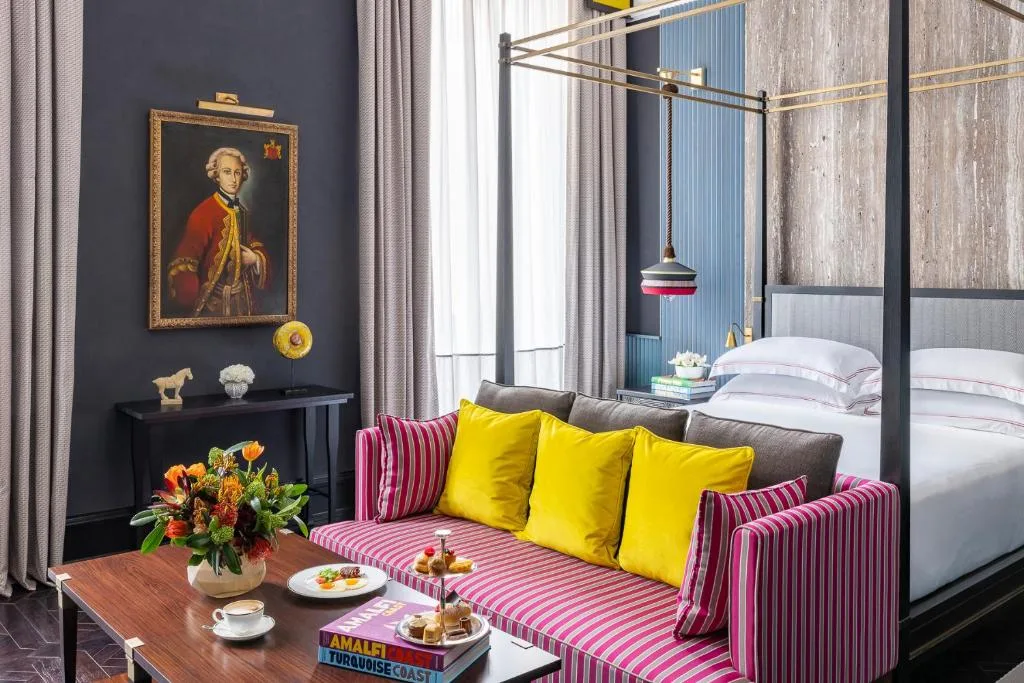
Via del Corso – Aristocratic
- Aristocratic palace with original frescoes and artwork
- Sumptuous rooms, Versailles parquet and rare marbles
- On Via del Corso, live music and refined Italian cuisine
From €400/night
Check Availability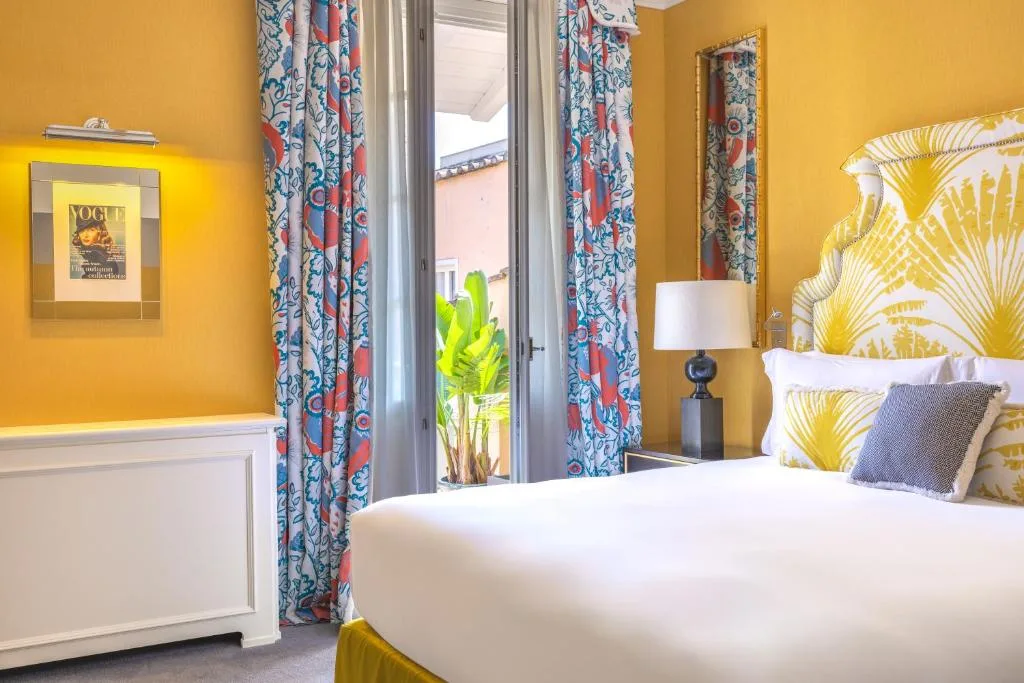
Trevi – Luxury boutique
- Outstanding 9.8/10 rating, impeccable service
- Luxurious boutique hotel near Trevi Fountain
- Refined design, attention to every detail
From €500/night
Check Availability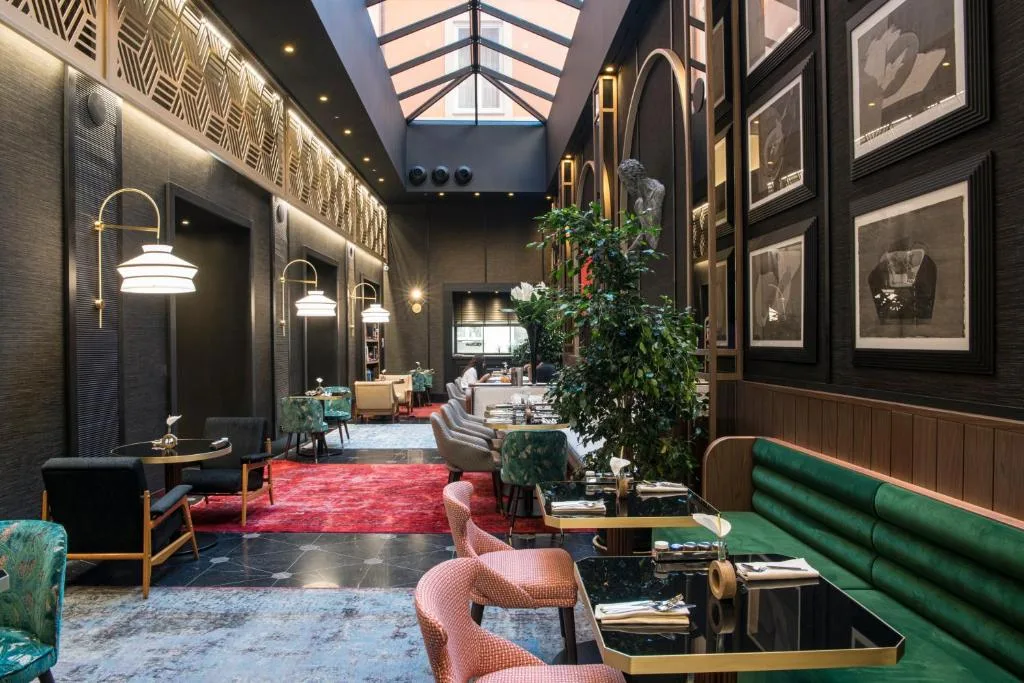
Trevi – Sophisticated design
- Designer boutique hotel in renovated historic palace
- 2 minutes from Trevi Fountain, perfect location
- Elegant rooms with carefully curated contemporary decor
From €500/night
Check AvailabilityCentro Storico: the historic centre
The Centro Storico is THE Rome of postcards. The Rome of films, tourist guides and our childhood dreams. Here, every cobbled street hides a Baroque palace or a charming church, and every square is an open-air theatre stage.
The Pantheon stands majestically in the middle of Piazza della Rotonda. A stone’s throw away, Piazza Navona with its three Baroque fountains (including Bernini’s famous Fontana dei Quattro Fiumi) is bursting with life. Campo de’ Fiori comes alive in the mornings with its colourful market and in the evenings with its crowded bars. And of course, the Trevi Fountain is only a few minutes’ walk away.
Sleeping in the Centro Storico means waking up in the heart of Roman history. You step out of your hotel, and boom, the Pantheon is there. You have your caffè on a terrace, and bam, Piazza Navona is right in front of you.
Strengths
- Unbeatable location: all the major sites are within walking distance (Pantheon, Piazza Navona, Trevi, Vatican in 20 minutes, Colosseum in 15 minutes)
- Exceptional architecture: every building is a masterpiece, from Renaissance palaces to Baroque churches
- Magical atmosphere: especially early in the morning or late at night when the crowds have dispersed
- Numerous restaurants and bars: from family trattorias to Michelin-starred restaurants
Weaknesses
- High prices: expect to pay €150-300 per night for a decent hotel, or even more for luxury accommodation
- Very touristy: during the day, be prepared to navigate between groups and selfie sticks, especially in high season!
Noise:
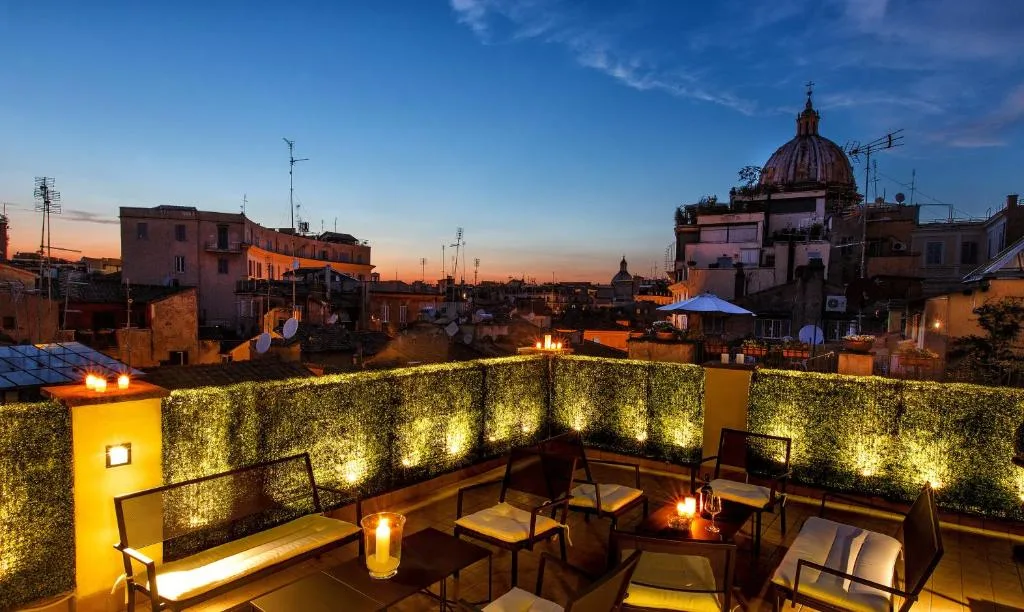
Campo de' Fiori
- 200m from Campo de' Fiori, in the heart of centro storico
- Magnificent panoramic terrace over Rome's rooftops
- Excellent buffet breakfast included
From €160/night
Check Availability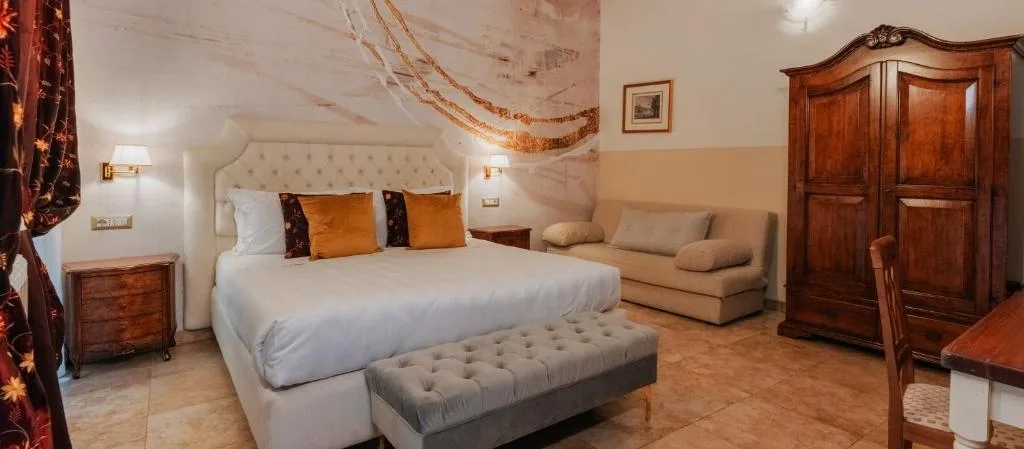
Pantheon
- Steps from the Pantheon, exceptional location
- Elegant rooms with views of ancient architecture
- Private terrace available for guests
From €140/night
Check Availability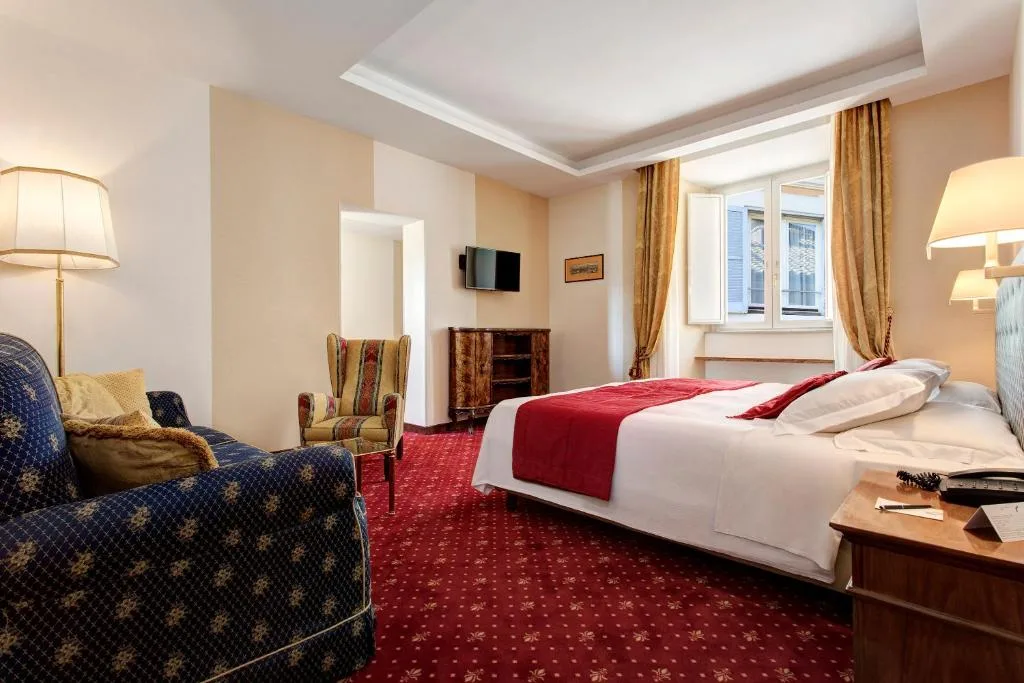
Piazza Montecitorio
- On famous Piazza Montecitorio, next to Parliament
- Historic hotel with elegant and refined decor
- Pantheon and Trevi Fountain 5 minutes walk
From €200/night
Check Availability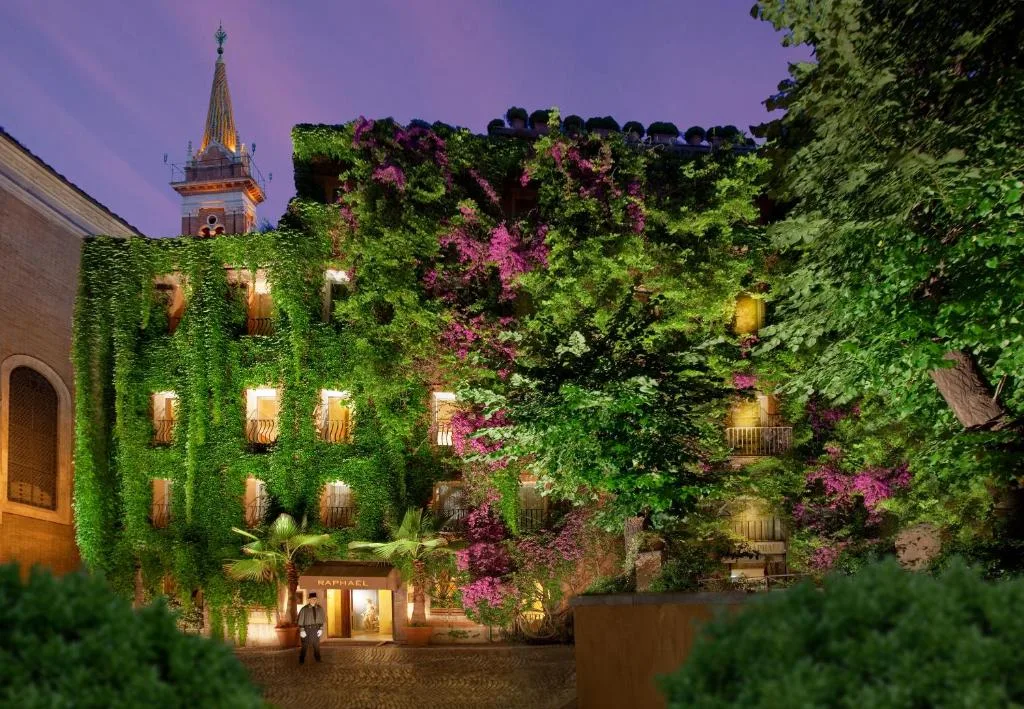
Piazza Navona
- 5-star luxury hotel near Piazza Navona
- Legendary panoramic terrace with views over Roman rooftops
- Contemporary art collection and designer rooms
From €260/night
Check Availability
Trastevere: the bohemian neighbourhood
Ah, Trastevere! Easily one of my favourite neighbourhoods in Rome. If the Centro Storico is the Rome of emperors, Trastevere is the Rome of artists, lovers, and those seeking the soul of the city.
The name says it all: Trastevere literally means ‘beyond the Tiber’. This neighbourhood, historically inhabited by the working classes, has retained its authenticity. Narrow cobbled streets, ochre and terracotta facades, laundry drying in the windows, small squares shaded by centuries-old plane trees…
Piazza Santa Maria in Trastevere is the beating heart of the neighbourhood. In the evening, the steps of the church are transformed into an improvised terrace where locals and travellers mingle over a beer or a spritz. Family-run trattorias serve authentic Roman cuisine, and the atmosphere is just… perfect.
Strengths
Authenticity: it’s still a real neighbourhood inhabited by Romans, not just a backdrop for tourists.
Exceptional atmosphere: especially in the evening, when the squares come alive and the guitars come out.
Excellent restaurants: the best carbonara and cacio e pepe in Rome are here.
Cheaper than the Centro Storico: about 20-30% cheaper for the same standard.
Weaknesses
- On the other side of the Tiber: it’s a 10-15 minute walk to the Pantheon or Piazza Navona.
- Noisy in the evening: especially on Friday and Saturday nights, it can be very lively until late.
- Steep cobbled streets: not ideal if you have large suitcases
- Few underground stations: you’ll have to walk a lot or take the bus/tram
My personal opinion
Trastevere is the neighbourhood that made me fall in love with Rome. The first time I went there, I was just looking for a place to have lunch and get away from the crowds. I ended up in a small, unpretentious trattoria (Da Enzo al 29, not as popular at the time), and I ate the best pasta alla gricia of my life.
Then I wandered through the narrow streets, discovered medieval frescoes on hidden walls, drank a caffè in a bar frequented only by nuns and old Romans… In short, this is where you’ll find the Rome you’re looking for!
My advice: Trastevere is perfect for a second (or third) stay in Rome. Or for those who prefer atmosphere to proximity to monuments.
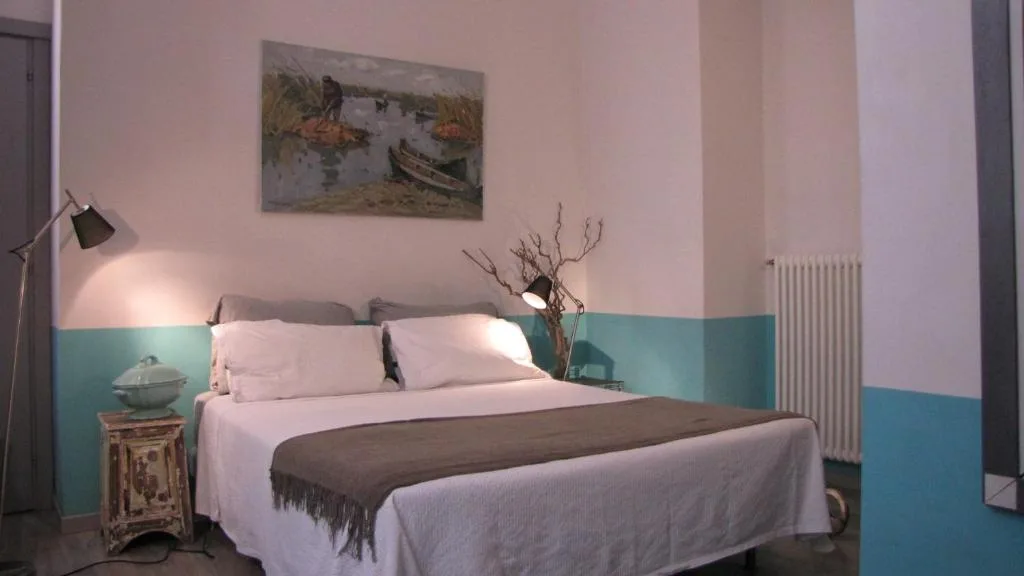
Trastevere
- Colorful tastefully decorated rooms in the heart of Trastevere
- Italian breakfast included served in room
- 5 min walk from Piazza Santa Maria in Trastevere
From €85/night
Check Availability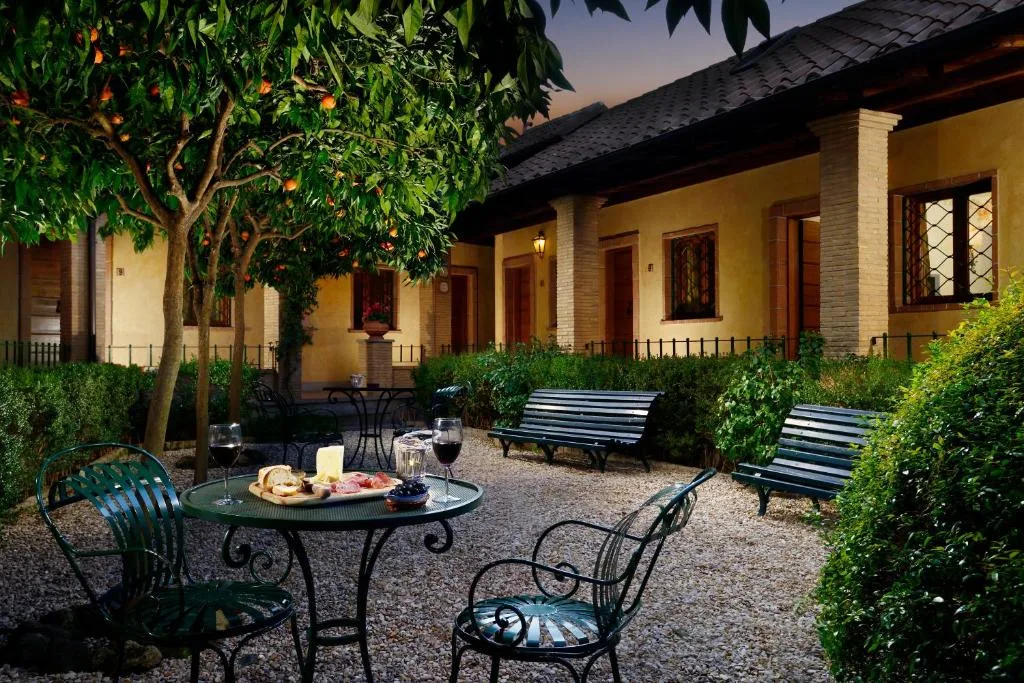
Trastevere
- Charming family hotel with flowered courtyard
- Spacious rooms with private terrace or balcony
- 5 min from Santa Maria in Trastevere Basilica
From €140/night
Check Availability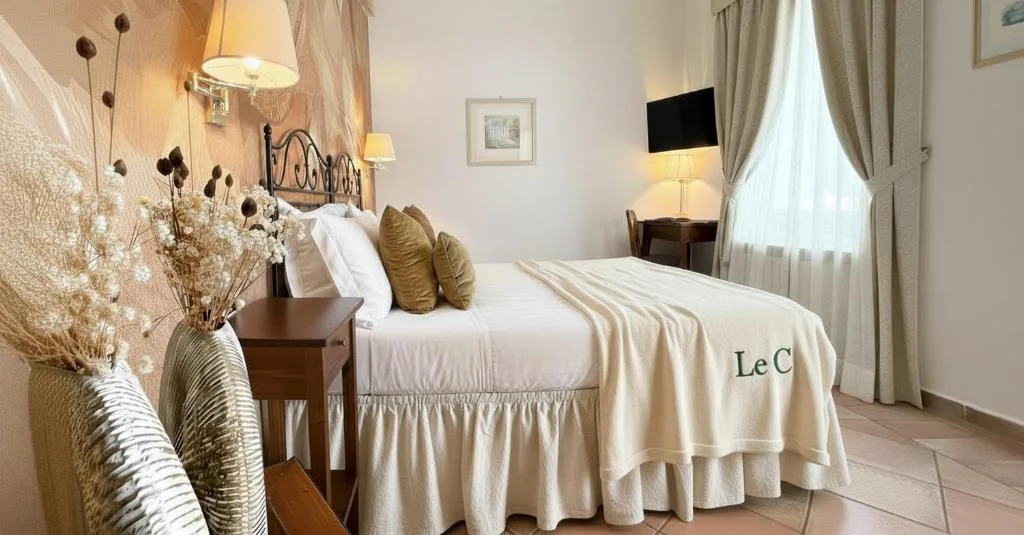
Trastevere
- Former 17th-century convent tastefully renovated
- Private garden and panoramic terrace
- Spa with hammam and massage room
From €160/night
Check Availability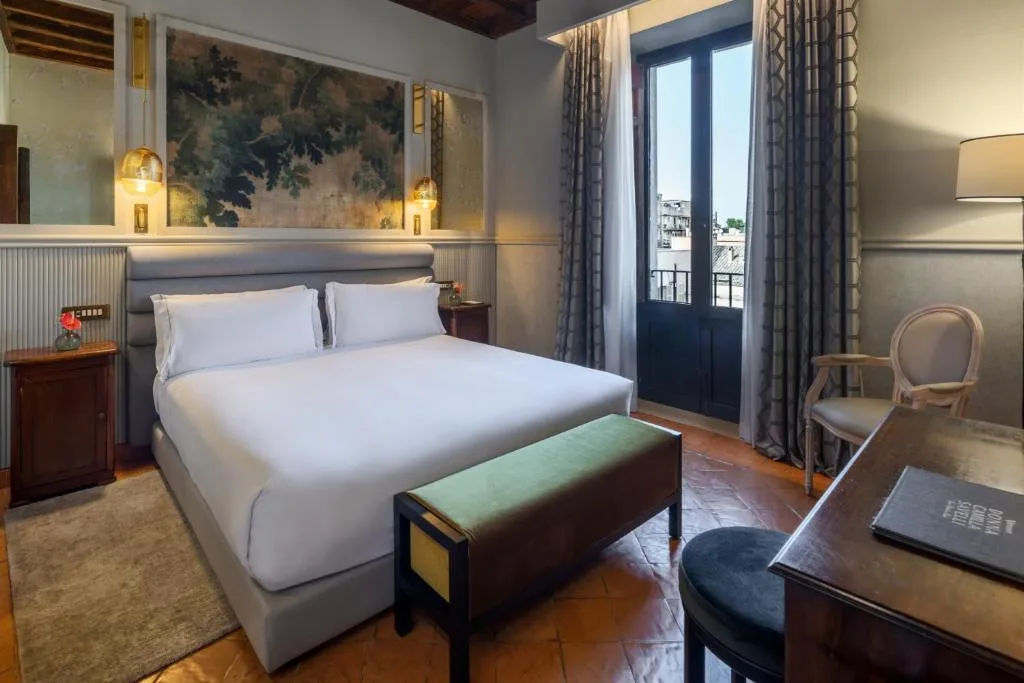
Trastevere
- 17th-century residence with secret garden
- Outdoor pool and Borromini design
- Gourmet restaurant and refined lounge bar
From €180/night
Check AvailabilityMonti: the trendy neighbourhood
Monti is Rome’s Brooklyn. Or Paris’ Marais. In short, it’s THE trendy, creative, yet still authentic neighbourhood. Nestled between the Colosseum and Termini, Monti was historically a working-class neighbourhood. Today, it has become a haven for designers, artists and young Romans who have transformed old shops into concept cafés and cocktail bars. But there are also plenty of small bars offering live music in the evenings.
Via del Boschetto and its adjacent streets are full of vintage clothing shops, artisan workshops, and independent bookshops. The Monti market (weekends only) attracts lovers of design and local creations. And in the evening, Piazza della Madonna dei Monti becomes THE aperitif spot for Roman hipsters.
The big plus of Monti? You’re a 5-minute walk from the Colosseum. Literally. You leave your hotel, take Via Labicana, and BAM, the most famous amphitheatre in the world is right in front of you.
Strengths
- Great location: equidistant from the Colosseum, the Roman Forum, the Quirinale and the Centro Storico.
- Trendy but not pretentious atmosphere: it’s cool without being snobby.
- Excellent culinary scene: innovative restaurants that blend tradition and modernity.
- Neighbourhood life: local shops, markets, bars frequented by Romans.
Weaknesses
- Some streets are steep: this is to be expected, as Monti is built on the Esquiline Hill, one of the seven hills of Rome, so it can be a bit of a climb at times!
- Rising prices: the neighbourhood is becoming more and more expensive as it gentrifies.
My personal opinion
Monti is a favourite neighbourhood for its authenticity, proximity and atmosphere, which is exactly what my wife and I said on our last trip. You have the Colosseum around the corner, but also bars where you’re the only tourist. You can have breakfast in a designer café, lunch in a century-old trattoria, and enjoy an aperitivo in a natural wine bar (with a jazz concert).
The first time I stayed in Monti, I discovered another side of Rome. More contemporary, more lively, less stuck in the past. And yet, when you turn a corner, you come across a 5th-century basilica (Santa Maria Maggiore) or the remains of Trajan’s market.
My advice: Monti is ideal for 25-45 year olds, couples and solo travellers who like to go out. It’s also perfect if you want to be close to the Colosseum without staying in a 100% tourist area. In short, it really suits everyone!
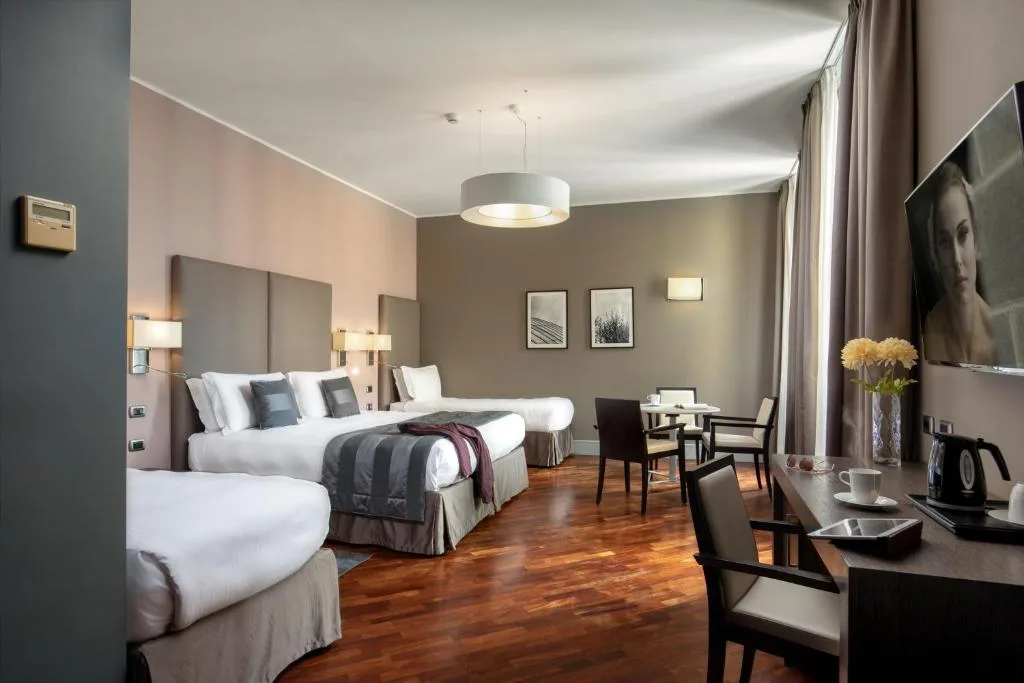
Monti
- 10 minutes walk from the Colosseum, ideal location
- Clean comfortable rooms with air conditioning
- Excellent value for money for the area
From €220/night
Check Availability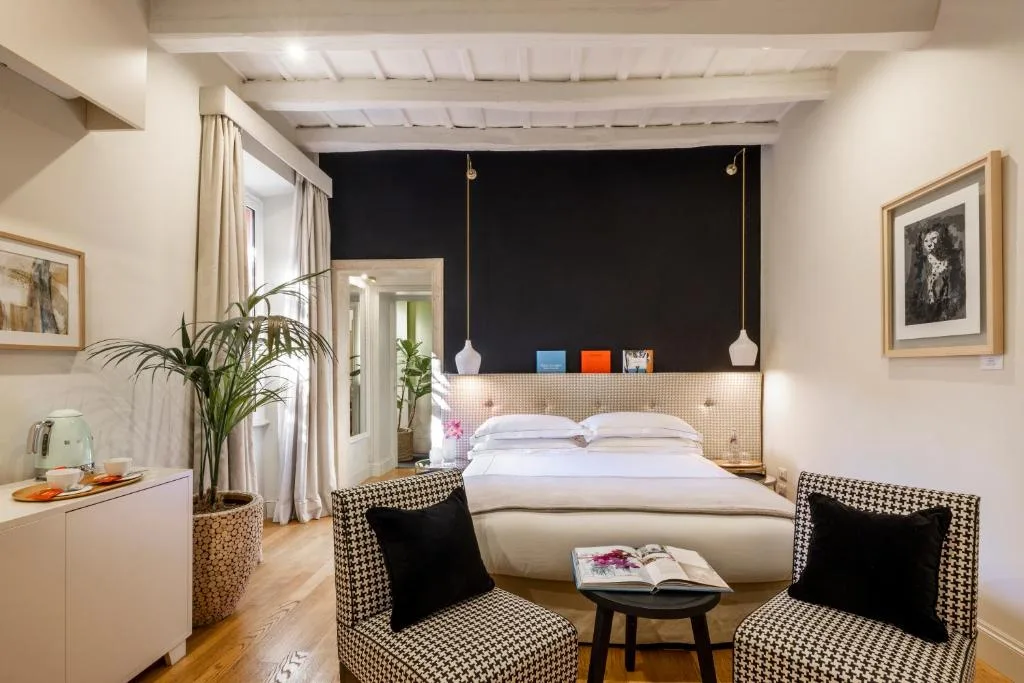
Monti
- Design boutique hotel in the heart of Monti
- Panoramic terrace with views over the Forums
- 5 minutes walk from Colosseum and Roman Forum
From €180/night
Check Availability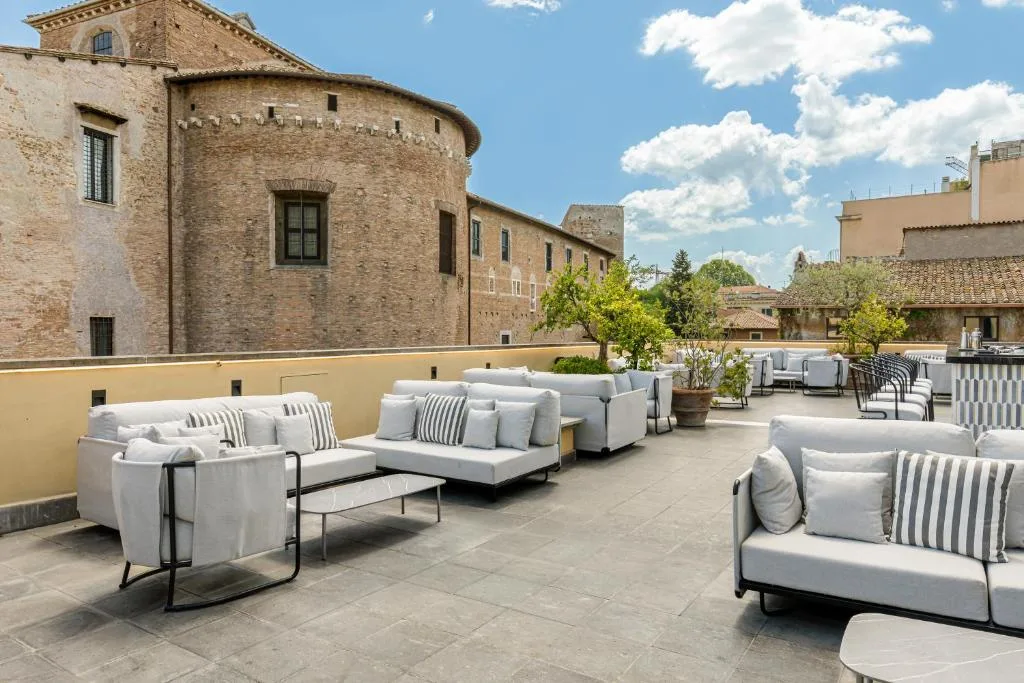
Monti - Colosseum
- Modern 4-star hotel with rooftop terrace
- Colosseum views from some rooms
- Excellent buffet breakfast and impeccable service
From €170/night
Check Availability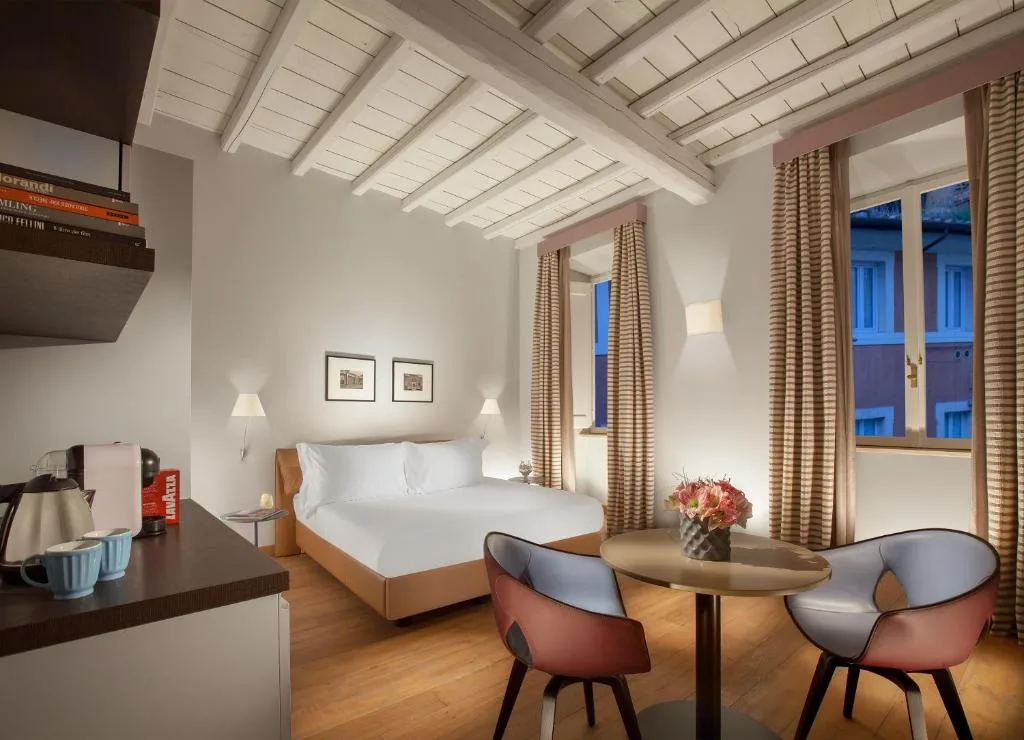
Monti - Forum
- Historic palace transformed into luxury boutique hotel
- Steps from Roman Forum and Via dei Fori Imperiali
- Elegant rooms with period frescoes and designer furniture
From €270/night
Check AvailabilityPrati / Vatican: the chic residential neighbourhood
Prati is bourgeois, elegant Rome. This neighbourhood developed in the late 19th century with wide, straight avenues, opulent Liberty-style buildings (Italian Art Nouveau), and a very ‘un-Roman’ layout: here, the streets are perpendicular, not winding!
The neighbourhood is wedged between the Tiber and the Vatican, making it the perfect base if you want to visit the Vatican Museums and St. Peter’s Basilica. The shopping avenue Via Cola di Rienzo is the chic equivalent of the Champs-Élysées, with its fashion boutiques, renowned pastry shops, and food markets.
But what I like most about Prati is its lively neighbourhood atmosphere. Here, you’ll see Roman families doing their shopping, pensioners chatting in bars, and children on their way to school. This is real Roman life, far from the tourist trappings.
Strengths
- A stone’s throw from the Vatican: ideal if you want to be the first at the Vatican Museums in the morning.
- Local and authentic atmosphere: you live like a Roman, not like a tourist.
- Very well connected: metro line A (Ottaviano and Lepanto stations), numerous buses.
- Excellent value for money: 20-30% cheaper than in the Centro Storico for equivalent comfort.
Weaknesses
- A little far from the historic centre: allow 15-20 minutes by metro/bus to reach Piazza Navona or the Colosseum.
- Less touristy atmosphere: if you’re looking for excitement, this isn’t the place, it’s very family-oriented.
- More expensive restaurants in the evening: many high-end restaurants for wealthy clientele.
My personal opinion
The neighbourhood is also very convenient for families: wide pavements, parks (Villa Borghese is not far away), supermarkets, and a very safe atmosphere. Wealthy Romans live here, which is evident in the cleanliness of the streets and the quality of the shops.
Prati is ideal if you are travelling with your family, if this is your second trip to Rome (you have already seen all the monuments), or if you plan to spend a lot of time in the Vatican. It is also perfect for those on a moderate budget who want a good level of comfort without breaking the bank. And with the underground, you are close to everything!
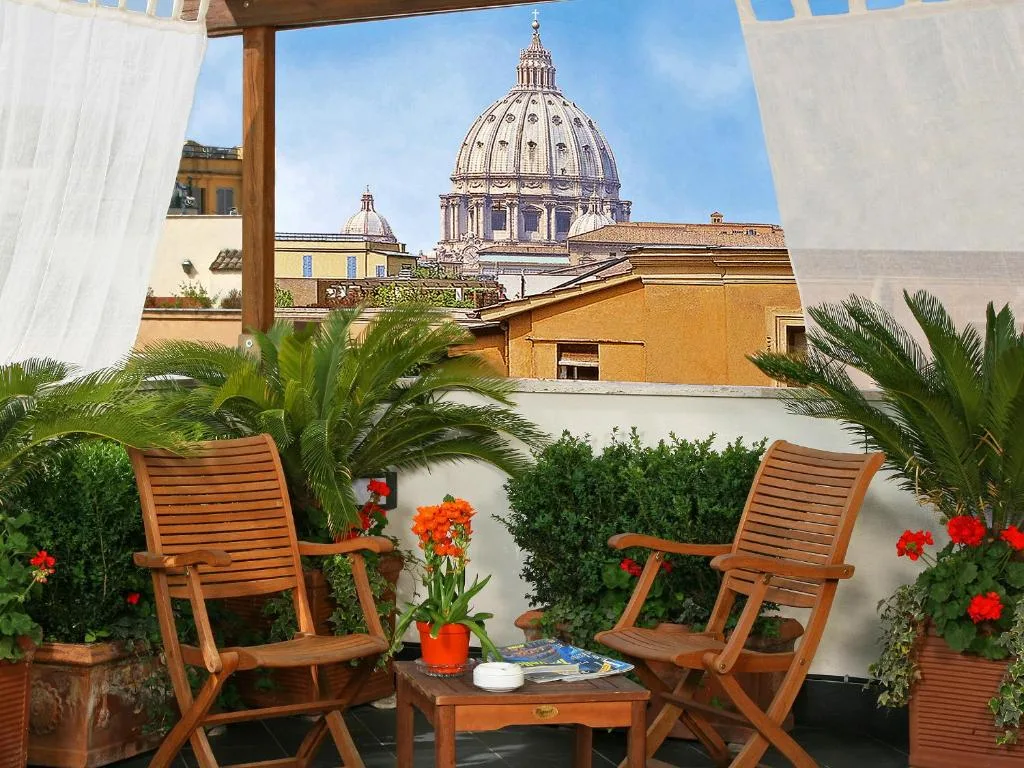
Prati - Castel Sant'Angelo
- Renovated Art Nouveau building with panoramic rooftop garden
- 10 min walk from Vatican and Piazza Navona
- Views of St. Peter's Basilica, private parking available
From €100/night
Check Availability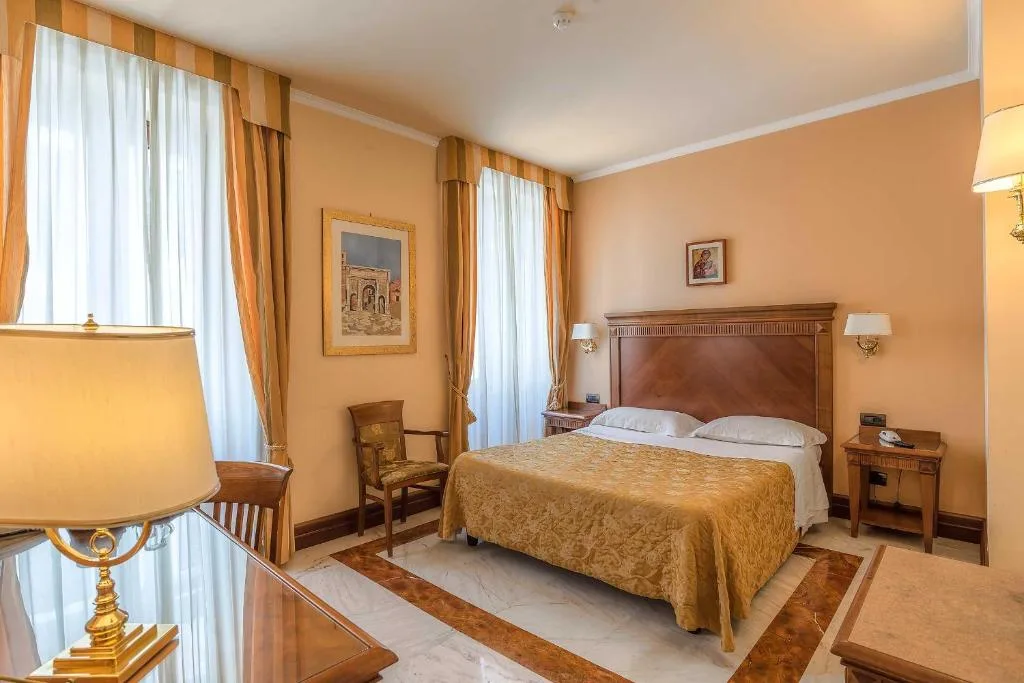
Prati - Vatican
- 5 minutes walk from Vatican Museums
- Panoramic terrace with views of St. Peter's dome
- Generous buffet breakfast and family service
From €100/night
Check Availability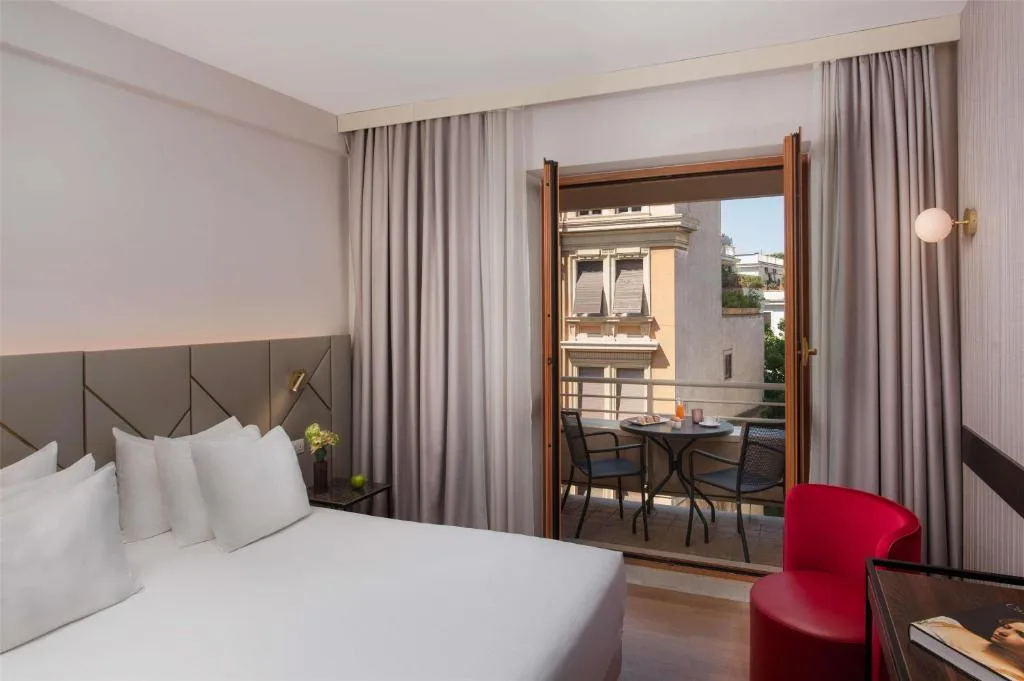
Prati
- 4-star design hotel with spacious modern rooms
- Restaurant with Italian and international cuisine
- 10 minutes walk from St. Peter's and Vatican
From €170/night
Check Availability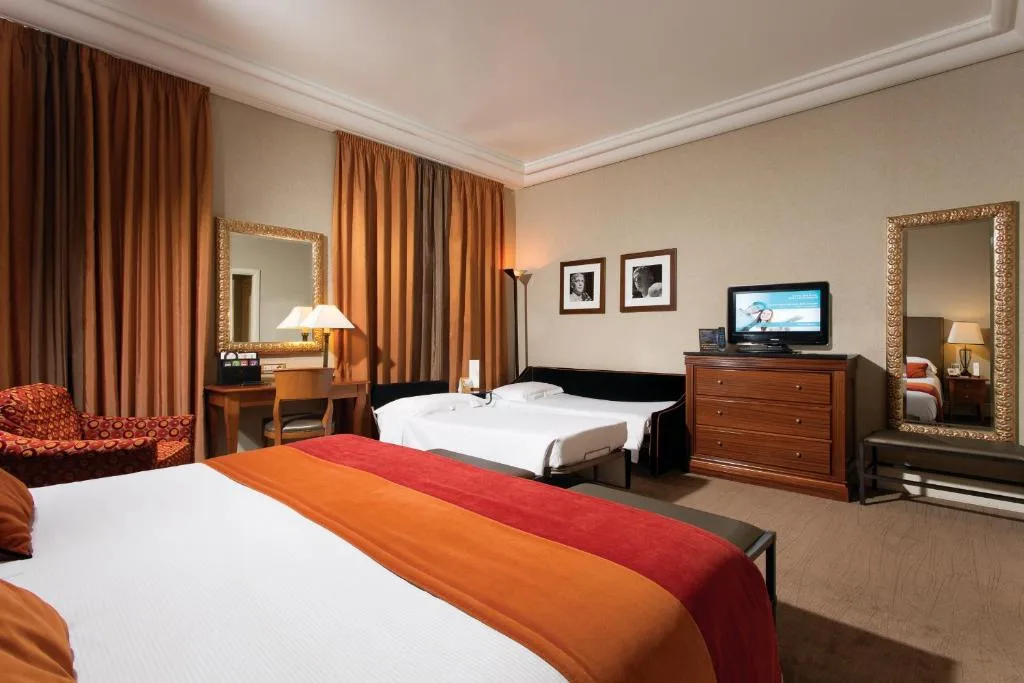
Prati
- Elegant 4-star hotel in 19th-century palace
- Impeccable service and refined rooms
- Elegant bar and rooftop terrace with panoramic views
From €180/night
Check AvailabilityTermini/Esquilino: the convenient neighbourhood
Let’s be honest: Termini has never had a good reputation. It’s THE station district, with all that that entails: lots of foot traffic, pickpockets, street vendors, and a questionable aesthetic.
BUT (and this is a big but), the neighbourhood has improved considerably over the last 10 years. Esquilino, just behind Termini, has become multicultural and lively, with excellent ethnic restaurants (Chinese, Indian, Eritrean), colourful markets, and a real neighbourhood vibe.
And above all, it’s extremely convenient. Termini station is the central hub for all transport: two metro lines (A and B), all regional and national trains, the Leonardo Express to Fiumicino airport, and around a hundred buses. In short, it’s the ultimate in connectivity.
Strengths
- Extremely well connected: metro, trains, buses, airport shuttles… everything leaves from Termini.
- Attractive prices: it’s one of the cheapest neighbourhoods in central Rome.
- Multicultural and lively: cosmopolitan atmosphere, restaurants from all over the world.
- Convenient if you’re arriving/departing by train: drop off your bags and you’re there!
Weaknesses
- Less architectural charm: it’s modern and functional, not romantic.
- Some streets to avoid at night: especially around the station itself, which can be dodgy.
- Lots of pickpockets: be vigilant, especially near Termini.
- Not the ‘ancient Rome’ atmosphere: you’re in a real modern city.
My personal opinion
I’m not going to lie to you, staying near the station does come with a few caveats. Stay well away from the station at night, even though things have improved over the years. And it’s not the most beautiful part of Rome either. But there are advantages. First of all, convenience. Need to get to the Colosseum? Three metro stops, five minutes. The Vatican Museums? Direct line A. The airport? Leonardo Express, 32 minutes flat. And then there are those little restaurants tucked away in Esquilino where you can eat like a king for €15, far from the tourist crowds.
My advice: Termini/Esquilino is perfect if you’re in transit (late arrival/early departure), on a tight budget, or want to get around the city easily without breaking the bank on transport. However, stay away from the station itself: the streets around Santa Maria Maggiore are much nicer. Watch out for pickpockets!
Termini
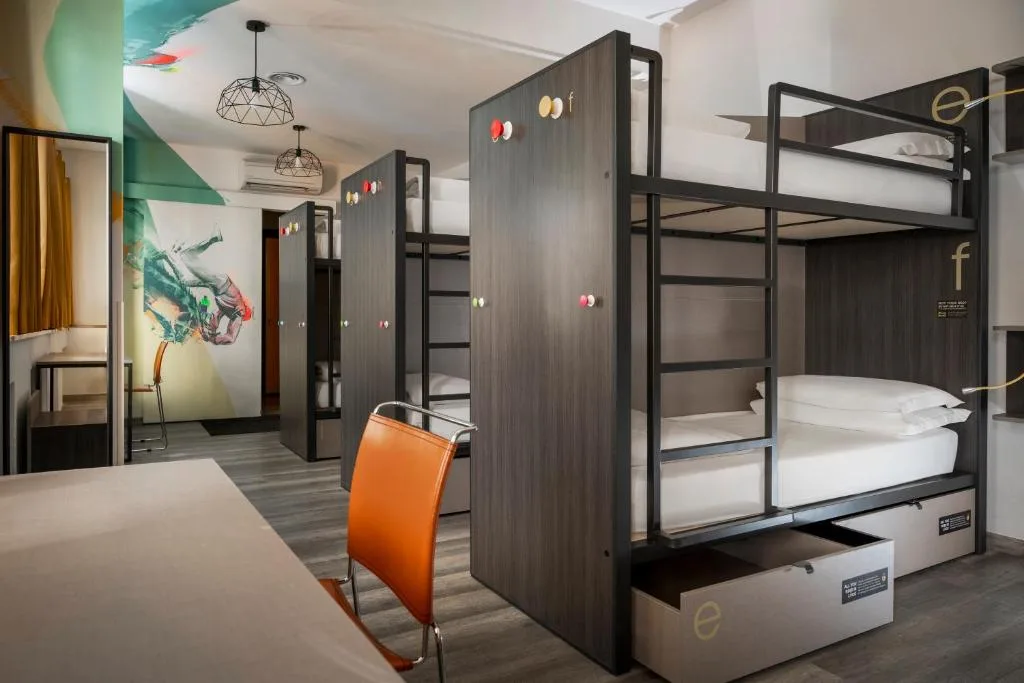
- 5 min from Termini, multicultural Esquilino neighborhood
- Modern hostel with private rooms and dorms
- Shared kitchen, terrace, friendly atmosphere
From €60/night
Check Availability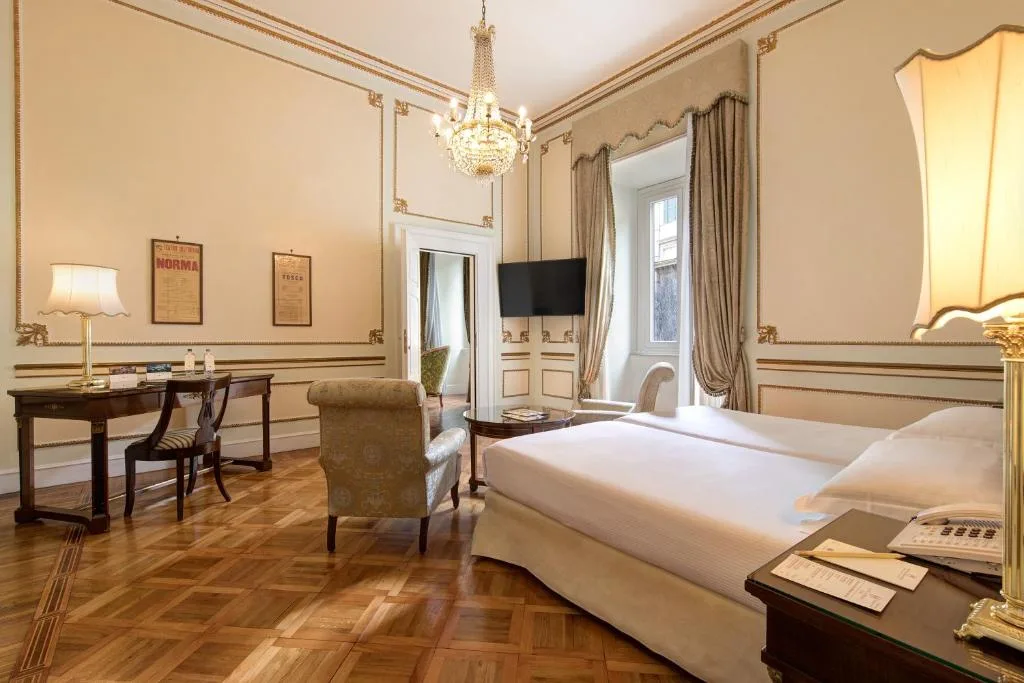
Termini - Teatro dell'Opera
- Historic 4-star hotel near Rome Opera House
- 5 min from Termini, Repubblica metro right outside
- Elegant rooms, restaurant and bar, excellent service
From €160/night
Check Availability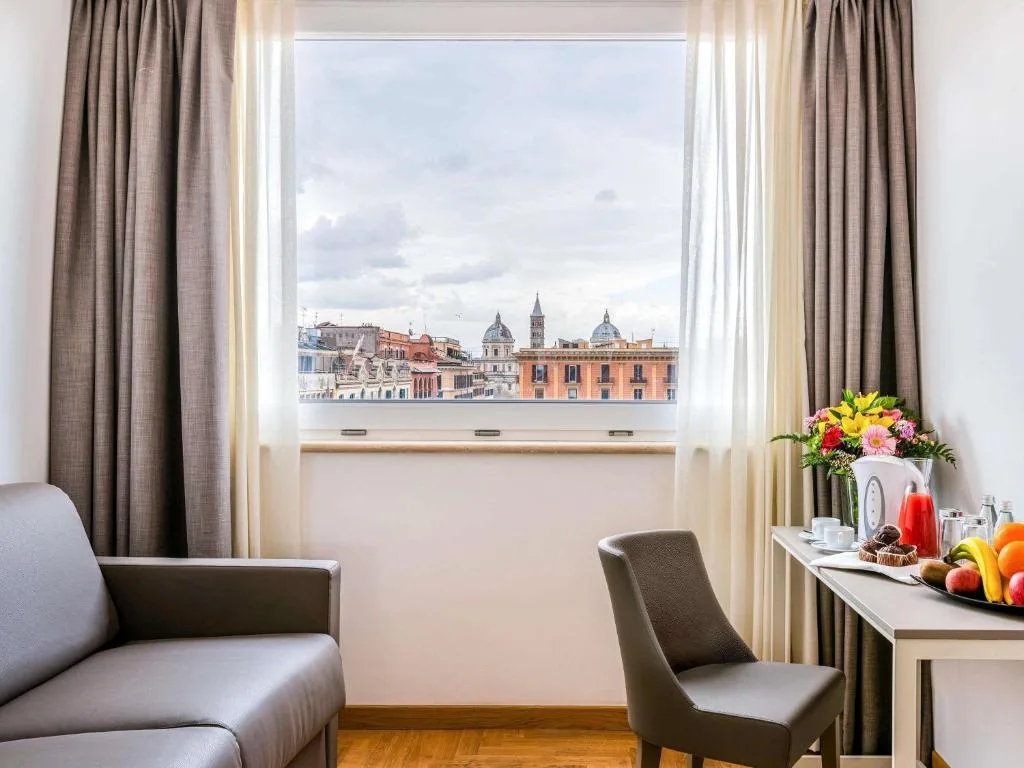
Termini - Station
- 2 min walk from Termini station, ultra convenient
- Modern comfortable rooms, on-site restaurant
- Perfect for train arrivals/departures, good value
From €190/night
Check Availability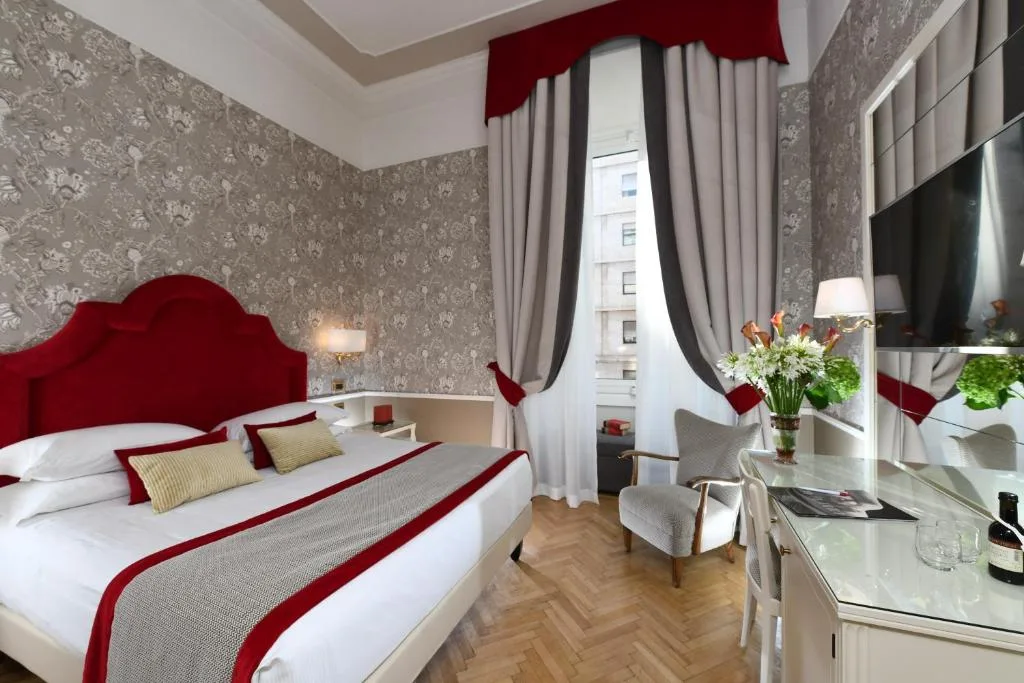
Termini
- Grand Roman classic since 1875, traditional hotel
- Excellent on-site Italian restaurant, elegant bar
- 5 min from Termini, close to Santa Maria Maggiore
From €130/night
Check AvailabilityTestaccio: the foodie neighbourhood
Testaccio was my favourite discovery during my last trip to Rome. It is the old working-class neighbourhood, historically linked to Rome’s slaughterhouses (the Mattatoio). Today, it has become the temple of authentic Roman cuisine.
The Mercato Testaccio (a covered market renovated in 2012) is an institution. In the morning, the stalls overflow with fresh produce: pecorino romano cheese, mortadella from Amatrice, artichokes from Cerveteri… And at lunchtime, the street food stalls serve up authentic Roman cuisine: trippa (tripe), coda alla vaccinara (oxtail), supplì (fried rice balls)…
In the evening, the neighbourhood comes alive around its legendary trattorias. Flavio al Velavevodetto, Da Felice, Perilli: these are names that Romans whisper with respect. Here, there are no menus in 12 languages, no waiters who speak perfect English. Just good food at fair prices in a neighbourhood atmosphere.
Strengths
- Authentic neighbourhood: no tourists, 100% Roman
- Best traditional restaurants in Rome: this is where you can eat real cucina romana
- Very reasonable prices: much cheaper than the centre
- Well served by the underground: line B, Piramide station
Weaknesses
- Out of the way: allow 20-25 minutes by metro from the centre
- Few hotels: accommodation options are limited, mainly B&Bs and apartments
- No major monuments: you come here for the atmosphere, not the tourist sites
My advice: Testaccio is the neighbourhood that brings you back to authentic Rome. It’s perfect if you’re returning to Rome, if you’re a self-confessed foodie, or if you want to escape the tourists. It’s NOT the right choice for a first 3-day stay where you want to tick off all the monuments. But for a more relaxed, more ‘local’ stay, it’s a gem.
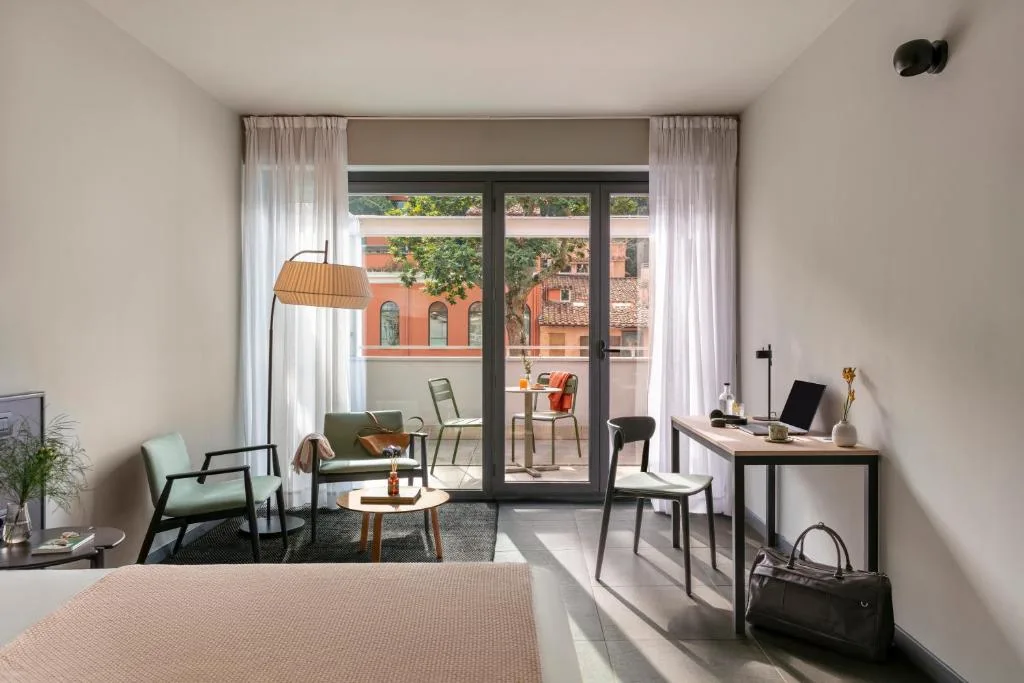
Testaccio - Local market
- Modern hotel from Sonder by Marriott Bonvoy chain
- Right next to Testaccio market, foodie neighborhood
- Spacious renovated rooms, 24/7 free coffee
From €70/night
Check Availability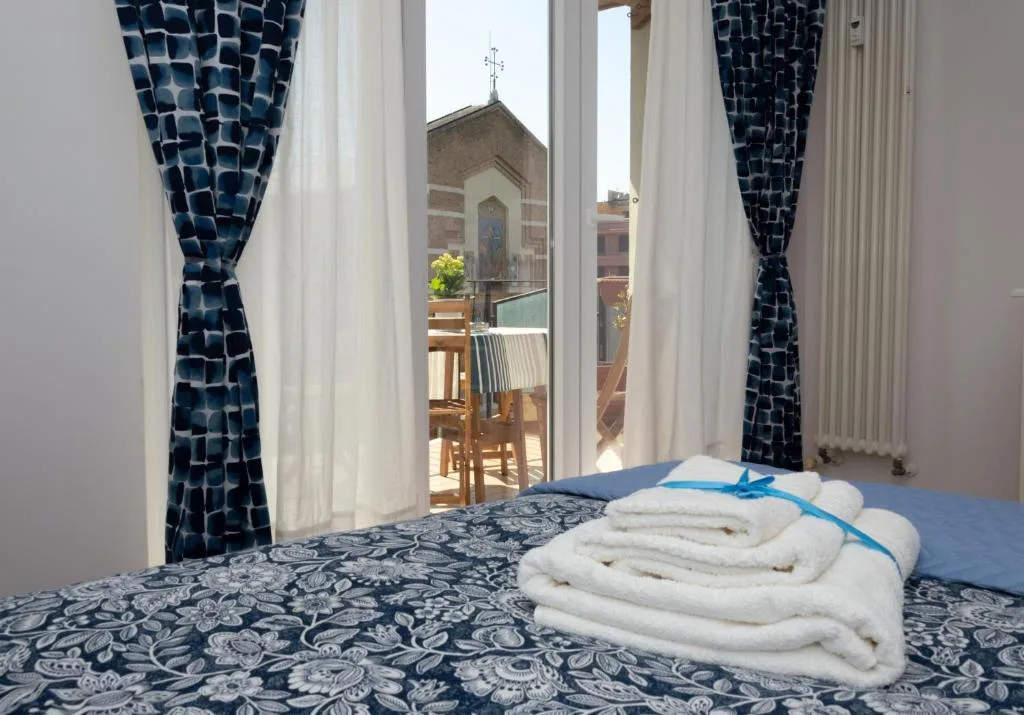
Testaccio - Modern design
- Recently renovated B&B with spa, hot tub and bar
- Italian à la carte breakfast at café next door
- Balcony with city views, close to Trastevere station
From €85/night
Check Availability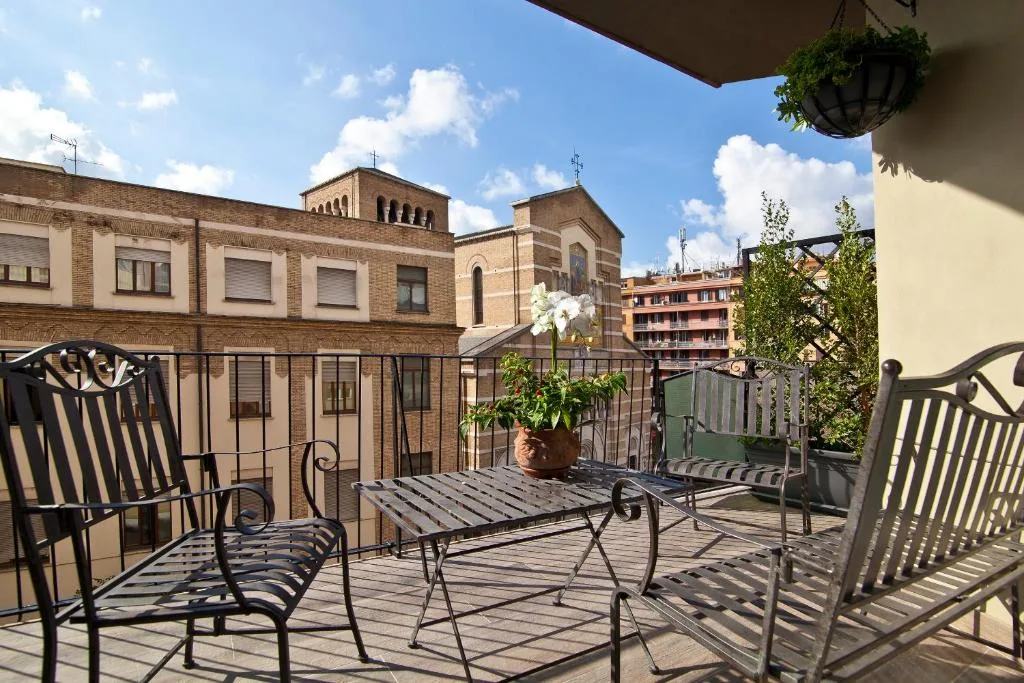
Testaccio - Aventino
- Elegant suites with kitchenette and refined design
- Quiet location between Testaccio and Aventine Hill
- Close to Pyramid of Cestius and Piramide metro
From €100/night
Check Availability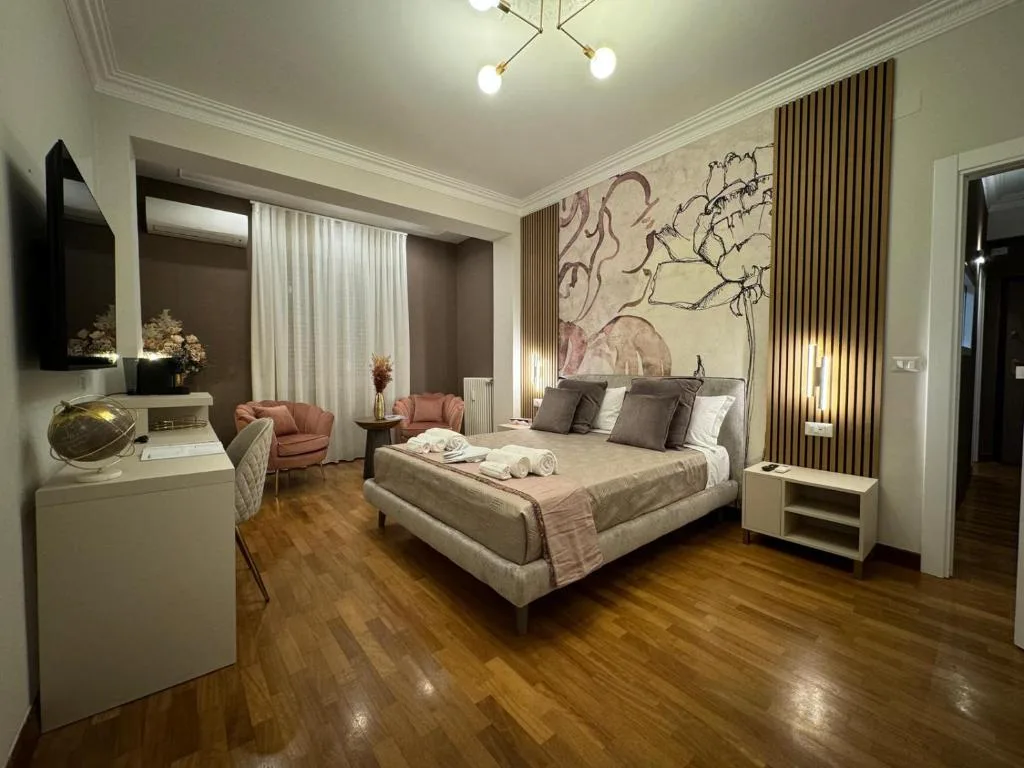
Testaccio - Elegant design
- Modern suites with contemporary design and high-end amenities
- Authentic Testaccio neighborhood, close to local restaurants
- 18 min walk from Great Synagogue of Rome
From €80/night
Check AvailabilityAventino : the romantic area
The Aventine Hill is Rome’s romantic hill. One of the seven historic hills, but certainly the most peaceful, the greenest, and the most… secret.
There are no crowds here. The streets are lined with villas hidden behind high walls, fragrant orange groves, and silent medieval churches. The Giardino degli Aranci (Orange Garden) offers one of the most beautiful views of Rome: at sunset, St. Peter’s dome stands out against a pink sky, with the rooftops of Rome at your feet.
And then there is the famous magic keyhole (il buco della serratura). On Piazza dei Cavalieri di Malta, the door of the Priory of Malta hides a secret: looking through the keyhole, you have a perfectly framed view of St. Peter’s dome through an avenue of cypress trees. It’s kitsch, it’s touristy, but damn, it’s magical!
Strengths
- As romantic as you could wish for: ideal for couples and honeymoons.
- Absolute calm: you sleep in a chic and quiet residential neighbourhood.
- Exceptional views: sunsets from the Giardino degli Aranci.
- Reasonable prices: cheaper than the centro storico for equivalent standards.
Weaknesses
- Out of the way and high up: you have to like walking (or take the bus)
- Few hotels: mainly B&Bs and a few boutique hotels
- No nightlife: after 10 p.m., it’s deserted
- Far from the underground: the nearest station is Piramide or Circo Massimo
My advice: The Aventine is ideal for romantics, honeymooners, or those seeking absolute tranquillity. It is NOT convenient if you want to be in the heart of the action or if you have difficulty walking. But for a rejuvenating stay with memorable sunsets, it’s perfect.
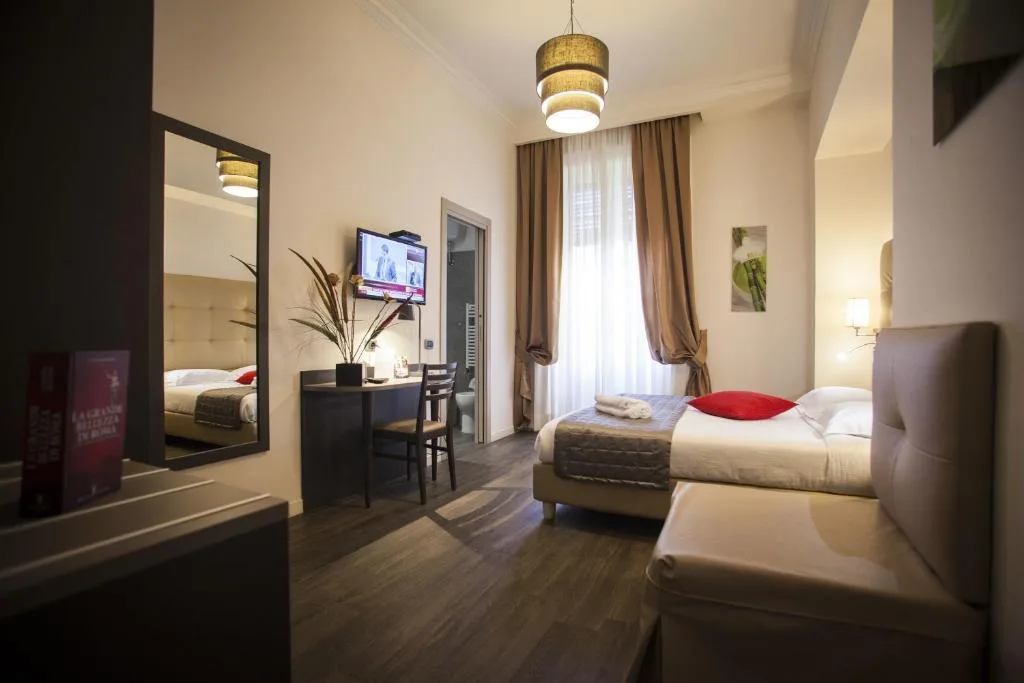
Aventino - Orange Garden
- Exceptional rating for location, quiet green neighborhood
- Private garden with furnished patio, peaceful atmosphere
- 15 min walk from Colosseum and Circus Maximus
From €110/night
Check Availability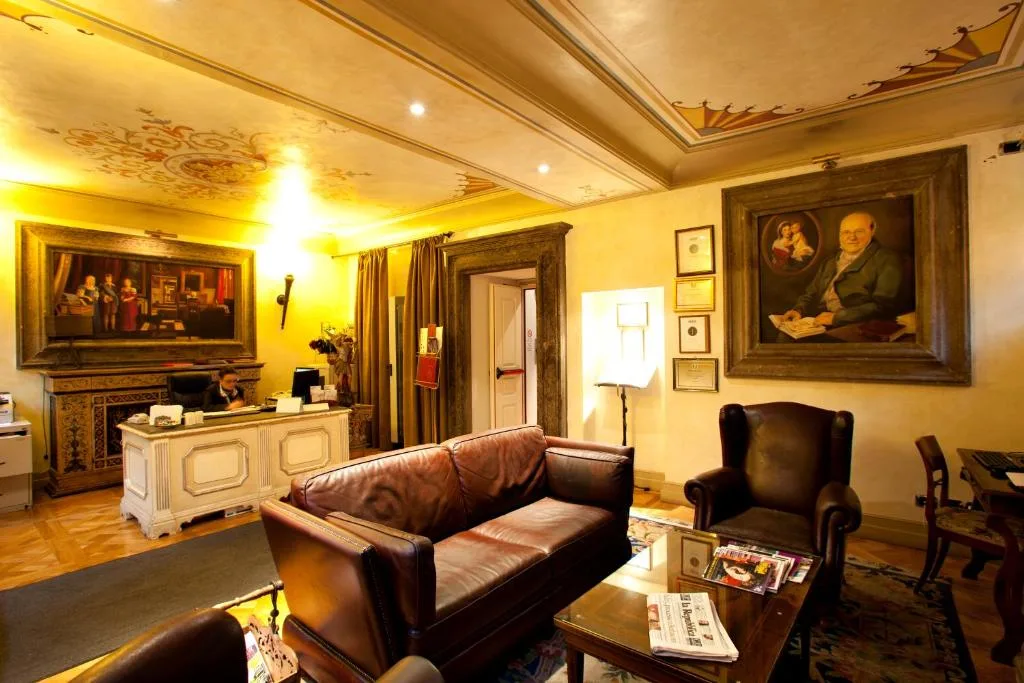
Aventino - Historic hill
- 19th-century villa with flowered garden and terrace breakfast
- Quiet residential neighborhood on Aventine Hill
- Luxurious parquet, elegant fabrics, private parking available
From €140/night
Check Availability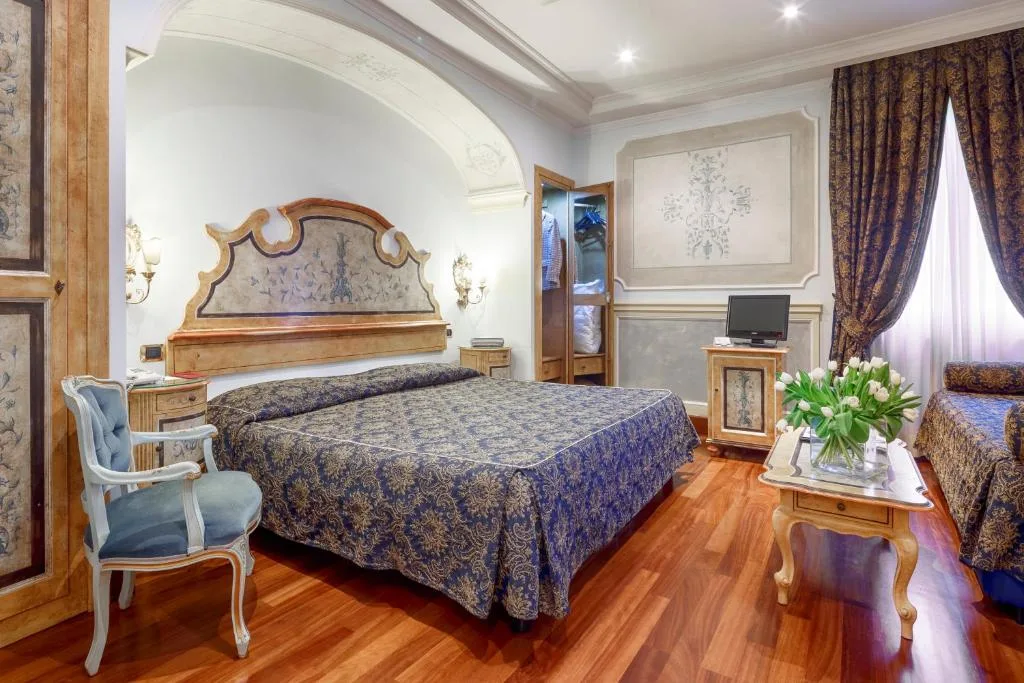
Aventino - Aristocratic villa
- 19th-century villa with period charm and modern comfort
- Italian restaurant, romantic garden for breakfast
- 5 min from Malta Keyhole, stunning views
From €150/night
Check Availability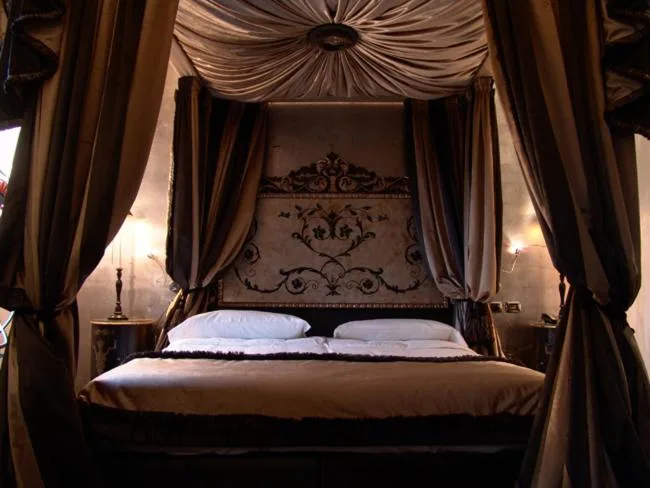
Aventino - Romantic garden
- 19th-century villa with secret garden where breakfast is served
- Private house atmosphere, refined decoration
- Chic residential area, close to Orange Garden and rose garden
From €110/night
Check Availability4 convenient flats to stay in Rome
Apartments are often an excellent alternative to hotels in Rome, especially if you are staying for more than 3-4 days or travelling with your family. You have a kitchen (handy for breakfasts and saving money on restaurants), more space, and often better value for money.
In Rome, there is a huge range of flats available. Here is my selection of four flats that I find particularly interesting for different types of travellers.
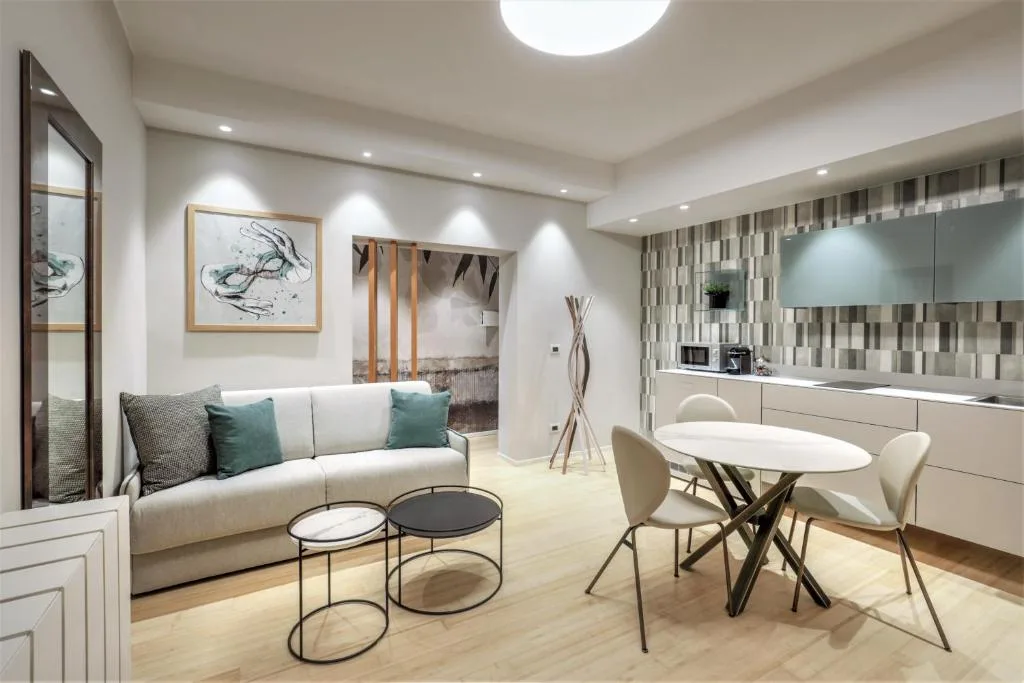
Centro Storico - Piazza Navona
- Luxurious designer suites in Rome's historic heart
- Equipped kitchenette, modern elegant decoration
- 2 minutes from Piazza Navona, exceptional location
From €120/night
Check Availability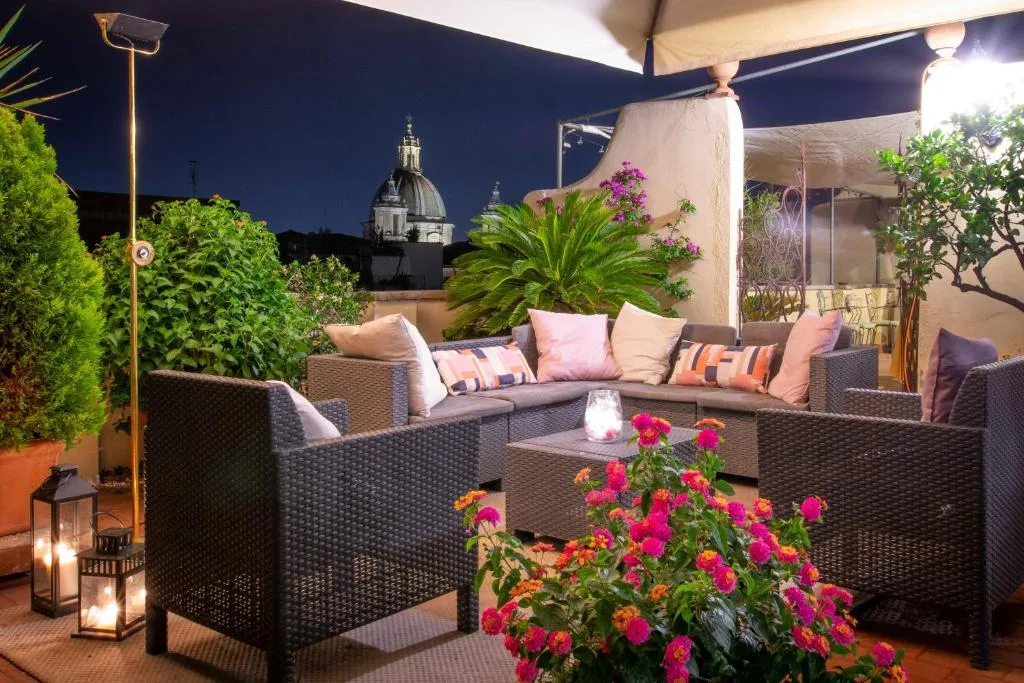
Centro Storico - Pantheon
- Spacious apartments near Pantheon, historic architecture
- Full kitchen, washing machine, perfect for long stays
- Authentic neighborhood with cafés and traditional restaurants
From €160/night
Check Availability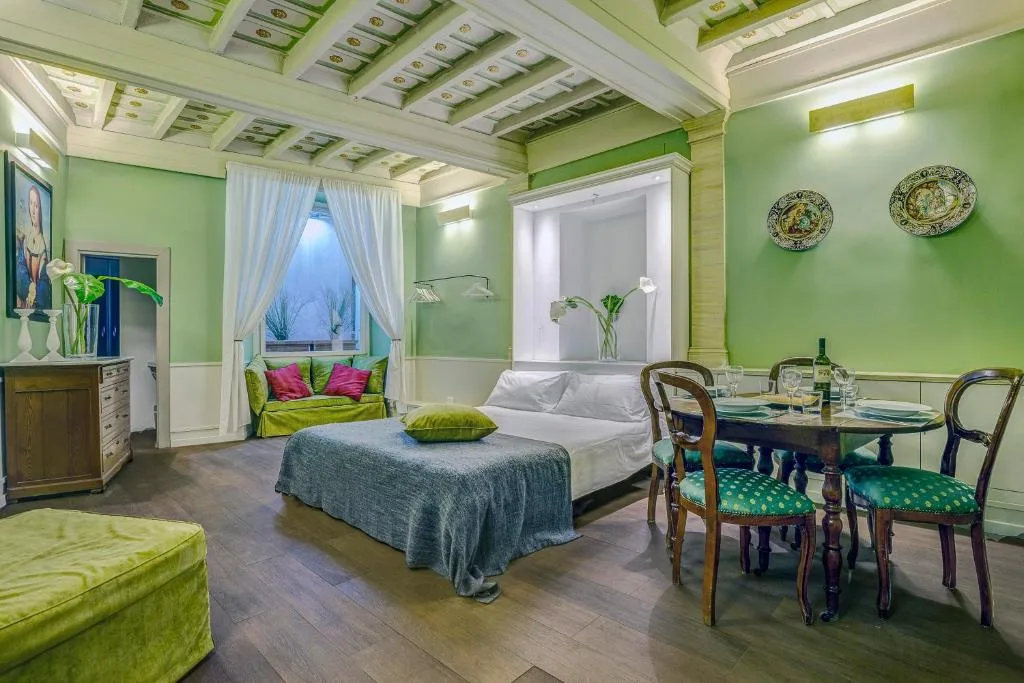
Spagna - Piazza del Popolo
- Elegant charming suites near Piazza del Popolo
- Refined decoration, kitchenette, spacious rooms
- Chic neighborhood, Via del Corso shopping 2 minutes away
From €200/night
Check Availability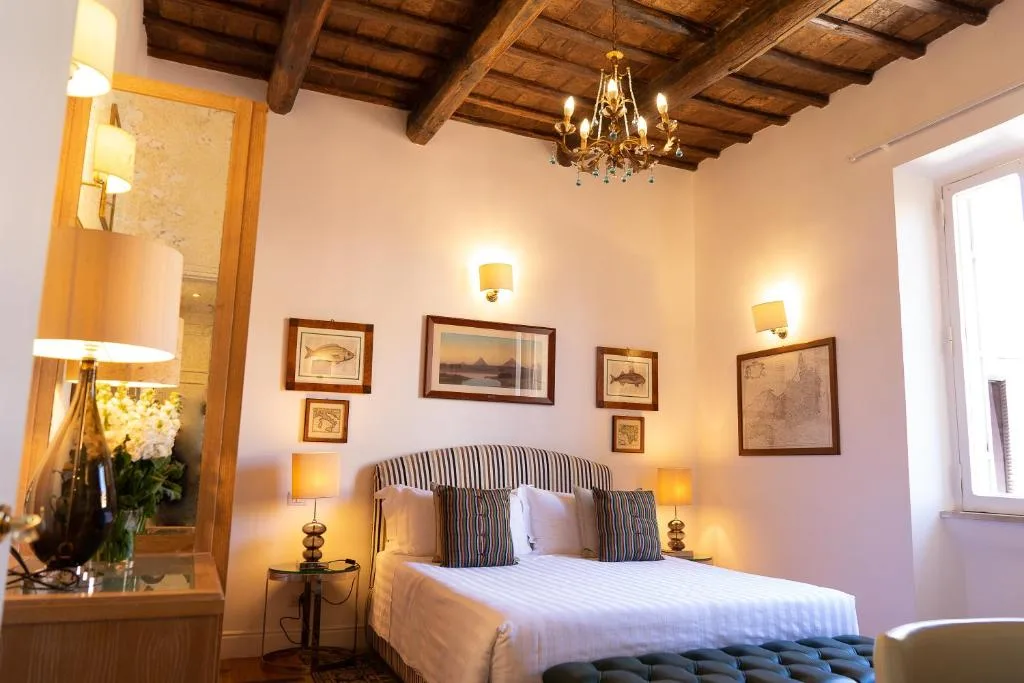
Spagna - Via del Babuino
- Outstanding 9.5/10 rating, luxurious designer apartments
- Via del Babuino, between Spanish Steps and Piazza del Popolo
- Equipped kitchen, high-end contemporary decoration
From €220/night
Check Availability4 budget hotels and hostels in Rome
Oslo est réputée chère, mais il existe des options abordables sans sacrifier la qualité. Ces hôtels et auberges offrent un excellent rapport qualité-prix, souvent avec un design scandinave soigné.
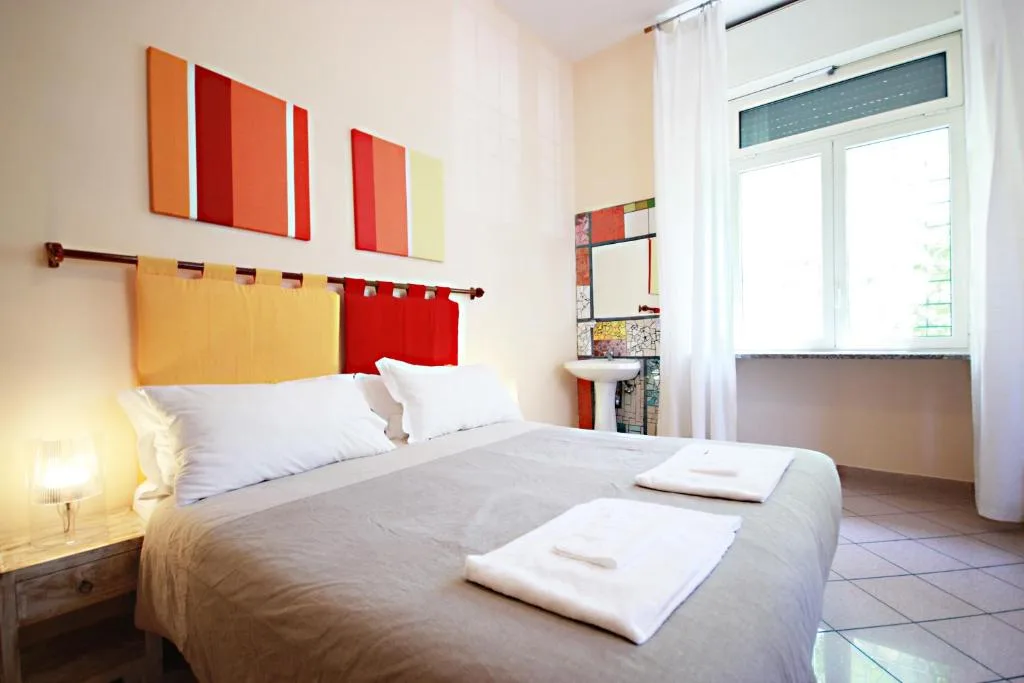
Termini - Esquilino
- Legendary hostel run by an adorable American couple
- Dorms and private rooms, inner garden, organic café
- 5 min from Termini, friendly and artistic atmosphere
From €30/bed
Check Availability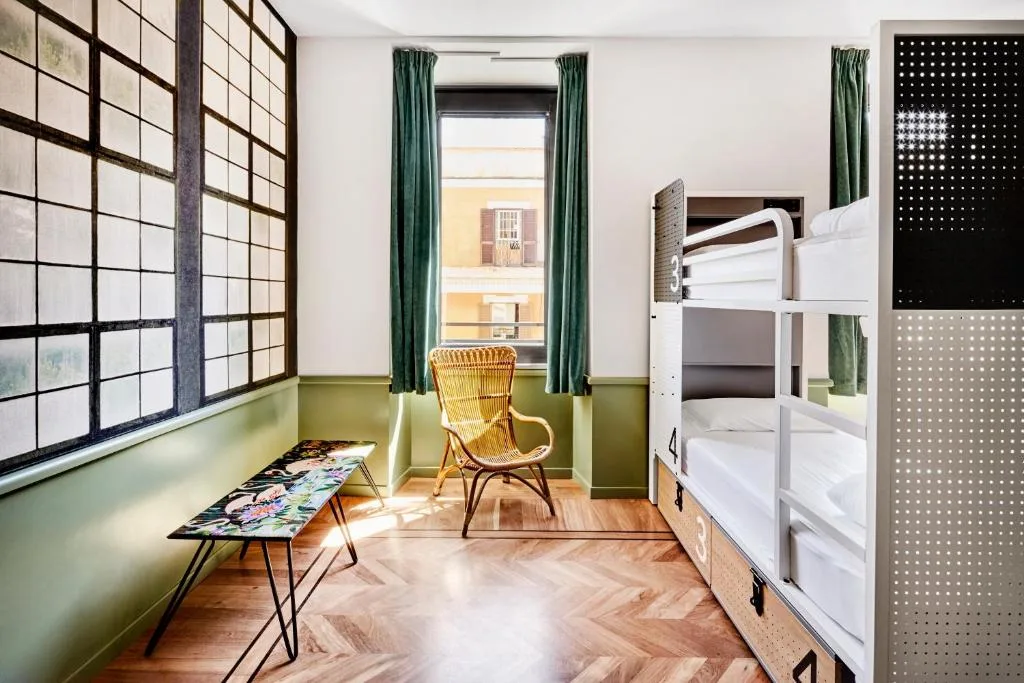
Termini
- Trendy design hostel with lively bar and rooftop terrace
- Modern dorms and private rooms, secure lockers
- Regular social events, perfect for meeting people
From €25/bed
Check Availability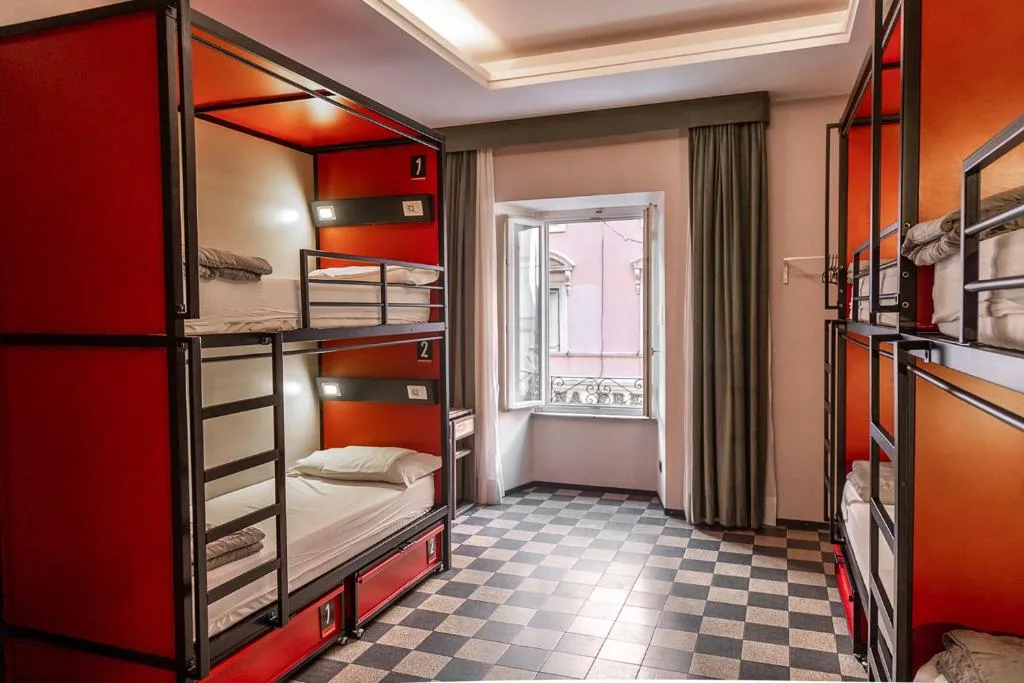
Termini
- Party hostel with very popular rooftop bar
- 4-8 bed dorms and private rooms, shared kitchen
- Young festive atmosphere, daily organized tours
From €22/bed in dorm
Check Availability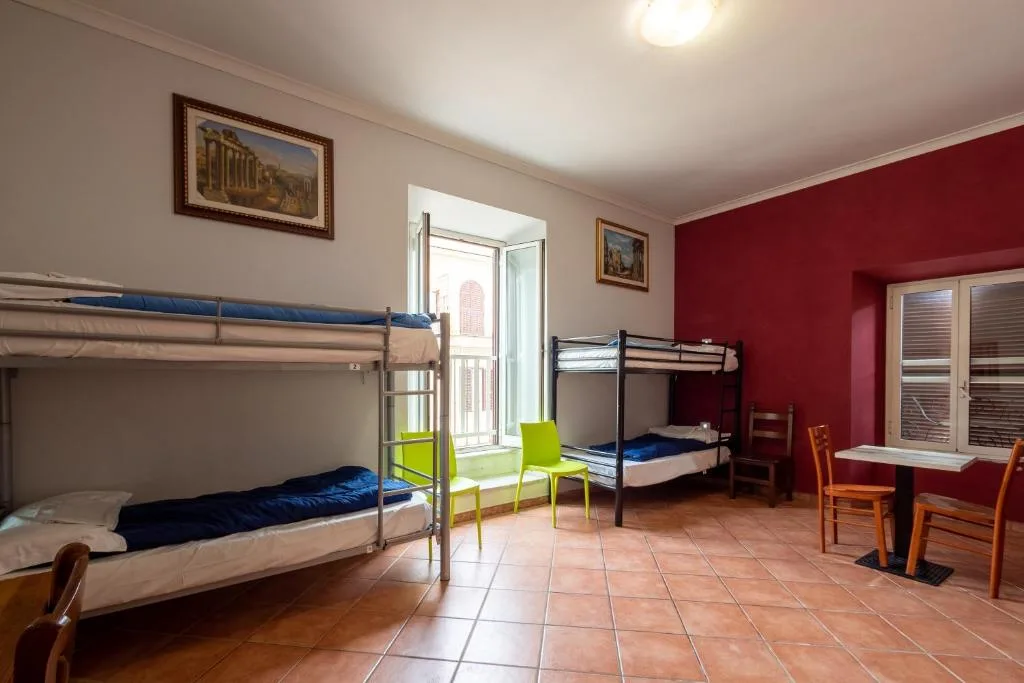
Termini
- Large hostel with popular Italian bar and terrace
- Clean dorms, private rooms available, lockers
- 2 min from Termini, breakfast included, free WiFi
From €28/bed in dorm
Check AvailabilityFAQ where to stay in Rome
1. Prioritise location over luxury
In Rome, it’s better to choose a well-located 3-star hotel than a 5-star hotel on the outskirts. You’ll spend your days out exploring, not locked up in your room (no matter how beautiful it is). Save money on the hotel’s standard and invest in the location.
2. Book early for the best prices
Rome is a popular destination all year round (even in winter!). The best hotels are fully booked months in advance, and prices skyrocket for last-minute bookings. Ideally, book 3-4 months before your stay.
3. Beware of fake reviews
Unfortunately, there are many fake reviews (both positive and negative) on Booking and TripAdvisor. My tip: I mainly read the average reviews (3/5 or 4/5), which are generally more honest, and I look at the photos posted by travellers, not those provided by the hotel.
4. Check access to the underground OR walking distance to attractions
Rome is definitely a city to visit on foot. But having a metro station nearby is still very convenient for:
- Travelling to/from the airport
- Coming back late at night without breaking the bank on taxis
- Quickly reaching a neighbourhood on the outskirts
If you don’t have a metro station nearby, make sure that the main sites are within walking distance (max 20-25 mins).
5. Ask for a room overlooking the courtyard
Rome is noisy. Scooters, horns, delivery drivers at 6 a.m., partygoers at 3 a.m… If you’re a light sleeper, specifically ask for a room overlooking the courtyard (cortile) rather than the street. It makes all the difference.
6. Beware of fake ‘centro storico’ addresses
Many hotels claim to be ‘in the heart of the historic centre’ when they are actually a 30-minute walk from the Pantheon. Always check the exact location on Google Maps before booking. The walking distance to major sites does not lie.
7. In summer, air conditioning is ESSENTIAL
From June to September, Rome is a furnace (easily reaching 35-40°C). A hotel without proper air conditioning is hell. Check reviews to make sure the air conditioning works well, and don’t hesitate to ask for a recently renovated room (old air conditioning systems are often inefficient).

In conclusion
There you have it! I hope this guide will help you choose where to stay in Rome based on your preferences, budget, and the type of experience you are looking for!
To summarise my recommendations:
- First visit + comfortable budget → Centro Storico (magic guaranteed but high prices)
- First visit + average budget → Monti (good location, friendly atmosphere, reasonable prices)
- Authentic and romantic stay → Trastevere (charming but noisy in the evening)
- Families or quiet stay → Prati (residential, near the Vatican, good value for money)
- Self-confessed foodie → Testaccio (best restaurants, no tourists)
- Tight budget → Termini/Esquilino (convenient and cheap)
- Honeymoon → Aventino (romantic, quiet, magnificent views)
- Young travellers → San Lorenzo (alternative, festive, cheap)
Rome will never cease to surprise you, whichever neighbourhood you choose. The main thing is to settle in and let yourself be carried away by the Roman dolce vita.
And don’t forget, don’t try to see EVERYTHING too quickly! You can always come back to Rome, and not just once. Once you’ve visited the tourist sites, you can get to know the city better and discover more of it each time you return.
Other resources on Rome
I have written a few other articles about Rome, and more content will be added in the coming weeks:
- Discover Rome in a weekend – in this very long article, I tell you what you need to see in Rome, the most beautiful places, things to do and how to make the most of the city!
- How to get to Rome from Fiumicino Airport – by express train, bus or taxi, I’ll tell you all the options and pitfalls to avoid.