Last updated on
Why explore Iceland by driving the Ring Road?
It’s pretty simple. It’s the only road in the country that stays open (more or less) all year round 😀 And since Iceland is an island with very few roads, the options are naturally rather limited. But don’t worry, this Ring Road passes through all the main spots in the country, and exploring the island along this route really shows you the very best it has to offer, apart from the interior, which is only accessible 2-3 months a year.
Driving the Icelandic ring road (also known as the Ring Road) means discovering the country without any hassle. With this list, you can visit the sites one by one, in order. Stop for the night, start again the next day. If you have a bit of time, it’s the easiest way to dive into this incredible country.
I’ll introduce you to the amazing places along the road, but I’ll start this article with a suggested 10-day itinerary. Let’s go!


A suggested 10-day itinerary along the Ring Road
This is a first suggestion for seeing the most beautiful places along the Ring Road. It’s obviously fully adaptable; I’ve tried to keep it from being too packed so you have time to fit in 2-3 activities. The full details will be in the article on the different Iceland itineraries. Let’s take a look.
- DAY 1: Arrival + visiting Reykjavik
- Today’s drive: arrival at Keflavik Airport, then ≈ 50 km · 45 min to Reykjavik
- Plan:
- pick up your rental car (careful, it can get really expensive, especially in high season if you book late, and much cheaper in low season)
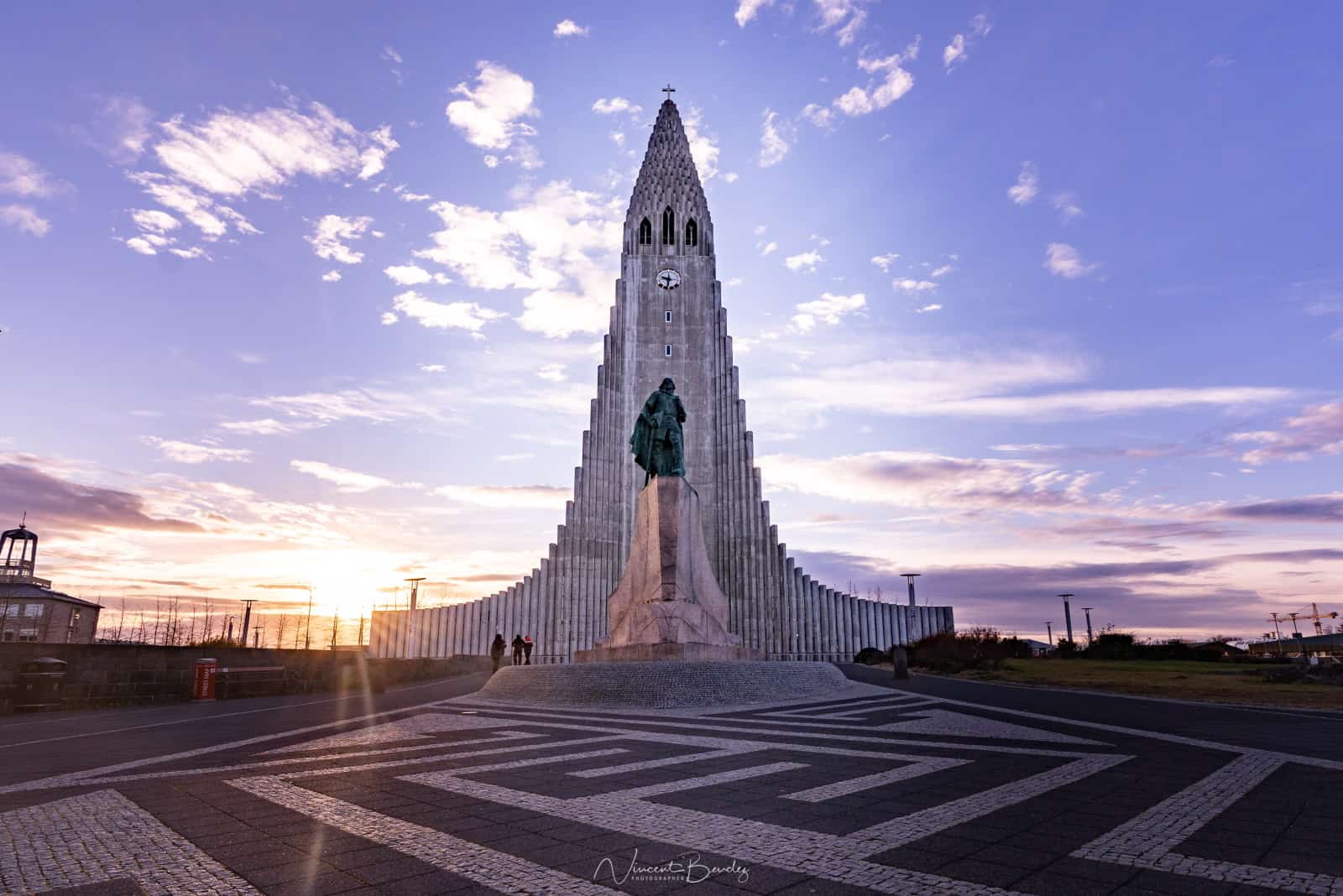
- explore central Reykjavik, the pretty streets around Hallgrimskirkja church
- Night:
- at the Grandi by Center Hotels, excellent value (without blowing the budget), very close to the centre

- DAY 2: The Golden Circle
- Today’s drive: ≈ 230 km · 3h of driving (Golden Circle loop to Selfoss)
- Plan:
- Þingvellir Park, the Geysir geysers, Gullfoss waterfall
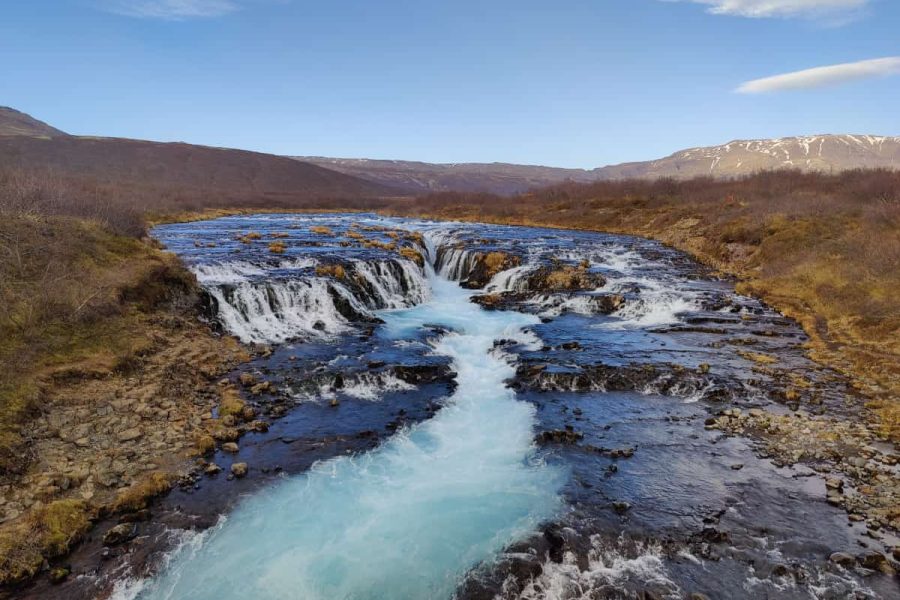
- If you have time, you can add the Kerið crater and the Bruarfoss walk (depending on the season)
- Night:
- At Hotel Selfoss, by the river with a spa, ideal between the Golden Circle and the south coast


- DAY 3: Waterfalls, Sólheimajökull glacier, Dyrhólaey & Vík
- Today’s drive: ≈ 190 km · 2h30 of driving (Selfoss → Vík, with the south-coast stops)
- Plan:
- the Seljalandsfoss, Gljúfrabúi and Skógafoss waterfalls
- Sólheimajökull glacier: walk up to it or a guided glacier hike
- Dyrhólaey (and its puffins in summer), Reynisfjara beach & Vík
- Night:
- At Hótel Kría in Vík, modern, with mountain views

- DAY 4: Canyons, glacier hike & glacier lagoon
- Today’s drive: ≈ 270 km · 3h30 of driving (Vík → Höfn)
- Plan:
- Fjaðrárgljúfur canyon (quick stop)
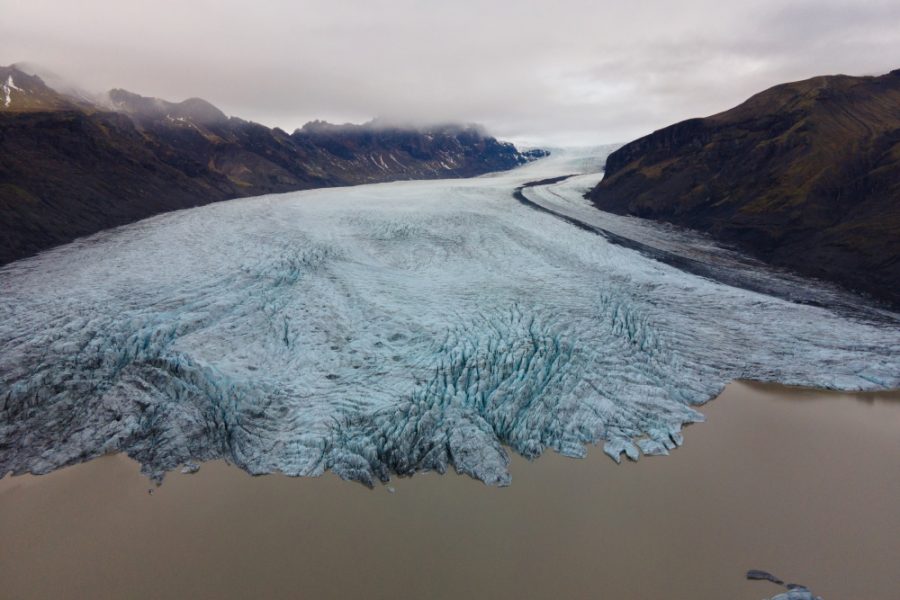
- Skaftafell Park: visiting the Skaftafelljokull and Svinafellsjökull glaciers
- Possible activity: Glacier hike + ice cave at Skaftafell
- Jökulsárlón + Diamond Beach
- Night:
- At Hótel Höfn, with a view of Vatnajökull and a restaurant serving local langoustines

- DAY 5: East Fjords & Stuðlagil
- Today’s drive: ≈ 280 km · 4h of driving (Höfn → Egilsstaðir, via Stuðlagil)
- Plan:
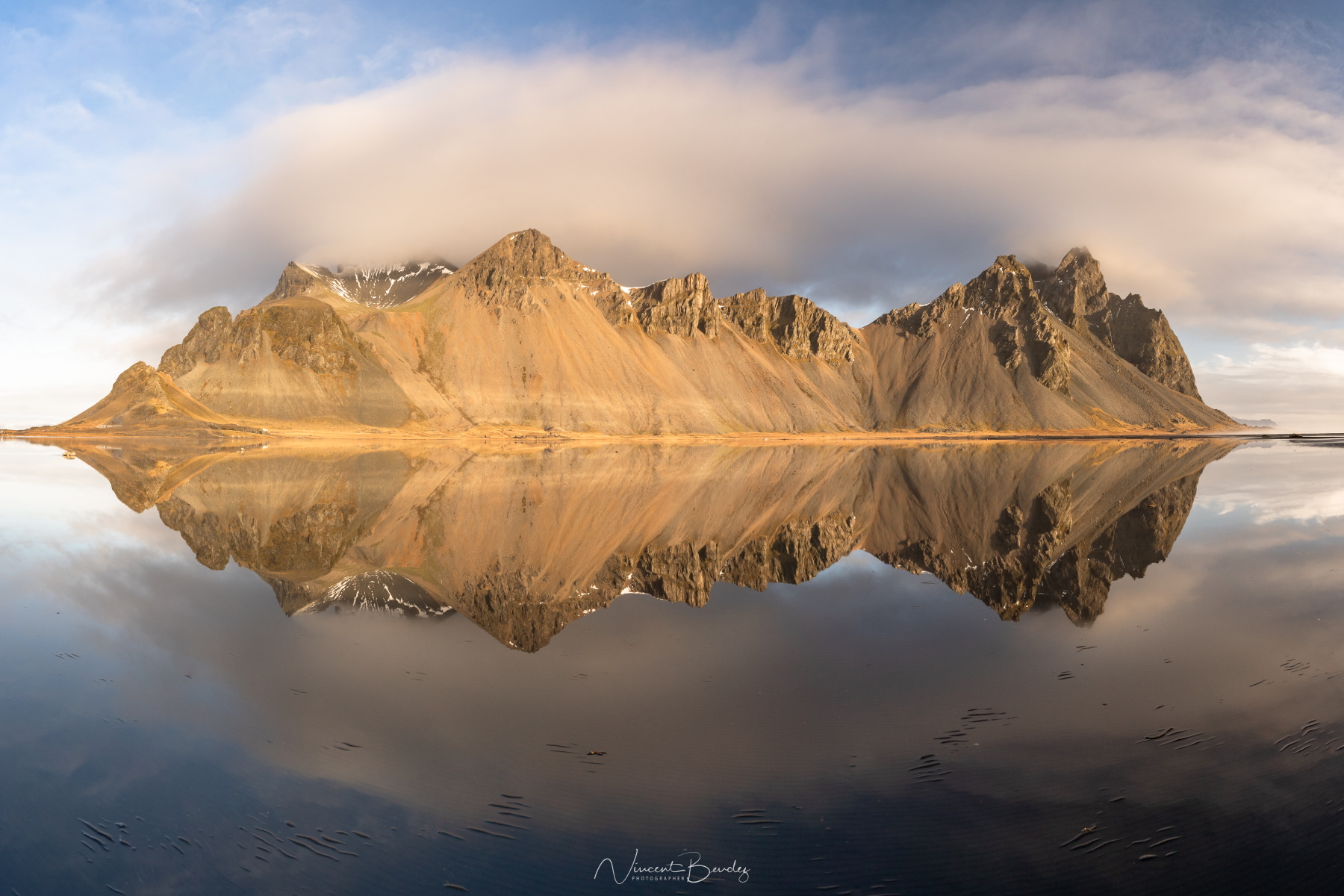
- Swing by to say hi to Vestrahorn
- The East Fjords road: deep fjords, remote fishing villages, one of the most beautiful stretches of the Ring Road
- The village of Djúpivogur
- Stuðlagil canyon
- Night:
- At the Berjaya Hérað Hotel in Egilsstaðir, with the excellent Lyng restaurant, certified Green Hotel

- DAY 6: Dettifoss + the volcanic wonders of Mývatn
- Today’s drive: ≈ 200 km · 3h of driving (Egilsstaðir → Mývatn, via Dettifoss)
- Plan:
- Dettifoss waterfall
- The Dimmuborgir formations
- Hverfjall crater
- The Hverir geothermal area
- If you have time, the Leirhnjúkur and Krafla lakes & the Víti crater
- To relax: the Mývatn Nature Baths: geothermal baths, far less crowded than the Blue Lagoon
- Night:
- At Fosshotel Mývatn, with a lake view and award-winning architecture


- DAY 7: Goðafoss & whale watching
- Today’s drive: ≈ 200 km · 3h of driving (Mývatn → Húsavík → Akureyri)
- Plan:
- Goðafoss: the waterfall of the gods (you can reach it from both sides)
- Whale watching in Húsavík, the best place in Iceland to see them (info and availability)
- Drive to Akureyri at the end of the day
- Night:
- At Hotel Akureyri, in the town centre, with a fjord view and an excellent breakfast


- DAY 8: Drive to the Snæfellsnes peninsula
- Today’s drive: ≈ 440 km · 5h30 of driving (Akureyri → Snæfellsnes) — by far the biggest driving day!
- Plan:
- Long drive west; stop along the way at Hvítserkur
- Arrival in Grundarfjörður, sunset over Kirkjufell if the timing works out
- Night:
- At the Guesthouse The Old Post Office, perfectly located in the village


- DAY 9: Snæfellsnes peninsula + back to Reykjavik
- Today’s drive: ≈ 320 km · 4h30 of driving (Snæfellsnes loop + return to Reykjavik)
- Plan:
- Drive around the peninsula and its main scenic, photogenic spots: Kirkjufell, Snæfellsjökull, Arnarstapi (and its hike), the black sand beaches of Djúpalónssandur and the black church of Búðir
- Back to Reykjavik (~2h30)
- Night:
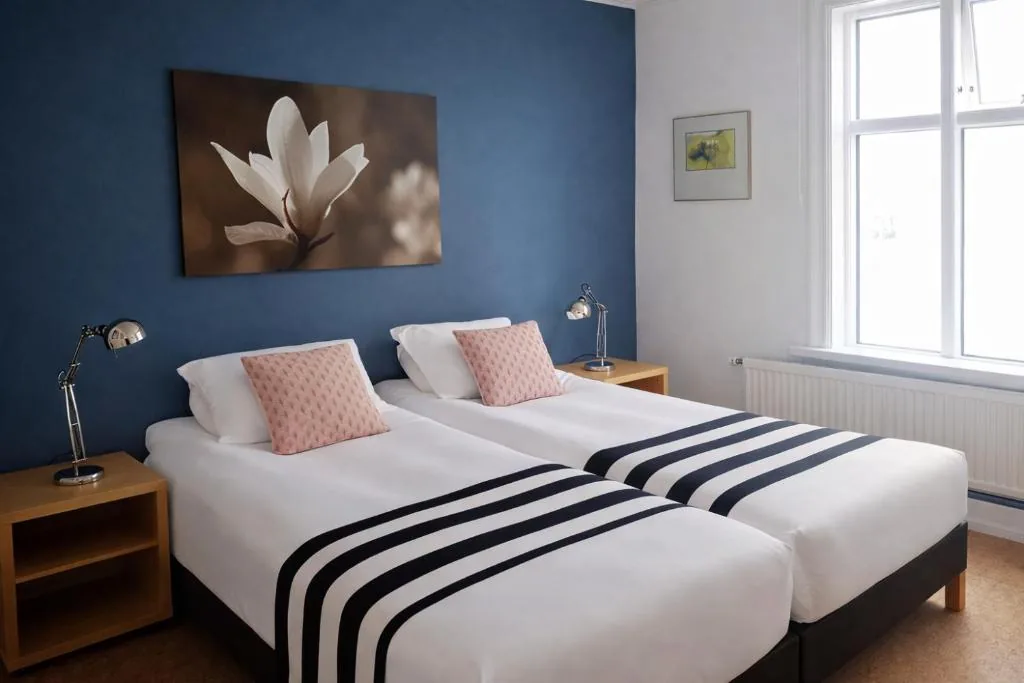
- At Refurinn Reykjavik Guesthouse, great value in Reykjavik


- DAY 10: Enjoy Reykjavik & the Blue Lagoon
- Today’s drive: ≈ 50 km · 45 min (Reykjavik ↔ Blue Lagoon / airport)
- Plan:
- Morning: a relaxed stroll around the city
- Unwind at the Blue Lagoon to rest after all that travelling, or otherwise the Sky Lagoon, which is great too!
- Night:
- still at Refurinn Reykjavik Guesthouse if you’re staying in the city
- at the Konvin Hotel if you’d rather sleep near Keflavik Airport
- or else head straight to the airport to catch your flight!

📍 Grindavík (Reykjanes peninsula) · 20 min from Keflavík · official ticket
Iceland's most iconic bathing experience, ranked among National Geographic's 25 wonders of the world — milky-blue water in the heart of a lava field, a UNESCO Global Geopark.
- Towel + drink + silica mud mask included
- Access to sauna, steam room, cooler lagoon and quiet area
- UNESCO Geopark · perfect for arrival/departure day
Free cancellation
From 126 € / person

📍 Kópavogur (seafront) · 15 min from Reykjavík · official ticket
Geothermal lagoon facing the North Atlantic just minutes from Reykjavík, with its famous 7-step spa ritual: warm soak, cold plunge, sauna, mist and scrub.
- 7-step ritual (soak, cold, sauna, scrub, steam room)
- Infinity pool facing the North Atlantic
- Saman pass (shared) or Sér (private +€21)
Free cancellation
From 118 € / person
In 2 weeks: the relaxed version
If you’re lucky enough to have two weeks, it’s pure luxury: the same tour, but never in a rush. You take the time to linger on the south coast, add the baths in the east, the Ásbyrgi canyon and the Tröllaskagi peninsula, and above all split the big western drive in two. In short, you savour it instead of racing through.
- DAY 1: Arrival + Reykjavik
- Drive: ≈ 50 km · 45 min (Keflavik → Reykjavik)
- On the agenda: pick up your car and wander around the centre, near Hallgrimskirkja
- Night: Reykjavik
- DAY 2: The Golden Circle, at an easy pace
- Drive: ≈ 220 km · 3h
- On the agenda: Þingvellir, Geysir and Gullfoss, with time to add Kerið, Brúarfoss and the natural bath at Reykjadalur
- Night: Selfoss / Flúðir
- DAY 3: The south-coast waterfalls
- Drive: ≈ 150 km · 2h
- On the agenda: Seljalandsfoss, Gljúfrabúi, Skógafoss then the Sólheimajökull glacier
- Night: Vík
- DAY 4: Vík in chill mode
- Drive: ≈ 60 km · 1h
- On the agenda: Dyrhólaey and its puffins, Reynisfjara beach, a horse ride or simply some rest
- Night: Vík
- DAY 5: Canyons & Skaftafell
- Drive: ≈ 130 km · 2h
- On the agenda: Fjaðrárgljúfur canyon, then Skaftafell Park (Svartifoss waterfall, glacier hike)
- Night: Freysnes / Skaftafell
- DAY 6: The glacier lagoons
- Drive: ≈ 130 km · 2h
- On the agenda: Jökulsárlón, Diamond Beach and Fjallsárlón (ice cave in winter)
- Night: Höfn
- DAY 7: The East Fjords
- Drive: ≈ 220 km · 3h
- On the agenda: Vestrahorn/Stokksnes, the wild fjords road, the village of Djúpivogur
- Night: Fáskrúðsfjörður / Egilsstaðir
- DAY 8: Stuðlagil & Vök baths
- Drive: ≈ 130 km · 2h
- On the agenda: the sublime Stuðlagil canyon, then a soak at the Vök baths set on the lake
- Night: Egilsstaðir
- DAY 9: Dettifoss & Ásbyrgi
- Drive: ≈ 220 km · 3h
- On the agenda: the mighty Dettifoss and the horseshoe-shaped Ásbyrgi canyon
- Night: Mývatn
- DAY 10: Mývatn in full
- Drive: ≈ 60 km · 1h
- On the agenda: Dimmuborgir, the Hverfjall crater, Hverir, Krafla & Víti, and the Mývatn baths
- Night: Mývatn
- DAY 11: Goðafoss & whales
- Drive: ≈ 160 km · 2h30
- On the agenda: Goðafoss then whale watching in Húsavík, the best spot in the country
- Night: Húsavík / Akureyri
- DAY 12: Akureyri & Tröllaskagi
- Drive: ≈ 190 km · 2h30
- On the agenda: the “capital of the north”, the Tröllaskagi peninsula and pretty Siglufjörður
- Night: Akureyri
- DAY 13: Heading west
- Drive: ≈ 300 km · 3h30
- On the agenda: long drive west, with a stop at the Hvítserkur rock
- Night: Vatnsnes / Borgarnes
- DAY 14: Snæfellsnes & return
- Drive: ≈ 330 km · 4h30
- On the agenda: Kirkjufell, Arnarstapi, Djúpalónssandur and the church of Búðir, then back to Reykjavik (and one last Blue Lagoon before the flight)
- Night: Reykjavik / airport

In 7 days: the express version (even if I’m not a fan)
Okay, let’s be honest: 7 days to cover the whole loop isn’t my cup of tea. You spend way too much time in the car and skim over regions that deserve you lingering. But if that’s all the time you have, it’s doable — here’s the express version, on the assumption that you’re moving fast. My advice if you really only have 7 days: either skip Snæfellsnes, or focus on the south coast as an out-and-back rather than the full loop.
- DAY 1: Arrival + Golden Circle express
- Drive: ≈ 250 km · 3h30
- On the agenda: pick up the car and head straight to the Golden Circle (Þingvellir, Geysir, Gullfoss)
- Night: Hella / Hvolsvöllur
- DAY 2: The south coast
- Drive: ≈ 200 km · 3h
- On the agenda: Seljalandsfoss, Skógafoss, Dyrhólaey, Reynisfjara and the Fjaðrárgljúfur canyon
- Night: Kirkjubæjarklaustur / Vík
- DAY 3: Glaciers & glacier lagoon
- Drive: ≈ 200 km · 3h
- On the agenda: a quick stop at Skaftafell, then Jökulsárlón and Diamond Beach
- Night: Höfn
- DAY 4: The East Fjords
- Drive: ≈ 270 km · 4h
- On the agenda: Vestrahorn at daybreak, then the long East Fjords road
- Night: Egilsstaðir
- DAY 5: The north, fast-forward
- Drive: ≈ 280 km · 4h
- On the agenda: Dettifoss, the essentials of Mývatn (Hverir, Dimmuborgir) and Goðafoss
- Night: Akureyri
- DAY 6: The big western crossing
- Drive: ≈ 430 km · 5h30
- On the agenda: the big driving day to reach the west, with a stop at Hvítserkur
- Night: Snæfellsnes / Borgarnes
- DAY 7: Snæfellsnes express + return
- Drive: ≈ 320 km · 4h30
- On the agenda: Kirkjufell and the essentials of the peninsula, then back to Reykjavik and the airport
- Night: return flight

The 18 most beautiful places along Iceland’s Ring Road!
Narrowing it down isn’t easy at all! But I can’t list them all. Well, okay, I did list them all in this map of Iceland. I wanted to show you that the vast majority of the country’s most beautiful sites lie right along the Ring Road, and so you can see them in any season. I’ve included canyons, waterfalls, glaciers… in short, there’s something for everyone, and you could literally spend weeks seeing them all. So what follows is just a taster!
A visit to Reykjavik
I’ll start with Reykjavik, since it’s very likely to be the first stop on your trip. It’s a really lovely little city, one I ignored on my first stays in Iceland. And yet it’s truly worth it: very pretty, with beautiful architecture and lots of street art. It’s a laid-back, surprising city. A bit like its centre and its famous church.
So spend a bit of time there, enjoy its seafront and its surprising culinary specialities (which cost an arm and a leg, I won’t lie to you)


The Seljalandsfoss and Skogafoss waterfalls
Some of Iceland’s most beautiful waterfalls are located along the south coast. The two best examples are Seljalandsfoss and Skogafoss.
Picture yourself walking behind a majestic waterfall, feeling the gentle drizzle brush your face (well, let’s be honest, it’s more like big gusts that call for a serious rain jacket). Seljalandsfoss lets you do exactly that. Its 60-metre-high curtain of water plunges into a glittering pool, creating a breathtaking scene.
When the sun slips behind the waterfall, rainbows appear, painting a magical show across the Icelandic sky. The feeling of being surrounded by the power of nature, the soothing roar of the water and the breathtaking view create a one-of-a-kind atmosphere. Don’t forget the hidden little sister, Gljúfrabúi, a few minutes’ walk away.
While Seljalandsfoss is beautifully poetic, the Skogafoss waterfall, a little further on, is a true marvel of power. At 60 metres high and 25 metres wide, it’s an impressive sight. A local legend says a treasure is hidden behind the waterfall by the first Viking settler who lived there.
The waterfall’s water comes from two rivers, the Skógá and Kverná, creating a powerful flow that crashes down the cliff. The deafening noise and the cloud of spray thrown up by the falling water add to the site’s spectacular atmosphere.
You can also take the staircase on the side of the waterfall to reach lovely viewpoints up high, and why not enjoy a nice walk along the river. From there, the panoramic view over the surrounding landscapes, including the green plains and the glaciers in the distance, is simply breathtaking.


The DC-3 plane wreck
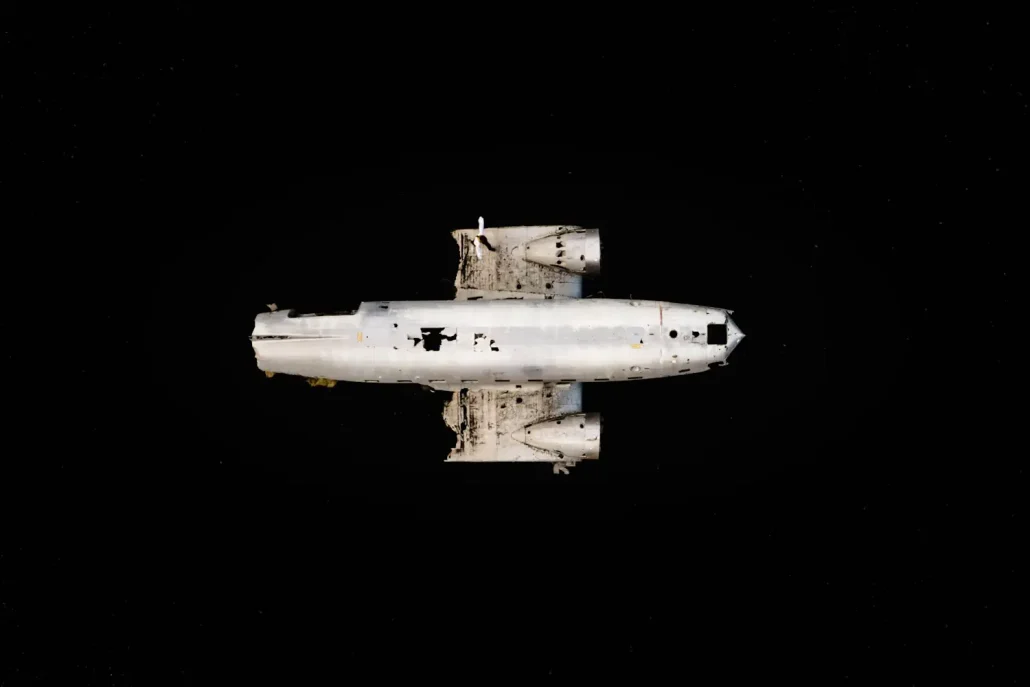
In November 1973, a US Navy plane crashed on the south coast of Iceland, for reasons that were never really clear. Since then, the wreck has become a tourist attraction, and you can see why. The plane sits on a huge black sand beach, close to the sea with the mountains as a backdrop.
To get there, you have to walk a bit. The first time I came there were no facilities; you parked on the roadside. Since then there’s a car park and even a shuttle! It saves you from walking two lots of 1h (it’s 4 km after all), but the shuttle still costs €24 return.


The Dyrholaey peninsula
One of my favourite spots!
This little peninsula is a protected reserve and a real paradise for birds, especially puffins. It’s also a wonderful place for a walk, with several possible hiking trails, all set in spectacular scenery!
You’ll see the famous basalt arch — Dyrholaey means “the high island with the door hole” — but also many curious rock formations, and views on both sides over the black sand beaches, with Reynisfjara in the background.


Reynisfjara and the beaches of Vik
The little town of Vík í Mýrdal is an unavoidable stop on the south coast. And rightly so, because it’s a truly beautiful setting. Vík is a well-known activity hub but is best known for its black sand beaches.
The most famous is Reynisfjara, also considered the country’s most beautiful beach. The setting is ideal: a fairly mild climate (well, for Iceland anyway), mountains and above all a variety of landscapes. On the beach you’ll also find gorgeous basalt columns, while you get a prime view of the Reynisdrangar, sea stacks rising out of the water that are said to be trolls.
And if you have an adventurous (horse-riding) spirit, you can go on a horse ride there!


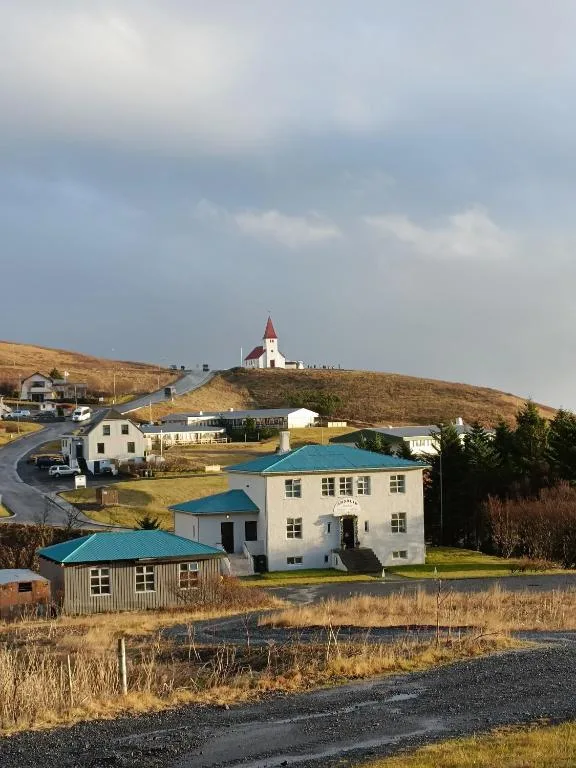
📍 Austurvegur, central Vík · location 9.2/10
Unbeatable value at the entrance to Vík: spacious rooms, a shared kitchen to cook your own meals and a highly rated breakfast, 7 min on foot from the black beach.
- Entrance to Vík, black sand beach 7 min on foot
- Shared kitchen (microwave, fridge, kettle)
- Free parking + Wi-Fi 297 Mb/s + laundry
Free cancellation
From 125 € / night
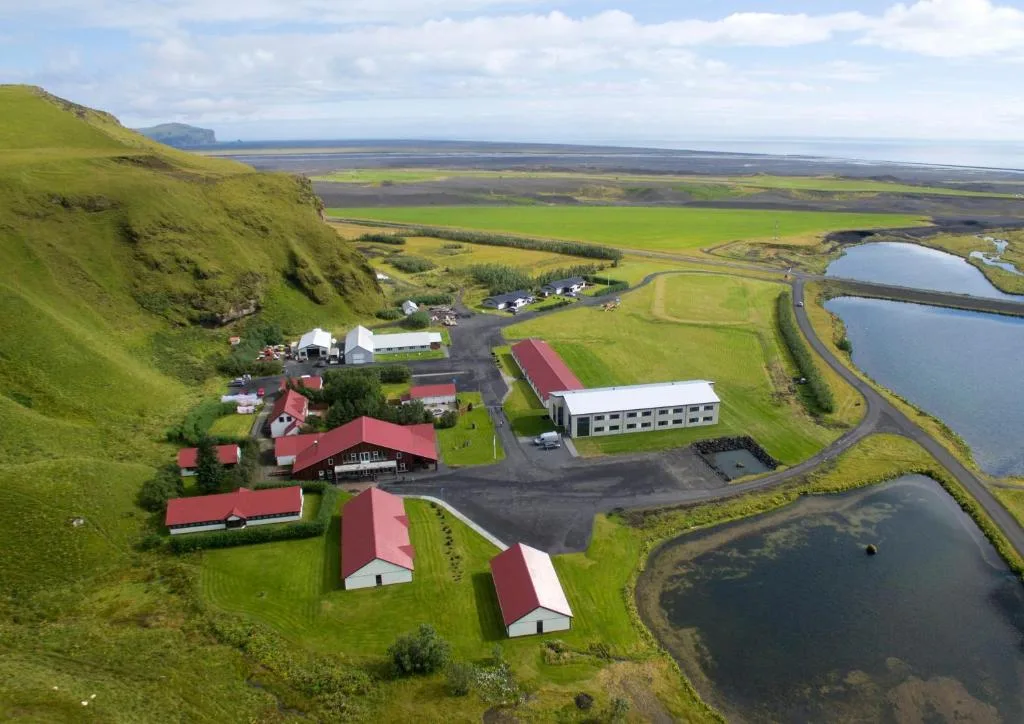
📍 Höfðabrekka, 5 km east of Vík · location 9.0/10
The comfort of a larger hotel with a nicely warm outdoor hot tub after a day of touring, plus a sauna, gym and a widely praised buffet restaurant.
- Outdoor hot tub + sauna + gym (free)
- Restaurant + exceptional breakfast buffet
- Spacious family rooms, free parking
Free cancellation
From 185 € / night
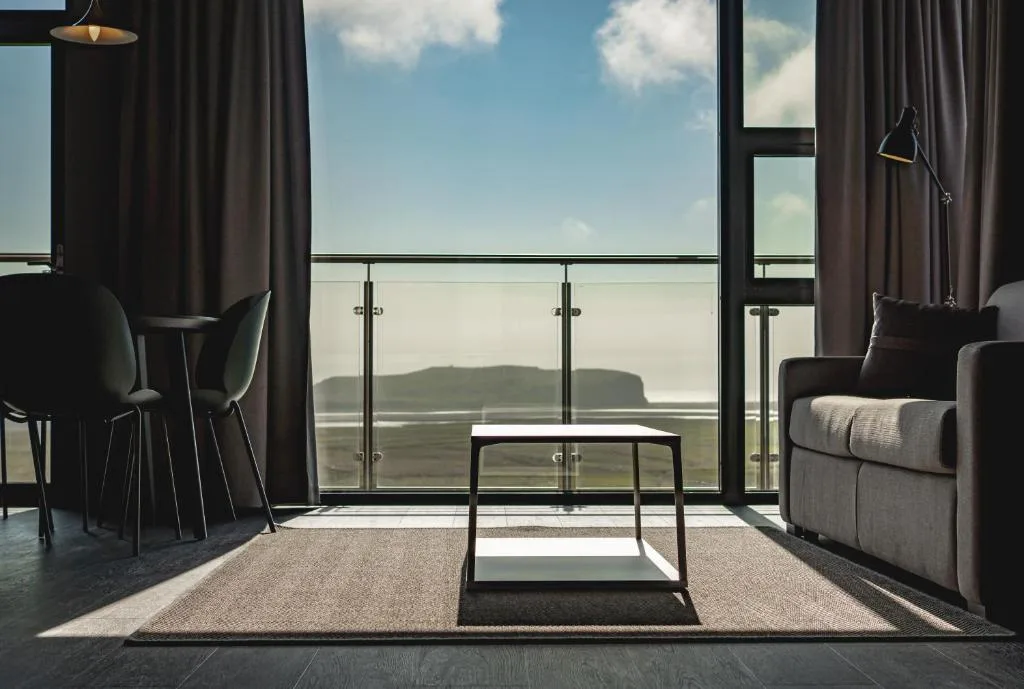
📍 Norður Foss · facing Reynisfjara · location 9.6/10
Design sea-view suites 5 min from the legendary Reynisfjara black beach, with a full kitchenette and an ocean-facing terrace — the iconic Vík experience.
- Unobstructed sea view + sunny terrace
- Full private kitchen (fridge, hob, coffee machine)
- Reynisfjara beach 3.6 km away, free on-site parking
Free cancellation
From 220 € / night
The Fjaðrárgljúfur canyon
One of the best-known canyons on the island, and perhaps the most easily accessible.
Plunging to a depth of 100 metres and stretching over two kilometres, it charms you with its steep walls and winding path. The prominent, oddly shaped angles and the surprising moss-covered features add a unique touch to this landscape.
You walk along the river from the top of the cliff, this river meandering gently towards the sea, creating a fairytale setting. Truly, standing right up there is a one-of-a-kind experience, especially at sunset! But watch out for the wind 🙂


The village of Nupsstadur
Nupsstadur is an abandoned village on the south coast. I visited it by chance on my first trip; nothing signposted it and no guide mentioned it either. Abandoned since 2010 and the death of its last resident, it’s a dive into the country’s rural history.
You’ll find very old wooden buildings, turf-covered and worn down by the weight of the centuries, and a pretty little church. It’s a moving relic of Iceland from the 17th to the 19th century.

The Svinafellsjökull and Skaftafell glaciers
Let’s keep heading further east along this Ring Road to reach the superb Skaftafell Park. Here you’ll find the beautiful Svartifoss waterfall with its basalt columns, but above all two magnificent glaciers that are very easy to reach!
Skaftafellsjökull is accessible with a 5-minute walk from the park car park. Magnificent, with ice as far as the eye can see. I really like it because, as well as being photogenic, it has a lovely lagoon and there are several viewpoints, including some up high to see it as a whole.
Svínafellsjökull is one of the country’s best known. For its beauty, yes, but also for how easy it is to reach and because it’s the main glacier you can hike on. You obviously have to go through an agency because of the danger and instability of the ice, but it’s a really great experience! You can also take a nice walk alongside the glacier, on the left.


Jokulsarlon and Diamond Beach
Perhaps the most visited spot in the country, along with the Blue Lagoon.
Jokulsarlon is world-famous because it’s a magnificent lagoon, with a huge glacier at the far end. Above all you see hundreds and hundreds of blocks of ice in the lagoon, many of which drift out towards the sea and wash up on Diamond Beach. The contrast of the black sand beach with these blocks of ice is superb!
The site is super easy to reach and, I’d even say, unmissable. It’s also a top pick for northern lights or a beautiful sunset.
Don’t hesitate to stop just next door at Fjallsarlon, another very pretty but far less touristy lagoon.

Vestrahorn
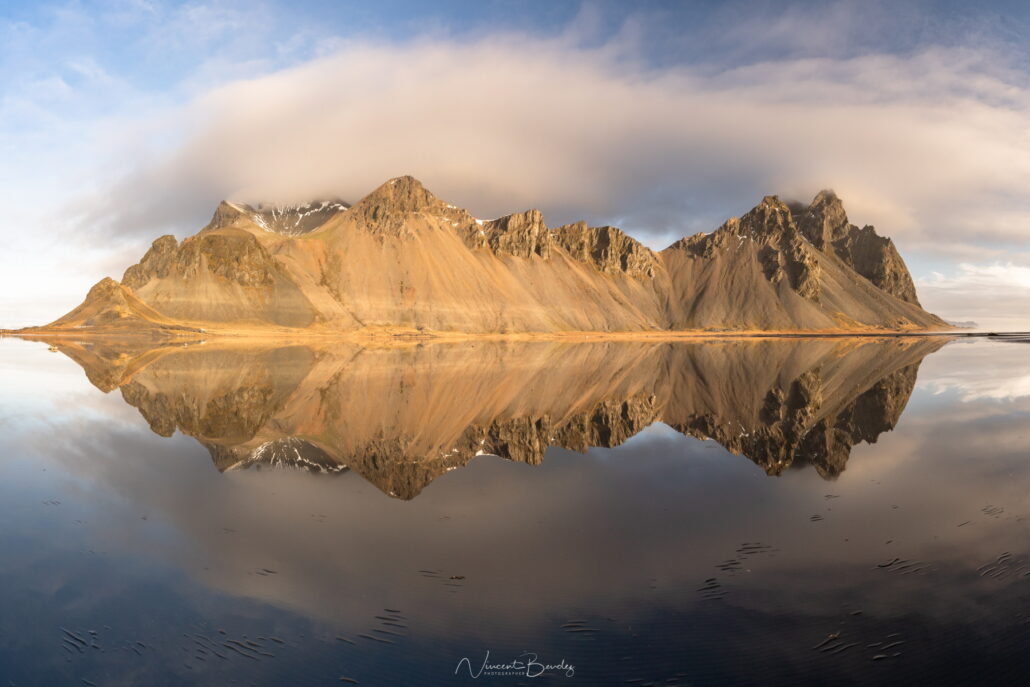
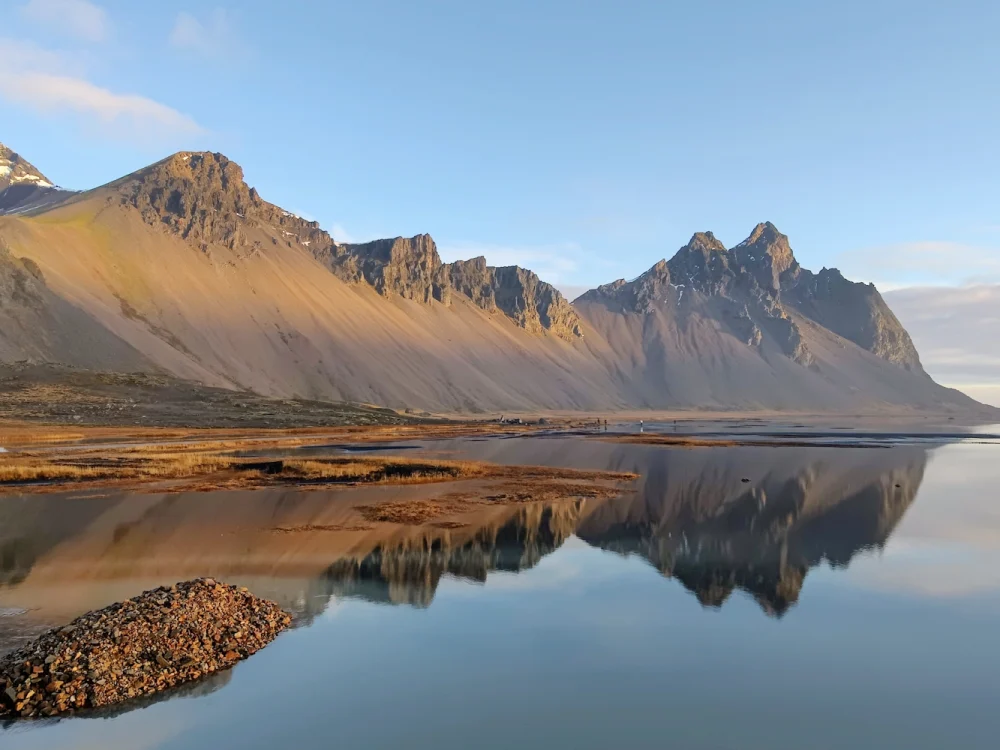
At the far south-east of the island lies one of its most photographed spots: Vestrahorn, and its Stokksnes beach. The new darling of photographers, thanks to its unique look that offers endless possibilities. There are little black sand dunes, the beach and the water offering a superb reflection, clouds clinging to the mountain. Honestly stunning!
Now be aware that, as the site is private, driving in on the little track has become paid (with a barrier), so you’ll have to pay (not much). Otherwise you can walk in from the little hotel-restaurant.

The East Fjords
A place almost empty of tourists. And yet the Ring Road passes right through it, even looping around numerous fjords! But there are no ultra-famous spots, no glaciers, no volcano. And yet the place is magnificent. If the weather allows, you can see superb mountains, a wild, rugged coast, huge fjords, beautiful waterfalls and a few canyons if you take the time.
The other advantage: to the north of the fjords is one of the best places to see puffins, at Borgarfjörður Eystri.


Dettifoss, Selfoss and Godafoss
The north coast is home to some of the country’s most impressive waterfalls. They get talked about less because they’re on the other side of the country, but you really shouldn’t miss them.
A little north of the road, you’ll find a whole series of waterfalls along the glacial river Jökulsá á Fjöllum, which comes straight from the immense Vatnajokull ice cap.
The first is Dettifoss, which is the most powerful waterfall in Europe. You feel tiny! A monumental flow, a deafening roar. You can visit it from both sides of the bank.
The second is Selfoss, located a 15-minute walk from Dettifoss; you reach it from the same car park. Much smaller, super pretty, horseshoe-shaped but not only, it stretches over more than a hundred metres. Careful, the path is a touch slippery!
A little past Myvatn, there’s a magnificent horseshoe-shaped waterfall, a smaller version of Niagara Falls: Godafoss, the waterfall of the gods, no less. Truly very beautiful, it sits right beside Route 1. You can also visit it on both banks, and the two offer 2 different viewpoints, one of which takes you down to the lower level, right by the water. Truly superb!


Myvatn and its wonders
In the north of Iceland, many sites are clustered around Myvatn. Myvatn is a large lake, whose name means “lake of the midges” because they swarm in summer! But the area is magnificent — it was a lovely surprise. Of course, drive around the lake and see the little craters inside it that form islands. As it’s a very volcanic area, there are other very beautiful volcanoes right nearby and surprising rock formations like Dimmuborgir (by the way, if you have a musical streak, you can try listening to the band of the same name — it’s… special!)
A place I love is Hverir, the geothermal area with very pretty colours, a good whiff of sulphur and little steaming vents. In short, a really nice spot! And you can end the day at the Myvatn Nature Baths.

Possible detours off the Ring Road
There are superb sites within striking distance of the Ring Road that are well worth a good day’s detour (or more for some!). So if you have the time, don’t hesitate to go and see them 🙂
The Golden Circle
The Golden Circle is usually the first visit you make in Iceland. It’s very close to Reykjavik, you can explore it in a day, and it’s an excellent preview of what you’ll see during the rest of your trip.
The Golden Circle is a set of iconic Icelandic sites. It includes:
- Gullfoss, a huge and super photogenic waterfall
- Thingvellir, the cradle of Icelandic democracy for over 1,000 years, in a superb natural park
- Geysir, Iceland’s famous geysers, an impressive site. The geysers are even higher in the morning
- Bruarfoss, a magnificent waterfall with turquoise water that you can see after a lovely little walk
- Kerid, a very pretty crater you can climb


Snaefellsnes
This is quite simply my favourite place in Iceland. Why? Because it’s a real concentrate of Iceland. Plenty of volcanoes, red and green craters, lava fields with unique formations, and an iconic volcano, Snaefellsjökull (Jules Verne called it the entry point to the centre of the Earth). But also a super famous mountain: Kirkjufell.
In short, all of that explains why I love this region, which can be visited in a day if you’re quick, but you could easily spend 3 days there without any problem!

The Stuðlagil canyon
This is one of the trendy new spots in Iceland. This canyon is, in my opinion, the most beautiful in the country. First because it’s made of basalt columns over several hundred metres, and that’s unique. Then because its water is turquoise! It has incredible charm, truly.
It’s off the main road, a little past Egilsstaðir, but isn’t necessarily accessible in every season because the road can be dodgy and very slippery. There are two facilities to visit the site, one on each side, and both are worth it, especially the other side which lets you go down to the level of the river!

The pretty town of Husavik
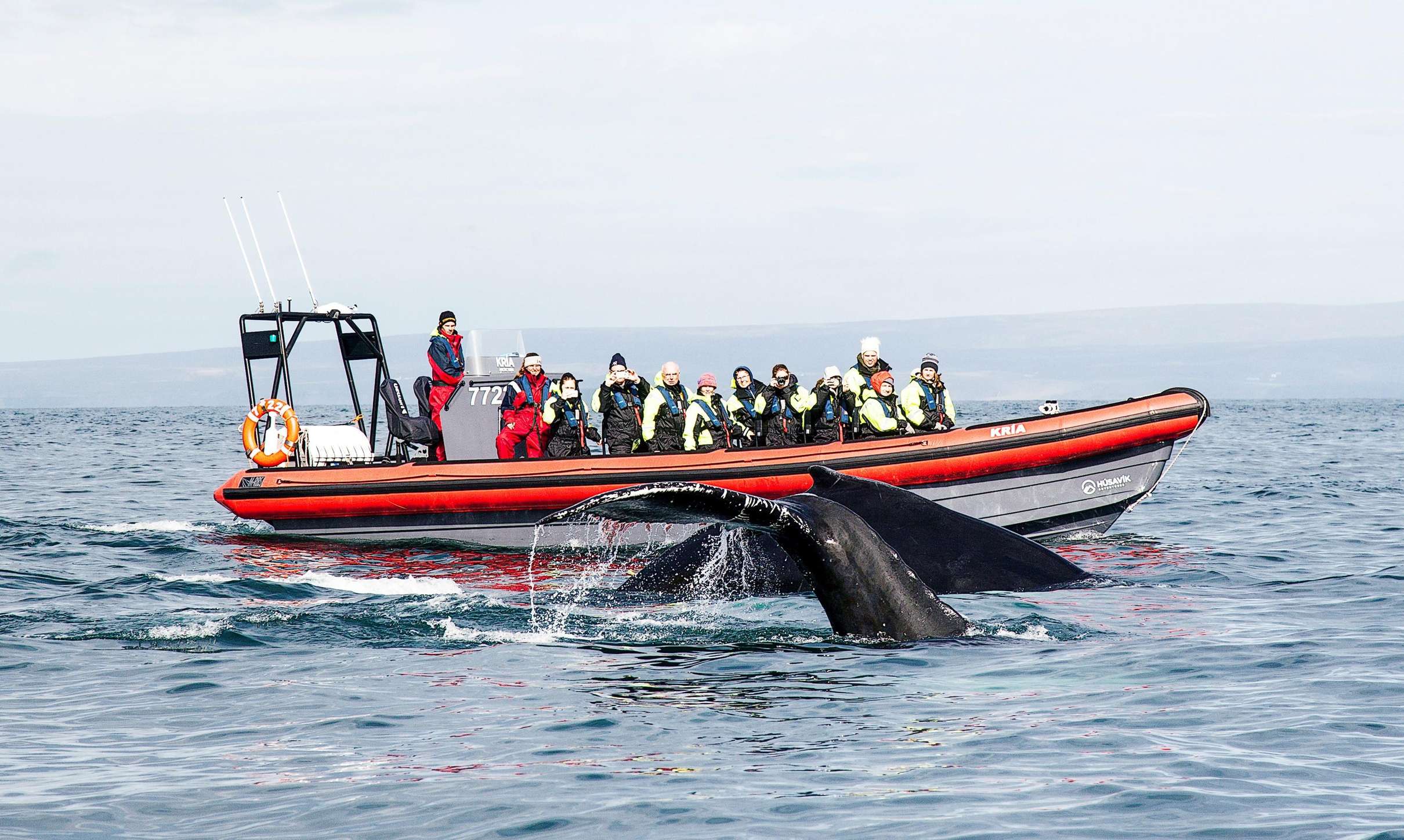
I’ll be upfront: I wasn’t able to visit Husavik. Because the day I wanted to go, the weather was so foul it just wasn’t possible. The joys of northern Iceland 😀 But Husavik is a very pretty fishing port, quiet, in a rather idyllic setting between sea and mountains. It’s also the best place to see whales! Far better than Reykjavik, for example. And that’s year-round.
The Westfjords
The most isolated and hostile place in the country, quite simply. The wildest and perhaps the most beautiful. Immense fjords, as far as the eye can see, each many dozens of kilometres long. You go from one to the next via some pretty incredible high plateaus. And when you come back down into the next fjord, the views are exceptional.
These fjords aren’t necessarily easy to reach, the roads aren’t always in good shape, the weather is tricky, and it’s a place with few tourists. But it’s unique, exceptional. You’ll see one of the country’s most beautiful waterfalls: Dynjandi. As well as the largest puffin colony in the world: the cliffs of Latrabjarg.


The Haifoss, Gjain and Hjalparfoss waterfalls
Heading a little inland, between Reykjavik and Selfoss, there are a few very pretty waterfalls that are relatively easy to reach.
Haifoss is a superb, tall waterfall, lost in the middle of nowhere. As there’s always a wild wind and funky weather, you can get superb rainbows.
Gjain is a magnificent little series of waterfalls reached via a rough track, a waterfall totally different from what you usually see in Iceland.
Finally, Hjalparfoss is surprising! A double waterfall that looks like nothing else, ultra photogenic.


The Blue Lagoon
I couldn’t not suggest a trip to the Blue Lagoon, the best baths in Iceland. I’ve been twice, both times at the end of the trip after 10 days / 2 weeks on the road, just to relax after all those adventures. And it does you a world of good!
The setting is magnificent, the surroundings are top, you get pampered there. I stayed several hours, just relaxing in that nicely warm water. Now, I’ll admit it isn’t cheap. But since you don’t go every month, I found it well worth it.
There are several packages, for example the ticket with transfer from Reykjavik, or combined with a Golden Circle tour. The site is currently open, as volcanic activity has become calmer again.


The main activities along the Ring Road
Because it’s not all about superb things to see — there are also plenty of amazing activities to do. Especially on the south coast, between the glaciers, mountains and lagoons, you’ll have quite a lot to do; I’ll explain it all below.
Seeing the northern lights
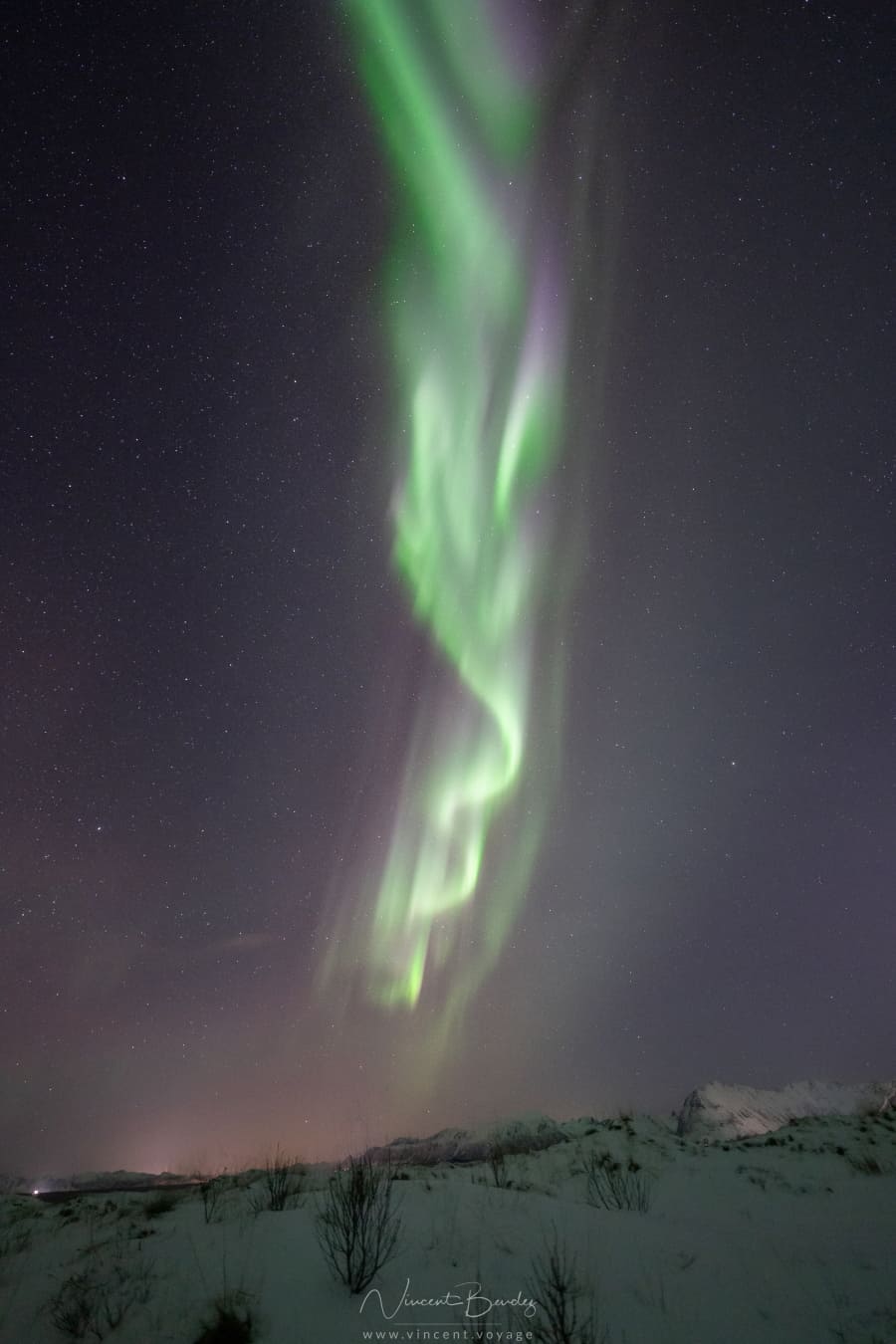
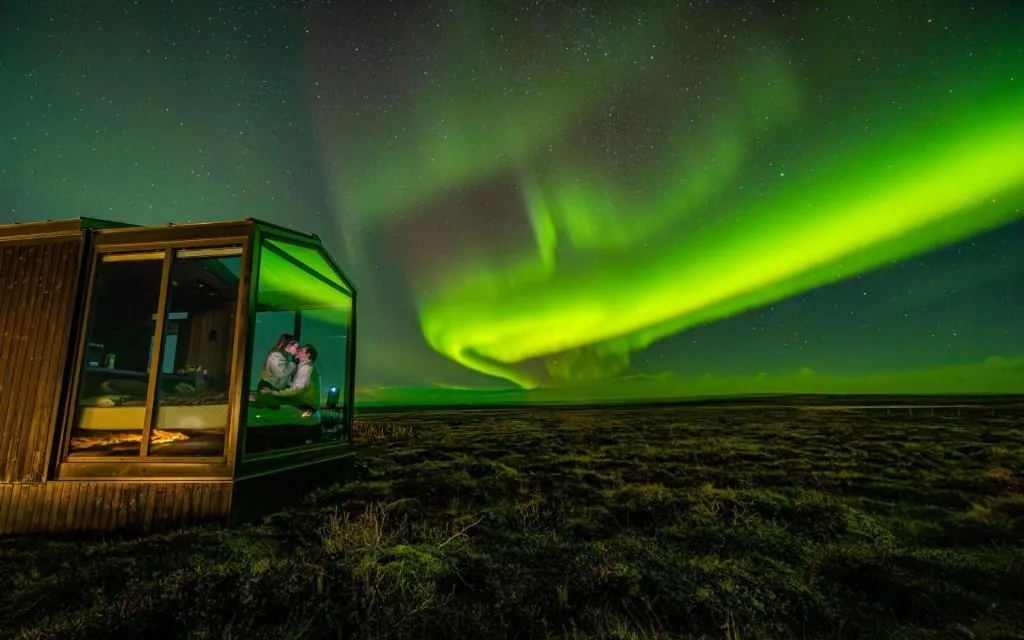
Well, if you’re there at the right time, there’s no escaping it! The northern lights are visible in Iceland between early September and early April (roughly) and are frequent whenever the weather is clear. That last part is no sure thing over there! But by doing a bit (sometimes a lot) of driving, you might slip away from the clouds.
When the weather is clear, Iceland is top for the northern lights because there’s very little light pollution. There are lovely settings: the classic waterfalls, the lava fields, a few craters, glaciers. In short, plenty to set off your aurora. But above all be patient, because you never know what time they might show up 🙂
I’ve written a little guide on seeing the northern lights in Iceland and one on seeing them in Reykjavik.
If you’d like to see the northern lights with a guide, there are several options from Reykjavik

Walking on a glacier
Now this really is a wonderful thing to do! I’ve done it in several countries, on several glaciers (New Zealand, Argentina, Iceland…), and I love it. Walking on these thousand-year-old glaciers, these monumental tongues of ice, brings its share of sensations! Not a thrill as such, but something unique and exhilarating, being on a force of nature.
That said, do NOT do it without a guide, because it’s extremely dangerous when you’re not a professional. Glaciers are alive, they move. They have crevasses that are often invisible to inexperienced people, which is why it’s so important to go through these guides who know them like the back of their hand.
There are several options on the south coast, not far from the road. Either at Sólheimajökull, or towards Skaftafell Park, on Vatnajökull.


Visiting an ice cave
We’ve just seen that one of the best activities in Iceland is walking on a glacier. But how about being able to see a glacier from the inside? Ice caves, famous in Iceland, form and disappear with the seasons. Each cave is therefore unique and impossible to reproduce, because they depend on the glaciers’ variations, their melting and their winter advance, giving them unique colours and light.
The best known, which is fairly stable each year, is the Crystal Cave with its superb blue hues, inside the immense Vatnajokull glacier. The departure is from Jokulsarlon, so it’s easy to reach from the Ring Road.
Seeing whales
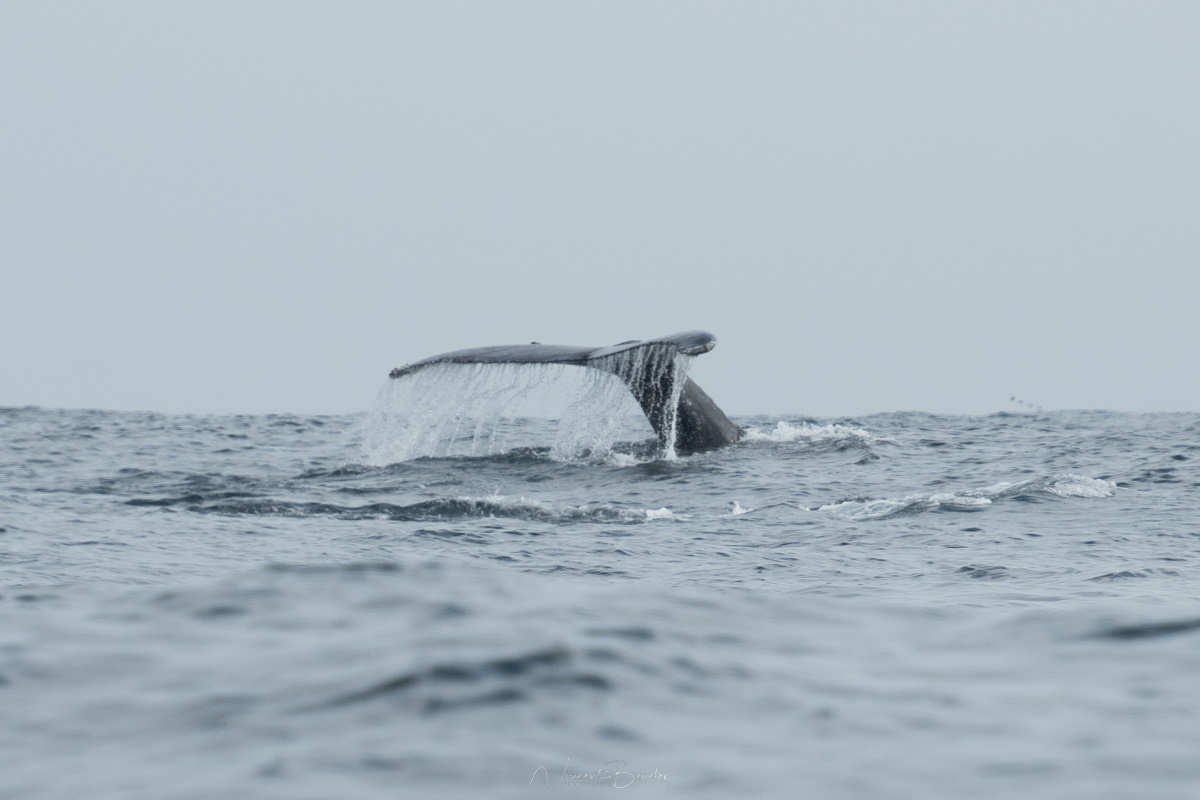
Iceland is a paradise for many whales and cetaceans. They’re here all year round and in numbers. The two main departure hubs, so to speak, are Reykjavik, where several companies operate, and Husavik, which is the best place.
I’d say the only small downside is that with the wind, the sea can get rough and tours can be postponed or cancelled. Then again, I did it once in Reykjavik and we set off without a hitch. But it can happen, especially in winter!
- Discover the different options for whale watching in Reykjavik
- Here are the options for whale watching in Husavik

Soaking in a hot spring
Iceland’s great speciality: thermal baths. Iceland straddles two tectonic plates, with intense geothermal activity. The tectonic movements create zones of underground heat, ideal for hot springs to emerge. Iceland’s many volcanoes and geothermal fissures let groundwater seep deep into the ground, where it’s heated by the volcanic activity. This hot water then rises back to the surface in various forms.
In several places you’ll find natural thermal baths, and others that have been adapted by humans to make them a bit more comfortable.
So there are several of these baths across the country, all very easy to reach:
- The Blue Lagoon of course, the best known, the most popular. And honestly top! Not cheap, but you have a magical time
- The Sky Lagoon, in Reykjavik, the newest of the Icelandic thermal complexes. Created in 2021, it quickly became a great alternative to the Blue Lagoon
- The Secret Lagoon, in Reykjavik. Well, not so secret really — it’s the oldest natural pool in the country. Less touristy, smaller, more local than the country’s other pools
- The Vök baths, in Egilsstaðir, in the east of the country. Unique of their kind, because these are thermal pools set… on a lake! So you have access to the thermal baths, which have the purest thermal water in the country, and to the lake, all in a magnificent setting.
- The Myvatn thermal baths, at Myvatn in the north of the country. The setting is incredible because it’s a very volcanic area, and the prices are lower than at the ones around Reykjavik
Snowmobiling
This is something very easy to do in certain Nordic countries like Finland, partly because it’s a very flat country, but it’s also doable in Iceland. Over there, you snowmobile on the glaciers! And since there are plenty of them and they’re huge, that offers quite a few possibilities.
The great classic is to head onto the Myrdalsjokull glacier, from Vík í Mýrdal on the south coast, for a 2h30 outing. It’s physical, but honestly it’s easy to do! It’s a different little adventure that lets you be at the heart of a glacier


Seeing puffins
Iceland is the best place in the world to see puffins. It has the largest colonies (Latrabjarg, the Vestmann Islands…) and loads of places to see them all over the country. And it works out well, because you can easily see them along the Ring Road. There are three main spots:
- Cape Ingólfshöfði, where I saw them, reached via a little tractor ride across a black sand beach. Wonderfully wild!
- Dyrhólaey, a great classic on the Ring Road; you’ll find puffins right at the top, the trail is marked, and the view is splendid
- the East Fjords are one of the best places for puffins in Iceland, and above all one of the least visited, so you and these charming birds will have some peace. For the best spot in this region, you’ll need to make a little detour to Borgarfjörður Eystri
Watch out for the seasons: they generally arrive in mid-May and leave in mid-August. Don’t do like me and show up at Latrabjarg to see them… in the middle of October.
But you also have the option of seeing them on a boat trip from Reykjavik


The different types of accommodation along the Ring Road
In this map of Iceland, I’ve included lots of places to stay along the Ring Road. But I can sum it all up a bit, to point you to convenient places to stay close to the nice spots:
- In Reykjavik
- Baron’s Hotel, from €86
- Johann’s Guesthouse, from €120
- Exeter Hotel, from €210
- South-west of the country
- Paradise Cave Hotel, from €150
- Guesthouse Raudafell, from €140
- Near Vík
- Glacier View Guesthouse, from €180
- Puffin Hotel Vik, from €130
- Hotel Katla from €144
- Between Skaftafell and Vestrahorn
- Hotel Skaftafell, from €190
- Fosshotel Glacier Lagoon, from €145
- Kálfafellsstaður Guesthouse, from €143
- Fosshotel Vatnajokull, from €114
- East Fjords
- Guesthouse Elínar Helgu, from €90
- Tehúsið in Egilsstaðir, from €90
- North coast
- Dimmuborgir Guesthouse from €90
- Cottages Husavik, from €150
Driving the Ring Road in a campervan
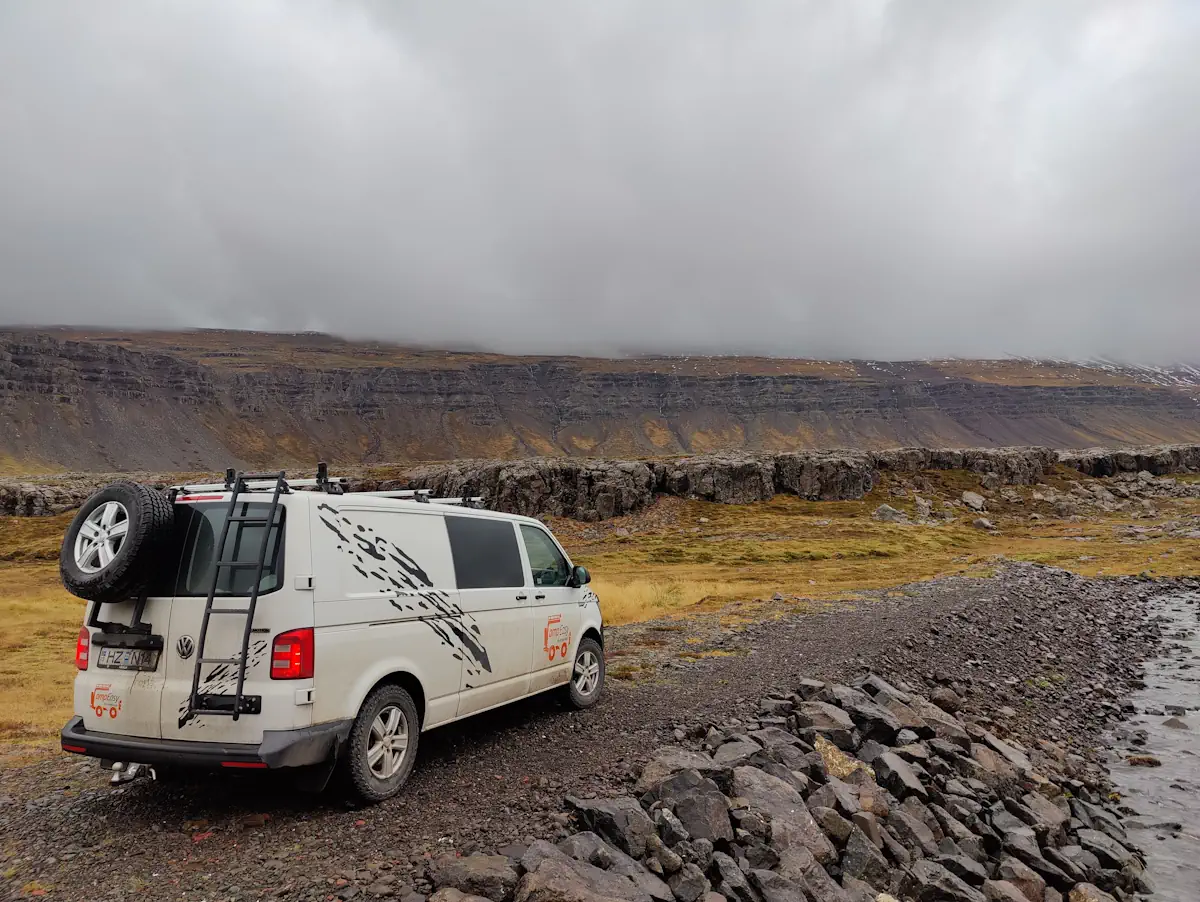
The Ring Road is a perfect fit for a campervan. It’s even, in my opinion, one of the most beautiful ways to explore Iceland: you stop wherever you want, sleep as close as possible to the sites to reach them early in the morning without the crowds, and the van replaces both the car and the hotel (which seriously lightens the budget). Here’s the essential to know before setting off.
- Which van? A simple van is plenty if you stick to Route 1. Only get a converted 4×4 if you plan to take the F-roads into the Highlands.
- The golden rule: wild camping is banned in Iceland (a law since 2015). You only sleep in designated campsites, on pain of a fine. Find them on tjalda.is or with the park4night app.
- The season: the van really works from May to September. Most campsites close off-season, and the Icelandic winter (cold, wind, long nights) is anything but pleasant in a van.
- The cost of campsites: reckon on around €12 to €20 per person per night, with water, toilets, waste disposal and often electricity. The Camping Card (Útilegukortið) costs €179 in 2026 and covers up to 28 nights for a family at around forty campsites: quickly worth it if you’re staying several weeks.
- Watch out for the wind! The Icelandic wind is fierce: never let go of a car door facing the wind (it can literally rip it off — one of the most common insurance refusals) and check the weather on vedur.is before every leg.
- Where to rent one: for the rental, I go through a comparison site to find the right van at the right price, paying close attention to the insurance, the mileage and the equipment provided. That’s where the prices vary the most.
FAQ: Practical information about Iceland’s Ring Road
How long to explore Iceland via Route 1
Be aware that the distances are big, the speed limit on the road is low, driving conditions can be tough, and you’ll stop pretty much all the time to take photos or discover something new.
Some people do the loop in a week. I really think that’s very short. It means a lot of driving, a quick pause at each spot, and off you go again. That’s 1,300 km.
I find that 10 days starts to be reasonable — you have a bit more time, you can fit in a few walks. With 2 weeks, now that’s great, because you can make detours and really take a full day for a specific activity. You don’t feel rushed.
The advantage of the Ring Road is that it’s in good condition. If you stick to this road, you don’t need a 4×4 to explore Iceland. But if you plan to leave it and take the F-roads, then it becomes essential.

When to do the Iceland loop via this road (in winter?)
That’s the big advantage: this road is open all year round. Okay, weather conditions can sometimes be such that it may be temporarily closed (I remember one or two pretty wild storms!), but it’s the only road you can take safely in any season.
That said, winter is harsh in Iceland. It has its charm but the weather conditions are funny. You can’t hike, largely because of the wind. If you get a storm warning, don’t go out. Really.
Autumn is a season I love because nature is very beautiful, it’s not too too cold yet, and you get the northern lights.
Summer is top! but with lots of people.
Spring, meanwhile, is rather overlooked by tourists — it’s very pretty, with lovely colours.
Don’t forget that to know the road conditions, you absolutely must check the site umferdin.is (formerly road.is). And there can be snowstorms all year round!
Which direction to drive the road
Tough one! Personally, I think I prefer to go anticlockwise and therefore start with the south coast (or the Golden Circle) for several entirely personal reasons:
- there is, in my view, a lot more to discover (especially on a first visit) on the south coast, so you can spend more time there and thus make up for the time lost in the north and west.
- by taking the southern road from west to east, you arrive straight at the Skaftafell glaciers, and the view is magnificent. Going the other way, you don’t get that view
Can you do the Ring Road by bus
I won’t dwell on this too much, but “yes and no” (easy, right).
Yes, because there are bus lines all along the island. That sounds cool, you could follow the Ring Road. Except that… there’s only one bus a day. So you can’t stop at a tourist spot (already because sometimes there’s no stop), unless you set off again at the same time the next day. And you don’t have accommodation nearby in most cases.
Do you need a 4×4 to do the Ring Road
In summer, a standard vehicle is enough if you stick to Route 1. 4x4s are compulsory on the F-roads (careful with the insurance), and the Ring Road isn’t one (thankfully!)
An SUV/4×4 is recommended/required if you want to make detours (Stuðlagil, F-roads, Stokksnes, tracks into the Highlands). In winter, a 4×4 is pretty much essential because of the weather and the snow.
Campervan or car for the Ring Road?
Both work very well on Route 1. The van appeals most from May to September: total freedom, you sleep near the sites, and it replaces the car + hotel, so it’s often cheaper for a group. The car + hotel formula stays more comfortable, essential in winter, and more restful if you don’t want to deal with campsites and showers. My advice: the van in summer if you’re game and flexible, and car + hotel the rest of the year.
What budget to plan for the Ring Road over 10 days
Iceland is expensive. Reckon on around €150-250/night for a decent hotel, €30-50/meal at a restaurant, and about €2/L of petrol.
For a couple over 10 days, a total budget of between €4,000 and €6,000 (flight + rental + accommodation + activities + meals). It depends a lot on the season, because hotel and rental prices can triple between low and high season!
Tip: the Bónus supermarkets (pink pig) are the cheapest.
CAR RENTAL IN ICELAND
Roam around Iceland by renting with Discover Cars

- Rent a car from Keflavik Airport or in town
- Small model, SUV or 4×4 for adventure
- Free cancellation
- Suitable insurance!
- Prices from €30
Organised tours with Guide To Iceland
If you don’t drive or don’t want the hassle, Guide to Iceland offers organised tours to explore Iceland. Here are a few examples:
- Winter: 8 days in a small group to discover the country’s most important spots (Vik, Jokulsarlon, Vestrahorn, Myvatn…)
- 13 days in winter under the northern lights along the Ring Road
- Summer: a tour of Iceland’s most beautiful places in 8 days

Conclusion
There you go! So yes, if you have the time, exploring Iceland via its Ring Road is genuinely a great option and is one of the itineraries most favoured by travellers on the ground.
You’ll find a hu-u-uge number of nice spots, you’ll make loads of photo stops and stop pretty much all the time. So yes, the northern region may be a touch less packed with iconic places, but it’s still a great region. In every corner of the country you’ll find little magnificent spots, hidden canyons, incredible waterfalls.
Don’t forget to check out the most beautiful places in Iceland over here, to find the country’s best attractions over there, but above all, don’t try to see too much at once and skim over the country. Take your time and, worst case, I can already tell you that you’ll come back to complete your trip 🙂
I’ve written quite a lot about Iceland. The following articles should interest you, or at least I hope so!
Key info about Iceland
- What you need to travel to Iceland: all the information you need to make your trip to this beautiful country a success.
- Which agency to rent a car from in Iceland – advice for choosing the vehicle and the insurance
- Which itinerary along the Ring Road – all the not-to-be-missed spots on Iceland’s main road
- The most beautiful sites to see in Iceland – discover the most beautiful places in Iceland
- The main things to do in Iceland – my recommendations for a unique holiday (ice cave, puffins, walking on a glacier…)
- The best interactive map for travelling in Iceland – with waterfalls, hikes, accommodation and must-see spots all on a single map
- How to get from Keflavik Airport to Reykjavik – all the possible modes of transport, with all the prices
- A free PDF travel guide to Iceland – download it to plan your trip to this beautiful country the easy way
- The best time to go to Iceland – discover the pros and cons of each season in Iceland
Articles about Reykjavik
- What to do in Reykjavik – discover what you shouldn’t miss in the Icelandic capital
- How to find the right northern lights agency in Reykjavik – how to choose your agency well
- Where to stay in Reykjavik – hotel, apartment or hostel, how to choose where to sleep in Reykjavik?
Other regions of Iceland
- The most beautiful places to see around Vík í Mýrdal – discover the superb surroundings of this little town
- The most beautiful sites to see on Iceland’s south coast – beaches, glaciers, ice caves and many other superb spots!
- The best guesthouses on Iceland’s south coast – where to stay on the south coast, some nice recommendations!
- Which places to discover at Myvatn – the most beautiful sites to see in this region of northern Iceland
- Which Golden Circle sites to visit in a day – here are all the iconic spots to see in a day
- What are the best spots to see Atlantic puffins in Iceland – I give you all the information to see puffins, the places, the months
- How to get to Landmannalaugar by bus or car – find all the modes of transport to reach this superb region